
If you're shopping for the best nicotinamide riboside supplements, you've probably landed here from the NAD+ rabbit hole, where every brand promises to "reverse cellular aging" and the bottles cost more than your phone bill. NR is the one NAD+ precursor where the headline claim is actually proven: it reliably raises NAD+ in humans. The catch is everything that's supposed to follow from that.
The picks lower down are the Niagen-grade bottles I'd actually keep in my own family's cabinet if someone insisted on running an NAD+ experiment — chosen for verified ingredient and honest dosing, not marketing.
Affiliate disclosure: this article contains affiliate links. As an Amazon Associate, UsefulVitamins.com earns from qualifying purchases at no extra cost to you.
Before you decide
A supplement that raises a lab value is not the same as a supplement that changes how you age or feel. Before you spend on NR, be honest about which one you're actually buying, because right now the evidence only firmly supports the first.
If you take chemotherapy, have a history of cancer, are pregnant or breastfeeding, or manage a serious chronic illness, clear NR with your oncologist or physician first. NAD+ metabolism intersects with pathways relevant to cell growth, and the long-term oncologic safety data in humans simply isn't there yet.
NR is also a B3-family vitamin, so if you're already taking high-dose niacin or a B-complex, you're stacking precursors and should mention it to whoever manages your meds. This isn't a substitute for treating a diagnosed condition.
You can see exactly how I weigh mechanism against human-trial reality, and where I flag industry-funded studies, on the how we review supplements page. If your real goal is "live longer, healthier," start with the complete guide to longevity supplements rather than any single molecule.
What NR actually does (NAD+ precursor)
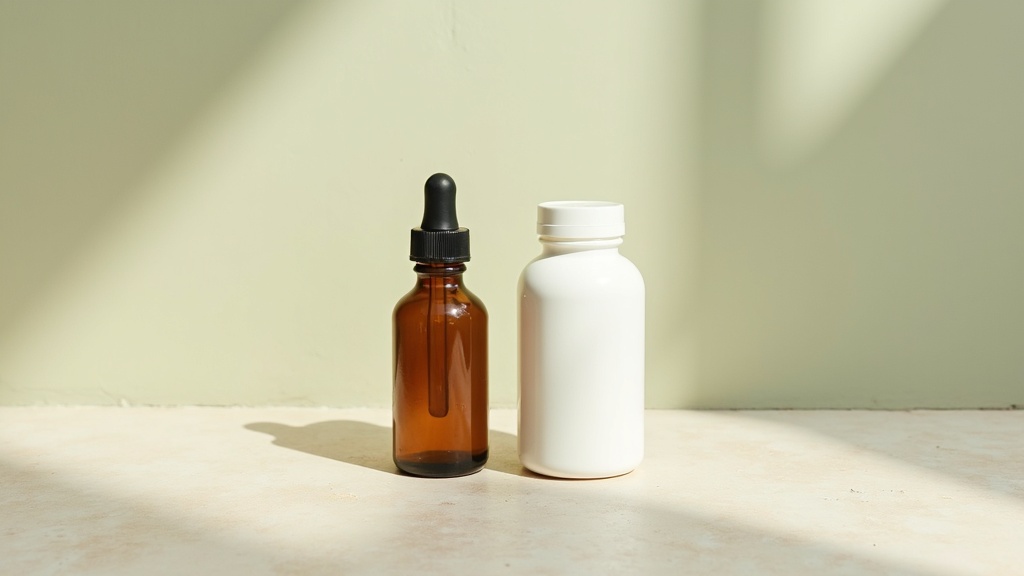
NAD+ (nicotinamide adenine dinucleotide) is a coenzyme every cell uses to run energy metabolism and to fuel repair enzymes like the sirtuins and PARPs. NAD+ levels decline with age, and the entire NAD-boosting category exists on the bet that topping them back up is beneficial. Whether that bet pays off is the open question; that levels can be raised is not.
Nicotinamide riboside is a form of vitamin B3 that the body converts to NAD+ through a specific route. NR is phosphorylated by the enzymes NRK1 and NRK2 into NMN, which NMNAT then converts into NAD+ — so NR sits one biochemical step "upstream" of NMN on the salvage pathway.
The practical hook is uptake. NR is carried into cells through equilibrative nucleoside transporters, a relatively direct entry that the Trammell and Brenner 2016 paper described as a uniquely orally bioavailable route to NAD+ in both mice and humans.
That study also surfaced a clean biomarker most NMN data lacks: the rise in NAAD (nicotinic acid adenine dinucleotide) tracks effective NAD+ repletion, giving researchers a way to confirm the precursor is actually being metabolized rather than just passing through.
NR vs NMN (the practical difference)
This is the comparison most shoppers are really running, so here's the honest version. On the single endpoint of "does it raise human NAD+," NR has more and cleaner peer-reviewed data than NMN — largely because one company (ChromaDex) commercialized a stable, patent-protected form early and funded the human pharmacokinetic work.
NMN is one step closer to NAD+ on paper, which sounds like an advantage. But mechanistically it's muddier: a 2018 review of NAD+ intermediates notes that exogenous NMN appears to be converted back to NR before cellular uptake in many tissues, so the "more direct" claim doesn't cleanly translate to better delivery.
The regulatory split is the part shoppers underrate, and it's not a small one. NR's studied form, Niagen, sits on a patent estate ChromaDex licensed exclusively from Dartmouth — the molecule was identified there by Charles Brenner in 2004, and the company licensed those exclusive patent rights and built a 40-plus-patent portfolio around the ingredient. That funded the human trials, which is why the cleanest NAD-raising data all runs on one branded form.
NMN's path went the other way. The FDA effectively pulled NMN's footing as a dietary supplement, taking the position that it was studied as a drug and therefore can't be sold as a supplement — a regulatory cloud NR simply doesn't carry in the US. For a shopper that translates to a practical reality: NR is the precursor you can buy with a clear label, a documented form, and a paper trail; NMN availability is comparatively murky.
Neither molecule has won the outcome race, though. Both reliably raise NAD+ in human blood; neither has a human trial showing it slows aging or extends healthspan. I lay out the absorption mechanics side by side in NAD precursors: NMN vs NR bioavailability, and the NMN-specific picks live in the best NMN supplements roundup.
| Factor | NR (nicotinamide riboside) | NMN (nicotinamide mononucleotide) |
|---|---|---|
| Position on pathway | One step upstream of NMN | One step closer to NAD+ |
| Human NAD-raising data | More and cleaner (multiple RCTs) | Real but thinner human dataset |
| US regulatory status | NDI-notified, GRAS (Niagen) | Contested by FDA as a supplement |
| Typical cost | Generally lower per studied dose | Often pricier, more variable |
| Anti-aging outcome proof | None in humans | None in humans |
What the research shows (NAD+ up; outcomes unproven)

Here's where I have to separate the proven from the hoped-for, because the marketing collapses them. The NAD-raising effect is genuinely solid. In the Conze 2019 NIAGEN trial, a randomized, placebo-controlled study in overweight adults, 1,000 mg/day of NR raised whole-blood NAD+ by roughly 142% and held it there over eight weeks.
The Martens 2018 trial in healthy middle-aged and older adults found a similar story: 1,000 mg/day elevated NAD+ in immune cells by about 60% versus placebo, and was well tolerated across the six-week crossover.
Put those two trials next to the smaller pharmacokinetic studies and a real dose-response emerges. The Airhart 2017 PK study showed blood NAD+ climbing with single doses across 100, 300 and 1,000 mg, and the larger 8-week and 6-week trials confirm the effect holds at 1,000 mg/day — which is exactly why I treat 300 mg as a floor and 1,000 mg as the best-studied target, not as interchangeable label numbers.
Now the honest part. Those same trials, designed to find clinical benefit, mostly didn't. Martens 2018's only suggestive signal was cardiovascular: across the full group, systolic blood pressure fell about 4 mmHg and carotid-femoral pulse wave velocity (a direct measure of aortic stiffness) dropped modestly versus placebo — but neither reached statistical significance, so these are hypotheses, not findings.
The one place that signal got interesting was a subgroup. In the 13 participants who started with elevated or stage-1 systolic pressure (roughly 120 to 139 mmHg), the post-hoc analysis saw systolic BP land around 10 mmHg lower on NR — a clinically meaningful number if it survives a proper trial, which is exactly why the same Colorado group registered a dedicated 94-person blood pressure RCT (NCT03821623) at 500 mg twice daily to test it head-on. Until that confirmatory data is fully published and replicated, the aortic-stiffness story stays a promising lead, not a reason to buy.
Conze 2019, meanwhile, found no meaningful improvement in body composition, insulin sensitivity, or the other metabolic-health markers it tracked — a clean illustration of NAD+ rising while the outcomes people actually want stayed flat.
This is the gap I want every reader to internalize: NAD+ goes up dependably; the downstream outcomes people actually want — more energy, slower aging, better metabolism — have not reliably followed in humans. A blunt 2023 review titled "What is really known" concluded that NR has shown "few clinically relevant effects" in people and warned of a tendency to overstate the modest findings.
The animal-versus-human split is the whole story here. In mice, NAD+ precursors look impressive across metabolism, neuroprotection, and aging models; in human RCTs the trials run small, short, and land on surrogate endpoints — exactly the translation gap I see across the nootropic and longevity aisle.
What to look for when buying (Niagen-verified, dose, third-party)
If you've decided NR is worth your money as a calculated bet, buy it like a scientist would. The single highest-signal label feature is Niagen, ChromaDex's patented NR chloride — it's the form used in the human trials above, and the only NR that has been NDI-notified and reviewed by the FDA, including a GRAS notice (GRN 000635). A bottle that just says "NR" without that provenance is buying you a name, not the studied ingredient.
Next is dose honesty. Human NAD+ moved at 300 to 1,000 mg/day, yet plenty of bottles dose 150 to 300 mg — sometimes diluted further inside a "NAD+ blend." If a product hides NR inside a proprietary blend, you cannot confirm you're getting a studied dose, and that alone is a reason to skip it.
Finally, demand independent verification. A third-party identity-and-potency test (NSF, USP, Informed, or a published certificate of analysis) tells you the capsule contains what the label claims — NR is moisture-sensitive and can degrade, so potency-at-expiry matters more than a flashy NAD+ graphic.
If you go the NR route long-term, some people pair it with a methyl donor; I cover why in the best TMG supplements guide. It's optional, not mandatory.
Recommended Products


As an Amazon Associate, UsefulVitamins.com earns from qualifying purchases at no extra cost to you. We only recommend products supported by published research or third-party testing.
FAQ
Does nicotinamide riboside really raise NAD+?
Yes — this is the part that's actually proven. Multiple human randomized trials, including Conze 2019 and Martens 2018, show oral NR raises blood NAD+ in a dose-dependent way at 300 to 1,000 mg/day. That's the strongest claim in the whole NAD+ category.
Will NR make me live longer or feel more energetic?
There's no human evidence for that yet. Trials that raised NAD+ generally failed to show the energy, metabolic, or anti-aging benefits the marketing implies. NR is a reasonable bet on an unproven hypothesis, not a demonstrated longevity drug.
Is NR better than NMN?
On the NAD-raising endpoint, NR has more and cleaner human data and a clearer US regulatory status. Neither has a human study showing it slows aging, so "better" mostly means better-documented and usually cheaper, not proven to work for outcomes.
What dose should I take?
The trials that moved NAD+ used 300 to 1,000 mg/day, with 1,000 mg the most-studied. Many bottles under-dose at 150 to 300 mg, so check the per-serving NR amount against that range and discuss it with your clinician, especially if you take other medications.
Is nicotinamide riboside safe?
In healthy adults, NR has been well tolerated in trials up to 1,000 to 2,000 mg/day with no flushing. Long-term and special-population safety, especially around cancer history or pregnancy, is not established, so those groups should not start it without medical sign-off.
Does NR lower blood pressure or stiff arteries?
Maybe, in the right people, but it isn't proven yet. In Martens 2018 the whole-group blood pressure and aortic-stiffness changes were only non-significant trends. The one interesting signal was a small subgroup starting with above-normal systolic pressure, where the post-hoc look saw roughly a 10 mmHg drop — promising enough that a dedicated 94-person trial is testing it, so don't buy NR to treat blood pressure until that reports.
Is NR just an expensive form of niacin?
Not exactly — they take different routes to NAD+, and NR avoids the flushing high-dose niacin causes. But both are B3-family precursors, so stacking NR on top of a B-complex or a niacin regimen overlaps, adds cost without clear added benefit, and is worth flagging to whoever manages your supplements before you double up.
The bottom line on NR
Nicotinamide riboside occupies an unusual spot: it's the rare longevity supplement that actually does the proximate thing it claims — it raises NAD+ in humans, with better human data than NMN on that one endpoint. If raising a NAD+ lab value were the goal, NR would be a clear pick.
But raising NAD+ was never the goal — feeling and aging better was, and no human trial has shown NR delivers that. That makes it a defensible, mechanism-rich, but unproven bet rather than a sure thing.
If you take that bet, take it intelligently: buy Niagen-grade NR, hit the studied 300 to 1,000 mg/day range, demand third-party verification, and don't pay a premium for the promise the evidence hasn't earned yet. And if the real aim is healthspan, the unglamorous levers — sleep, training, protein, not smoking — still outperform any NAD+ capsule on the market.
Reviewed by Maria Rodriguez, MS Nutrition Science, focused on cognitive and mood biochemistry. See more from Maria Rodriguez. This article is educational and is not a substitute for individualized medical advice; talk to your doctor before starting a supplement, especially if you are pregnant, have a history of cancer, or manage a diagnosed condition. UsefulVitamins.com may earn an affiliate commission on qualifying purchases made through product links, at no extra cost to you.
