
You've probably searched something like "peptides for weight loss" after seeing headlines about GLP-1 injections or ads for "research peptides" that promise rapid fat burning without a prescription. The honest answer is, modestly — some peptides do produce meaningful weight loss, but only a narrow group of FDA-approved, prescription-only drugs, and the gap between those and the grey-market compounds sold online is enormous. In this article you'll learn which peptides have genuine human trial data, which are backed mostly by animal studies and hype, and what the FDA says about the unregulated products flooding social media. You'll also learn why even the best-performing prescription peptides come with tradeoffs most influencers skip.
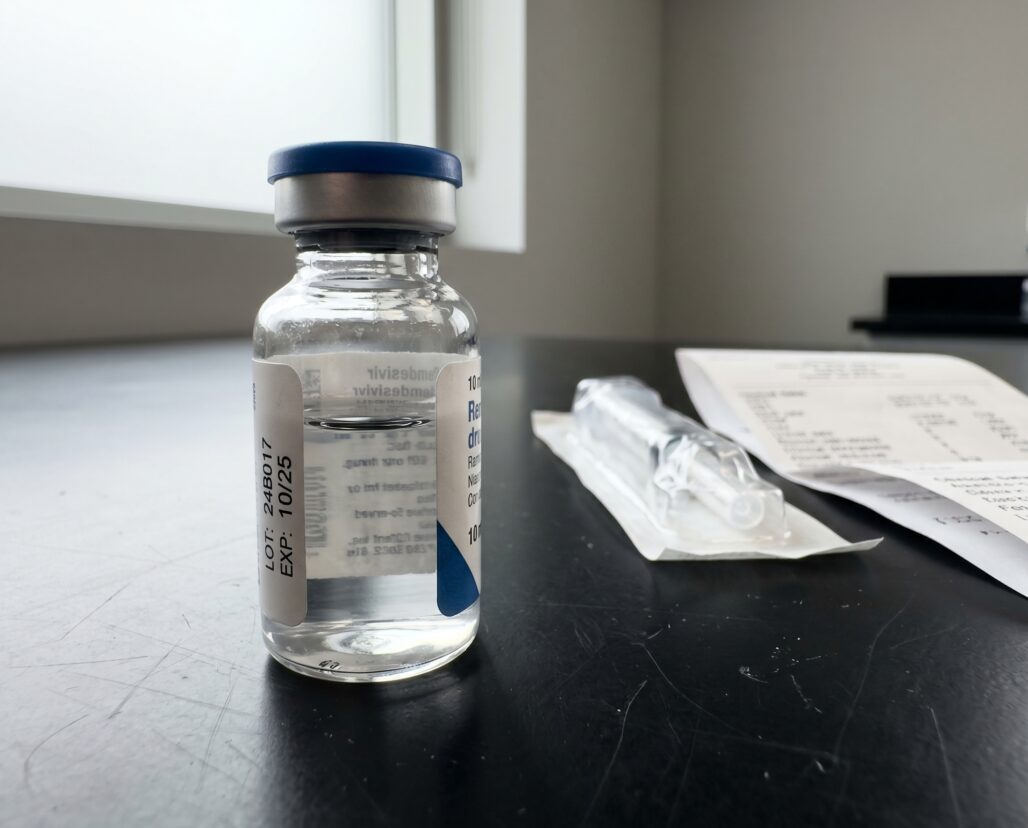
Summary / Quick Answer: Do Peptides Work for Weight Loss?
Yes — FDA-approved GLP-1 receptor agonists like semaglutide and tirzepatide produce 15-21% mean body-weight reduction in clinical trials, making them the most effective non-surgical weight-loss tools available. Other "peptides for fat loss" marketed online have far weaker or no credible human data.
- Best for: Adults with obesity (BMI 30+) or overweight (BMI 27+) with a weight-related health condition, working with a physician, using an FDA-approved prescription peptide alongside diet and exercise.
- Not ideal for: People expecting rapid, effort-free results; anyone buying peptides from grey-market websites; people without a qualifying clinical need.
- What to look for: FDA approval status, prescription requirement, peer-reviewed human trial data, named manufacturer with traceable quality controls.
- Decision shortcut: If the peptide doesn't require a prescription from a licensed provider and wasn't evaluated in large-scale human RCTs, it almost certainly falls into the "unproven at best, unsafe at worst" category.
What Are Peptides, and Why Do They Matter for Weight?
Peptides are short chains of amino acids — the same building blocks as proteins, just assembled in smaller sequences. Your body already produces hundreds of them as hormonal signals. Some regulate hunger, some signal the liver, some modulate how fat cells release stored energy.
The reason the term "peptides for weight loss" covers such different things is that it lumps FDA-approved prescription drugs (which are synthetic versions of naturally occurring hormones) in with entirely unregulated grey-market compounds. The mechanisms differ, the evidence differs, and the risk profiles differ sharply.
If you want the full foundation on how these molecules work in the body, the overview of what peptides are covers the basics before any specific use case.
How Peptides Can Influence Fat Storage and Hunger
GLP-1 (glucagon-like peptide-1) is produced in your gut after eating. It signals the pancreas to release insulin, slows stomach emptying, and acts on the brain's satiety centers to reduce appetite. Synthetic GLP-1 receptor agonists mimic this effect at concentrations your body would never naturally produce, producing persistent appetite suppression and reduced caloric intake.
GIP (glucose-dependent insulinotropic polypeptide) works alongside GLP-1 to regulate insulin and may enhance fat oxidation. Tirzepatide targets both receptors, which helps explain its superior efficacy numbers.
Other peptides — growth hormone secretagogues like GHRP-6 and CJC-1295 — work on a completely different axis: they stimulate the pituitary to release more growth hormone, which can shift body composition over time. The mechanism sounds plausible for fat loss, but the human data tell a different story (covered below).
GLP-1 Receptor Agonists: The Evidence Is Solid, but the Tradeoff Is Real
This is the category with the strongest human trial data, by a wide margin.
Semaglutide (Wegovy): 68-Week STEP 1 Trial
In the STEP 1 RCT (Wilding et al., n=1,961), adults with obesity or overweight receiving once-weekly 2.4 mg subcutaneous semaglutide lost a mean of 14.9% of body weight at 68 weeks, versus 2.4% with placebo. That is a treatment difference of 12.4 percentage points. 86.4% of semaglutide participants lost at least 5% of body weight. The most common adverse events were nausea and diarrhea, described as generally mild to moderate and transient, though 4.5% of participants discontinued due to gastrointestinal events.
Semaglutide (brand: Wegovy) is prescription-only — never buy from grey-market vendors or compounding pharmacies advertising on social media. Compounded semaglutide from unregulated sources has been linked to dosing errors, hospitalizations, and fraudulent labeling, as documented by the FDA's ongoing compounding risk alerts.
Actionable takeaway: Semaglutide at 2.4 mg weekly, prescribed and monitored by a physician, produces clinically meaningful weight loss in most participants — but stopping the medication typically reverses the majority of the loss, because the underlying appetite signals return.
Liraglutide (Saxenda): Daily Injection, Smaller Magnitude
Liraglutide was the first GLP-1 agonist FDA-approved specifically for weight management (2014). It requires a daily injection rather than weekly and produces smaller average weight reductions — roughly 5-8% versus placebo in major trials. Daily dosing is legitimate, but the tradeoff is adherence burden: patients who switch from weekly semaglutide to daily liraglutide commonly report compliance difficulties. It remains a valid option for patients who respond poorly to semaglutide or have tolerability issues, but it is prescription-only, with the same grey-market warnings applying.
Tirzepatide (Zepbound): Dual GIP/GLP-1, Highest Efficacy Numbers to Date
In the SURMOUNT-1 RCT (Jastreboff et al., n=2,539), tirzepatide at 15 mg weekly produced 20.9% mean body-weight reduction at 72 weeks, versus 3.1% with placebo. At the 5 mg dose, mean reduction was 15.0%. A 2024 updated meta-analysis (Qin et al., n=4,795 across 7 RCTs) confirmed dose-dependent efficacy across studies, with gastrointestinal side effects as the most frequent adverse events, generally mild to moderate.
Tirzepatide (Zepbound) is prescription-only — never buy from grey-market vendors or compounding pharmacies advertising on social media.
Actionable takeaway: Tirzepatide's dual mechanism makes it the highest-efficacy approved option currently available. GLP-1 weight loss is like cruise control — the car still needs fuel and a steering wheel. You still need sustained dietary change and physical activity for long-term success, because the drug does not alter the underlying biological drivers of weight regain after discontinuation.
Growth Hormone Secretagogues: Plausible Mechanism, Weak Human Data
GHRP-6, GHRP-2, ipamorelin, and CJC-1295 are peptides that stimulate GH secretion from the pituitary. They appear regularly in fitness communities and grey-market vendor catalogs under claims of fat burning.
A 2017 review on synthetic growth hormone-releasing peptides (PMC5392015) found that while GH secretagogues may improve lean mass and reduce fat mass in certain populations — primarily adults with GH deficiency — "few long-term, rigorously controlled studies have examined the efficacy and safety of GHSs" in generally healthy adults.
Critically, GHRP-2 and GHRP-6 increase appetite in human studies. A controlled infusion study found that GHRP-2 caused subjects to eat roughly 36% more than during placebo infusion, consistent with the known orexigenic effects of ghrelin-pathway activation. This is the opposite of what most weight-loss seekers want.
None of GHRP-6, GHRP-2, ipamorelin, or CJC-1295 are FDA-approved for weight loss and are NOT legal dietary supplements in the US. Selling or purchasing them as human-use compounds is outside FDA regulatory approval, and no large-scale human RCT has demonstrated meaningful body-fat reduction with any of these in otherwise healthy adults.
Actionable takeaway: The real question isn't whether GHRPs raise growth hormone — they do — it's whether elevated GH translates to meaningful fat loss in the real world in healthy adults. Current human evidence says it does not, and the appetite stimulation is a counterproductive signal for weight management.
AOD-9604: The Most-Marketed "Fat Loss Peptide" with the Most Disappointing Trials
AOD-9604 is a synthetic fragment of human growth hormone (amino acids 177-191), designed to replicate GH's lipolytic effects in fat tissue without interacting with the growth hormone receptor. Animal studies showed promising reductions in body weight gain and increased fat oxidation (Heffernan et al., 2001).
In early human trials, oral AOD-9604 at 1 mg/day produced roughly 2.6 kg of weight loss versus 0.8 kg with placebo over 12 weeks — a statistically real but clinically modest result. The drug was then evaluated in a larger 24-week RCT with 536 participants. It failed to produce significant weight loss. Drug development was terminated in 2007.
Human data on AOD-9604 remain limited and almost entirely industry-funded, with the pivotal trial yielding a clear negative result. AOD-9604 is NOT FDA-approved and is not a legal dietary supplement in the US.
That may be appropriate context for some research discussions, but for anyone looking to lose weight, it is not a viable or legal option.
"Research Peptides" and the Grey-Market Reality
The term "research peptide" is a legal workaround, not a category of safe product. Vendors label peptides as "for research use only" or "not for human consumption" to avoid explicit FDA drug claims, while simultaneously marketing them to consumers seeking weight-loss or performance benefits.
A 2026 review by Mendias and Awan (PMID 41966639) documented the widespread "gray market of unapproved compounds" operating with minimal regulatory oversight, noting that "many unapproved peptides demonstrate favorable tissue repair and metabolic outcomes in animal models, but rigorous human safety data are scarce." The authors also flagged the placebo effect as a driver of perceived efficacy, amplified by social media communities.
The FDA has specifically documented the following risks with grey-market injectable peptides:
- No premarket review for safety, quality, or effectiveness
- Dosing errors from inconsistent concentrations and unit conversions
- Fraudulent labeling, including phantom compounding pharmacies
- Improper refrigeration leading to degraded product
- Use of salt forms (semaglutide sodium, semaglutide acetate) that differ chemically from the approved drug
The real question isn't whether some grey-market peptide vendors have verified products — it's whether you can know whether yours does, without FDA oversight. You cannot.
Side Effects and Safety Profile by Category
Prescription GLP-1 Agonists
- Nausea, vomiting, diarrhea, constipation: most common, usually transient
- Rare but serious: acute pancreatitis, gallstones, worsening diabetic retinopathy
- Contraindicated in personal or family history of medullary thyroid carcinoma or MEN2
- Muscle mass loss during rapid weight loss is a documented concern — see how this intersects with GLP-1 and muscle loss
Unapproved Research Peptides
- Risks are largely unknown — this is not a reassuring quality
- Documented adverse events from compounded GLP-1 variants: hospitalization, pancreatitis, dehydration
- No post-market surveillance tracking, no manufacturer accountability
- Unknown long-term endocrine effects from sustained GH axis manipulation
Who Shouldn't Use Weight-Loss Peptides
Prescription GLP-1 agonists are not appropriate for everyone who wants to lose a few pounds. NIDDK guidelines require a BMI of 30 or higher, or a BMI of 27 or higher with at least one weight-related condition (type 2 diabetes, hypertension, high cholesterol), before prescription weight-management medication is typically considered.
They are contraindicated in:
- Personal or family history of medullary thyroid carcinoma or MEN2 syndrome
- Current pregnancy or breastfeeding
- Severe gastrointestinal disease
- History of pancreatitis (relative contraindication, assess case-by-case)
People seeking modest weight loss of 5-10 lbs for aesthetic reasons do not typically meet clinical criteria and carry the same side-effect risk as those with greater clinical need. That may be appropriate for some patients in certain circumstances, but it is not standard clinical practice.
Anyone considering these medications should have a full evaluation with a licensed physician — not a telehealth platform that issues a prescription after a three-question survey.
Alternatives That Outperform Most "Peptide Stacks" for Most People
The honest comparison isn't between semaglutide and a grey-market GHRP stack — it's between prescription peptides and the non-peptide tools available to most people.
Evidence-Backed Non-Peptide Options
- Sustained caloric deficit with high-protein diet: The most consistently replicable weight-loss intervention in human trials, without injectables, side effects, or cost barriers. A 25-30% protein diet supports satiety and preserves lean mass.
- Resistance training: Builds metabolically active tissue, improves insulin sensitivity, mitigates the muscle loss that accompanies rapid weight reduction.
- FDA-approved non-peptide medications: Phentermine-topiramate (Qsymia) and naltrexone-bupropion (Contrave) offer oral alternatives for qualifying patients who prefer not to inject.
The Supplement Layer
If you're exploring peptide-based and amino acid-based supplements for weight support, what's actually available legally in the supplement aisle — collagen peptides, protein powders, certain amino acid blends — has no meaningful weight-loss effect beyond its contribution to protein intake. The marketing language far exceeds the evidence.
Actionable takeaway: For most people without a clinical obesity diagnosis, structured diet changes and resistance exercise deliver better long-term outcomes than any supplement stack, peptide or otherwise, without the legal ambiguity, injection burden, or side-effect profile.
What the Next Wave of Peptides Looks Like
Retatrutide — a triple GLP-1/GIP/glucagon receptor agonist — produced 22.8-24.2% mean body-weight reduction at 48 weeks in a phase 2 trial (PMID 37366315), and is now in phase 3 TRIUMPH trials for obesity. If approved, it would represent the most potent pharmacological weight-loss agent tested in humans to date.
This is legitimate and is worth watching. It is not yet approved, not yet commercially available, and not yet fully evaluated for long-term safety. Vendors selling "retatrutide" online are, by definition, selling an unapproved compound with none of the quality controls of a clinical-trial product.

FAQ
Are peptides legal for weight loss in the US? FDA-approved prescription peptides (semaglutide, tirzepatide, liraglutide) are legal when prescribed by a licensed physician. Unapproved research peptides like AOD-9604, GHRP-6, and CJC-1295 are NOT FDA-approved and are not legal dietary supplements in the US for human use.
Can I buy semaglutide online without a prescription? Not from any source that complies with US law. Compounded semaglutide has been associated with hospitalizations, dosing errors, and fraudulent labeling. The FDA has issued multiple warning letters to online vendors. Prescription-only means prescription-only.
Do peptides work without diet changes? Trial participants in STEP 1 and SURMOUNT-1 followed structured lifestyle interventions alongside medication. Semaglutide and tirzepatide reduce appetite, but total caloric intake and dietary quality still matter for long-term outcomes. Weight typically returns after stopping the medication without concurrent lifestyle change.
How much weight can I realistically lose with semaglutide? The STEP 1 trial showed a mean of 14.9% body-weight reduction at 68 weeks, but that is an average. Some participants lost 5%, others lost 25%. Individual variation is substantial, and results depend on baseline BMI, adherence, diet quality, and tolerance.
Are there peptides I can take orally for weight loss? No oral peptide supplement has demonstrated meaningful weight loss in rigorous human trials. AOD-9604 was studied as an oral compound and failed in its pivotal 536-person trial. Oral semaglutide (Rybelsus) exists but is FDA-approved only for type 2 diabetes management, not for obesity, and at lower doses than Wegovy.
If you are managing a protocol like this, StackMyMed (our companion app) keeps your doses, timing, and interaction checks in one place. It does not replace medical advice — bring the log to your clinician.
Conclusion: the bottom line on peptides for weight loss
FDA-approved GLP-1 receptor agonists — semaglutide, tirzepatide, and liraglutide — are the only peptides with robust human evidence for clinically meaningful weight loss. They work. They also require a prescription, medical supervision, ongoing injections, and carry real side-effect profiles that demand informed decision-making with a physician.
Every other peptide marketed for fat loss — AOD-9604, GHRP-6, CJC-1295, ipamorelin, and the rotating cast of "research peptides" — ranges from "failed human trials" to "never tested in humans at scale" to "illegal to sell as a human-use product." The grey market around these compounds is large, noisy, and driven more by social media influence than by science.
If you qualify clinically and have a physician's guidance, the prescription options are genuinely worth exploring. If you don't, a sustained high-protein dietary deficit and structured resistance training will outperform any peptide stack available without a prescription.
Next steps:
- Understand the broader peptide landscape first: what peptides are and how they work in the body
- Review what's actually available in supplement form: evidence-based guide to peptide supplements
- If you're on GLP-1 therapy: how to protect muscle mass while losing weight on GLP-1 medications
- If body composition is the goal alongside weight: peptides and the evidence on muscle growth
This article is for informational purposes and not medical advice. Peptides, especially those marketed for therapeutic use, can interact with medications and health conditions. Consult a licensed physician before starting any supplement, particularly if you are pregnant, nursing, taking prescription medications, or managing a chronic condition.
