
Affiliate disclosure: this article contains affiliate links. As an Amazon Associate, UsefulVitamins.com earns from qualifying purchases at no extra cost to you.
If you're trying to figure out which form of selenium belongs in a thoughtful daily stack, the short answer is: for most adults eating a varied Western diet, no selenium supplement is needed at all, and for the narrow group where one is indicated, 200 mcg of selenomethionine or selenium-enriched yeast taken once daily with food is the form that wins on absorption and trial evidence. Selenium has the narrowest therapeutic window of any micronutrient in this cluster. The RDA is 55 mcg per day, the tolerable upper limit is 400 mcg per day, and the gap between "useful" and "toxic" is a single Brazil nut.
Summary / Quick Answer: which selenium form gives the best absorption per dollar?
For the narrow set of adults with a clinician-endorsed reason to supplement, selenomethionine or selenium-enriched yeast at 100 to 200 mcg daily is the form to buy. For everyone else, food is the answer and the supplement aisle is not.
- Best for the narrow indication (Hashimoto's TPO antibody reduction, endocrinologist-managed): L-selenomethionine or selenium-enriched yeast at 200 mcg once daily with food. About $0.05 to $0.10 per dose.
- Best on the science of the active metabolite: methylselenocysteine (MSC) at 100 to 200 mcg daily. More direct route to methylselenol, but the human RCT base behind selenomethionine and selenium-yeast is much larger.
- Skip: sodium selenite and selenate at the cheap retail end, generic "thyroid support" blends that hide the selenium dose, and any product pushing chronic intake above 400 mcg per day.
- Decision shortcut: the most important number on this page is 400 mcg per day, the NIH-set tolerable upper limit (UL) for adults. Cross it chronically and you are buying selenosis, not benefit.
- Hard stop: if you already eat 1 to 2 Brazil nuts per day, adding a 200 mcg capsule on top is the route to toxicity, not to thyroid antibody reduction.
What bioavailability means for selenium
Selenium is an essential trace mineral the body incorporates into 25 known selenoproteins. The three that matter most clinically are glutathione peroxidase (GPx, a major intracellular antioxidant enzyme), thioredoxin reductase, and selenoprotein P (the main plasma transport and tissue-distribution selenoprotein). The intake question is really a question about whether circulating selenoprotein P is saturated and whether the GPx and thioredoxin systems have enough substrate to function at their plateau. The NIH ODS Selenium Fact Sheet for Health Professionals is the reference frame for this.
Absorption is generally efficient. Organic forms (selenomethionine and methylselenocysteine) are absorbed at greater than 90 percent. Inorganic forms (sodium selenite, sodium selenate) are absorbed at roughly 50 percent, with selenate slightly better than selenite. Absorption is only the first step. What matters next is metabolic fate. Selenomethionine is incorporated nonspecifically into body proteins in place of methionine, building a tissue selenium pool that acts as a slow-release reservoir. Methylselenocysteine takes a more direct route, converted by beta-lyase enzymes to methylselenol, the metabolite that mechanistic and animal studies suggest is the most chemically active form for redox signaling. Sodium selenite and selenate enter a separate pathway through selenide and selenophosphate; they support selenoprotein synthesis but build less of a tissue reservoir and generate less methylselenol.
The proxy markers in the trial literature are plasma selenium, plasma selenoprotein P (the saturation marker), and red blood cell or plasma GPx activity. Selenoprotein P plateaus at intakes around 100 to 150 mcg per day in adults. Pushing intake higher does not push selenoprotein P higher; it just accumulates selenomethionine in tissue, which is the substrate for selenosis at chronic intakes above the UL.
The forms compared
Sodium selenite and sodium selenate (inorganic)
The classical inorganic forms, used in many older intervention trials and still standard for parenteral nutrition and clinical IV repletion. Selenite is absorbed at roughly 50 percent; selenate is slightly more oxidized and slightly better absorbed (closer to 60 to 70 percent), but the two behave similarly metabolically. Both enter the selenide-selenophosphate pathway and support selenoprotein synthesis, but neither builds a meaningful long-term tissue reservoir, because there is no methionine-substitution pool to fill. Cheap to manufacture, which is why they show up in low-cost multivitamins. Not the forms with the strongest modern oral supplementation evidence.
Selenomethionine (organic, plant or yeast derived)
The dominant organic form in the supplemental and trial literature. Absorption is greater than 90 percent. The methionine substitution pathway builds a tissue protein reservoir that elevates plasma selenium and selenoprotein P more than equivalent doses of inorganic forms. Selenomethionine is the form that produced the postpartum Hashimoto's TPO antibody signal in the Negro 2007 trial, and the form (as the single isomer L-selenomethionine) used in the SELECT prostate cancer trial. The largest clinical RCT base in the selenium literature sits on this form.
Selenium-enriched yeast (SelenoExcell)
A manufactured form in which Saccharomyces cerevisiae yeast is grown on a selenium-enriched medium. The resulting product is roughly 60 to 80 percent selenomethionine, with smaller fractions of methylselenocysteine and other selenium amino acids. SelenoExcell is the patented selenium-yeast form used in the Clark 1996 Nutritional Prevention of Cancer (NPC) trial at 200 mcg per day. Naming SelenoExcell in that historical trial context is accurate, though the NPC cancer prevention findings have not held up in subsequent larger RCTs.
Methylselenocysteine (MSC, Se-Me-Cys)
An organic form found naturally in selenium-accumulating plants (garlic grown in selenium-rich soil, broccoli, onions) and available as a standalone supplement. Absorption is greater than 90 percent. MSC is the most direct precursor to methylselenol, the metabolite of most interest in redox mechanistic literature. The human clinical RCT base on MSC alone is much smaller than for selenomethionine and selenium-yeast, so the case for MSC rests partly on extrapolation from animal and in vitro studies. A newer organic form, hydroxyselenomethionine (marketed under names like Excelsior), is pharmacokinetically similar to selenomethionine but has an even smaller trial base.
Form comparison table
| Form | Source | Absorption | Typical Supplemental Dose | Approximate Cost per Daily Dose |
|---|---|---|---|---|
| Sodium selenite | inorganic salt, multis | ~50% | 25-100 mcg (multi) | $0.01-$0.03 |
| Sodium selenate | inorganic salt, multis | ~60-70% | 25-100 mcg (multi) | $0.01-$0.03 |
| L-selenomethionine | yeast or synthetic | >90% | 100-200 mcg | $0.05-$0.10 |
| Selenium-enriched yeast (SelenoExcell) | grown yeast | >90% | 200 mcg | $0.06-$0.12 |
| Methylselenocysteine (MSC) | garlic/synthetic | >90% | 100-200 mcg | $0.15-$0.30 |
The RCT evidence per form
The 1996 Clark NPC trial is the historical anchor of the selenium-and-cancer conversation. Roughly 1,300 adults with a history of non-melanoma skin cancer received 200 mcg per day of selenium-enriched yeast (SelenoExcell) or placebo for an average of 4.5 years. The primary endpoint, recurrence of non-melanoma skin cancer, was not reduced. Post-hoc secondary findings (lower total cancer incidence, lower prostate, colorectal, and lung cancer incidence in the supplement arm) generated substantial supplement-industry momentum, but the event counts were small, which is what triggered the larger confirmatory trial.
The 2009 SELECT trial reset the cancer prevention conversation. SELECT randomized over 35,000 men aged 50 or older to selenium 200 mcg as L-selenomethionine, vitamin E 400 IU, both, or placebo, with prostate cancer as the primary endpoint. The trial was stopped early for futility. There was no reduction in prostate cancer. Extended follow-up suggested a possible increased risk of high-grade prostate cancer in men with higher baseline selenium status who received the supplement, and an increased risk of type 2 diabetes in the selenium arm in some analyses. SELECT is the reason the USPSTF currently rates selenium supplementation for cancer prevention as Grade D, meaning the evidence is sufficient to recommend against its use for that indication. The 2013 Bonelli adenoma recurrence trial tested a multi-antioxidant combination including selenomethionine for colorectal adenoma recurrence and was negative on the primary endpoint, fitting the broader pattern: selenium supplementation in selenium-replete Western populations has not produced the cancer prevention signal early observational data suggested.
The 2007 Negro postpartum Hashimoto's trial is the cleanest selenomethionine signal in autoimmune thyroid disease. TPO-antibody-positive pregnant women received either 200 mcg per day of selenomethionine or placebo during pregnancy and the postpartum year. The selenium arm had a roughly 21 percent reduction in TPO antibody levels at 12 months postpartum and a meaningfully lower incidence of postpartum thyroiditis. Subsequent meta-analyses (including the Toulis 2010 systematic review) have shown modest TPO antibody reductions at 3 and 6 months with 200 mcg per day, with effect sizes that are real but not transformative and without consistent demonstration of changes in clinical hypothyroidism trajectory or levothyroxine dose requirements.
The American Thyroid Association has not issued a specific guideline recommendation for routine selenium supplementation in Hashimoto's. The general ATA-aligned framing is that selenomethionine 200 mcg per day for 3 to 6 months may be a reasonable trial in TPO-antibody-positive patients under endocrinology management, with antibody reassessment, but it is not standard of care, and it does not substitute for levothyroxine in patients with confirmed overt hypothyroidism.
Actionable takeaway: the selenium supplement evidence in 2026 is a Grade D USPSTF recommendation against routine supplementation for cancer prevention, a modest adjunctive signal in selenomethionine for autoimmune thyroid antibody reduction under specialist oversight, and a strong caution about the narrow therapeutic window above the 400 mcg per day UL.
Cost-vs-bioavailability decision matrix
The math that matters is not dollars per microgram absorbed. It is whether you should be supplementing selenium at all. US adult dietary intake is already 100 to 200 mcg per day in most national survey data, comfortably above the 55 mcg RDA and very close to the supplemental doses tested in trials. A single Brazil nut contains roughly 70 to 90 mcg of selenium, with substantial regional variability. Two Brazil nuts per day is, on average, a 140 to 180 mcg supplemental dose from a food source.
That food baseline reframes the cost calculation. A 100-count bottle of selenomethionine at 200 mcg per capsule retails for $6 to $12, about $0.06 to $0.12 per daily dose. SelenoExcell yeast at the same 200 mcg per capsule runs similar money. Methylselenocysteine standalone is meaningfully more expensive (often $0.15 to $0.30 per daily dose) with a smaller human trial base behind the premium. But the relevant cost is the cost of stacking selenium on top of dietary intake already in the therapeutic range. Two Brazil nuts plus a 200 mcg supplement plus a multivitamin with 70 mcg of selenite plus a "thyroid support" blend with another 100 mcg puts a reader well over 500 mcg per day chronically, which is the selenosis range (brittle nails, hair loss, garlic breath, peripheral neuropathy, gastrointestinal distress).
When does selenomethionine 200 mcg per day actually pay off? In a clinician-endorsed Hashimoto's TPO antibody reduction trial, with a 3 to 6 month reassessment plan, in a patient not already getting substantial selenium from Brazil nuts or stacking it across multiple products. For the generally healthy adult eating a varied Western diet that includes fish, eggs, whole grains, and meat, no supplemental selenium is the rational baseline.
How to choose the right form for your goal
If you are a generally healthy adult eating a varied diet with no diagnosed selenium deficiency and no autoimmune thyroid disease, choose no selenium supplement. Your dietary intake is almost certainly already at or above the studied supplemental range, and the USPSTF position on selenium for cancer prevention is Grade D because SELECT showed no benefit and possible harm at 200 mcg per day of L-selenomethionine.
If you are a TPO-antibody-positive patient with Hashimoto's thyroiditis and your endocrinologist has endorsed a trial of adjunct selenium for antibody reduction, choose L-selenomethionine or selenium-enriched yeast (SelenoExcell) at 200 mcg per day for 3 to 6 months, with antibody reassessment at the end of that window. Standard of care for Hashimoto's-related hypothyroidism is levothyroxine titrated to a TSH target in the normal range. Selenium is a layer on top of that regimen aimed at the antibody signal, not a substitute for thyroid hormone replacement. If your endocrinologist has not specifically discussed selenium with you, raise the question rather than starting on your own.
If you regularly eat Brazil nuts (more than 1 to 2 per day), do not add a selenium supplement. One nut frequently delivers 70 to 90 mcg, so the food source is already at supplement-level intake, and stacking a 200 mcg supplement on top is the direct route to the 400 mcg per day chronic UL.
If you have a history of skin cancer or a family history of high-risk prostate cancer, do not supplement selenium for cancer prevention. The SELECT extended follow-up and several pooled analyses raised concern about higher-grade prostate cancer risk in men with already-replete baseline selenium status who supplemented at 200 mcg per day.
If you are pregnant or trying to conceive, do not add high-dose selenium outside an OBGYN- or endocrinologist-managed plan. Dietary intake at the level of a normal varied diet is adequate for pregnancy needs. The Negro 2007 postpartum Hashimoto's trial used 200 mcg per day under trial monitoring in TPO-antibody-positive women, which is a specific clinical context, not a general pregnancy supplementation recommendation. Consult your OBGYN before supplementing any selenium dose above what a standard prenatal multivitamin already contains.
Actionable takeaway: the form question matters far less than the indication question. For most readers, the right selenium supplement is no supplement at all.
FAQ
Is selenite a scam? No, but it is the wrong form for most modern oral supplementation. Selenite has the lowest absorption (about 50 percent) and builds the smallest tissue reservoir. If you are going to take a selenium supplement at all, the organic forms (selenomethionine or selenium-yeast) have the larger trial base and the better bioavailability per microgram.
Why did SELECT fail when NPC looked positive? SELECT was much larger (over 35,000 men versus 1,300), had longer follow-up, and was designed to test the prostate cancer hypothesis raised by the NPC post-hoc subgroup findings. NPC's cancer findings were small-event-count secondary analyses. SELECT was the confirmatory trial, and it did not replicate the signal, which is a familiar pattern when an observational or post-hoc signal meets an adequately powered prospective RCT.
Can I get enough selenium from food? Almost certainly yes if you eat a varied diet in the US or most of Europe. Major sources include Brazil nuts (regional variability is substantial), tuna and other seafood (around 40 to 80 mcg per 3-ounce serving), eggs, sunflower seeds, whole grains, and meat. The 55 mcg RDA is easy to meet without supplementation.
Is high-dose selenium dangerous? Yes, above the 400 mcg per day chronic UL. Selenosis signs include brittle nails, hair loss, garlic-like breath odor, gastrointestinal symptoms, and peripheral neuropathy. This is the supplement category where "more is better" thinking is most directly harmful. SelenoExcell is a defined patented form with trial history (NPC), so naming it in that context is accurate, but the price premium of practitioner-channel selenium-yeast products over a quality consumer-grade selenomethionine is usually not justified by clinical outcome data.
Drug-supplement interaction notes
Selenium has a smaller interaction profile than vitamin K2 or omega-3, but several interactions are worth flagging. Per the NIH ODS Selenium Fact Sheet and Drugs.com selenium monographs, the main areas of concern are: selenium plus levothyroxine in Hashimoto's (the additive effect on TSH suppression is small but real, so adjust one variable at a time under endocrinology guidance); selenium with cisplatin or other platinum-based chemotherapy (some evidence selenium may reduce platinum-induced nephrotoxicity, but also concern about possibly reduced chemotherapy effect, so absolutely a specialist decision); and rarely, selenium with vitamin K antagonist anticoagulants, where selenium-induced effects on platelet aggregation at high doses warrant clinician awareness in patients on warfarin or similar.
Dietary selenium intake at normal Western dietary levels is adequate for pregnancy and lactation needs. High-dose supplemental selenium above what a standard prenatal multivitamin contains is not a recommended over-the-counter intervention in pregnancy. Consult your OBGYN or pediatrician before adding selenium beyond the prenatal.
Conclusion: the bottom line on selenium bioavailability
For most readers eating a varied Western diet, the right selenium supplement is no selenium supplement. The 55 mcg RDA is comfortably met from food. The USPSTF gives selenium for cancer prevention a Grade D recommendation specifically because SELECT showed no benefit and a possible signal of harm at 200 mcg per day of L-selenomethionine. The 400 mcg per day chronic UL is a hard practical ceiling, and stacking a 200 mcg supplement on top of two Brazil nuts and a multivitamin is the direct route to crossing it. The form question only becomes relevant once the indication question is resolved, which for most readers it is not.
For the narrow set of TPO-antibody-positive Hashimoto's patients whose endocrinologist has endorsed a trial of adjunct selenium for antibody reduction, L-selenomethionine or SelenoExcell at 200 mcg per day for 3 to 6 months, with planned antibody reassessment, is the form and dose with the strongest trial support. The Negro 2007 trial showed a roughly 21 percent reduction in TPO antibody levels at 12 months at that dose, which is a real but modest signal. Standard of care for Hashimoto's-related hypothyroidism remains levothyroxine titrated to TSH, with selenium as a layer on top, never as a substitute.
Next steps:
- Review how we evaluate supplements for the testing framework used in this article.
- Read more from Michael Ward, MD MPH on guideline-anchored chronic disease supplementation.
- For the broader supplement picture in autoimmune thyroid disease, dosing context, and the full standard-of-care framing, see the best supplements for Hashimoto's guide.
Reviewed by Michael Ward, MD MPH, Preventive Medicine, focused on guideline-based chronic disease management.
This article is for informational purposes and not medical advice. Selenium has a narrow therapeutic window with a 400 mcg per day chronic tolerable upper limit. Consult a licensed physician before starting any selenium supplement, particularly if you have autoimmune thyroid disease, are on levothyroxine or chemotherapy, are pregnant or nursing, or regularly consume Brazil nuts.
Recommended Products
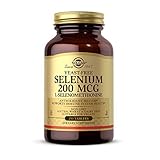


As an Amazon Associate, UsefulVitamins.com earns from qualifying purchases at no extra cost to you. We only recommend products supported by published research or third-party testing.
