
Affiliate disclosure: this article contains affiliate links. As an Amazon Associate, UsefulVitamins.com earns from qualifying purchases at no extra cost to you.
Tru Niagen and Elysium Basis are the two names most shoppers meet first when they go looking for an NAD+ booster. Both are built on the same molecule, nicotinamide riboside (NR), and both can point to real placebo-controlled human trials behind their NAD+ claims. The differences come down to dose, price, and one extra ingredient that deserves more scrutiny than it usually gets. We ran the label math and read the trials the same way we would before either bottle earned a spot in our own family's supplement drawer.
Before you decide
Some people should sit this whole category out. Skip both products if you are pregnant or nursing, under 18, or undergoing cancer treatment, since NAD+ metabolism is tangled up with cell growth and nobody has studied precursor supplements in those situations. If you take prescription medication, especially statins or blood pressure drugs, talk to your doctor first. Nothing here is medical advice.
Be clear-eyed about what the evidence actually shows. NR supplements reliably raise NAD+ levels in blood, and that is where the proof currently ends. No trial has shown that either product extends lifespan, prevents disease, sharpens memory, or reverses aging in any measurable way people care about. You are buying a biomarker change plus a plausible mechanism, at roughly $50 to $65 a month.
This comparison is for someone who has already read up on the category, perhaps starting with our full NAD+ supplements guide, and has decided an NR product is worth trying. If you are still deciding whether NAD+ precursors belong in your routine at all, our complete guide to longevity supplements is the better starting point.
What you're actually buying

Tru Niagen is the consumer brand of ChromaDex, the company that commercialized Niagen, a patented form of nicotinamide riboside chloride. Each capsule delivers 300 mg of Niagen, and the standard protocol is one capsule a day. The brand's product page lists third-party verification through Alkemist Assured, halal and kosher certification, and independent potency testing through ISO 17025 accredited labs. A 30-count bottle runs about $49 one-time as of August 2026, or about $39.20 on subscription.
Elysium Basis takes the same core molecule and pairs it with a second compound. A two-capsule daily serving supplies 250 mg of nicotinamide riboside plus 50 mg of pterostilbene, a polyphenol related to resveratrol. Basis is NSF Certified for Sport according to Elysium, which matters if you are a tested athlete, and the formula is vegan and gluten-free. A 30-day pouch costs about $65 one-time as of August 2026; Elysium sells cheaper monthly and prepaid subscriptions but does not publish those rates on the product page, so check the checkout price before committing.
The two brands share more history than either likes to advertise. Elysium originally bought its NR from ChromaDex, then the companies split around 2017 and spent years suing each other over patents and unpaid orders, with courts eventually invalidating key NR patents. Elysium now sources its nicotinamide riboside independently. For a buyer, the practical takeaway is simple: the active molecule is the same, the supply chains are different, and both companies have kept publishing human data.
That human data is the real reason these two brands lead the category. In an 8-week randomized trial in Scientific Reports, 300 mg of Niagen raised whole-blood NAD+ by 51% versus placebo, with no meaningful difference in adverse events. Elysium ran its own trial, published in npj Aging and Mechanisms of Disease, where the standard Basis dose raised NAD+ by roughly 40% and a double dose raised it about 90%, sustained across 8 weeks in 120 older adults. Earlier, a pharmacokinetic study in PLoS One found oral NR roughly doubled blood NAD+ in healthy volunteers. Both products do what they say on the biomarker level.
Head-to-head: dose economics and the pterostilbene question
Strip away the branding and the head-to-head is lopsided on dose. Tru Niagen gives you 300 mg of NR in one capsule for about $49 a month; Basis gives you 250 mg across two capsules for about $65. That is 20% more NR for roughly 25% less money, before subscription discounts widen the gap further. If NR is the ingredient you are paying for, Tru Niagen wins the arithmetic in every configuration we checked.
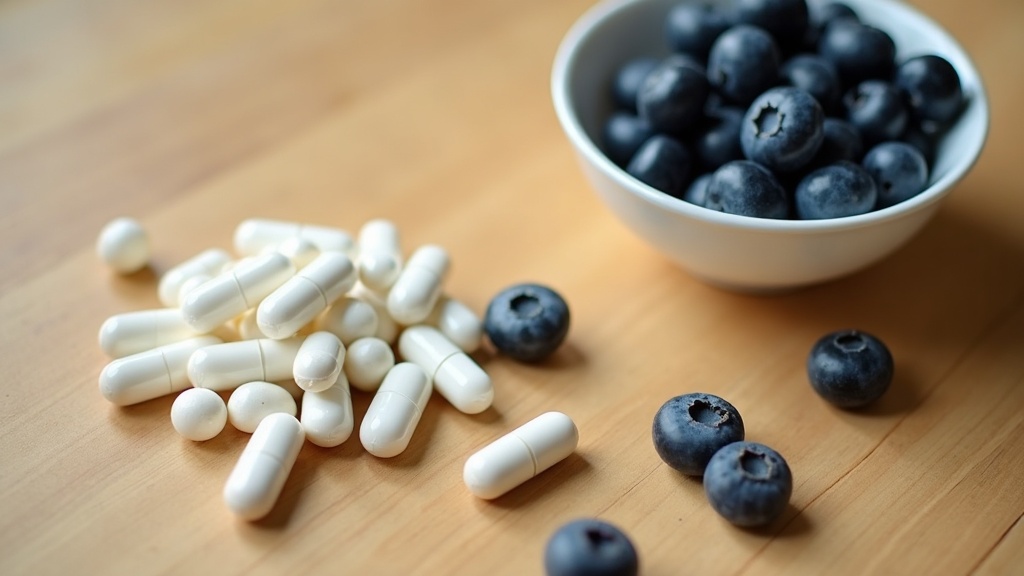
Elysium's counterargument is pterostilbene. It is a methylated cousin of resveratrol found in blueberries, absorbed better than resveratrol itself, and it activates sirtuin pathways in preclinical work. The theory is that raising NAD+ while nudging the enzymes that consume it makes the pair more useful than either alone. The theory is reasonable; the human outcome data behind it is thin. Elysium's own trial showed the combination raises NAD+, and it showed the combination is tolerable, and that is essentially the whole human file for the pairing.
There is also a finding worth knowing before you pay the premium. In a randomized controlled trial published in Evidence-Based Complementary and Alternative Medicine, adults with elevated cholesterol who took pterostilbene alone at 125 mg twice daily saw LDL cholesterol rise by 17.1 mg/dL from baseline, even as blood pressure improved. Basis contains 50 mg of pterostilbene per day, one fifth of that trial dose, and Elysium's 8-week study reported no serious adverse events. The fair reading is that the LDL signal probably does not apply at the Basis dose, and that anyone with borderline cholesterol should still get a lipid panel a few months in rather than assume.
The numbers side by side

| Spec | Tru Niagen 300 mg | Elysium Basis |
|---|---|---|
| NR per daily serving | 300 mg | 250 mg |
| Other actives | None | Pterostilbene 50 mg |
| Capsules per day | 1 | 2 |
| 30-day one-time price (Aug 2026) | About $49 | About $65 |
| Subscription price (Aug 2026) | About $39.20 (30 ct); about $101.60 for 90 ct | Lower than $65; exact rate shown at checkout, not published |
| Cost per gram of NR, one-time | About $5.44 | About $8.67 |
| NAD+ rise in its own trial | 51% at 300 mg (Scientific Reports, 2019) | About 40% at standard dose (npj Aging, 2017) |
| Third-party testing | Alkemist Assured; ISO 17025 lab verification; halal and kosher | NSF Certified for Sport (per Elysium) |
| Diet notes | Vegetarian, gluten-free | Vegan, gluten-free, nut-free |
One caution on reading that table: the two NAD+ percentages come from different trials with different populations and assays, so treat them as "both work" rather than "51 beats 40." Cross-trial percentage comparisons are directional at best. The pricing figures are what each brand's own site showed in August 2026 and both change with promotions.
Price per gram of NR: the honest math
Price per bottle hides the real spread, so we normalized both products to cost per gram of nicotinamide riboside. A one-time 30-count Tru Niagen bottle works out to about $5.44 per gram of NR ($49 for 9 grams). The 90-count subscription drops that to roughly $3.76 per gram, or about $1.13 a day at the standard 300 mg dose.
Basis lands at about $8.67 per gram of NR at the $65 one-time price ($65 for 7.5 grams). You are paying roughly 60% more per gram of the shared active, and the difference is the pterostilbene plus the brand. Standalone pterostilbene supplements sell for a fraction of that spread, so if you genuinely want both compounds, buying them separately is usually cheaper than the bundle.
There is no dosing trick that rescues the math either. If you wanted to match Basis's 250 mg from Tru Niagen you cannot split a capsule, but at 300 mg you are already above Basis's NR dose for less money. Going the other way, doubling Basis to hit the higher NAD+ response seen in Elysium's own trial would cost about $130 a month at one-time prices. Whatever dose you target, the cheaper route to that much NR runs through Tru Niagen.
Should the NR vs NMN debate change your pick?
Shoppers researching this pair inevitably run into NMN, the other famous NAD+ precursor, and wonder whether they are choosing the wrong molecule entirely. NMN sits one step closer to NAD+ in the salvage pathway, and advocates argue about transporters and conversion efficiency. Direct head-to-head human trials of NR versus NMN are still essentially absent, and both molecules raise NAD+ in people. We walk through the mechanistic arguments in our NMN vs NR bioavailability breakdown if you want the full picture.
For this particular decision the debate is a distraction. Both Tru Niagen and Basis are NR products, so the NMN question does not separate them. NR also has the tidier regulatory and safety file in the United States, with multiple published toxicology and tolerability studies, including a crossover trial in Nature Communications that found chronic NR supplementation well tolerated in healthy middle-aged and older adults. If you have settled on NR, you are choosing between these two on the numbers above: NR per dollar, and whether pterostilbene is worth the premium.
Who should pick Tru Niagen (and who Basis)
Tru Niagen is the default pick for most people. Choose it if your goal is the most nicotinamide riboside per dollar with the least ceremony: one capsule, 300 mg, about $49 one-time or $39.20 on subscription for a month, with the 90-count subscription pushing daily cost near $1.13. It also suits anyone who wants to experiment with the higher doses used in trials, since stacking capsules is cheap, and the Conze trial tested up to 1,000 mg daily without a safety signal.
Basis earns its premium for a narrower buyer. Choose it if you specifically want the NR plus pterostilbene combination in one serving and you value NSF Certified for Sport verification, which matters for tested athletes because that program screens for banned substances. The vegan capsule and the single-brand simplicity are real conveniences. Just go in knowing the pterostilbene dose is modest, the combination's added benefit over plain NR is unproven in humans, and you pay about 60% more per gram of NR for it.
If you are on a statin, have borderline lipids, or simply hate ambiguity, the LDL question tilts things further toward plain NR. The pterostilbene LDL finding came at five times the Basis dose, so it is a caution flag rather than a stop sign, but a flag you can avoid entirely by picking the single-ingredient product.
What to look for when buying
Whichever brand you land on, apply the same checklist. Confirm the NR milligrams per serving on the actual label, not the marketing page, and note that labels state nicotinamide riboside chloride, the stable salt form both trials used, so the numbers are comparable between these two brands. Avoid any "NAD+ blend" that hides its NR dose inside a proprietary mix.
Third-party testing is worth prioritizing in this category because NR is expensive to make and tempting to shortchange. Look for named programs (NSF, USP, Alkemist, or ISO 17025 lab verification) rather than a generic "lab tested" badge. Both products here clear that bar; many cheaper NR listings on marketplaces do not.
Finally, read the subscription terms before you click. Both brands price subscriptions well below one-time purchases, and both make the discount contingent on auto-renewal. Check the renewal price, not just the first-order price, confirm you can cancel online, and set a reminder to reassess after three months, which is long enough to judge tolerability and, if you are tracking lipids or other labs, to see whether anything moved.


As an Amazon Associate, UsefulVitamins.com earns from qualifying purchases at no extra cost to you. We only recommend products supported by published research or third-party testing.
FAQ
Can you take Tru Niagen and Basis together?
There is no point. Both supply the same active, so combining them just stacks NR at a higher price than buying more of either alone. If you want a higher NR dose, trials have tested up to 1,000 mg a day of Niagen with tolerability similar to placebo, so adding a second Tru Niagen capsule is the cheaper route.
Which product raises NAD+ more?
At label doses, the published numbers are close: 51% for 300 mg of Niagen and about 40% for the standard Basis dose, from separate trials that used different assays and populations. Per milligram of NR the products look roughly equivalent, which is what you would expect from the same molecule.
Is the pterostilbene in Basis safe?
At 50 mg a day, probably yes. The trial that found an LDL cholesterol increase used 250 mg a day, five times the Basis dose, and Elysium's 8-week study reported no serious adverse events. If you have high or borderline cholesterol, recheck a lipid panel after a few months rather than assuming.
Is NR better than NMN?
Nobody has run a convincing head-to-head in humans. Both raise NAD+, NR has the deeper safety file, and the mechanistic arguments cut both ways. Since both products in this comparison are NR, the debate does not change which of the two you should buy.
Will either supplement actually slow aging?
Unproven. NAD+ blood levels rise, and exploratory findings like the blood pressure signals in the Martens trial are interesting, and that is the honest ceiling of current evidence. No NR product has demonstrated effects on lifespan, disease risk, or day-to-day function in a definitive trial.
The bottom line
Tru Niagen and Elysium Basis sell the same verified molecule with the same honest limitation: NAD+ goes up, and proof of downstream benefit has not arrived. Tru Niagen delivers more NR per dollar in every configuration, which makes it the sensible default, at about $49 one-time or $39.20 monthly on subscription as of August 2026. Basis is the deliberate upgrade for people who want pterostilbene bundled in and NSF Certified for Sport paperwork, at about $65 and a 60% premium per gram of NR.
If you are still assembling the bigger picture, our best longevity supplements for 2026 ranks where NAD+ precursors sit against the rest of the field, and our look at whether spermidine is longevity hype applies the same evidence standard to the category's other darling. Buy the biomarker if you want to, with clear eyes and the cheaper bottle.
