
Menopause symptoms can feel unpredictable – one week it’s sleep, the next it’s hot flashes, mood swings, or stubborn weight changes. The good news is that menopause supplements can help when they’re chosen for your specific symptoms and backed by human research. This article lays out a practical, evidence-based protocol you can actually follow, including which ingredients have the best support, how long to trial them, and how to combine a few smart options without ending up with a counter full of half-used bottles.
Affiliate disclosure: this article contains affiliate links. As an Amazon Associate, UsefulVitamins.com earns from qualifying purchases at no extra cost to you.
Summary / Quick Answer: an evidence-based menopause supplement protocol
The most useful menopause supplements are the ones matched to your top 1-3 symptoms and taken consistently for 4-8 weeks before you judge results.
A simple, research-informed starter stack (choose 2-4):
- Vasomotor symptoms (hot flashes, night sweats): shatavari-based blends or soy isoflavones
- Sleep + stress: magnesium (especially if diet is low), plus a targeted botanical like saffron (trial-based)
- Mood + resilience: specific probiotics/postbiotics or black seed oil (early evidence)
- Bones (especially postmenopause): vitamin D3 (and calcium if intake is low)
- Skin, cognition, aging concerns: resveratrol (study-backed extracts)
How to use it:
- Trial one change at a time or introduce supplements 1-2 weeks apart.
- Use a 4-week symptom tracker, then reassess at 8 weeks.
- If you use HRT or have a history of estrogen-sensitive cancer, review ingredients with your clinician first.
Why menopause symptoms happen (and what supplements can realistically do)
If menopause feels like your body is “changing the rules,” that’s not your imagination. Fluctuating and then declining estrogen and progesterone can affect temperature regulation, sleep architecture, mood signaling, vaginal tissue, and bone turnover. But here’s the part that matters for supplement strategy: symptoms don’t all come from one pathway.
Think of menopause symptoms like a soundboard with multiple sliders:
- Vasomotor symptoms (hot flashes/night sweats) are closely tied to thermoregulation and estrogen signaling.
- Sleep and mood involve stress biology, neurotransmitters, and sometimes blood sugar swings.
- Bone loss accelerates due to changes in remodeling signals after estrogen drops.
- Skin and vaginal changes reflect collagen shifts and tissue hydration.
So the goal with supplements is not to “replace hormones” with pills. It’s to support the systems that take the biggest hit for you.
What the evidence landscape looks like right now
Menopause supplement research is growing, but it still has gaps. An industry analysis highlighted that preclinical menopausal models represent less than 1% of published aging biology research, which helps explain why many formulas feel repetitive or under-dosed. That same reporting also notes the market is expanding quickly as more women seek non-prescription options, especially in perimenopause, when symptoms can start years before a final period.
For readers who want a broader foundation, UsefulVitamins has a helpful overview of Hormonal Balance Supplements that explains how different nutrient and botanical categories fit together.
A “realistic expectations” checklist
Before you buy anything, use this quick filter:
| What you want | What’s realistic with supplements | What’s less realistic |
|---|---|---|
| Fewer hot flashes | Often possible with select botanicals/phytoestrogens | Instant, complete symptom removal |
| Better sleep | Possible, especially if magnesium/stress is a factor | Fixing sleep if apnea or severe insomnia is untreated |
| Better mood | Possible, especially with targeted botanicals/probiotics | Treating major depression without professional care |
| Stronger bones | Supportive (vitamin D, calcium, lifestyle) | Replacing osteoporosis medications when needed |
Actionable takeaway: pick one primary symptom to target first. You’ll choose better products and you’ll know what’s working.
Menopause supplements that have the best support for hot flashes and night sweats
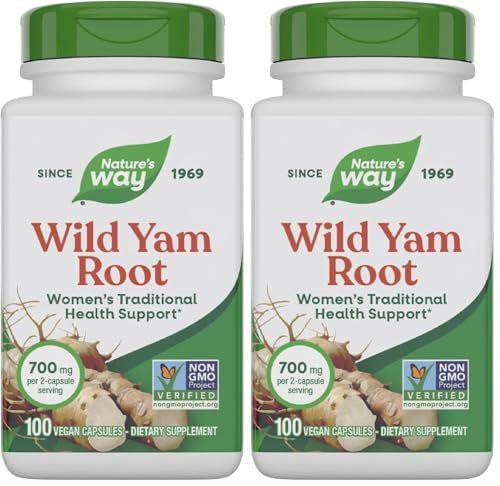
Nature’s Way Wild Yam Root Capsules,Women’s Traditional Health Support*,700 mg per 2-Capsule Serving,Non-GMO Project Verified,100 Vegan Capsules (Packaging May Vary),(Pack of 2)
Nature’s Way Wild Yam Root Capsules are offered as traditional women’s health support for menopause. Each 2-capsule serving provides 700 mg of wild yam root in a Non-GMO Project Verified vegan formula, with 100 capsules per bottle in a pack of 2. Scientific evidence for menopause symptom relief is limited.
Hot flashes and night sweats are often what push people to search for help fast. They can disrupt sleep, confidence, and work. The key is choosing ingredients with human clinical data, not just traditional use.
Option 1: Shatavari-based blends (emerging clinical support)
A proprietary blend featuring shatavari root and ashoka bark (ShataVida, 100 mg/day for 8 weeks) significantly improved menopause-related quality of life scores and reduced hot flash and night sweat severity in women with moderate-to-severe symptoms, while also improving sleep, fatigue, and sexual function. The report also noted increased estradiol levels, suggesting a hormone-linked mechanism. This outcome was summarized in an industry clinical review covered by NutraIngredients’ report on shatavari and menopause symptom support.
How to use it (practical):
- Trial length: 8 weeks
- Timing: often easiest with dinner (consistency matters more than timing)
- Best for: hot flashes/night sweats plus sleep disruption
Option 2: Soy isoflavones (best fit when phytoestrogens make sense)
Soy isoflavones are among the most studied non-hormonal options for vasomotor symptoms. Effects vary by person, partly because benefits may depend on whether you can produce S-equol, a gut-derived metabolite of soy isoflavones.
A market science summary highlighted ongoing interest in soy isoflavones for hot flashes and broader postmenopausal support, including skin and bone-related outcomes, and noted the emerging link between S-equol production and skin measures. See the overview in NutritionInsight’s women’s health supplement trends report.
How to use it (practical):
- Trial length: 6-12 weeks
- Best for: hot flashes, especially if you prefer food-forward options (soy foods) or tolerate soy well
- Pro tip: pairing with a probiotic strategy may help some people, since equol production depends on gut ecology
Quick “hot flash stack” builder (choose one core + one support)
- Core: shatavari blend or soy isoflavones
- Support: magnesium (if sleep is disrupted) or a targeted probiotic/postbiotic (if stress and gut issues are prominent)
If you’re also using hormone therapy or considering it, read Menopause Supplements HRT Interference to understand common interaction concerns and what to ask your clinician.
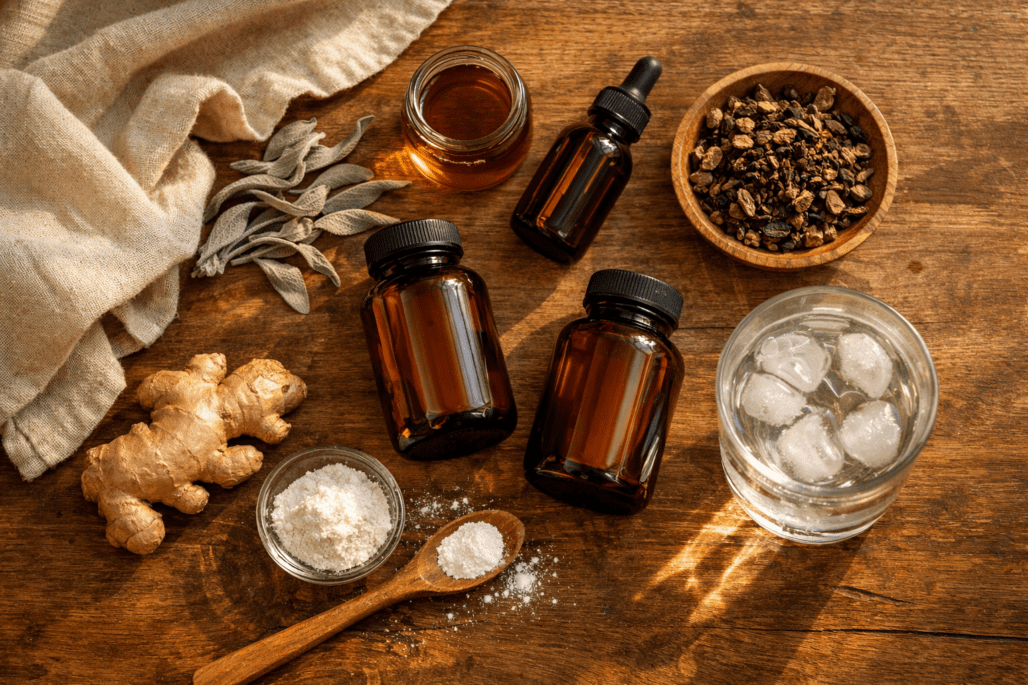
Visual idea (alt text): “Chart showing a 3-step process for choosing menopause supplements for hot flashes: pick symptom, choose evidence-based core ingredient, add one support supplement.”
A symptom-based protocol for sleep, mood, libido, and stress (without a 12-pill routine)
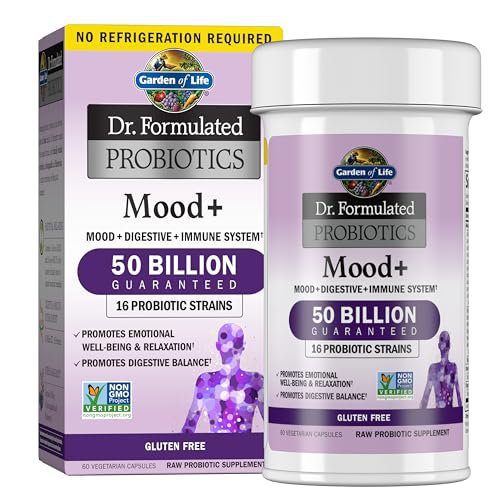
Garden of Life Dr. Formulated Probiotics Mood+ – 50 Billion CFU – Supports Relaxation & Digestive Health – Shelf Stable – 60 Vegetarian Capsules
This probiotic delivers 50 billion CFU across 16 strains, including clinically studied L. helveticus R0052 and B. longum R0175 formulated for mood and relaxation support. The formula adds 350mg of organic ashwagandha and organic Alaskan blueberries for stress management, with a shelf-stable formulation in 60 vegetarian capsules.
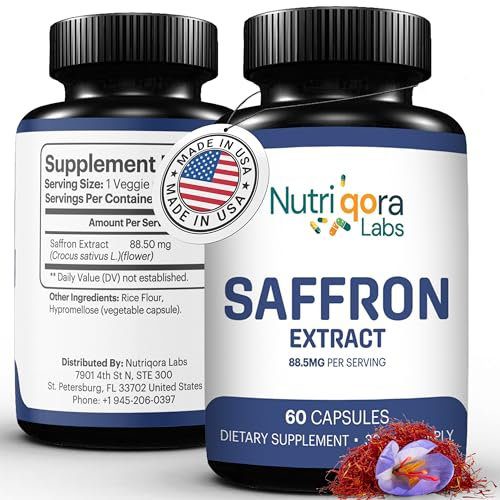
NUTRIQORA LABS Saffron Supplements – 60 Vegan Capsules | 88.5 mg Saffron Extract per Serving | Non-GMO, Plant-Based Formula | Safron Supports Mood Balance, Emotional Well-Being & Eye Health
NUTRIQORA LABS delivers 88.5 mg of saffron extract per capsule in a vegan format, matching the dose range used in clinical research for mood and eye health support. The formula is non-GMO and plant-based, though real-world effectiveness depends on whether the product contains what it claims—a significant quality control issue across the saffron supplement market.
Many people start with hot flashes, then realize the bigger issue is sleep, irritability, or feeling “wired but tired.” This is where a protocol helps because it keeps you from chasing symptoms randomly.
Step 1: Pick your “top two” symptoms
Use this short list and circle two:
- Trouble falling asleep vs waking at 2-4 a.m.
- Anxiety/irritability vs low mood
- Low libido or discomfort
- Stress cravings or weight changes
Step 2: Match ingredients to the symptom pattern
Here are options with human data mentioned in women’s health ingredient reporting:
Sleep + mood
- Saffron extract has been studied for mood and sleep-related outcomes in some populations, and is being used in women’s health formulas. The trend summary in NutritionInsight’s women’s health supplement coverage discusses its role in menopause-adjacent symptom support.
- Probiotics/postbiotics: Certain strains and postbiotics have been studied for stress and emotional parameters in menopausal women, including Lactobacillus gasseri CP2305 postbiotic in published research summaries and industry reviews.
If sleep is your main complaint, magnesium is a sensible foundational option, especially if diet is low in magnesium-rich foods. UsefulVitamins breaks down forms and dosing in Magnesium Supplement For Sleep.
Libido + sexual function Ingredient reporting highlights fenugreek extracts and other botanicals used in women’s sexual health formulas, often with trial periods of 4-12 weeks. Libido is multi-factorial, so it helps to also address sleep quality and vaginal comfort.
Stress physiology A women’s health ingredient trend report noted black seed oil (standardized) findings including a meaningful cortisol reduction and mood improvements in a supplementation context. While this is still early-stage compared to more established nutrients, it’s a good example of why standardization and dosing matter.
For readers building a broader stress plan, Supplements for Stress Relief explains what tends to work best depending on whether your stress shows up as tension, fatigue, or sleep disruption.
Step 3: Use a “minimum effective stack”
To reduce pill fatigue, aim for 2-4 products total:
- One “core” ingredient for your main symptom
- One “support” ingredient (sleep, stress, gut)
- One “foundation” nutrient if you’re likely low (vitamin D, magnesium, B12)
- Optional: skin/cognition add-on (resveratrol) if it matches your goals
Visual checklist (use as your tracker):
- Week 0: record baseline (hot flashes/day, sleep hours, mood rating 1-10)
- Week 2: check tolerance, adjust timing
- Week 4: look for early signal (10-30% improvement counts)
- Week 8: decide keep/stop/swap
Actionable takeaway: if you don’t track anything, track hot flashes per day and sleep quality. Those two tend to reflect overall improvement fastest.
Bone, heart, and “quiet” menopause goals: vitamin D, resveratrol, and smart basics
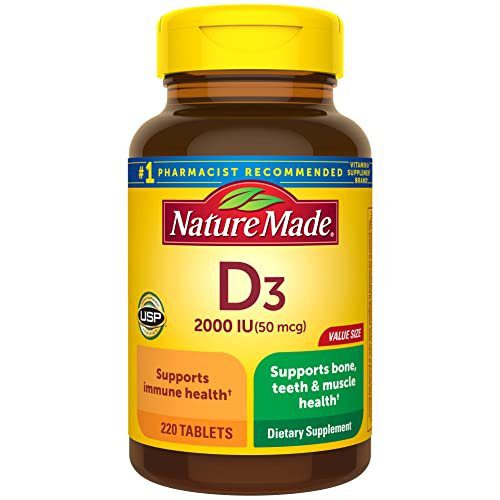
Nature Made Vitamin D3 2000 IU (50 mcg), Vitamin D Supplement for Bone, Teeth, Muscle and Immune Health Support, 220 Tablets, 220 Day Supply
Nature Made Vitamin D3 2000 IU delivers the dose that research suggests is most effective for menopausal women—one softgel daily for 220 days. Vitamin D3 supports bone density, muscle function, and immune health during a life stage when the body becomes less efficient at producing and absorbing it.
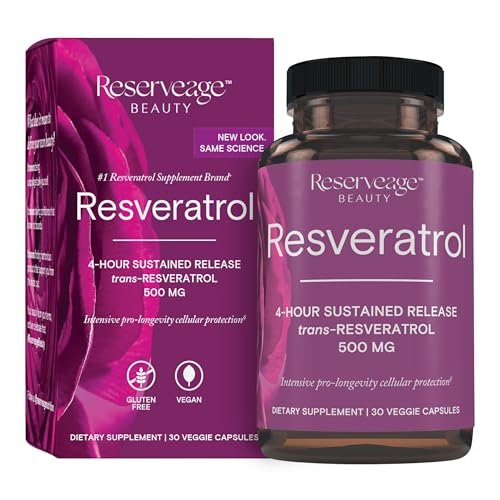
Reserveage Beauty, Resveratrol 500 mg, Antioxidant Supplement for Heart and Cellular Health, Supports Healthy Aging and Immune System, Paleo, Keto, 30 Capsules
Reserveage Nutrition Resveratrol 500 mg, 30 Capsules provides high-potency antioxidant support for heart and cellular health, healthy aging, and immune function in a paleo- and keto-friendly veggie capsule formula sourced from wildcrafted knotweed. Users report benefits like improved energy, skin texture, and vitality from its clean, trans-resveratrol blend with quercetin for enhanced activity. Though on the pricier side with a small 30-capsule supply, it suits those prioritizing premium quality over generics.
Not all menopause goals are symptom-driven. Some are prevention-driven – especially bone health. Estrogen decline accelerates bone turnover, and bone density can drop faster in the early postmenopausal years.
Vitamin D3: boring, but high-impact when you’re low
Vitamin D supports calcium absorption and bone remodeling. It’s also commonly low in adults who get limited sun exposure. A consumer health evidence review discusses vitamin D’s role in menopause-related health priorities, including bone support, in Innerbody’s evidence-informed menopause supplement overview.
Practical use:
- Many general guidelines suggest around 20 mcg (800 IU)/day for adults, but ideal dosing depends on blood levels, diet, sun exposure, and clinician guidance.
- Consider checking 25(OH)D on labs, especially if you have bone loss risk factors.
For a life-stage nutrient refresh, Best Vitamins For Women In Their 40s covers common gaps that show up in perimenopause, including vitamin D, B12, and magnesium.
Resveratrol: promising for cognition, bones, and skin (extract quality matters)
Resveratrol has been studied for several menopause-adjacent outcomes. Industry summaries describe benefits observed in large studies using standardized extracts (often branded), including cognition and bone-related measures, plus skin-focused outcomes in more recent trials. See the ingredient trend discussion in NutritionInsight’s report on women’s health supplement research directions.
How to think about it:
- Best for: women who care about “whole-body” aging markers (bones, cognition, skin)
- Trial length: often 8-12 weeks for subjective outcomes, longer for bone-related endpoints
A simple “bones + aging” supplement framework
| Goal | Supplement category | What to check first |
|---|---|---|
| Bone density support | Vitamin D3, calcium if intake is low, strength training | Vitamin D blood level, dietary calcium |
| Skin aging support | Resveratrol, phytoestrogens for some | Sun exposure, protein intake |
| Heart/metabolic support | Lifestyle first, then targeted nutrients | Blood pressure, lipids, glucose |
Actionable takeaway: if you only add one foundational supplement, choose the one you’re most likely deficient in – and confirm with labs when possible.
Common myths about menopause supplements (and what to do instead)
Menopause marketing often makes two opposite mistakes: “nothing works” or “this one product fixes everything.” The truth is in the middle.
Myth 1: “All menopause supplements are basically the same”
Reality: many products share buzzwords, but only a smaller group of ingredients has human trial support for specific symptoms. Ingredient standardization, dose, and trial length matter more than a long label.
What to do instead (label checklist):
- Look for a standardized extract (not just a plant powder)
- Look for a daily dose that matches clinical use when available
- Avoid stacking multiple phytoestrogens at high doses without guidance
Myth 2: “You need high doses to get results”
Reality: some blends show symptom improvements at relatively low doses, which is helpful when you’re building a multi-ingredient approach and trying to keep pill count manageable. The clinical summary covered in NutraIngredients’ report on ShataVida and menopause outcomes is one example where a low daily dose was used.
Myth 3: “Vitamin D is only about bones”
Reality: bone is the main evidence-based reason to care, but vitamin D status also correlates with broader health markers. It’s not a cure-all, but it’s a common, fixable gap.
Myth 4: “Supplements can replace medical care or HRT”
Reality: supplements can be supportive, especially for mild-to-moderate symptoms or as part of a broader plan. But severe vasomotor symptoms, depression, heavy bleeding in perimenopause, or osteoporosis risk may require medical treatment.
A practical next step if you’re on hormones: review Menopause Supplements HRT Interference and bring your full supplement list to your next visit.
Visual idea (alt text): “Myth vs fact graphic about menopause supplements: effectiveness varies, low doses can work, supplements complement medical care.”
If you are stacking a few supplements for this, StackMyMed (our companion app) tracks what you actually take, schedules the best time for each one, and flags any combinations worth a second look.
Conclusion: a smarter way to choose menopause supplements
The most effective menopause supplement plan is symptom-led, simple, and trackable. Start by choosing one main target (hot flashes, sleep, mood, libido, or bone support), then trial 2-4 well-chosen ingredients for 4-8 weeks before you decide if it’s working. Favor products built around clinically studied botanicals (like shatavari blends or soy isoflavones for vasomotor symptoms) and don’t skip basics like vitamin D or magnesium when they’re likely low.
Next steps: If sleep is your biggest quality-of-life issue, use Magnesium Supplement For Sleep to pick a form and dose you’ll tolerate. If you want to zoom out and build a broader plan, Hormonal Balance Supplements can help you map options to your specific menopause phase and goals.
As an Amazon Associate, I earn from qualifying purchases. Product recommendations are based on real reviews and independent research.
