
If you’re considering mushroom supplements, the most important thing to know is this: the best-supported benefits relate to immune function and antioxidant support, while cancer and brain-health claims are promising but not proven as treatments. This guide breaks down what the research actually shows, which mushroom types are most studied, and how to choose a product that matches your goal (and avoids common quality traps). You’ll also learn when food is the smarter option, what “fruiting body” really means, and how to use these supplements safely alongside medications.
Affiliate disclosure: this article contains affiliate links. As an Amazon Associate, UsefulVitamins.com earns from qualifying purchases at no extra cost to you.
Summary / Quick Answer: Are mushroom supplements worth it?
Mushroom supplements may be worth trying if you want targeted immune support, antioxidant intake, or a convenient way to use specific medicinal mushrooms you don’t eat often. They are not cures for cancer, dementia, or any disease.
Here’s the practical, science-aligned way to think about mushroom supplements:
- Most evidence-backed “why”: immune support and antioxidant activity (beta-glucans, ergothioneine).
- Most realistic “what to expect”: subtle, gradual effects over weeks, not a quick fix.
- Best first step: eat mushrooms regularly, then consider supplements for specific varieties.
- Quality matters a lot: look for fruiting body, beta-glucan testing, and contaminant screening.
- Safety: avoid if you’re immunosuppressed unless your clinician approves; use caution with blood thinners and diabetes meds.
If you’re exploring specific categories, start with UsefulVitamins’ guides to Functional Mushrooms and Medicinal Mushroom Chart.
What the science says about mushroom supplements (and what it doesn’t)
Many people buy mushroom products hoping for big outcomes: fewer colds, better focus, “immune resilience,” or even cancer protection. The research is active, but it’s uneven. Some findings are strong enough to guide practical choices; others are early-stage, observational, or limited to lab and animal work.
A helpful way to interpret the evidence is to separate dietary mushroom intake from concentrated extracts. Studies on eating mushrooms regularly often show associations with better health markers. Supplement studies can be more targeted, but product quality varies widely, which can blur results.
The most cited benefits: antioxidant and immune activity
Mushrooms contain compounds that may support immune signaling and protect cells from oxidative stress. Two standouts are:
- Ergothioneine and glutathione: antioxidants mushrooms provide in meaningful amounts. A clinical overview from Cedars-Sinai on mushroom nutrition and health highlights these as key protective compounds.
- Beta-glucans (polysaccharides): fibers that interact with immune receptors and may influence immune response.
Think of beta-glucans like “training inputs” for the immune system. They don’t act like antibiotics. They may help your immune system respond more appropriately, especially under stress or during seasonal challenges.
Cancer-related research: promising, not a standalone therapy
Two frequently shared data points deserve context:
- A review of 17 studies reported that eating about 18 grams of mushrooms per day (roughly two medium mushrooms) was associated with up to a 45% lower cancer risk. UCLA Health summarizes this evidence in its overview of mushrooms and health benefits.
- In integrative oncology, certain mushroom-derived products (especially from reishi) have been studied as supportive care in some settings. The National Cancer Institute’s PDQ summary on medicinal mushrooms explains what’s known and what remains uncertain.
Important reality check: according to Cancer Research UK’s review of mushrooms in cancer care, there isn’t enough evidence to say any mushroom prevents or cures cancer. That doesn’t mean “no benefit.” It means supplements should be viewed as adjunctive at best, never a replacement for treatment.
Brain and cognition: encouraging observational data
One well-known observational study found that people who ate more than two cups of mushrooms per week had a lower risk of mild cognitive impairment, with benefits seen even around one cup weekly. UCLA Health discusses these findings in its mushroom benefits overview.
Observational data can’t prove cause and effect, but it can guide low-risk habits. If your goal is cognitive support, it’s also worth reading about Nootropic Mushrooms to understand which varieties are most commonly used for focus and memory.
Quick evidence map (visual guide)
| Goal | Evidence strength (overall) | Best first move |
|---|---|---|
| Immune support | Moderate | Regular dietary mushrooms; consider beta-glucan-tested extracts |
| Antioxidant support | Moderate | Mix of common mushrooms (oyster, cremini, shiitake) |
| Cognitive support | Early to moderate | Weekly mushroom intake; consider lion’s mane with realistic expectations |
| Cancer prevention/support | Early to moderate | Diet patterns matter; supplements only with medical guidance |
Mushroom supplements guide: types, forms, and what “quality” really means
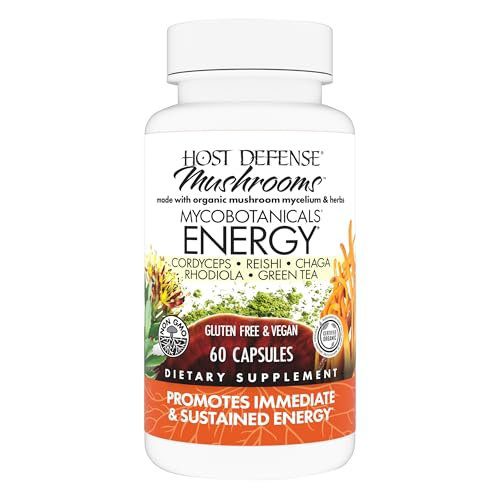
Host Defense MycoBotanicals Energy* Capsules – Energy & Respiratory Support Supplement – Herbal Green Tea Capsules – Respiratory Supplement with Cordyceps, Reishi & Chaga – 60 Capsules (30 Servings)*
Host Defense MycoBotanicals Energy combines cordyceps, reishi, and chaga mushrooms with rhodiola, green tea, and eleuthero to support both immediate and sustained energy while promoting respiratory and cardiovascular function. The formula uses certified organic mushroom mycelium and comes in a 60-capsule bottle (30 servings at 2 capsules daily).
The supplement aisle makes mushrooms look simple. In practice, product labels can hide major differences in potency and purity. The same mushroom name can represent very different ingredients.
Start with this: mushrooms have two main parts used in products.
- Fruiting body: the part you recognize as a mushroom.
- Mycelium: the root-like network, often grown on grain.
Neither is automatically “bad,” but they are not identical. Mycelium-on-grain products may contain substantial starch from the growth substrate, which can dilute mushroom-specific compounds.
Common forms you’ll see
Each form fits a different need, budget, and sensitivity.
- Powders: often whole mushroom; milder, food-like approach.
- Hot-water extracts: better for beta-glucans (immune-focused).
- Dual extracts (water + alcohol): used to capture a broader range of compounds.
- Capsules/tablets: easiest dosing, but you rely heavily on manufacturer testing.
- Tinctures: variable strength; check extraction details.
If you’re new, a simple rule helps: choose the form that matches the claim. Immune claims usually require reliable beta-glucan content, which is more consistent in well-made extracts.
What to look for on the label (and what to avoid)
Quality signals are surprisingly concrete. You’re looking for transparency and third-party verification.
High-quality indicators
- States fruiting body clearly (or clearly explains mycelium sourcing)
- Lists beta-glucans (not just “polysaccharides”)
- Provides lot-specific testing for heavy metals and microbes
- Identifies the mushroom species (for example, Ganoderma lucidum for reishi)
Red flags
- “Proprietary blend” with no amounts
- Only “polysaccharides” listed – this can include cheap starches
- No contaminant testing (mushrooms can bioaccumulate heavy metals)
- Wild health claims like “cures tumors” or “reverses dementia”
Choosing a mushroom by your goal
Different species are used for different reasons. Use this as a starting point, then cross-check with your personal needs and medications.
Goal-to-mushroom match (visual shortcut)
| Goal | Often-used mushrooms | Notes |
|---|---|---|
| Immune support | Turkey tail, reishi, shiitake | Look for beta-glucan testing |
| Energy and exercise | Cordyceps | Effects vary; start low |
| Stress and sleep | Reishi | Often used in evening routines |
| Focus and memory | Lion’s mane | More common in nootropic stacks |
| General nutrition | White button, cremini, oyster | Food-first approach works well |
For a broader overview, UsefulVitamins’ Adaptogenic Mushrooms guide can help you understand how “adaptogen” is used (and sometimes misused) in supplement marketing.
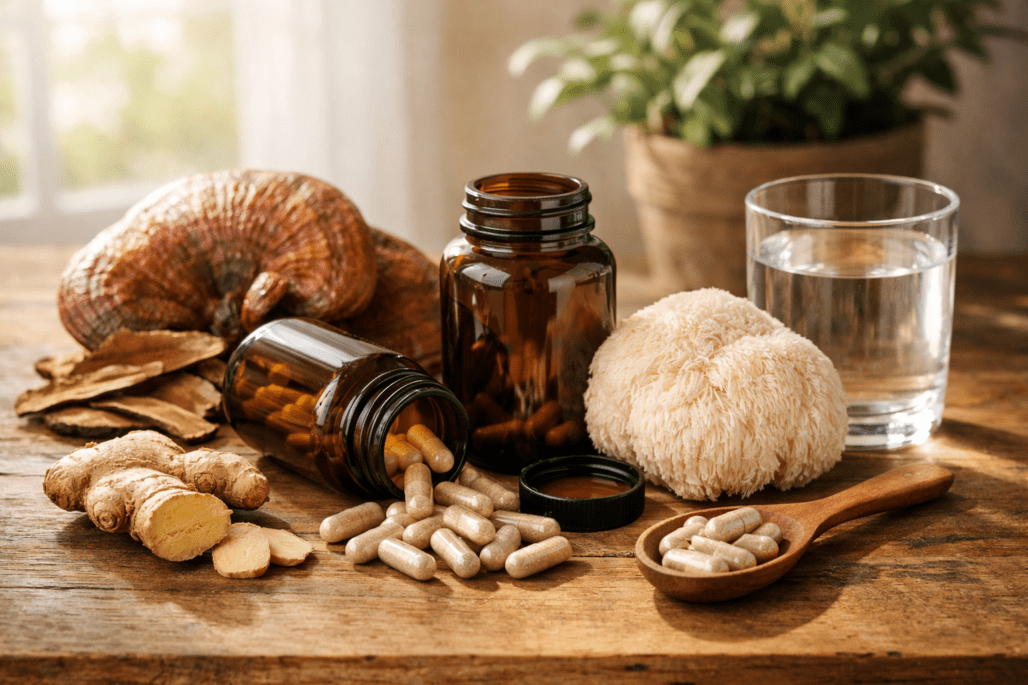
Suggested image alt text: “mushroom supplements guide showing fruiting body vs mycelium and common supplement forms”
How to use mushrooms for immune and brain support (food vs. supplements)
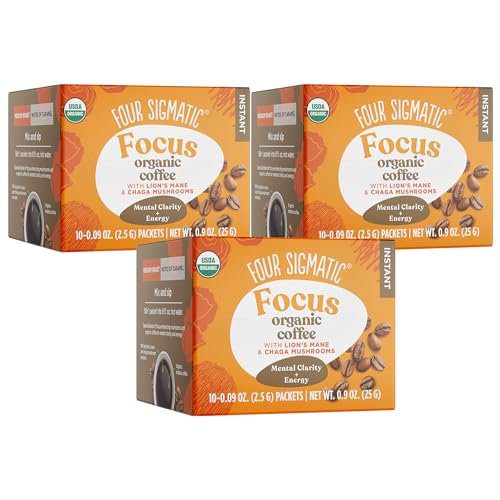
Four Sigmatic Mushroom Mix Coffee Lion’s Mane | Focus | Pack of 3 (30 Packets Total)
Four Sigmatic’s Focus blend combines organic instant coffee with 500mg of lion’s mane and chaga mushroom extract in single-serve packets, designed to deliver mental clarity and sustained energy without the jitters of regular coffee. The 30-packet box (3 packs of 10) offers a lower-caffeine option for those looking to add functional mushrooms to their morning routine.
If you only take one practical idea from this article, make it this: food builds the foundation; supplements are for targeting. Many of the most compelling population-level findings involve people who simply eat mushrooms regularly.
Food-first: realistic amounts that show up in research
Two intake patterns are often referenced in public health summaries:
- About 18 grams daily (roughly two medium mushrooms) is the amount linked with lower cancer risk in a large review summarized by UCLA Health in its mushrooms and cancer-risk discussion.
- One to two cups weekly is the pattern associated with cognitive benefits in observational research, also covered in UCLA Health’s mushroom benefits overview.
This doesn’t mean you need perfect consistency. It means small, repeatable habits can matter.
Easy “weekly mushroom plan” (visual meal list)
- Add sliced cremini to eggs twice per week
- Use shiitake in a stir-fry once per week
- Toss oyster mushrooms into soup or ramen once per week
- Keep frozen mixed mushrooms for fast meals
When supplements make more sense
Supplements can be useful when:
- You want specific species (like turkey tail or cordyceps) that are hard to cook with.
- You need consistency in dosing (travel, busy schedules).
- You’re using mushrooms for a narrow goal (for example, stress support with reishi).
If anxiety support is your focus, it can help to compare options in UsefulVitamins’ guide to the Best Mushroom for Anxiety, especially since “calming” blends often combine multiple ingredients.
What about white button mushroom supplements?
White button mushrooms are not “exotic,” but they’re surprisingly studied. A report on a phase 2 clinical trial described by ecancer news coverage of City of Hope research noted changes in immune cells (MDSCs) relevant to prostate cancer biology. This is interesting science, but it’s still not a reason to self-treat.
A safer takeaway: if you want a low-cost, low-risk starting point, regular dietary mushrooms (including white button) are a smart baseline. Then you can decide if a targeted extract is worth adding.
Supplement routine example (visual schedule)
- Morning: cordyceps (if tolerated) for energy-focused users
- Midday: lion’s mane for cognition-focused users
- Evening: reishi for wind-down routines
This is not a prescription. It’s an example of how people commonly structure use.
Safety, interactions, and the biggest misconceptions (so you don’t waste money)
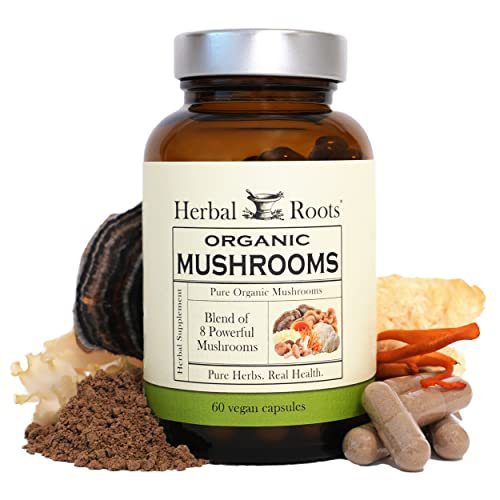
Herbal Roots Organic 8 Mushroom Blend Supplement Capsules – 100% Fruiting Body Extracts – Wellness and Immunity – 60 Vegan Capsules
Herbal Roots packages eight organic mushroom extracts—reishi, lion’s mane, cordyceps, chaga, turkey tail, maitake, shiitake, and snow fungus—in vegan capsules, with a standard dose of two capsules daily. The blend is formulated for immune support and general wellness, though the specific potency per serving and third-party testing details aren’t specified in available product information.
Mushrooms are foods, but concentrated extracts are different. If you’re taking medications or managing a condition, the safest approach is to treat mushroom supplements like any other bioactive product: start low, track responses, and involve your clinician when risk is higher.
Misconception: “Natural” means risk-free
Mushroom products can cause side effects, especially in higher doses or in sensitive users. The most common issues reported anecdotally include:
- GI upset (bloating, nausea)
- Headache
- Skin reactions (rare)
- Sleep changes (some feel sedated with reishi; others feel wired with cordyceps)
If you notice symptoms, stop and reassess. Many issues improve by lowering the dose or switching forms.
Misconception: supplements can replace medical care
This matters most in cancer care. The National Cancer Institute’s PDQ on medicinal mushrooms and Cancer Research UK’s evidence review both emphasize uncertainty and the need for professional guidance. Supplements may play a supportive role for some people, but they should not displace standard treatment.
Medication and condition cautions
Talk to a clinician before using mushroom supplements if any of these apply:
- You take blood thinners or have a bleeding disorder
- You use diabetes medications (some extracts may affect glucose)
- You take immunosuppressants or have an autoimmune condition
- You’re pregnant or breastfeeding (safety data is limited)
- You have upcoming surgery (many clinicians advise stopping supplements beforehand)
A practical quality checklist you can screenshot
This helps reduce the “expensive placebo” problem.
Buyer checklist (visual list)
- Product identifies species and part used (fruiting body vs mycelium)
- Beta-glucans listed with a percentage or mg amount
- Third-party testing for heavy metals and microbes
- Clear serving size and extract ratio (if applicable)
- Claims stay realistic (no cure language)
If you want a quick way to compare species and typical uses, the Medicinal Mushroom Chart can help you narrow choices without relying on marketing claims.
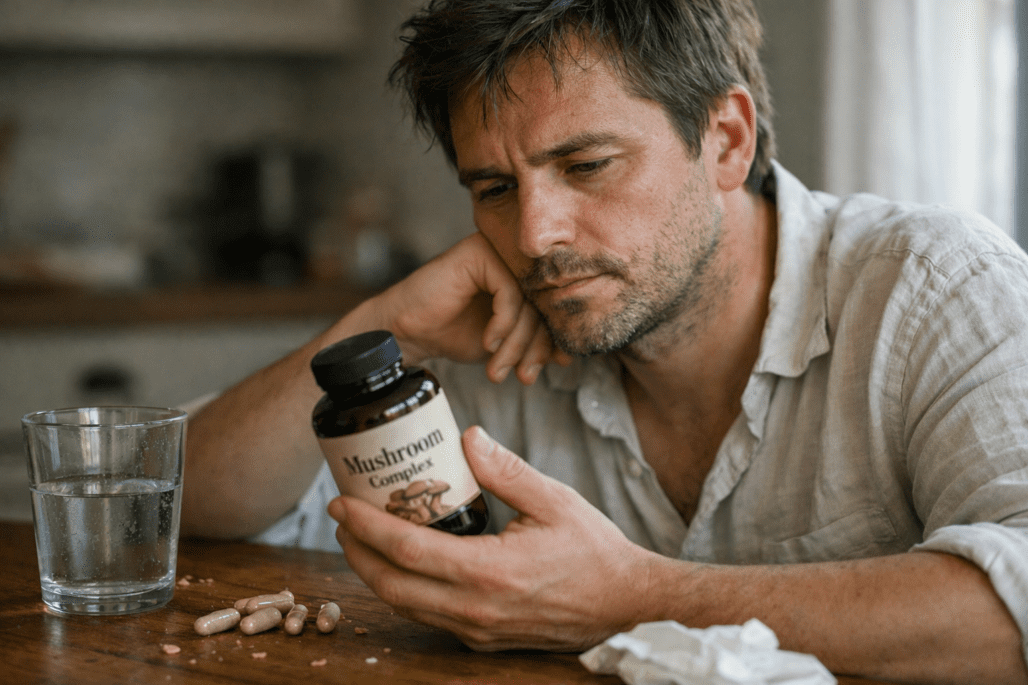
Suggested image alt text: “checklist for choosing quality mushroom supplements including beta-glucans, fruiting body, and third-party testing”
Taking this alongside other products? StackMyMed (our companion app) logs your full stack, finds the optimal timing for each dose, and flags interactions, so you are not tracking it all by hand.
Conclusion: the smartest way to approach mushroom supplements
Mushroom supplements can be a reasonable add-on for immune support, antioxidant intake, and targeted goals like stress or focus – but they work best when expectations are realistic and product quality is verified. The strongest, lowest-risk move is still dietary: eat mushrooms consistently, then use supplements to reach specific varieties or standardized extracts you can’t easily get from food.
Next step: choose your goal, pick one mushroom to trial for 4 to 8 weeks, and track a simple outcome (sleep quality, frequency of colds, or focus). For deeper comparisons, explore UsefulVitamins’ guides to Functional Mushrooms and Nootropic Mushrooms to find the best match for your needs.
As an Amazon Associate, I earn from qualifying purchases. Product recommendations are based on real reviews and independent research.
