
If you are considering magnesium for heart health, the most evidence-backed reasons are pretty practical: it can modestly lower blood pressure, support normal heart rhythm, and help cover a common dietary shortfall. The catch is that the “best” magnesium depends on your goal (blood pressure, palpitations, medication side effects, constipation) and your tolerance. This guide breaks down what research actually shows, which forms tend to be easier on the gut, what doses are realistic, and when magnesium is not a DIY fix.
Affiliate disclosure: this article contains affiliate links. As an Amazon Associate, UsefulVitamins.com earns from qualifying purchases at no extra cost to you.
Summary / Quick Answer: Is magnesium good for heart health?
Yes – magnesium for heart health is supported by research, mainly for blood pressure and rhythm support, especially if intake is low. The best choice depends on your needs:
- For general cardiovascular support: aim to meet the RDA from food first; consider 200-400 mg/day elemental magnesium if your diet is low.
- For blood pressure support: studies often use ~300-500 mg/day and show small but meaningful reductions in BP for some people.
- For “gentler” digestion: magnesium glycinate is often better tolerated than oxide.
- For constipation + magnesium: magnesium citrate can help, but it is more likely to loosen stools.
- If you have kidney disease or take heart meds: talk with your clinician first. Magnesium can interact with some medications and can be risky with impaired kidney function.
If you want a broader supplement plan beyond magnesium, see the Heart Health Supplement Protocol.
Magnesium for Heart Health: What the Research Actually Shows (and What It Doesn’t)
Magnesium is not a “heart vitamin,” but it behaves like one in a few key systems. It helps regulate vascular tone, supports electrical conduction in heart muscle, and influences how cells handle sodium, potassium, and calcium. That combination is why magnesium shows up in studies on blood pressure, arrhythmias, and heart failure outcomes.
1) Blood pressure: small drops that can matter
Meta-analyses and clinical trials suggest magnesium supplementation can modestly reduce blood pressure, particularly in people with hypertension or low intake. A research review in Nutrients (PubMed Central) summarizes trials where magnesium intakes in the 500-1,000 mg/day range were associated with average reductions around 5.6/2.8 mm Hg in some analyses. Not everyone sees that result, and dose and form vary widely across studies.
Think of magnesium like improving the “baseline settings” of your blood vessels rather than acting like a fast-acting medication. For people already on treatment, magnesium may act as a supportive layer, not a replacement. If that’s your situation, the medication angle matters – here’s a deeper look at Magnesium Blood Pressure Medication.
2) Heart rhythm: strongest evidence in clinical settings
Magnesium’s role in cardiac electrophysiology is well established. In hospitals, intravenous magnesium sulfate is used in specific rhythm situations (under monitoring). A broad review in PubMed Central discusses magnesium’s use in arrhythmia contexts, including post-cardiac surgery rhythm issues and atrial fibrillation management in certain protocols.
For everyday supplementation, the evidence is less direct: oral magnesium is not a guaranteed fix for palpitations. But if someone is low in magnesium, repletion may reduce ectopic beats or “skipped beat” sensations. The key is identifying whether low intake, diuretics, GI losses, or other factors are driving the issue.
3) Heart failure outcomes: promising observational data
One of the more attention-getting findings comes from a large VA analysis of nearly 20,000 Veterans with heart failure, where magnesium supplementation was associated with a 19% lower risk of hospitalization or death. The VA summary notes stronger associations in adults aged 80+ and with sustained use, but it is still observational, not proof of cause and effect. See the VA research brief on magnesium and heart failure.
4) What magnesium probably can’t do on its own
Even with encouraging findings, it has not been conclusively proven that magnesium intake alone prevents coronary heart disease, stroke, or chronic arrhythmias in the general population. The most consistent benefits appear when magnesium corrects a shortfall and supports established risk-reduction basics like diet quality, movement, sleep, and medication adherence when needed.
Visual: Evidence snapshot (how strong is the data?)
| Outcome | What studies suggest | How strong? | Practical takeaway |
|---|---|---|---|
| Blood pressure | Modest reductions in some groups | Moderate | Consider if BP is borderline/high and intake is low |
| Arrhythmias (hospital use) | IV magnesium can help certain rhythms | Strong (clinical use) | Not a DIY approach; oral magnesium is different |
| Heart failure outcomes | Supplement use linked to lower events | Emerging | Promising, but not definitive |
| CVD mortality (dietary intake) | Higher intake linked to lower risk | Moderate | Food-first magnesium is consistently favorable |
How Magnesium Works in the Cardiovascular System (Simple, Not Simplistic)

Nature Made Magnesium Citrate 250 mg per serving, Magnesium Supplements for Men and Women, Support for Muscle, Nerve, Bone and Heart, 120 Softgels, 60 Day Supply
Nature Made Magnesium Citrate 250 mg softgels deliver 250 mg per 2-softgel serving in a highly absorbable citrate form, supporting muscle relaxation, nerve, bone, and heart health. The 120-softgel bottle provides a 60-day supply with no synthetic dyes, artificial flavors, or gluten. Take 2 daily with water and a meal, consulting a physician if you have kidney issues or take certain medications.
Magnesium’s heart connection can feel mysterious until you picture what it’s doing at the cell level. Your heart beats because ions move in and out of cells in a tightly controlled sequence. Magnesium helps keep that “electrical traffic” organized.
Magnesium as a natural calcium channel modulator
Magnesium is often described as a natural calcium channel blocker. That does not mean it replaces prescription calcium channel blockers. It means magnesium can influence calcium’s movement and effects in ways that may support relaxation of blood vessels and steadier electrical conduction. The mechanistic overview in Nutrients (PubMed Central) explains how magnesium affects vascular tone, nitric oxide signaling, and endothelial function.
The sodium-potassium-magnesium triangle
Blood pressure and rhythm are not “one mineral problems.” Magnesium interacts with sodium and potassium handling inside cells. When magnesium status is low, cells may handle calcium and potassium less efficiently, which can contribute to irritability in muscle tissue, including cardiac muscle.
A useful mental model:
- Sodium tends to pull water into the bloodstream and raise pressure.
- Potassium supports healthy vascular tone and counterbalances sodium.
- Magnesium helps the system run smoothly, supporting potassium balance and moderating calcium-driven contraction.
Nitric oxide and blood vessel flexibility
Nitric oxide is one of the body’s key signals for vasodilation. Some research suggests magnesium can increase nitric oxide availability and improve endothelial function, which may contribute to modest blood pressure benefits.
Why magnesium can “help meds work better” (without replacing them)
Some studies suggest magnesium may improve responsiveness to antihypertensive therapy. Practically, that means magnesium repletion might reduce one barrier to control – but it does not override genetics, sodium intake, sleep apnea, or medication adherence.
Visual: Mechanisms at a glance
- Supports electrical conduction in heart tissue
- Helps regulate vascular tone and relaxation
- Influences calcium handling and muscle contraction
- Supports potassium balance and cellular ion stability
- May improve endothelial function and nitric oxide signaling

Best Magnesium Supplement for Heart Health: Forms, Absorption, and What to Choose
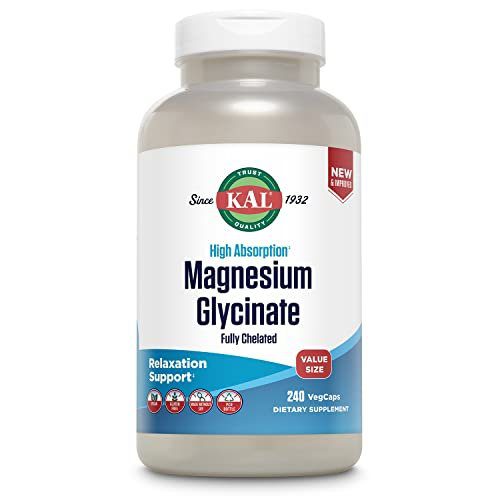
KAL Magnesium Glycinate, New & Improved Fully Chelated High Absorption Formula with BioPerine, Bisglycinate Chelate for Stress, Relaxation, Muscle & Bone Health Support, 60 Servings, 240 VegCaps
KAL Magnesium Glycinate 400mg (ASIN B07G5J5Z3K) earns a solid 4.6/5 from 2,100+ Amazon reviews for its high-absorption glycinate form that supports sleep, stress relief, and muscle function without GI issues common in other magnesiums. Reddit communities echo this, favoring it for bioavailability. At ~$19.99 for 120 tablets (4-month supply), it’s a strong affiliate recommendation for those seeking premium magnesium supplementation.
Walk into a supplement aisle and magnesium looks simple – until you see oxide, citrate, glycinate, malate, taurate, chloride, L-threonate. The “best magnesium supplement” depends on two things: how well you tolerate it and why you’re taking it.
If you want a full breakdown of types and dosing basics, start with Magnesium Benefits Types Dosage.
Magnesium oxide vs glycinate vs citrate (the practical differences)
Here’s the decision-making shortcut most people need:
Magnesium glycinate
- Often chosen for better GI tolerance.
- A common pick when someone wants magnesium support without laxative effects.
- Also popular for relaxation, which can indirectly support heart health if stress and poor sleep are driving BP. Related: Best Magnesium for Anxiety.
Magnesium citrate
- More likely to loosen stools.
- Can be useful if constipation is part of the picture, but that can be a downside if you are sensitive.
Magnesium oxide
- Frequently used in studies and widely available.
- More likely to cause GI side effects in some people and is often considered less bioavailable than chelated forms.
Magnesium chloride / aspartate
- Used in some clinical trials.
- Can be well absorbed; tolerance varies.
A form-by-goal guide (simple and realistic)
Visual: “Which magnesium should I pick?”
| Your main goal | Often a good starting form | Why |
|---|---|---|
| Daily magnesium “top-up” | Glycinate | Usually gentle, easy to take consistently |
| Constipation + low intake | Citrate | Dual-purpose, but watch stool changes |
| Budget option | Oxide | Cheap, common; may upset stomach |
| Under clinician guidance for specific needs | Chloride/aspartate | Used in some trials; individualized |
Dose: what’s common in research vs what’s practical
Research trials vary widely, but many oral studies cluster around 200-400 mg/day of elemental magnesium, sometimes higher. The review in Nutrients (PubMed Central) describes trials using different salts and doses, including higher intakes that would be hard for many people to tolerate long-term.
A practical approach:
- Start low (often 100-200 mg elemental magnesium/day).
- Increase gradually if needed and tolerated.
- Split dosing (morning + evening) if GI symptoms show up.
Common label trap: “elemental magnesium” vs compound weight
Supplement labels can be confusing. “Magnesium glycinate 2,000 mg” does not mean 2,000 mg elemental magnesium. Look for the line that states “Magnesium (as glycinate) – X mg”.
Food First: The Safest Way to Get Magnesium for Heart Health (Plus RDA Targets)
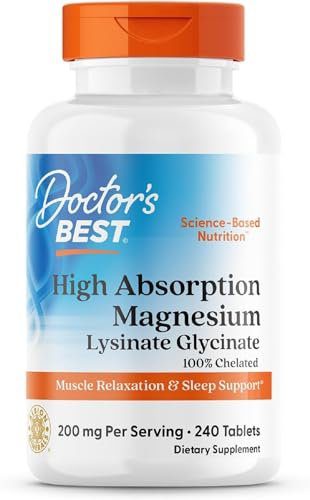
Doctor’s Best High Absorption Magnesium Glycinate Lysinate Supplement for Sleep Support – Chelated Magnesium Tablets for Women & Men, 200mg per Serving, Supports Calm & Relaxation, Vegan – 240 Count
Doctor’s Best High Absorption Magnesium uses chelated glycinate lysinate tablets that provide 200mg per serving from 240-count bottle, designed for better absorption than other magnesium forms. This aligns with effective magnesium options for heart health via support for muscle and nerve function. Vegan formulation suits various diets without common allergens.
If magnesium for heart health is your goal, diet is the lowest-risk place to start. It also comes packaged with potassium, fiber, polyphenols, and healthy fats that work together for cardiovascular risk reduction.
RDA targets (baseline needs)
According to the NIH Office of Dietary Supplements magnesium fact sheet, recommended intakes for adults are:
- Men (19-30): 400 mg/day; (31+): 420 mg/day
- Women (19-30): 310 mg/day; (31+): 320 mg/day
Many people fall short, especially those eating fewer legumes, whole grains, nuts, and leafy greens.
Dietary magnesium and long-term outcomes
Observational research consistently links higher magnesium intake with better cardiovascular outcomes. A large cohort analysis in Frontiers in Cardiovascular Medicine reported that higher dietary magnesium intake was associated with lower risk of cardiovascular mortality and all-cause mortality in adults, though observational studies cannot prove causation.
High-magnesium foods that also support heart health
Visual: Magnesium-rich foods (heart-friendly picks)
- Pumpkin seeds, chia seeds, almonds, cashews
- Black beans, lentils, edamame
- Spinach, Swiss chard
- Oats, quinoa, brown rice
- Dark chocolate (in reasonable portions)
- Avocado
Actionable tip: build one “magnesium anchor” into each day – for example, oats at breakfast, beans at lunch, and a small handful of nuts as a snack.
When supplements make sense
Supplements can be reasonable when:
- Your diet is consistently low in magnesium-rich foods
- You take medications that can lower magnesium (for example, some diuretics)
- You have GI conditions that reduce absorption
- A clinician identifies low magnesium status or high risk
For a broader heart stack discussion, pairing magnesium with omega-3s is common. See Fish Oil And Heart Health.

Safety, Side Effects, and Drug Interactions (This Part Matters for Heart Patients)
Magnesium is “natural,” but it is still pharmacologically active. For heart-focused readers, safety is not a footnote – it’s the main event.
Common side effects
Most side effects are GI-related:
- Loose stools or diarrhea (more common with citrate and higher doses)
- Abdominal cramping
- Nausea
If this happens, reduce the dose, split it, or switch forms (often to glycinate). If symptoms persist, stop and reassess.
Who should be cautious or avoid supplementing without medical advice
Magnesium supplements can be risky for:
- Chronic kidney disease or reduced kidney function (magnesium can accumulate)
- Advanced heart disease where medication regimens are complex
- People with a history of significant electrolyte imbalances
If you are unsure, ask your clinician to review your medication list and kidney function before supplementing.
Medication interactions to know
Magnesium can interfere with absorption or effects of certain drugs. Common examples include:
- Levothyroxine (separate by at least 4 hours)
- Some antibiotics like tetracyclines and fluoroquinolones (separate dosing)
- Bisphosphonates (separate dosing)
- Some diuretics can increase magnesium losses; others can affect electrolyte balance differently
If blood pressure control is your focus, this interaction topic deserves its own read: Magnesium Blood Pressure Medication.
How to use magnesium responsibly (a simple checklist)
Visual: Safety checklist
- Start with food; supplement only if needed.
- Use 100-200 mg elemental to start.
- Increase slowly, watching stool changes.
- Separate from interacting medications when appropriate.
- Avoid high-dose self-treatment if you have kidney disease.
- Reassess after 4-8 weeks: BP readings, symptoms, tolerance.
If you take more than one mineral or supplement, StackMyMed (our companion app) tracks your true daily totals and schedules each dose around its food and spacing rules.
Conclusion: The Practical Bottom Line on Magnesium for Heart Health
Magnesium for heart health is most useful when it corrects a common gap: low intake. Research suggests it may modestly reduce blood pressure for some people, support normal rhythm physiology, and it shows promising associations in heart failure populations, though it’s not a standalone treatment.
A smart next step is to improve magnesium intake through foods, then consider a well-tolerated supplement form (often glycinate) at a conservative dose if needed. If you’re building a broader plan, review the Heart Health Supplement Protocol and consider how omega-3s fit alongside minerals in Fish Oil And Heart Health.
As an Amazon Associate, I earn from qualifying purchases. Product recommendations are based on real reviews and independent research.
