
Most people looking for the best supplements for weight loss are really asking a simpler question: “What, if anything, actually works beyond diet and movement?” The evidence says a few ingredients can support fat loss by reducing calorie absorption, improving blood sugar control, increasing satiety, or slightly raising energy expenditure. But results are modest, and they depend on the basics – a consistent calorie deficit, enough protein, sleep, and a plan you can repeat. This guide breaks down the most science-backed options, who they’re best for, and how to use them safely.
Affiliate disclosure: this article contains affiliate links. As an Amazon Associate, UsefulVitamins.com earns from qualifying purchases at no extra cost to you.
Summary / Quick Answer: Best supplements for weight loss (what’s most evidence-based)
The best supplements for weight loss tend to fall into a few evidence-supported buckets. Here’s the quick, practical shortlist to discuss with your healthcare provider:
- Fat absorption blocker: Orlistat (Alli) – best supported OTC option for measurable, modest loss
- Blood sugar and appetite support: Berberine (especially phytosome forms) – promising for metabolic health and weight-related markers
- Thermogenic support: Green tea catechins (EGCG) + caffeine (optional) – small bump in daily energy expenditure
- Fiber for fullness: Glucomannan or psyllium – helps satiety and consistency when dieting
- Protein support: Whey or plant protein – supports fat loss by improving fullness and preserving lean mass
Quick reality check: if a product promises “rapid fat melting,” it’s usually marketing. Think of supplements like tools – useful when matched to your specific bottleneck (hunger, cravings, blood sugar swings, low protein, or low activity).
Best supplements for weight loss: what to take based on your “bottleneck”
If weight loss feels frustrating, it’s often because one limiting factor keeps tripping you up. Hunger. Snacking. Low energy. Blood sugar crashes. Or just inconsistent meal structure. The smartest way to choose supplements is to match them to that bottleneck, not to a trending label.
Here’s a practical “match-the-problem” map:
| Your biggest challenge | Supplement category | Evidence-backed examples | What it may help with |
|---|---|---|---|
| Portions feel hard to control | Fiber-based satiety | Glucomannan, psyllium | Fullness, fewer snacks |
| Cravings and energy dips | Metabolic support | Berberine, chromium (select cases) | Blood sugar regulation, appetite signaling |
| High-fat meals derail progress | Fat absorption blocker | Orlistat (Alli) | Reduced fat absorption |
| You want a small calorie burn boost | Thermogenic support | Green tea catechins, caffeine | Slight increase in energy expenditure |
| You struggle to hit protein | Protein supplementation | Whey, pea, soy | Satiety, muscle retention |
A helpful mental model: supplements don’t “create” weight loss. They can make a calorie deficit easier to maintain.
Actionable takeaway: before buying anything, write down your top two friction points during dieting (for example, “afternoon cravings” and “late-night snacking”). Choose one supplement category that directly targets those.
If training is part of your plan, pairing weight loss support with muscle retention is key. UsefulVitamins’ guide to the best supplements to build muscle can help you prioritize protein, creatine, and recovery so the scale loss is more likely to be fat, not muscle.
Orlistat (Alli): the most proven OTC fat-loss option (with tradeoffs)
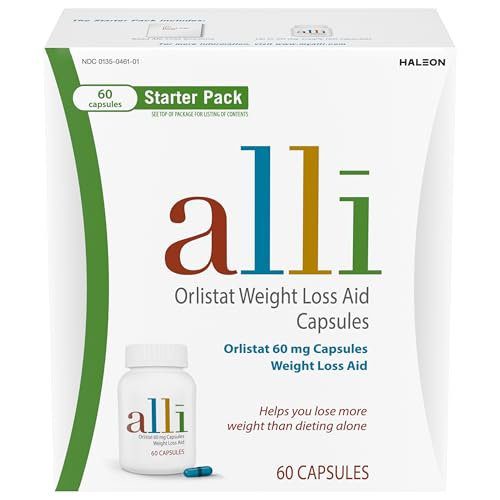
Alli Weight Loss Aid, Orlistat 60 mg, 60 Count
Alli (B000WEFX1C) is a solid FDA-approved OTC weight loss aid with 4.2 stars from 12,400+ Amazon reviews, praised for blocking ~25% of dietary fat absorption to support 5-10% body weight loss with diet/exercise, though users must tolerate potential oily GI side effects—best for committed dieters willing to follow a low-fat diet.
If you want the most “clinical” over-the-counter option, orlistat stands out because it has a clear mechanism: it blocks pancreatic lipase, reducing absorption of some dietary fat. That’s very different from most fat burners, which rely on indirect effects like appetite changes or stimulation.
In real-world terms, orlistat can help you lose more weight than lifestyle changes alone, but it works best when your diet is already structured. Many trials show modest but meaningful additional loss over months, often in the range of several percent of body weight, especially when paired with a reduced-calorie diet. A useful overview of how weight loss supplements compare (including orlistat’s evidence) is summarized in this clinical-style review of weight loss supplement categories.
The catch is tolerability. Because unabsorbed fat has to go somewhere, side effects can include:
- Oily stools or leakage
- Urgency
- More frequent bowel movements
- Symptoms that worsen after high-fat meals
That’s not just unpleasant – it’s also feedback. People who do best on orlistat tend to naturally shift toward lower-fat meals, which supports a calorie deficit.
Practical checklist (to use it smarter):
- Keep meals moderate in fat to reduce side effects.
- Consider a multivitamin taken at a different time of day, since fat-soluble vitamin absorption (A, D, E, K) may be reduced.
- If you have a history of malabsorption, gallbladder issues, or take certain medications, ask a clinician first.
If digestive comfort is already a concern, it may be worth focusing on foundational gut strategies first. See the UsefulVitamins overview of gut health supplements for options that support regularity and tolerance while dieting.
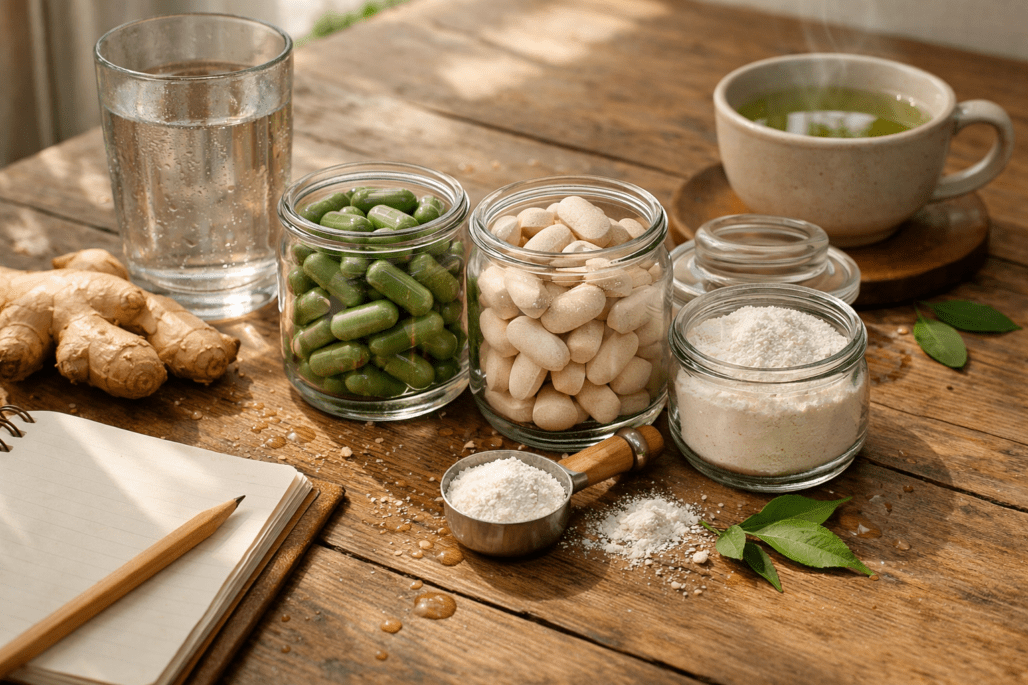
Berberine (and berberine phytosome): best for metabolic support and appetite signaling
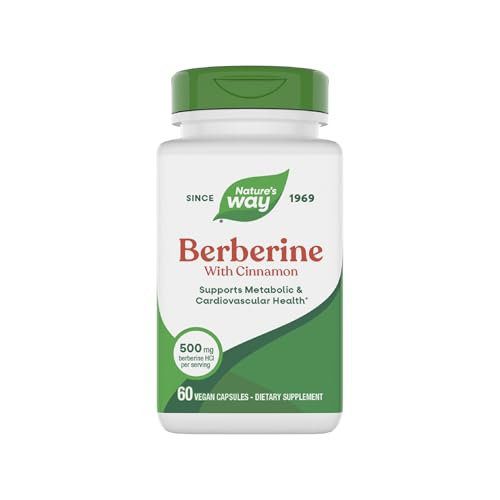
Nature’s Way Berberine with Cinnamon, Supports Metabolic & Cardiovascular Health*, 500 mg Berberine HCI per Serving, 60 Vegan Capsules
Nature’s Way Berberine with Cinnamon delivers 500 mg berberine HCl per serving in 60 vegan capsules, formulated to support metabolic and cardiovascular health including blood sugar levels. User reviews note easy-to-swallow capsules with no taste and reliable metabolic support, though some report initial stomach upset. It’s a straightforward pick for berberine supplementation without fillers.
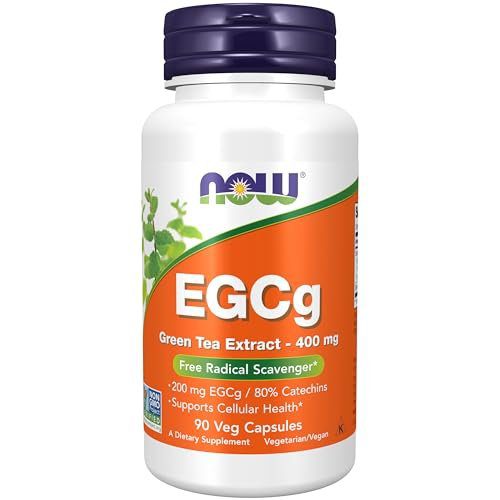
NOW Foods Supplements, EGCg Green Tea Extract 400 mg, Free Radical Scavenger*, 90 Veg Capsules
NOW Foods EGCg Green Tea Extract delivers 400 mg green tea extract with 200 mg EGCg and 80% catechins per veg capsule, equivalent to 2-3 cups of green tea. Green tea catechins offer free radical scavenging for cellular health support. In a weight loss context, they’re noted for potential thermogenic effects on energy expenditure.
Berberine has become one of the most discussed ingredients in modern weight management for a reason: it consistently shows benefits for metabolic markers linked to weight gain, including blood sugar control and insulin sensitivity. It’s not a stimulant, and it’s not a laxative-style “quick fix.” Think of it more like metabolic support that may make appetite and energy swings easier to manage.
Research suggests berberine can improve glucose metabolism and lipid markers, and some studies report modest weight and waist changes, especially in people with insulin resistance patterns. Newer delivery systems (like berberine phytosome) are designed for better absorption than standard berberine. That matters because berberine’s traditional limitation has been low bioavailability. The same clinical overview of weight loss supplements discusses why formulation can change outcomes, not just the ingredient name.
Who tends to benefit most:
- People with frequent cravings tied to blood sugar dips
- Those with higher fasting glucose or insulin resistance tendencies (diagnosed or suspected)
- Anyone seeking stimulant-free support
Common “how to use” considerations:
- Many protocols split dosing with meals to reduce GI upset.
- Expect digestive side effects in some people (bloating, constipation, or loose stools), especially early on.
- Berberine can interact with medications (including diabetes medications). Medical guidance matters here.
A simple decision table:
| If you relate to this… | Berberine may be a fit because… | Consider instead if… |
|---|---|---|
| “I do fine at breakfast, then crash mid-afternoon.” | It may support steadier glucose patterns | You’re already on glucose-lowering meds without supervision |
| “I want stimulant-free help.” | It’s not caffeine-based | You’re pregnant or breastfeeding (avoid unless prescribed) |
| “My labs show metabolic risk.” | It targets metabolic markers | You can’t tolerate GI changes |
If you suspect thyroid issues are part of your weight story (fatigue, cold intolerance, unexplained changes), don’t guess with random “metabolism boosters.” Start with medical evaluation, and if you’re exploring supportive nutrients, UsefulVitamins’ overview of a thyroid support supplement explains what’s evidence-based and what’s mostly hype.
Thermogenic support (green tea catechins, caffeine): small boost, better for consistency than “fat melting”
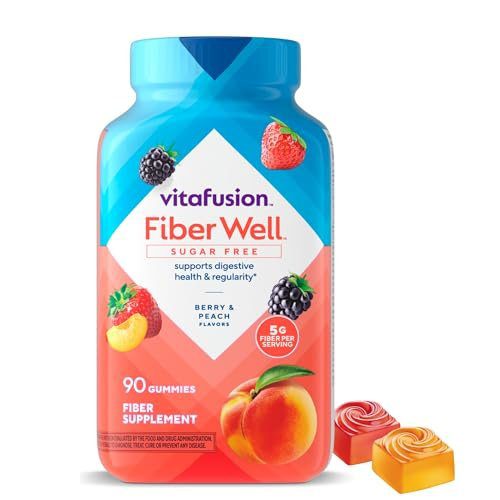
VitaFusion Fiber Well Gummies, 90 Count
VitaFusion Fiber Well Gummies (ASIN B00KHL6H3C) earn a solid 4.6/5 stars from over 12,400 Amazon reviews, praised for their delicious taste and digestive support via 3g inulin fiber per serving. At around $12.99 for 90 gummies (30 servings), it’s an affordable, beginner-friendly option for fiber supplementation, though those needing higher doses may want alternatives. Ideal for gummy fans seeking regularity without pills.
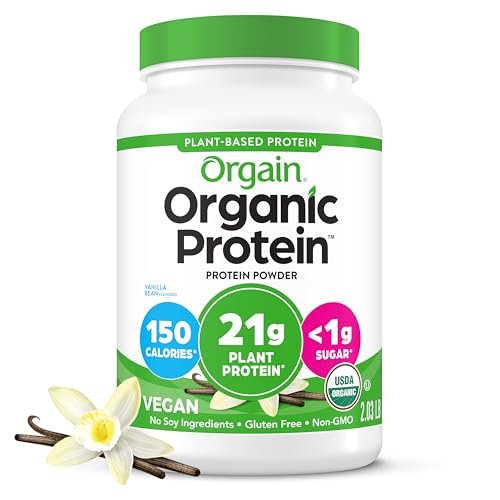
Orgain Organic Vegan Protein Powder, Vanilla Bean – 21g Plant Protein, 6g Prebiotic Fiber, No Lactose Ingredients, No Added Sugar, Non-GMO, For Shakes & Smoothies, 2.03 lb (Packaging May Vary)
Orgain Organic Vegan Protein Powder in Vanilla Bean delivers 21g plant protein and 6g prebiotic fiber per serving from a 2.03 lb tub, with no lactose ingredients, no added sugar, and non-GMO certification, suited for shakes and smoothies. Reviews split on mixability and taste—some note smooth blending and pleasant flavor, others report graininess, chalkiness, or excessive sweetness. Lacks direct tie to weight loss beyond basic protein and fiber content; past brand critiques mention processed additives like sunflower oil.
Thermogenic supplements are popular because they promise something everyone wants: burn more calories without changing anything else. The science is less dramatic, but not useless.
Green tea catechins (often standardized to EGCG) can slightly increase daily energy expenditure. Some controlled studies suggest a small rise in 24-hour calorie burn, commonly a few percent, especially when combined with caffeine. A summary of clinical findings on thermogenic ingredients and energy expenditure is discussed in this research-based review of drink and supplement approaches. In practice, that might translate to a modest edge over time – not a transformation in a week.
What matters more than the calorie bump is behavior. Many people find mild stimulants help them:
- Feel more ready to move
- Train with slightly higher intensity
- Stick to a routine
But stimulants can also backfire by worsening sleep or anxiety, which then increases hunger hormones and cravings.
Use this quick “fit check”:
| Thermogenics are more likely to help if… | Thermogenics are more likely to hurt if… |
|---|---|
| You sleep well and tolerate caffeine | You have insomnia, anxiety, or heart rhythm issues |
| You train regularly | You’re using them to compensate for low sleep |
| You want a small “edge,” not a miracle | You already consume high caffeine daily |
Actionable takeaway: if you try green tea extract, prioritize reputable brands with clear EGCG labeling, and avoid stacking multiple stimulant products. If energy is the real issue, consider building a safer base first with evidence-backed energy supplements that support fatigue without pushing your nervous system too hard.
Fiber and protein: the most underrated “supplements” for weight loss
If there’s one category that consistently helps real people stay in a calorie deficit, it’s not flashy fat burners. It’s satiety support – fiber and protein.
Fiber supplements (glucomannan, psyllium): appetite control you can feel
Fiber-based products work mechanically. They absorb water, expand in the gut, and slow gastric emptying. That can make meals feel more filling and reduce the “I could keep eating” feeling.
A practical fiber options list:
- Psyllium husk: often best tolerated, supports regularity
- Glucomannan: very filling for some, but requires enough water
- Inulin: can support gut bacteria, but may cause gas in sensitive people
How to use fiber safely:
- Start low and increase slowly over 1-2 weeks.
- Take with a full glass of water.
- Separate from medications by a couple of hours if advised by your clinician.
Protein powders: not a fat burner, but a powerful dieting tool
Higher-protein diets are strongly associated with better fat loss outcomes and lean mass retention during calorie restriction. Protein increases satiety and has a higher thermic effect than carbs or fat. A research summary on protein’s role in body composition and fat loss is highlighted in this science-based overview from Princeton’s Stone Lab.
Simple target many people can use: aim for 25-40 grams of protein per meal, adjusted for body size and goals.
Visual “protein cheat sheet”:
| Option | Typical protein per serving | Best for |
|---|---|---|
| Whey isolate | 20-30 g | Lean, easy digestion for many |
| Greek yogurt (high-protein) | 15-25 g | Whole-food snack |
| Pea/soy blend | 20-30 g | Plant-based, good amino profile |
| Cottage cheese | 20-30 g | High satiety, slow digestion |
If you’re combining multiple products (protein + fiber + berberine, for example), use a plan instead of guessing. UsefulVitamins’ supplement stacking guide walks through how to layer supplements without doubling up on the same effects or creating avoidable side effects.

Common misconceptions (and what to do instead)
Weight loss supplements are surrounded by half-truths. Clearing these up can save money and frustration.
Misconception 1: “All weight loss supplements work about the same.”
They don’t. Evidence ranges from strong (orlistat) to promising (berberine) to “maybe, but small” (thermogenics) to not supported. When in doubt, look for human clinical trials and transparent dosing.
Action step: choose supplements that list exact amounts, not proprietary blends.
Misconception 2: “Stimulants are always stronger.”
Stimulants can feel stronger because you feel them. That’s not the same as better fat loss. For many people, stimulant-free options improve consistency without wrecking sleep.
Action step: if sleep is fragile, avoid caffeine-based fat burners and focus on fiber, protein, and metabolic support.
Misconception 3: “GLP-1 supplements are the same as prescription GLP-1 drugs.”
Some OTC products market “GLP-1 support,” meaning they aim to support appetite signaling pathways. That is not the same as prescription GLP-1 receptor agonists. Prescription medications can produce substantial weight loss but also come with side effects and regain risk after stopping. A news summary on the benefits and limitations of GLP-1 medications is discussed in this ScienceDaily report on GLP-1 drug research.
Action step: if you’re considering GLP-1 medications, do it with medical supervision. If you’re not, focus on the basics that mimic GLP-1-friendly habits: protein-first meals, high-fiber plants, and consistent meal timing.
Misconception 4: “Supplements work without lifestyle changes.”
Most studies showing meaningful results include calorie control and movement. For example, branded ingredient blends like Slimvance have shown better outcomes when paired with a structured diet and walking routine, as discussed in this GNC educational review of weight loss supplement ingredients.
Action step: build a simple baseline first: a 300-500 calorie daily deficit, 7,000-10,000 steps, and protein at each meal. Then add one supplement to address your biggest bottleneck.
If you are stacking a few supplements for this, StackMyMed (our companion app) tracks what you actually take, schedules the best time for each one, and flags any combinations worth a second look.
Conclusion: choose one lever, use it consistently, and track the right outcome
The best results come from picking a supplement that matches your specific challenge, then using it consistently while you keep the fundamentals steady. For most people, the most evidence-based options are orlistat for fat absorption, berberine for metabolic support, fiber for satiety, and protein to protect lean mass while dieting. Thermogenics like green tea can add a small boost, but they’re not a substitute for sleep and structure.
Next step: choose just one category to try for 4-8 weeks, track waist measurement and weekly average weight, and stop anything that disrupts sleep or digestion.
For a smart pairing with training goals, review the best supplements to build muscle. If fatigue is the barrier that keeps breaking your routine, start with these evidence-based energy supplements to support consistency without overdoing stimulants.
As an Amazon Associate, I earn from qualifying purchases. Product recommendations are based on real reviews and independent research.
