

If you have been searching "best peptide supplements" and wading through lists that either obsess over collagen or lean heavily toward research-chemical peptides that are not legally sold for human consumption, the short answer is: the peptide supplements worth buying on Amazon in 2026 are a handful of well-studied bioactive categories with real trial evidence, not the black-market injectable peptides dominating peptide-forum discussion. This roundup covers what you can actually buy, why some famous peptide acronyms are not on the list, and which seven products across categories are worth shelf space. You will also get a plain-English breakdown of what qualifies as an OTC peptide versus a research peptide, how the evidence bases differ, and why buying anything else on Amazon labeled "peptide" needs extra scrutiny.
Affiliate disclosure: this article contains affiliate links. As an Amazon Associate, UsefulVitamins.com earns from qualifying purchases at no extra cost to you.
Summary / Quick Answer: the 7 peptide supplements across categories
For most buyers, start with a good collagen peptide and a lactoferrin or colostrum for broader coverage. For athletes, add hydrolyzed whey or a muscle-recovery peptide. For topical peptide interest, The Ordinary covers the entry point. Here is the honest break-down.
Best for skin and general wellness
- Vital Proteins Collagen Peptides (category anchor, strongest evidence)
- Life Extension Lactoferrin (immune and gut barrier angle)
Best for athletes and training
- Dymatize ISO100 Hydrolyzed Whey (fastest-absorbed whey format)
- MuscleTech PeptiStrong (branded bioactive peptide for recovery)
Best for niche experimentation
- Ancient Nutrition Colostrum (complex bioactive mix)
- MuscleTech Dileucine (targeted MPS signaling)
Best topical (not oral)
- The Ordinary Multi-Peptide Copper (for the skincare side of peptide interest)
Skip if
- You are looking for BPC-157, TB-500, CJC-1295, or other research peptides (not on this list, and for good reasons explained below)
- You expect any oral peptide to behave like an injectable therapeutic
- You want one supplement to do everything (peptides are targeted, not general)
Decision shortcut
- New to peptides: collagen plus lactoferrin, 8 to 12 week trial
- Training-focused: add hydrolyzed whey or PeptiStrong
- Skincare-focused: The Ordinary on the topical side, collagen orally
What you will NOT find here (and why that matters)
The peptide conversation online is dominated by a specific set of compounds (BPC-157, TB-500, CJC-1295, ipamorelin, MOTS-c, semax, selank, and others) that are generally discussed as "research peptides" or "experimental peptides." None of these are in this roundup. This is deliberate, and it is worth being clear about why.
These compounds are not FDA-approved for human use. In the United States and in most jurisdictions, they are sold strictly for research purposes, explicitly labeled "not for human consumption," and their sellers disclaim any medical application. The safety profile, purity, dose-response relationship, and long-term effects for any specific branded supply chain are generally not established through the regulatory process that applies to FDA-approved drugs. Injection is the typical administration route in the community discussion, which adds sterility and technique risks on top of the ingredient questions.
People do use these compounds. Many people report subjective benefits. The community discussion is full of dosing protocols, injection technique, and supplier quality comparisons. None of that information belongs on a UsefulVitamins article, and the responsible framing is to leave the conversation to medical professionals and to sources more suited to discussing research-chemical risk profiles.
What this article does cover is the other peptide supplement category: OTC bioactive peptides and peptide-containing products that are legally sold for human use, regulated as dietary supplements under DSHEA, typically derived from food sources (bovine, marine, dairy, plant) through enzymatic hydrolysis, and available on Amazon without special sourcing. This category includes collagen peptides, hydrolyzed whey, lactoferrin, colostrum, bioactive plant peptides like PeptiStrong, dipeptide isolates, and topical cosmetic peptides. The evidence base is real but narrower than the research-peptide discussion implies. Realistic expectations and informed purchases are the goal.
Any supplement category that gets marketed this aggressively deserves skepticism. The research-peptide conversation has become a marketing tailwind for legitimate OTC peptide brands that want to borrow the buzz without the regulatory headache. Buyers who arrive at "best peptide supplements" searches often arrive expecting one thing and find another. This article tries to make the distinction clear rather than paper over it.
How we picked these 7
The filter for this roundup was four-part.
Legal and OTC. Every product on this list is legally sold on Amazon for human consumption, regulated as a supplement (or in the case of The Ordinary, a cosmetic), with documented manufacturing and ingredient disclosure.
Real mechanism, documented evidence. Each product represents a peptide category with either human RCT evidence (collagen, whey hydrolysate) or well-established mechanism evidence (copper peptides, lactoferrin, colostrum) even where human outcome trials are smaller.
Distinct use cases. The seven picks cover different goals (skin, gut, immune, muscle, topical). No single product addresses all of them, which is a feature, not a bug. Matching the supplement to the outcome matters more than buying the most famous brand.
Brand and product availability. Amazon availability, third-party testing transparency, and realistic product claims filtered out a long list of aggressive-marketing alternatives that would not survive scrutiny.
Actionable takeaway: The real question is not "what is the best peptide supplement" but "what specific outcome am I trying to support, and which peptide category has evidence for that outcome." The answer varies by the reader.

Our 7 peptide supplement picks
1. Vital Proteins Collagen Peptides (category anchor)
Collagen peptides are the most-studied OTC peptide category, with multiple placebo-controlled trials showing skin, joint, and bone-matrix benefits at 2.5 to 10g daily doses. In Proksch et al. 2014 (PMID 24401291), 114 women aged 45 to 65 took 2.5g of bioactive collagen peptides daily for 8 weeks, with roughly 20 percent reduction in eye wrinkle volume and measurable increases in dermal procollagen type I and elastin. Vital Proteins is the mainstream-default brand at quality-tier pricing.
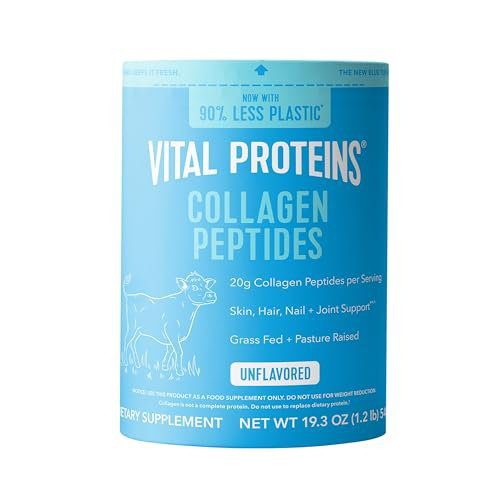
Vital Proteins Collagen Peptides Powder – Grass Fed Collagen Peptides for Hair, Nail, Skin, Bone & Joint Health, Unflavored, 27 Servings
Category-anchor pick with 20g of grass-fed bovine collagen hydrolysate per two-scoop serving, the most-distributed and best-studied consumer peptide product on Amazon.
2. MuscleTech Recovery Peptide PeptiStrong
PeptiStrong is a branded bioactive peptide fraction derived from fava bean protein, developed by nutrition-science firm Nuritas using AI-driven peptide discovery. Emerging trial evidence supports muscle-recovery and protein-synthesis signaling benefits in trained populations. The evidence base is smaller than collagen's but is growing, and the plant-based source is useful for buyers avoiding dairy or bovine sources. MuscleTech's formulation is the most accessible Amazon entry point for the ingredient.
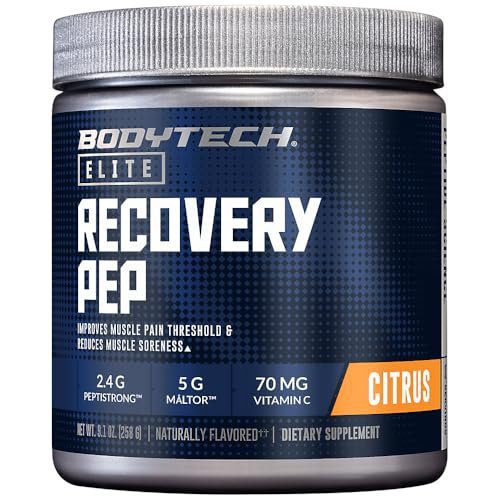
BodyTech Elite Recovery Pep a Peptides Powder with 2.4g PeptiStrong – Citrus (9.1 oz./30 Servings)
Muscle-recovery pick built around the PeptiStrong branded bioactive fava-bean peptide fraction, with emerging trial evidence for muscle protein synthesis support in trained populations.
3. The Ordinary Multi-Peptide Copper
Topical copper peptides deserve one slot on a peptide-supplement list because they represent a category a reader interested in "peptide supplements" may also be interested in exploring. The Ordinary's Multi-Peptide Copper blend sits at the entry-price point for the category. In Pickart et al. 2015 (PMID 26236730), the authors review GHK peptide as a natural modulator of multiple cellular pathways in skin regeneration, including collagen synthesis and wound-healing signaling. Topical only, not oral.
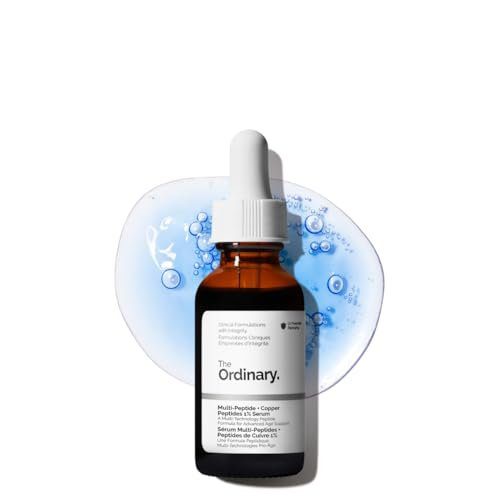
The Ordinary Multi-Peptide + Copper Peptides 1%, GHK-Cu Anti-Aging Serum for Fine Lines and Skin Elasticity, 1 Fl Oz
Topical entry-point pick covering the copper peptide category at Deciem’s accessible price tier, useful if your peptide interest extends beyond oral supplementation.
4. Life Extension Lactoferrin
Lactoferrin is an iron-binding glycoprotein with peptide-domain bioactivity, found naturally in mammalian milk and colostrum. The proposed mechanism centers on iron sequestration (limiting bacterial iron availability) and immune signaling through specific peptide fragments released during digestion. Human clinical evidence is smaller than collagen's but the ingredient has a long safety record and established in vitro antimicrobial activity. Life Extension's apolactoferrin (iron-free) form is the most common supplement format.
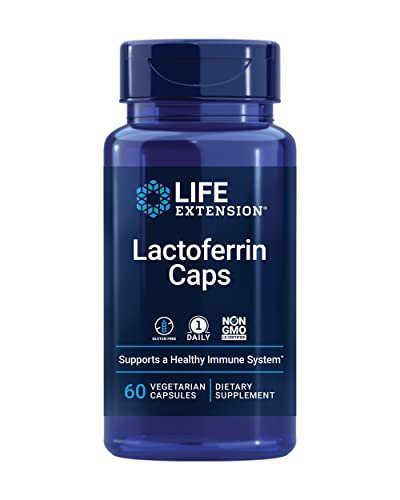
Life Extension Lactoferrin Caps, Healthy Immune Response, GI Support, Vision Health, Gluten-Free, Non-GMO, 1-Daily, Vegetarian, 60 Capsules
Iron-binding glycoprotein pick with peptide-category relevance, marketed for immune and gut barrier support with documented in vitro antimicrobial and iron-transport activity.
5. Ancient Nutrition Colostrum
Bovine colostrum contains a complex natural mixture of immunoglobulins, lactoferrin, growth factors, and bioactive peptides. Because it is a natural mixture rather than a single isolated peptide, standardization varies batch to batch, but the overall bioactive-rich composition has documented immune and gut-barrier effects in small human trials. Ancient Nutrition uses grass-fed bovine sourcing and presents the product with realistic rather than hype-driven marketing. Not suitable for dairy-allergic buyers or vegans.
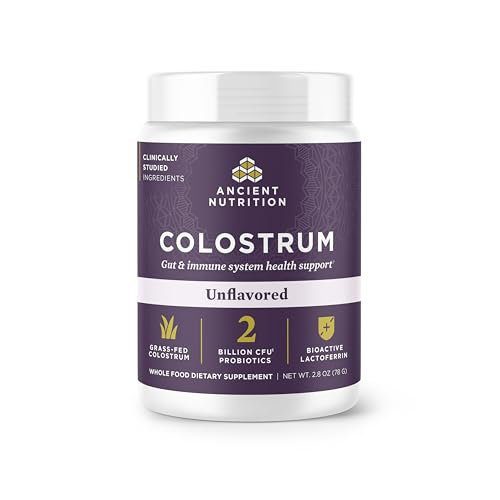
Ancient Nutrition Colostrum Superfood Powder, Grass Fed Bovine Colostrum, Supports Healthy Gut Microbiome and Immune System, Clinically Studied Lactoferrin & Probiotics, Unflavored, 60 Servings
Bovine colostrum pick containing a natural mix of immunoglobulins, lactoferrin, and growth factor peptides, positioned for gut barrier and immune support.
6. Dymatize ISO100 Hydrolyzed Whey
Hydrolyzed whey protein is whey that has been partially enzymatically digested into smaller peptide fragments. The result is a faster-absorbed protein form with bioactive peptide byproducts of the hydrolysis process. Dymatize's ISO100 is widely used in athletic populations and represents the whey-hydrolysate category at competitive pricing. For post-workout fueling where absorption speed matters, hydrolyzed whey beats standard isolate.
Dymatize ISO 100 Whey Protein Powder with 25g of Hydrolyzed 100% Whey Isolate, Vanilla 5 Pound, Package may vary
Hydrolyzed whey pick where partial enzymatic digestion creates smaller peptides, positioned as the fastest-absorbed whey format for post-workout use.
7. MuscleTech Muscle Peptide Dileucine
Dileucine (leucine-leucine dipeptide) has emerging evidence as a more potent trigger for muscle protein synthesis signaling than equivalent free leucine, at least in controlled studies. The clinical trial volume is smaller than collagen's or whey's, and the use case is specifically trained-athlete MPS optimization rather than general wellness. MuscleTech's dileucine SKU is the main accessible entry point for the ingredient.
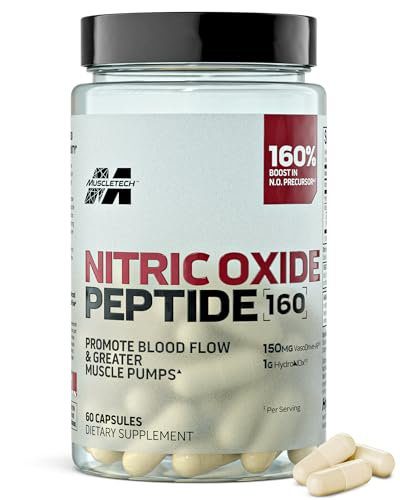
MuscleTech Nitric Oxide Peptide 160 – Advanced Formula Supports Nitric Oxide Production for Improved Blood Flow, Greater Muscle Pumps, Recovery & Energy Boost with HydroNOx & VasoDrive – 60 Count
Dipeptide pick featuring dileucine, a specific two-leucine dipeptide studied for muscle protein synthesis signaling, an experimental addition to a serious training stack.
What to skip on Amazon
Three product categories to approach with skepticism.
Research peptides sold despite the "not for human consumption" label. These listings exist on various Amazon-adjacent marketplaces. Regulatory risk, quality risk, and safety risk all apply. The fact that a product is available to buy does not mean it has been evaluated for the use the buyer has in mind.
Generic "peptide blend" products with opaque ingredient lists. Without a specific peptide name (collagen, lactoferrin, colostrum, GHK-Cu) and a disclosed dose, you are paying for marketing over substance.
Products claiming to contain "multiple peptides" at impossibly low prices. Peptide isolation and standardization are expensive. A $8 bottle of "advanced peptide complex" is usually either a very low dose or a bulking agent with a marketing veneer.
More features are not always more useful. A single-ingredient, specifically-dosed, well-documented product at a fair price is almost always a better purchase than a "15 peptides in one formula" hype stack.
Actionable takeaway: If the product cannot tell you specifically what peptides it contains, at what dose, from what source, it is not worth the $10 to $20 Amazon experiment.
FAQ
Can I combine these supplements? Yes, most of them stack without interaction concerns. Collagen plus lactoferrin plus hydrolyzed whey is a common daily combination for users blending skin, immune, and training support. Topical products are independent of oral stacks. Always verify with a physician if you are on prescription medications.
Do any of these require a prescription? No. Everything in this roundup is OTC dietary supplement (or cosmetic for topical) status. If you are seeing products marketed as "prescription-grade peptides" on Amazon, that language is marketing, not a regulatory category.
Are peptide supplements safe during pregnancy? Collagen peptides, hydrolyzed whey, and colostrum have generally established safety records at typical doses, but pregnancy-specific dosing should be cleared with your OB-GYN. Lactoferrin has less pregnancy-specific research. Topical copper peptides on skin during pregnancy have no known issues but also limited safety data. Consult a physician for pregnancy-specific decisions.
Why no BPC-157 on this list? BPC-157 is a research peptide, not an FDA-approved supplement. It is sold for research purposes with explicit "not for human consumption" labeling. Using it as a supplement is outside the regulatory framework this list operates within. The responsible framing is to leave that conversation to medical professionals and to sources more qualified to discuss research-chemical risk profiles.
How do I know if a peptide supplement is working? Give each product an 8 to 12 week trial at the studied dose and pay attention to specific measurable outcomes, not general vibes. For collagen: skin hydration, nail quality, joint stiffness on rising. For lactoferrin or colostrum: gut comfort, frequency of minor infections. For whey hydrolysate or dileucine: post-workout recovery quality. If nothing changes at 12 weeks, stop and re-evaluate.
Can I substitute food for any of these? Partially. Dietary collagen from bone broth and tough cuts of meat delivers similar amino acids but at lower absorption efficiency than hydrolyzed peptides. Whey protein from dairy foods delivers the base nutrition but not the hydrolysate speed. Colostrum and lactoferrin are naturally present in dairy at much lower concentrations than the standardized supplement doses. The supplement category exists because food alone does not reach the studied doses easily.
Tracking a protocol like this? Our companion app, StackMyMed, lets you log doses, schedule them, and check interactions across everything you take — alongside, never instead of, your clinician’s guidance.
Conclusion: the bottom line on peptide supplements you can buy
The real question is not whether to take a peptide supplement but which specific peptide category matches the outcome you want. Collagen for skin and joint support. Lactoferrin or colostrum for immune and gut barrier. Hydrolyzed whey or PeptiStrong or dileucine for training. Topical copper peptides for the skincare-adjacent interest. There is no single "best peptide supplement" because there is no single "best peptide outcome."
What is clearly off the table for responsible consumer guidance is the research-peptide category. BPC-157, TB-500, CJC-1295, and the rest sit outside the OTC framework this article operates within, and treating them as comparable to collagen or lactoferrin is the central confusion in the "best peptide supplements" search space. The seven picks above are the honest set of options for readers who want evidence, quality, and a supply chain they can verify.
Next steps
- Start with the foundation: Peptides Explained: The Honest 2026 Guide to What Works, What's Hype, and What's Risky
- Deep dive on the collagen category: Best Collagen Peptides in 2026: 8 We'd Actually Buy (and 3 to Skip)
- Deep dive on the topical side: Copper Peptides (GHK-Cu) Explained: Why Every Skincare Brand Is Suddenly Obsessed
As an Amazon Associate, I earn from qualifying purchases. Product recommendations are based on real reviews and independent research.
