
Cure Hydration costs $2.43 per stick on subscription. That is real money when you are drinking one or two a day, and it is more than you would pay for most competing electrolyte mixes on Amazon. The honest answer to whether Cure is worth it depends on two things: what you are actually trying to fix, and how seriously you read a supplement label. Cure is a well-designed product for casual everyday hydration. It is not the right tool for anyone who sweats heavily, uses GLP-1 medication, or needs clinical-level sodium replacement. This review breaks down the formula, the price math, the cancel friction, and who should and should not spend $2.43 a stick.
Affiliate disclosure: this article contains affiliate links. As an Amazon Associate, UsefulVitamins.com earns from qualifying purchases at no extra cost to you.
What is Cure?
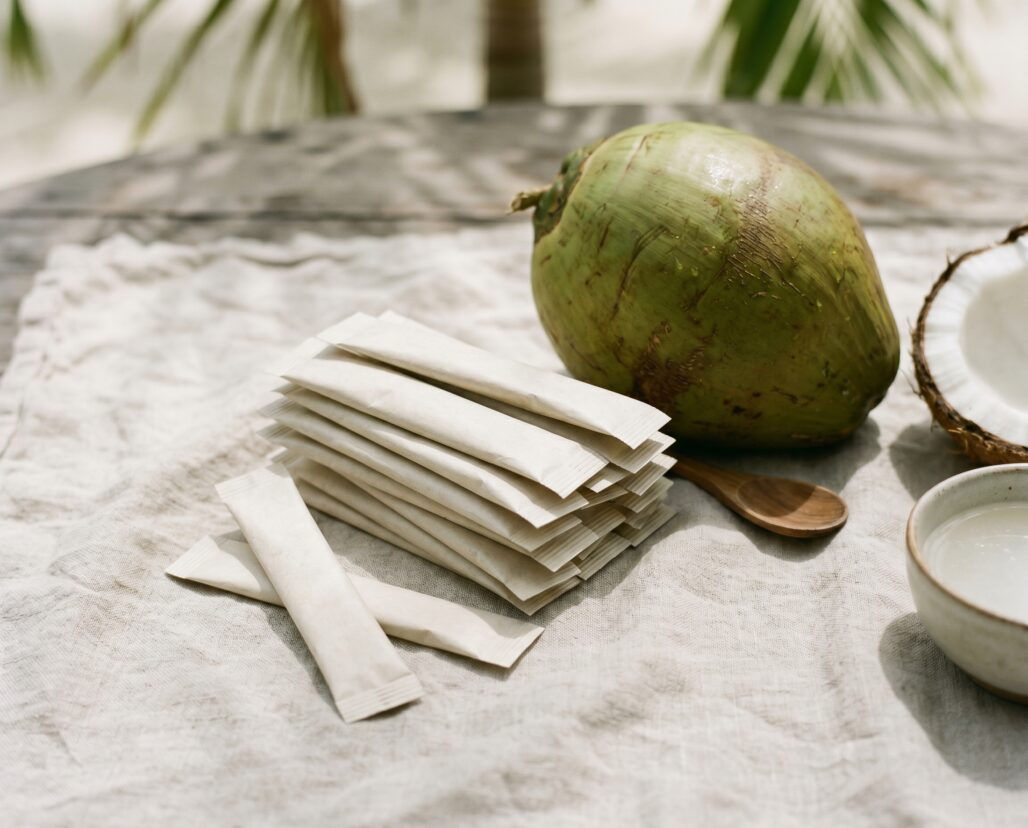
Cure Hydration launched in 2019, founded by Lauren Picasso, who came out of fintech rather than sports nutrition. That background shows in the brand's execution: clean packaging, strong DTC subscription mechanics, and marketing that leans heavily on plant-based positioning and coconut water provenance. The product is sold as stick packs that dissolve in 16 oz of water.
The brand's core claim is that the formula is derived from the World Health Organization's Oral Rehydration Solution (ORS) standards. ORS is the gold-standard electrolyte protocol for serious dehydration — cholera-level fluid loss, post-surgical recovery, severe diarrhea. Using "ORS-inspired" as a positioning signal is smart marketing. The question is whether the actual numbers hold up to that standard.
Cure's formula uses coconut water powder and organic cane sugar as the carbohydrate and electrolyte base, which is genuinely different from competitors who use maltodextrin or sucrose. The brand emphasizes that it contains "no added sugar" — technically accurate, because the 5 grams of sugar per serving come from the coconut water and cane sugar that are listed as ingredients rather than as "added sugar" in the strictest FDA sense. That framing is worth noting before you take the marketing at face value.
What do you actually get?
Each Cure stick pack delivers:
- Sodium: 230 mg
- Potassium: 300 mg
- Sugar: 5 g (from organic cane sugar and dried coconut water)
- Calories: 25
- No artificial colors, no artificial sweeteners, no synthetic flavors
For context, the WHO ORS formula calls for approximately 520 mg of sodium per liter of solution — roughly 260 mg per standard 500 mL serving. Cure's 230 mg is close to, but below, that target per 16 oz (473 mL). The ACSM recommends 300-600 mg of sodium per hour for endurance athletes exercising in heat. At 230 mg per stick, you are at the very bottom of that range with one serving.
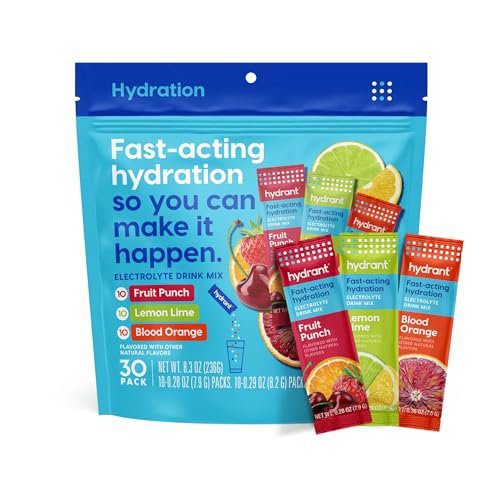
Competitors benchmark differently. LMNT delivers 1,000 mg of sodium per stick — more than four times Cure's dose. Liquid IV delivers approximately 500 mg of sodium per serving. Hydrant sits at 225 mg. Cure is on the lower end of the category for sodium, and that is the core functional limitation that shows up repeatedly in Reddit threads when users discuss whether Cure actually works for serious hydration needs.
The coconut water base does contribute natural potassium — 300 mg per stick is a meaningful dose and higher than several competitors. If potassium is the electrolyte you are most deficient in, that is relevant. For most people seeking post-workout or hot-weather hydration, sodium is the primary variable, and that is where Cure leaves something to be desired.
The price math
Cure sells on subscription at approximately $34 for a 14-pack, which works out to $2.43 per stick. Monthly auto-ship runs $34-$50 depending on the box size you select. If you drink one stick daily, your monthly spend is approximately $52-$73 per month at the 14-pack rate, or lower per stick if you buy larger boxes.

Compare that to the alternatives that ship to your door from Amazon:
- Liquid IV (Hydration Multiplier): ~$1.50-$1.90 per stick at standard Amazon pricing for a 16-pack. Delivers roughly twice the sodium.
- Hydrant: ~$1.25-$1.50 per stick on Amazon, similar sodium dose to Cure.
- LMNT: ~$1.50 per stick on subscription. Delivers 1,000 mg sodium, zero sugar.

The price premium Cure charges — roughly 30-60% more per stick than Liquid IV, more than double what Hydrant costs — is being paid for the coconut water sourcing story, the clean-label branding, and the DTC subscription experience. Those are real things. Whether they are worth $0.70-$1.20 extra per serving is the honest question to sit with before subscribing.
What works
Taste. This is the most consistent positive across hundreds of Reddit reviews and Amazon purchaser feedback. Cure's lemonade flavor in particular is frequently called one of the best-tasting electrolyte mixes on the market. The coconut water base gives it a slight natural sweetness that does not read as artificial. Users who have churned from LMNT because of the salty mineral taste often cite Cure's lemonade as the flavor that kept them hydrating consistently. Consistency of use is ultimately what drives hydration outcomes, and if Cure is the product you actually drink every day, that matters.
Clean ingredient list. Cure uses organic cane sugar, dried coconut water, and real fruit extracts for flavor. There are no artificial colors, no sucralose, no aspartame, no acesulfame potassium. For people who are ingredient-sensitive or who are already managing a restricted-input diet (post-bariatric, GLP-1, autoimmune protocol), the short and recognizable ingredient list is genuinely useful.
Potassium dose. At 300 mg per serving, Cure's potassium is higher than several well-known competitors. For people with diet patterns low in potassium — those eating few vegetables, those on diuretics, GLP-1 users who experience nausea-driven reduced food intake — this is a meaningful contribution.
Packaging and portability. The stick pack format is practical. Each packet fits in a pocket, does not require a scoop or measuring, and dissolves in a standard water bottle without clumping. The variety pack is a reasonable way to find which flavor profile works for you before committing to a full box.
What does not work
Sodium is underdosed for serious use cases. If you are exercising intensely, working in heat, sweating heavily, or managing electrolyte loss from GLP-1 medication (reduced food intake means reduced dietary sodium), 230 mg of sodium per serving is not enough. The r/Ozempic subreddit discusses this specifically: GLP-1 users who need active electrolyte support find Cure underwhelming because the sodium dose is too low to compensate for the dietary sodium reduction that comes with eating significantly less. LMNT at 1,000 mg or even Liquid IV at ~500 mg is a better fit for that use case.
The "no added sugar" framing. Cure's marketing emphasizes a "no sugar added" positioning, and the technical basis for that claim is that the 5 g of sugar comes from coconut water and organic cane sugar listed as ingredients — not from a separate "added sugar" line item in the traditional regulatory sense. In practice, your body processes 5 g of sugar from organic cane sugar the same way it processes 5 g from any other source. This is not a health problem at this dose, but the framing can mislead people who are specifically managing sugar intake and believe they are buying a zero-sugar product. Read the label before assuming.
Subscription cancel friction. Cure's subscription cancel process requires contacting customer support via email for some plan types rather than offering a self-serve cancel button in the account portal. The time between recognizing you want to cancel and completing the cancellation is longer than it should be, and that gap creates the conditions for an unwanted charge. This is a documented friction pattern in DTC electrolyte subscriptions, and Cure is not the worst offender in the category — but it is worse than competitors like Hydrant who offer clean self-serve cancellation. If you subscribe, set a calendar reminder before your renewal date.
Cost-to-sodium ratio. At $2.43 per stick for 230 mg of sodium, you are paying approximately $10.57 per gram of sodium. LMNT at ~$1.50 per stick for 1,000 mg of sodium comes to $1.50 per gram of sodium. If electrolyte replacement is the functional goal, Cure is among the most expensive ways to achieve it on a per-milligram-of-sodium basis.
Who should buy it
Everyday hydration, light activity. If your use case is replacing the mid-afternoon slump drink, staying hydrated in an air-conditioned office, or making your water bottle more interesting, Cure's flavor and clean ingredient profile are genuinely good. You are not sweating out 1,000 mg of sodium sitting at a desk. The 230 mg dose is appropriate for this context.
People who prioritize clean labels above all else. Cure's ingredient list is short, recognizable, and free of synthetic additives. For users who have already eliminated processed foods and want their supplements to match that standard, Cure fits the aesthetic and the values.
Potassium-focused supplementation. If a blood panel has flagged low potassium and you want a pleasant-tasting delivery mechanism, 300 mg per stick in a daily routine adds up meaningfully over a week. Pair it with dietary potassium sources for best effect.
People who hate the taste of most electrolyte mixes. The lemonade flavor specifically has a strong following among people who have cycled through LMNT, Liquid IV, and DripDrop and found all of them too salty or too sweet. If taste compliance is your limiting factor, the variety pack is worth trying.
Who should skip it
GLP-1 users and post-bariatric patients. These groups often need active, high-sodium electrolyte support because reduced dietary intake means reduced dietary sodium. Cure's 230 mg per serving will not fill that gap adequately. LMNT or a purpose-built GLP-1 electrolyte product is a better fit.
Athletes and heavy sweaters. The ACSM recommends 300-600 mg sodium per hour during endurance exercise in heat. Cure at 230 mg sits below the floor of that recommendation. During a long run or a hot-weather workout, you would need two or three Cure sticks to meet the lower bound of sports hydration guidance — which takes your per-workout cost to $4.86-$7.29 and your sugar intake to 10-15 g. A higher-sodium product is more efficient here.
Anyone on a strict sugar restriction. Five grams of organic cane sugar is a small amount, but if your protocol is zero-sugar electrolytes (keto, SIBO, reactive hypoglycemia management), Cure does not qualify despite the marketing language.
People who want to avoid subscription friction. If you are not confident you will manage an email-based cancel process, buy single-purchase boxes on Amazon to trial Cure before committing to auto-ship. The per-stick cost is higher, but the exit is clean.
Verdict
Cure Hydration is a well-executed product that is correctly priced for what it is: a premium, clean-label, coconut water-based electrolyte mix optimized for taste and everyday hydration. The lemonade flavor is genuinely excellent. The ingredient list is legitimately clean. The potassium dose is competitive.
It is not a clinical hydration tool. At 230 mg of sodium per serving, it is underdosed for heavy exercise, GLP-1 electrolyte needs, and hot-weather work. At $2.43 per stick, it is one of the more expensive per-sodium options in the category. The subscription cancel process adds real friction if you ever need to pause or stop.
The people who are happiest with Cure long-term are those who use it for exactly what it is built for: a pleasant, clean, daily habit drink that makes staying hydrated less boring. If you match that profile, the subscription is defensible. If you need serious electrolyte replacement, spend the same money on LMNT or half the money on Hydrant and keep more of your sodium.
If you are still deciding, buy the Amazon variety pack first. At the current price difference between Amazon single-purchase and the Cure subscription, you can try four flavors before you are committed to auto-ship. That is the right order of operations.
Settled on one? StackMyMed (our companion app) lets you scan the label and log it into your routine, then watches for overlaps and interactions across your whole cabinet.
Related reading
- Cure alternatives on Amazon
- Cure vs Liquid IV: which actually hydrates better
- How we review supplements
For 2026 pricing across DTC supplement subscriptions and their Amazon equivalents, see our DTC supplement pricing reference.
As an Amazon Associate, I earn from qualifying purchases. Product recommendations are based on real reviews and independent research.
This article is for informational purposes and not medical advice. Electrolyte supplements can interact with medications and health conditions. Consult a licensed physician before starting any supplement regimen, particularly if you are managing a chronic condition, taking prescription medications, or have cardiovascular or kidney concerns.
As an Amazon Associate, I earn from qualifying purchases. Product recommendations are based on real reviews and independent research.
Editorial independence note: UV earns affiliate commissions from Amazon and (selectively) from DTC brand affiliate programs. Commissions never determine our recommendations — top picks are chosen first; affiliate links are added second. Read our full methodology and editorial independence policy →
