
If you're on Ozempic, Wegovy, Mounjaro, or Zepbound and you've noticed you're drinking less water than you used to, you're not imagining it. GLP-1 receptor agonists blunt thirst signaling as part of their mechanism of action, and slower gastric emptying means fluid you do drink moves through your system at a different rate. The result for many users is a low-grade, easy-to-miss dehydration that shows up as fatigue, headaches, constipation, and muscle cramps — the same symptom cluster that often gets misread as medication side effects. This guide covers five electrolyte powders ranked specifically for GLP-1 users: what to prioritize (high sodium, low or no sugar, easy to drink in small volumes), what to avoid, and who should call their prescriber before starting any electrolyte protocol.
Affiliate disclosure: this article contains affiliate links. As an Amazon Associate, UsefulVitamins.com earns from qualifying purchases at no extra cost to you.
Why GLP-1 users specifically need to think about electrolytes
GLP-1 receptor agonists work through multiple pathways, and two of them affect fluid balance directly.
First, they blunt appetite and thirst. Ozempic and Wegovy (semaglutide) and Mounjaro and Zepbound (tirzepatide) act on hypothalamic receptors that regulate hunger signals — and thirst is routed through overlapping neural pathways. Many users report not feeling thirsty even when they haven't had significant fluids for hours. This is not a sign you don't need water. It's a sign your medication has changed how you register the need for it.
Second, reduced caloric intake accelerates fluid and electrolyte loss through a mechanism that's well established in low-calorie diet research. When glycogen stores drop — which happens early in any significant calorie deficit — the body releases the water bound to glycogen. Each gram of glycogen is stored with roughly 3-4 grams of water. As your liver and muscle glycogen deplete over the first weeks on a GLP-1, that water (and the sodium, potassium, and magnesium dissolved in it) exits. This is the same mechanism behind the rapid early weight loss on keto or fasting protocols, and it carries the same electrolyte implication: you need to actively replace what's leaving.
Third, nausea — one of the most common GLP-1 side effects, reported by roughly 20-44% of semaglutide trial participants — directly reduces how much you're able to drink. If you're already nauseous, the threshold for adding a sweet, sugary sports drink to your routine is effectively zero. This is why sugar content matters so much in electrolyte selection for this population. A product with 11 grams of sucrose that's fine for an athlete's post-workout routine can be the wrong call when nausea is already present.
The clinical picture: moderate dehydration ranks consistently among the top side-effect clusters reported in patient forums for all major GLP-1 medications, alongside nausea and constipation. The three are related. Dehydration worsens constipation; both worsen nausea. Targeted electrolyte replacement is one of the interventions that can interrupt that cycle.
Important: Ask your prescriber before adding any electrolyte protocol if you're on tirzepatide or semaglutide. Electrolyte supplements interact with blood pressure, kidney function, and certain co-prescribed medications. If you have heart failure, chronic kidney disease, or are taking diuretics or ACE inhibitors alongside your GLP-1, the sodium thresholds in high-sodium electrolyte products are not safe to self-manage.
What to look for
Not every electrolyte powder is built for GLP-1 conditions. Here's what to evaluate before you buy.
Sodium: the non-negotiable variable. Sodium is the primary driver of fluid retention at the cellular level. Without adequate sodium, water you drink passes through without staying in your tissues where it's needed. Most standard sports drinks (Gatorade, Pedialyte) deliver 270-440 mg sodium per serving — functional for mild sweating, insufficient for the fluid-retention needs of someone in a caloric deficit on a GLP-1. Look for 500-1000 mg per serving if you're in the early weeks of a GLP-1 protocol or if you're also exercising.
Sugar content: lower is better for GLP-1 users. Sugar in electrolyte products is typically included to drive sodium absorption via the intestinal sodium-glucose cotransport pathway — the same mechanism used in oral rehydration therapy (ORS). The tradeoff is palatability and nausea risk. High-sucrose formulas (10+ grams per serving) can exacerbate GLP-1-induced nausea and are unnecessary if you're already eating carbohydrates. Zero-sugar products work fine for most GLP-1 users. The exception is clinical dehydration — if you're severely dehydrated or have been vomiting, an ORS formula with glucose is the more effective medical choice.
Volume drinkability. GLP-1 users often have a smaller functional window for total fluid intake at one sitting due to delayed gastric emptying. A product you can mix in 8-12 oz and finish slowly is more useful than one designed for a 32 oz water bottle chug. Stick packs dissolve easily in smaller volumes; tub-and-scoop products are more flexible.
Ingredient simplicity. GLP-1 users who are already managing nausea, appetite changes, and constipation don't need herb-heavy "wellness electrolyte" products with adaptogens or added B vitamins at 500% RDA. A clean label with sodium, potassium, magnesium, and nothing else is the safer baseline.

Comparison at a glance
| Pick | $/serving (approx.) | Sodium | Sugar | Best for |
|---|---|---|---|---|
| LMNT Recharge | $1.50 | 1000 mg | 0 g | High-sodium needs, keto-aligned, early protocol weeks |
| DripDrop ORS | $1.30 | 330 mg | 7 g | Clinical-grade absorption, active dehydration |
| Ultima Replenisher | $0.90 | 55 mg | 0 g | Low-sweat maintenance, mild dehydration |
| Liquid IV Hydration Multiplier | $1.25 | 500 mg | 11 g | General hydration, use with caution if nausea is present |
| KEY Nutrients Electrolyte | $0.50 | 385 mg | 0 g | Budget-conscious, no-sugar maintenance |
Prices are approximate based on standard Amazon pack sizes at May 2026 pricing. Prices fluctuate.
The picks
Top Pick: LMNT Recharge Electrolytes Variety Pack

LMNT is the clearest fit for GLP-1 users for one reason: 1000 mg sodium per stick, zero sugar, and a potassium-magnesium profile (200 mg / 60 mg) that covers the other minerals most likely to drop in a caloric deficit. The variety pack gives you eight flavors to rotate, which matters when GLP-1-induced taste sensitivity changes make yesterday's favorite flavor unpalatable today — a phenomenon reported frequently in the r/Ozempic community.
The zero-sugar formula is the right call for most GLP-1 users. You don't need glucose to drive sodium absorption if you're eating any carbohydrates at all (and even on a very-low-carb GLP-1 diet, the small amount of food consumed provides glucose for cotransport). What you need is sodium itself, at a meaningful dose.
Form detail: LMNT uses sodium chloride, not sodium bicarbonate. Some users with acid reflux find sodium chloride-dominant electrolytes more neutral than carbonate-based alternatives.
The math: At $1.50/stick for 30 sticks, LMNT costs roughly $45/mo at one stick per day. That's the premium tier on this list. The per-serving cost reflects the brand's direct-to-consumer history — LMNT built its audience through the low-carb and endurance athlete communities, not through grocery store retail, and the pricing reflects that. A subscription through LMNT.com drops the cost modestly; buying through Amazon's subscribe-and-save is comparable.
Caveats for GLP-1 users: 1000 mg sodium per serving is high. If your prescriber has you managing blood pressure, discuss this dose before committing to a daily protocol. The American Heart Association's general guideline is under 2300 mg total sodium per day — one LMNT stick is 43% of that before any food. For most healthy adults on a GLP-1 protocol, this is not a problem; for those with hypertension or kidney impairment, it requires a prescriber conversation.
Skip if: Your prescriber has you on a sodium-restricted diet or you're managing hypertension without clear guidance to supplement.
Actionable takeaway: LMNT is the top pick because the GLP-1 dehydration mechanism is primarily a sodium-retention problem, and 1000 mg sodium with zero sugar is the most direct formula on this list for addressing it.
Best ORS: DripDrop ORS Electrolyte Powder Variety Pack
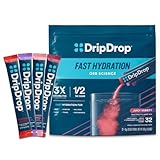
DripDrop was developed by a physician, Dr. Eduardo Dolhun, specifically around WHO oral rehydration therapy principles. ORS formulas use a precise sodium-to-glucose ratio to activate the intestinal sodium-glucose cotransporter (SGLT1), which drives sodium — and water — into cells faster than passive absorption alone. The 330 mg sodium and 7 g glucose in DripDrop hit the target range for cotransporter activation without reaching the sugar levels of consumer sports drinks like Gatorade (21 g) or Powerade (21 g).
For GLP-1 users dealing with active dehydration — after a vomiting episode, after a day of significantly reduced fluid intake, or in the first week of a new dose when nausea is highest — an ORS mechanism is the clinically supported intervention. This is the product to reach for when the problem is urgent, not just preventive.
Form detail: DripDrop also includes potassium (180 mg), zinc (6 mg), and vitamin C (60 mg). The zinc and vitamin C are not core to the hydration mechanism but are not harmful at these doses.
The math: At roughly $1.30/stick in a standard variety pack, DripDrop sits in the mid-tier on cost. It's not the product for daily low-level maintenance if you're budget-conscious; it's the product for the days when dehydration has already set in.
Caveats for GLP-1 users: The 7 g glucose per serving is low relative to sports drinks but not zero. If you're tracking carbohydrates carefully, account for it. If nausea is severe enough that even 7 g sugar makes the product hard to finish, default to a zero-sugar formula and sip slowly rather than abandoning electrolytes altogether.
Actionable takeaway: DripDrop is the pick for the acute dehydration scenario — first weeks on a new GLP-1 dose, a difficult nausea day, or any time passive hydration isn't cutting it.
Best No-Sugar: Ultima Replenisher Electrolyte Powder Variety Pack
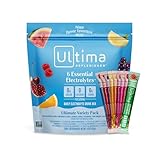
Ultima Replenisher is a zero-sugar, plant-based electrolyte formula with a lower sodium ceiling (55 mg per serving) than other picks on this list. That's a meaningful distinction: Ultima is designed for maintenance hydration rather than aggressive sodium replacement. For GLP-1 users who are past the acute early-protocol weeks, are exercising lightly, and want a daily habit that's easy on the stomach and virtually impossible to oversupplement, Ultima is the closest match.
The taste profile is lighter than LMNT or DripDrop — sweetened with stevia and real fruit flavors, with none of the salty finish that higher-sodium products carry. This makes it the most palatable option for users with persistent GLP-1-related taste sensitivity.
Form detail: Six electrolytes (sodium, potassium, magnesium, calcium, phosphorus, chloride) in one formula. The magnesium dose (30 mg) is modest but present — helpful given that magnesium is frequently depleted alongside sodium in a caloric deficit.
The math: At roughly $0.90/serving in a standard tub, Ultima is mid-tier on cost. The variety pack stick format runs slightly higher per serving but removes the need for a scoop and a tub, which matters if you're mixing on the go.
Caveats for GLP-1 users: The 55 mg sodium dose is therapeutic for someone whose dehydration is mild and whose diet includes regular sodium from food. It is insufficient as a standalone intervention for someone in early GLP-1 protocol with significant nausea, reduced food intake, and active fluid loss. If you're in that phase, start with LMNT or DripDrop and shift to Ultima once you're in a stable maintenance window.
Actionable takeaway: Ultima is the right daily-maintenance pick for GLP-1 users who are past the acute adjustment phase and want a clean, low-friction, no-sugar hydration habit.
Best for Mild Dehydration: Liquid IV Hydration Multiplier 16 Stick Pack

Liquid IV markets itself on cellular transport technology (CTT), which is functionally a consumer framing of the same ORS sodium-glucose cotransport mechanism used by DripDrop. At 500 mg sodium and 11 g sugar (sucrose) per serving, it delivers more sodium than DripDrop but significantly more sugar. The sucrose load is the primary reason it ranks fourth rather than higher on this list for GLP-1 users specifically.
For users without significant nausea — those on a stable GLP-1 dose 3+ months in, with appetite normalized — Liquid IV is a competent general hydration product with wide retail availability, multiple flavors, and the name-brand recognition that comes with extensive influencer marketing and Costco placement. It works. The reservation is nausea context, not formula quality.
Form detail: Liquid IV's formula includes B vitamins (B3, B5, B6, B12) and vitamin C at 100% DV. These are not core to the hydration mechanism but add some nutritional value. The sucrose is from cane sugar — relevant for users monitoring added sugars for metabolic reasons.
The math: At $1.25/stick in the 16-count variety pack, Liquid IV is mid-range on cost. Larger pack sizes (30-count, Costco 64-count) drop the per-stick price meaningfully.
Caveats for GLP-1 users: The 11 g sucrose can exacerbate nausea in the acute phase of GLP-1 therapy. If you've tried Liquid IV and found it made nausea worse, that's why. Switching to a zero-sugar formula (LMNT, Ultima, KEY Nutrients) resolves this for most users. Do not assume the nausea worsening is the electrolyte product itself — it's the sugar, not the sodium.
Actionable takeaway: Liquid IV is a solid pick for mild dehydration in stable GLP-1 users without active nausea. Avoid in the first 4-8 weeks of a new dose or dose increase if nausea is present.
Best Budget: KEY Nutrients Electrolyte Powder No Sugar

KEY Nutrients is the budget entry: zero sugar, 385 mg sodium, potassium, magnesium, and a clean label at roughly $0.50/serving. At that price point, it's three times cheaper than LMNT and less than half the cost of DripDrop. For GLP-1 users who want a daily electrolyte habit without the premium pricing of the top picks, this is the no-friction starting point.
The formula is straightforward. No adaptogens, no B vitamins in megadoses, no proprietary blend language. What you see is what you get, and the 385 mg sodium sits in a practical middle range — meaningfully more than Ultima's 55 mg, well below LMNT's 1000 mg.
Form detail: KEY Nutrients uses stevia as the sweetener. Some users find stevia aftertaste noticeable; if you're sensitive to stevia, check the flavor reviews before committing to a large tub.
The math: A standard tub provides roughly 90 servings at $0.50/serving. That's $45/mo at one serving per day — equivalent in monthly cost to LMNT's premium stick pack, but with three times the serving count and none of the per-stick convenience. The trade-off is flexibility (tub requires a scoop and measuring) versus portability (LMNT stick packs go anywhere).
Caveats for GLP-1 users: The 385 mg sodium is a maintenance dose. If you're in the first weeks of a GLP-1 protocol with active nausea and significant fluid loss, this may not be enough sodium to close the gap. Start with a higher-sodium product and shift to KEY Nutrients once your protocol is stable.
Actionable takeaway: KEY Nutrients is the right pick when budget is the primary constraint and you're in a stable GLP-1 phase. It delivers the core electrolyte function — zero sugar, reasonable sodium — at the lowest cost per serving on this list.
Important caveats and when to call your prescriber
Electrolyte supplements are generally well tolerated, but GLP-1 medications introduce specific co-considerations.
Call your prescriber before starting an electrolyte protocol if:
- You have chronic kidney disease (CKD) at any stage. The kidneys regulate electrolyte excretion, and supplementing sodium and potassium in impaired renal function requires medical supervision.
- You are on diuretics (hydrochlorothiazide, furosemide, spironolactone). Diuretics alter electrolyte balance by design; adding an electrolyte supplement without prescriber coordination can produce unexpected interactions with potassium in particular.
- You are on ACE inhibitors or ARBs (lisinopril, losartan, etc.) for blood pressure. These medications can cause potassium retention; high-potassium electrolyte formulas may push levels further than intended.
- You have been prescribed a sodium-restricted diet for heart failure, hypertension, or edema management. High-sodium electrolyte products (LMNT at 1000 mg/serving) can conflict directly with those restrictions.
- You develop symptoms of hyponatremia (confusion, headache, nausea with excessive water intake). Hyponatremia — low blood sodium from overhydration without electrolyte replacement — is rare but more theoretically possible if you're drinking large quantities of plain water to compensate for GLP-1-related thirst blunting without any sodium intake. The fix is electrolytes, but the diagnosis should be confirmed medically.
Watch for these signals during GLP-1 + electrolyte use:
- Persistent muscle cramps despite electrolyte supplementation may indicate magnesium deficiency rather than sodium deficiency. Magnesium is underrepresented in many electrolyte products relative to its depletion rate in caloric restriction. A separate magnesium glycinate supplement (200-400 mg before bed) is sometimes warranted — ask your prescriber.
- Constipation that doesn't respond to hydration protocol changes warrants a conversation. GLP-1-induced constipation has multiple drivers beyond fluid balance, including reduced GI motility. Electrolyte supplementation alone is not a constipation treatment.
This article is for informational purposes only and does not constitute medical advice. Ask your prescriber before adding any electrolyte protocol if you're on tirzepatide or semaglutide.
Related reading
- Supplements for GLP-1 muscle loss: what the evidence says
- Is LMNT worth it? An honest review
- LMNT alternatives on Amazon: 6 options ranked
- How we review supplements
For 2026 pricing across DTC supplement subscriptions and their Amazon equivalents, see our DTC supplement pricing reference.
Stacking this with other supplements? Our companion app, StackMyMed, totals your real daily intake of each mineral and spaces anything that should not be taken together, with reminders for the right timing.
Bottom line by use case
| GLP-1 stage / use case | Recommendation |
|---|---|
| First 4-8 weeks on a new dose, active nausea | DripDrop ORS (clinical absorption) or LMNT (zero sugar, high sodium) |
| Active dehydration episode (vomiting, significant missed fluid day) | DripDrop ORS |
| Stable protocol, exercising, sweating significantly | LMNT Recharge |
| Stable protocol, light activity, maintenance hydration | Ultima Replenisher or KEY Nutrients |
| Budget-first, stable protocol | KEY Nutrients ($0.50/serving) |
| General hydration, no nausea, familiar with electrolytes | Liquid IV Hydration Multiplier |
| Prescriber-advised sodium restriction | Ultima Replenisher (55 mg sodium), confirm dose is appropriate |
If you're unsure which phase you're in, start with Ultima or KEY Nutrients (lowest sodium ceiling, zero sugar, hardest to oversupplement) and scale up to LMNT if fatigue, cramps, or headaches persist after two weeks.
As an Amazon Associate, I earn from qualifying purchases. Product recommendations are based on real reviews and independent research. This article does not constitute medical advice, coordinate any supplement protocol with your healthcare team, particularly if you are on a GLP-1 receptor agonist medication.
As an Amazon Associate, I earn from qualifying purchases. Product recommendations are based on real reviews and independent research.
Editorial independence note: UV earns affiliate commissions from Amazon and (selectively) from DTC brand affiliate programs. Commissions never determine our recommendations — top picks are chosen first; affiliate links are added second. Read our full methodology and editorial independence policy →
