

Affiliate disclosure: this article contains affiliate links. As an Amazon Associate, UsefulVitamins.com earns from qualifying purchases at no extra cost to you.
If you're searching for the best supplements for osteoporosis prevention, you're probably either staring down a recent DXA report, watching your mother lose height, or you've hit your mid-40s and read enough to know bone loss accelerates earlier than most people expect.
Quick Answer: which supplements actually move the needle?
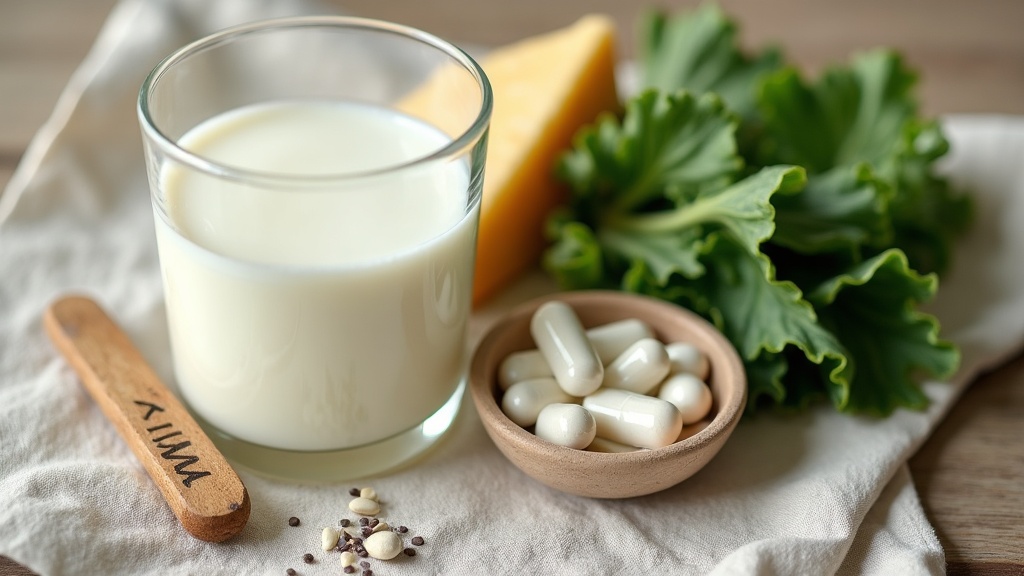
For most perimenopausal and postmenopausal women, men over 60, and adults on long-term steroids, a modest calcium top-up plus daily vitamin D3 covers the bulk of the bone-protective evidence. Magnesium and vitamin K2 are reasonable adjuncts if your diet is light on greens.
- Best for: women 45+, men 60+, long-term glucocorticoid users, low-BMI adults, anyone with a family history of hip or vertebral fracture.
- Not ideal for: anyone with diagnosed osteoporosis assuming supplements alone are the plan, anyone on warfarin without their cardiologist in the loop, anyone with kidney stones or hypercalcemia.
- What to look at before buying: a 24-hour dietary recall (dairy, leafy greens, canned fish with bones, fortified plant milks) and a recent 25-hydroxyvitamin D blood test.
- Decision shortcut: count calcium-rich foods in a typical week, subtract from the 1,000–1,200 mg/day target, and supplement only the gap. Don't megadose.
What osteoporosis prevention actually means
Osteoporosis is a skeletal condition where bone mineral density (BMD) drops and bone microarchitecture deteriorates, leaving you more likely to fracture from a low-energy fall. It's diagnosed clinically when a DXA scan returns a T-score at or below -2.5, or when someone breaks a hip or vertebra from a minor mechanism.
Prevention is different. Prevention is what you do in the 15 to 25 years before that DXA result lands. The two clearest mechanisms to influence are peak bone mass (built mostly before age 30) and the rate of bone loss after menopause or after age 65 in men. Estrogen withdrawal accelerates resorption by osteoclasts, while calcium, vitamin D, and protein status set the ceiling on how well osteoblasts can lay down new matrix. Long-term steroid use, low body weight, smoking, and high alcohol intake all tip the balance toward loss.
Standard of care is set by the International Osteoporosis Foundation and, in the US, the AACE/ACE 2020 guidelines and the USPSTF screening recommendation. DXA screening is recommended for women 65 and older, men 70 and older, and earlier with risk factors. When the T-score crosses -2.5 or a fragility fracture occurs, pharmacologic therapy is the standard, typically bisphosphonates or denosumab. Supplements are a prevention layer and an adjunct, not a substitute for that pharmacologic step if it's indicated.
The supplements with the strongest evidence

Calcium
Calcium is the building block. The recommended intake for women 51+ and men 71+ is 1,200 mg per day total, including diet. For most younger adults the RDA sits at 1,000 mg. The average US diet covers roughly 700 to 900 mg of calcium in adults who eat dairy and leafy greens, which means a typical supplement only needs to close a 200 to 400 mg gap, not deliver the whole target.
A 2021 BMJ-affiliated meta-analysis (Yao et al., 2021) found that calcium plus vitamin D supplementation reduced total fracture risk by about 6% and hip fracture risk by about 16% in community-dwelling older adults. The signal was strongest when calcium was paired with vitamin D, weaker for calcium alone.
There is a real cardiovascular debate worth naming. Several analyses led by Bolland and others (Bolland et al., 2010) suggested supplemental calcium without vitamin D may modestly raise myocardial infarction risk, particularly when delivered in single large doses. Later analyses softened the signal, and dietary calcium has not shown the same association. The pragmatic takeaway is simple: get calcium from food where possible, and if you supplement, split the dose and stay near the gap, not the ceiling.
- Dose used in trials: 500–1,000 mg/day, split into 1–2 doses, paired with vitamin D
- Form to look for: calcium citrate if you're over 60, on a PPI, or have low stomach acid; calcium carbonate is fine with meals if your acid is normal
- Skip if: history of kidney stones, hypercalcemia, sarcoidosis, or you're already hitting 1,200 mg from food
Actionable takeaway: count what you actually eat for one week. Dairy plus leafy greens plus canned salmon with bones cover most of the calcium target for a typical Western diet, and a 300 to 500 mg supplement is usually enough to close the rest.
Vitamin D3
Vitamin D is the partner nutrient. It governs intestinal calcium absorption and influences osteoblast and osteoclast signaling. The NIH ODS RDA is 600 IU per day for adults under 70 and 800 IU for adults over 70, with a tolerable upper intake of 4,000 IU. Most osteoporosis-prevention literature uses 1,000 to 2,000 IU per day to maintain serum 25-hydroxyvitamin D above 30 ng/mL.
The same Yao 2021 meta-analysis found that vitamin D plus calcium reduced fracture risk; vitamin D alone, without calcium, showed a weaker signal. The IOF position statement recommends 800 to 1,000 IU/day in older adults, with higher doses individualized for those who test deficient.
- Dose used in trials: 800–2,000 IU/day for prevention; loading doses only under clinician supervision when 25(OH)D is under 20 ng/mL
- Form to look for: D3 (cholecalciferol) rather than D2 (ergocalciferol); taken with a meal containing some fat
- Skip if: granulomatous disease like sarcoidosis (your body activates D unusually), hypercalcemia, or you're already at 50+ ng/mL on labs
Blood work changes the question. Ask your doctor about a 25-hydroxyvitamin D test before you assume you're low or guess at a megadose; status varies far more than people realize, especially in winter at higher latitudes. For a deeper read on choosing a product, see our best vitamin D supplements breakdown.
Magnesium
Magnesium is a co-factor in bone matrix mineralization and in the enzymatic activation of vitamin D. The RDA sits at 320 mg/day for women and 420 mg/day for men over 30. NHANES data (Orchard et al., 2014) and a 2017 analysis (PMID 28404575) link higher dietary magnesium intake to better BMD at the hip and femoral neck in older adults. Direct supplementation RCTs for fracture endpoints are limited, but the mechanistic case is solid and the average US diet covers only about 60 to 70% of the RDA.
- Dose used in studies: 200–400 mg/day to close the dietary gap
- Form to look for: magnesium glycinate or citrate; oxide is poorly absorbed and laxative at higher doses
- Skip if: advanced kidney disease, certain heart rhythm disorders, or you're already eating substantial whole grains, legumes, nuts, and leafy greens
If you're already taking magnesium for another reason, our note on the best magnesium for sleep covers form choice in more detail.
Protein adequacy
This isn't a pill, but it's the most overlooked piece. The RDA of 0.8 g/kg/day is the floor for healthy young adults. Most bone and sarcopenia researchers now favor 1.0 to 1.2 g/kg/day for adults over 60, distributed across meals. Protein supports IGF-1, calcium absorption, and the muscle pull on bone that drives remodeling.
For most people the right move is to add a palm-sized protein portion at breakfast, not to buy whey. Whey or pea protein powders are fine if you're under-eating protein and your diet won't fix it. Aim for the dietary number first.
Supplements with moderate evidence
Vitamin K2 (MK-7)
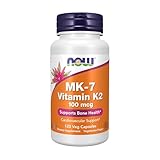
Vitamin K2 helps activate osteocalcin, a protein that binds calcium into bone matrix. A 3-year RCT in postmenopausal women (Knapen et al., 2013, n=244) found that 180 mcg/day of MK-7 modestly slowed loss at the lumbar spine and femoral neck and improved bone strength markers. Effects were small but consistent.
K2 is a reasonable adjunct if your diet is low in fermented foods (natto, aged cheeses) and dark leafy greens. The evidence is not strong enough to put it ahead of calcium or vitamin D.
- Dose used in trials: 90–180 mcg/day MK-7
- Form: MK-7 has a longer half-life than MK-4; vitamin K1 supplements don't substitute well for bone outcomes
- Skip if: you are on warfarin. Vitamin K antagonizes warfarin's mechanism, and any supplemental vitamin K, even modest doses, can shift your INR. Talk to your anticoagulation clinic before adding K2. Sources: NIH ODS Vitamin K fact sheet and Drugs.com warfarin interactions.
Collagen peptides
A 12-month RCT in postmenopausal women with osteopenia (Konig et al., 2018, n=131) found 5 g/day of specific bioactive collagen peptides was associated with measurable increases in BMD at the spine and femoral neck versus placebo. Mechanistically, the amino acid profile may support bone matrix collagen synthesis.
This is a single positive trial with a specific peptide profile, so the evidence is moderate, not strong. The dose is modest and the safety profile is excellent. Worth considering if your overall protein intake is borderline.
- Dose: ~5 g/day of specific bioactive collagen peptides
- Skip if: you have a known allergy to the source protein (bovine, marine, porcine)
Soy isoflavones
Trials in postmenopausal women suggest a small protective effect on BMD at the lumbar spine, with mixed results at the hip. The effect size is smaller than calcium plus vitamin D, and isoflavones may not be appropriate for women with hormone-sensitive cancer history. Treat as a dietary addition (tempeh, edamame, tofu) before reaching for an extract.
Popular but evidence-thin
Strontium
Strontium ranelate was approved as a prescription bone drug in parts of Europe a decade ago and later restricted because of cardiovascular and thromboembolic concerns. Over-the-counter strontium citrate is still sold for bones, and search interest is high. The supplemental form is not FDA approved for osteoporosis, the safety data on the supplement form specifically are thin, and strontium artificially inflates DXA results because it's denser than calcium. We do not recommend it. If your clinician is considering the prescription strontium pathway, that's a different conversation that belongs in their office.
Boron
Boron is a trace mineral that may influence calcium and magnesium metabolism. Human bone-outcome data are weak. If you eat fruit, vegetables, and nuts, you're likely getting enough. A dedicated supplement is rarely justified.
What to look for when buying
A supplement brand can look impressive on a label and still miss the basics. Use these filters:
- Form first. Calcium citrate for older adults and PPI users; calcium carbonate with food otherwise. D3 not D2. Magnesium glycinate or citrate not oxide. MK-7 not MK-4 or K1 for bone outcomes.
- Dose per pill matches what you actually need to close. Splitting 500 mg calcium morning and evening absorbs better than 1,000 mg at once.
- Third-party verified. Look for USP Verified, NSF Certified, or ConsumerLab Approved marks on the label.
- No proprietary blends without per-ingredient mg. If the calcium dose is hidden inside a "bone matrix complex," walk away.
The real question isn't which brand is cheapest, it's whether the dose on the label closes a real gap in your diet.
When supplements are not enough
Supplements are prevention. They are not the right tool to manage diagnosed osteoporosis on their own. Talk to a clinician if any of these apply:
- A DXA T-score at or below -2.5, or a fragility fracture (hip, vertebra, distal radius from a low-energy fall)
- A FRAX 10-year hip fracture probability above 3% or major osteoporotic fracture probability above 20%
- Long-term oral glucocorticoid use (≥5 mg prednisone equivalent for ≥3 months)
- Unexplained height loss of more than 1.5 inches, new mid-back pain, or a kyphotic posture change
- Premature menopause (before age 45) or surgical menopause without hormone therapy decision-making
These are signals for evaluation and likely pharmacologic treatment, not for adding another bottle.
FAQ
How much calcium per day for osteoporosis prevention? The total target is 1,000 mg/day under age 50 and 1,200 mg/day for women 51+ and men 71+, combining diet and supplements. Most people don't need a 1,000 mg supplement on top of their diet; a 300–500 mg top-up is usually closer to the truth. See the NIH ODS calcium fact sheet for full DRI tables.
Is vitamin D alone enough to prevent bone loss? Probably not. The strongest fracture-prevention signal in the meta-analyses comes from calcium and vitamin D together. Vitamin D corrects absorption; calcium provides the material. Combining them outperforms either alone.
Can I prevent osteoporosis with diet only? For many people, yes. A diet that consistently delivers calcium, protein, magnesium, and vitamin K, plus weight-bearing exercise and adequate sun or fortified-food vitamin D, covers the building blocks. Supplements earn their place when the diet doesn't, or when absorption is impaired.
Are collagen peptides really useful for bones? The evidence is one positive 12-month RCT with a specific peptide blend. Promising, but moderate, not strong. If your overall protein is low, a daily 5 g serving is a low-risk addition with a small upside.
Do I need a different approach if I have arthritis too? Some overlap, some divergence. Bone-supportive nutrients are largely separate from joint-cartilage supplements like glucosamine or omega-3s for inflammation. For the joint-pain side, see our breakdown of the best supplements for arthritis.
If you are stacking a few supplements for this, StackMyMed (our companion app) tracks what you actually take, schedules the best time for each one, and flags any combinations worth a second look.
Conclusion: the bottom line on best supplements for osteoporosis prevention
For most adults working on prevention, the highest-value moves are simple and unglamorous: cover the calcium gap with food and a small targeted supplement, keep 25-hydroxyvitamin D above 30 ng/mL with 1,000 to 2,000 IU of D3 a day, hit a magnesium intake close to the RDA, and eat enough protein. Vitamin K2 and a specific collagen peptide are reasonable adjuncts for the right person, and strontium, boron, and most "bone complex" megadose pills can be skipped. None of this replaces a DXA scan, a real conversation with your clinician, or pharmacologic treatment when it's indicated.
Next steps:
- Run a 7-day informal dietary recall and estimate your typical calcium intake before buying anything.
- Ask your primary care clinician for a 25-hydroxyvitamin D test if you haven't had one in the past 12 months.
- Read how we review supplements to understand the framework behind these picks, and see Sarah Thompson's author page for related nutrition coverage.
Reviewed by Sarah Thompson, Registered Dietitian, focused on vitamin and mineral nutrition.
This article is for informational purposes and not medical advice. Supplements can interact with medications and health conditions. Consult a licensed physician before starting any supplement, particularly if you are pregnant, nursing, taking prescription medications such as warfarin or thyroid hormone, or managing a chronic condition like kidney disease or hypercalcemia.
Recommended Products

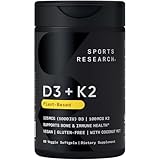
As an Amazon Associate, UsefulVitamins.com earns from qualifying purchases at no extra cost to you. We only recommend products supported by published research or third-party testing.
