

Affiliate disclosure: this article contains affiliate links. As an Amazon Associate, UsefulVitamins.com earns from qualifying purchases at no extra cost to you.
If you searched for the best supplements for dark circles under your eyes, you have probably already cycled through caffeine eye creams, cold spoons, and concealer, and you want to know whether a vitamin bottle can do something the cosmetic counter cannot. Honest answer: supplements help two specific dark-circle types, the iron-deficient pale-skin pattern and the melanin-driven pigmented pattern, and do nothing useful for hollow tear troughs or visible vasculature..
Before you decide
The 2 to 3 supplements worth starting with, only after you identify which type you have:
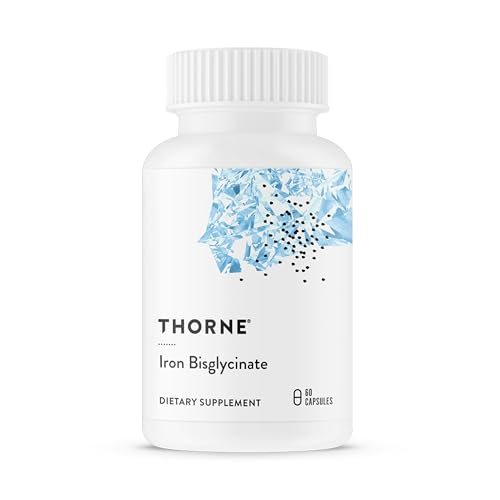
- Iron (25 to 65 mg elemental iron per day, ferrous bisglycinate, with vitamin C, only if ferritin is below 30 ng/mL). If your dark circles come with pale skin, fatigue, and heavy periods, low iron is the most fixable driver on this list.
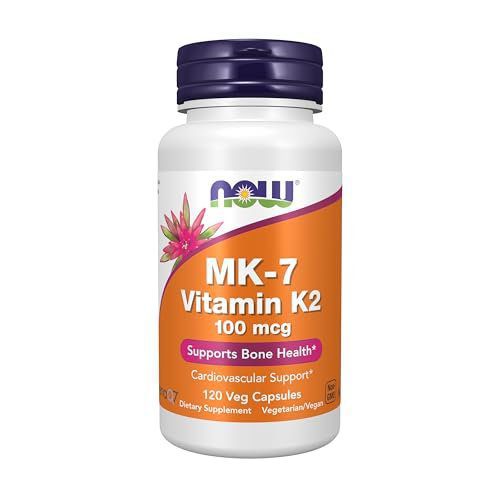
- Vitamin K2 (90 to 180 mcg/day, MK-7 form). The vascular-framing nutrient. Strongest case is for circles where the bluish color is visible blood vessels through thin under-eye skin.
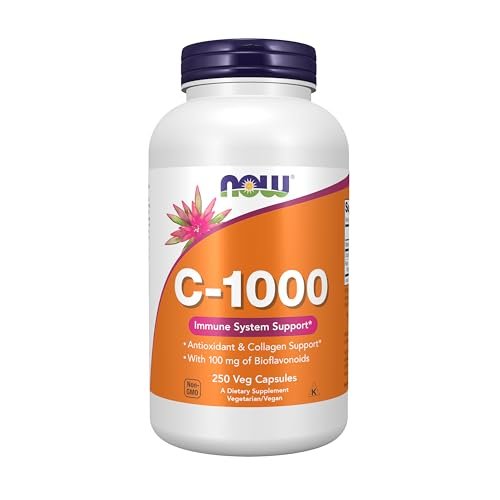
- Vitamin C (500 to 1,000 mg/day, split). Collagen substrate for the under-eye dermis, plus iron-absorption helper.
Who should not start with these: anyone whose dark circles started suddenly with eye pain, swelling, or vision change (that needs a clinician), anyone whose circles are clearly tear-trough hollows from aging or genetics (supplements do not refill anatomy), and anyone on warfarin or a direct oral anticoagulant who has not discussed vitamin K with their pharmacist.
Before adding supplements, do the boring high-leverage work: sleep 7 to 9 hours, hydrate (a pale-yellow urine target), manage allergies that cause rubbing and "allergic shiners", and book a dermatology visit to identify the type of dark circle you actually have. The standard of care per the American Academy of Dermatology guidance on periorbital hyperpigmentation is type identification first, then topical retinoids, hydroquinone (now prescription-only in many countries), kojic acid, vascular lasers for the vascular type, or hyaluronic acid filler for the structural hollow type. Supplements are an adjunct, not a replacement.
What dark circles under the eyes actually are, briefly
"Dark circles" is a category, not a single diagnosis, and the type drives the treatment. The Vrcek et al. 2016 review of periorbital dark circles classifies them into five overlapping patterns, and the Ranu et al. 2011 study of 200 patients confirms most adults present with a mix of more than one.
Vascular dark circles are the bluish color you see when blood vessels show through thin under-eye skin. Common in fair skin, often inherited, worse after poor sleep because vasodilation increases. The fix is anatomy-aware: vitamin K, vascular laser, or filler that thickens the skin between the vessels and the surface.
Pigmented dark circles are melanin deposition in the dermis, most common in skin of color (Fitzpatrick III to VI) and in people with chronic sun exposure or chronic eyelid eczema. They look brown rather than blue. This is the pattern with the most evidence for oral nutrition.
Structural dark circles are tear-trough hollows from age-related fat-pad loss or inherited anatomy. The shadow comes from how light falls across the depression. No oral supplement closes a structural hollow. The dermatology answer is hyaluronic acid filler.
Allergic shiners are dark, congested-looking circles from chronic nasal allergy or atopic eczema with eyelid rubbing. Treating the allergy is the real intervention.
Pseudo-dark circles are temporary darkening that follows poor sleep, dehydration, alcohol, or high-sodium meals. Sleep and water fix this.
The supplements that earn space here either correct an iron deficiency that makes under-eye skin look paler (iron), support vascular framing (K2), provide collagen substrate for the dermis (C), or modulate melanin in the pigmented type. None refill a tear-trough hollow.
The supplements with the strongest evidence

Iron (only if ferritin is under 30 ng/mL)
Why it helps. Iron deficiency, anemic or not, reduces hemoglobin in dermal capillaries and lowers oxygen tension in the under-eye microcirculation. The skin around the eye looks paler, which makes any underlying vasculature more prominent, and the fatigue arrives in the same window. The Almohanna et al. 2018 nutrient-deficiency review catalogs the skin manifestations of low iron, including pallor and periorbital darkening, in women of reproductive age. The clinical threshold most dermatologists use is a serum ferritin of 30 ng/mL, and a "normal" CBC with a ferritin of 14 is not normal for a menstruating woman with new dark circles and fatigue.
What the trials show. The intervention literature for iron specifically in periorbital hyperpigmentation is observational, not RCT-driven. The connection is well-established in the Vrcek 2016 review, and the underlying anemia literature is conclusive: repletion to ferritin above 70 ng/mL improves skin pallor and fatigue over 3 to 6 months in women who started below threshold. Blood work changes the question. Without it you are guessing which supplement to add.
Dose used in trials. 25 to 65 mg of elemental iron per day, taken on alternate days with vitamin C. Alternate-day dosing produces better absorption per dose than daily dosing because hepcidin downregulation after each dose blocks the next day's uptake.
Form to look for. Ferrous bisglycinate (gentle on the gut) or iron polysaccharide complex if you tolerate iron poorly. Ferrous sulfate is cheap and effective but more constipating. Separate iron from levothyroxine by at least 4 hours per the NIH ODS iron fact sheet, and the same separation from calcium and coffee, all of which block absorption. Recheck ferritin at 3 months.
Skip if your ferritin is already above 70 ng/mL, you carry a hemochromatosis gene variant, or you have not had a baseline lab.
Vitamin K2 (MK-7 form)
Why it helps. Vitamin K2 activates matrix Gla protein and other vascular regulators that contribute to capillary integrity and to clearing of subcutaneous heme breakdown products. The case is strongest for the vascular type of dark circle, where venous stasis and hemoglobin extravasation contribute to the bluish color visible through thin under-eye skin. Topical vitamin K has been used in dermatology to speed resolution of postoperative bruising for two decades; the systemic case is more recent.
What the trials show. Oral vitamin K2 evidence for dark circles specifically is still emerging. The Mostafa et al. 2015 trial of topical vitamin K oxide showed faster resolution of periorbital ecchymosis and discoloration after laser and surgical procedures, which supports the mechanism in vivo. The oral K2 literature is strongest on bone and cardiovascular endpoints (matrix Gla protein activation); the dark-circle indication is extrapolated from that mechanism plus dermatology case experience.
Dose used in trials. 90 to 180 mcg/day of MK-7 (menaquinone-7), the longest-acting menaquinone form, taken with a fat-containing meal.
Form to look for. MK-7 is more bioavailable than MK-4 at non-clinical doses. Avoid generic "vitamin K complex" without per-form milligrams listed.
Skip if you are on warfarin or a direct oral anticoagulant. Vitamin K is the specific antagonist of warfarin and even modest changes in K intake can swing INR. Per the Drugs.com interaction monograph for vitamin K and warfarin, patients on anticoagulants need pharmacist input before any K2 product.
Vitamin C (collagen substrate plus iron-absorption helper)
Why it helps. Vitamin C is a required cofactor for prolyl and lysyl hydroxylases, the enzymes that crosslink collagen in the dermis. Under-eye skin is among the thinnest on the body (about 0.5 mm) and depends on collagen density for its opacity. Low vitamin C also reduces non-heme iron absorption, so a vitamin-C-light diet on top of low iron compounds the pallor problem.
What the trials show. The systemic dark-circle RCT literature for oral vitamin C is thin; the relevant evidence is the topical dermatology literature (clear pigmentation benefit) and the broader Almohanna nutrient-deficiency review noting skin pallor and capillary fragility with frank vitamin C inadequacy. The honest framing is collagen substrate plus iron-absorption helper, not "vitamin C cures dark circles."
Dose used in trials. The NIH ODS vitamin C fact sheet lists an RDA of 75 mg for women and 90 mg for men, upper limit 2,000 mg/day. A typical 2,000-kcal pattern with citrus, capsicum, kiwi, and leafy greens clears the RDA. Supplemental doses in skin and immune contexts are 500 to 1,000 mg/day, split.
Form to look for. Standard ascorbic acid works for most people. If you get gut irritation, try buffered (sodium or calcium ascorbate) or liposomal forms. Food sources cover this for most people who eat broadly.
Skip if you have a history of calcium-oxalate kidney stones, hemochromatosis, or G6PD deficiency. Talk to your clinician before doses above 1,000 mg.
Supplements with moderate evidence (consider with caveats)
Oral L-cysteine plus glutathione (for the pigmented type, mostly in skin of color)
Worth considering if your dark circles are clearly the brown, pigmented type rather than the bluish vascular type, and if you have already tried topical brightening for at least 3 months. Mechanistically, glutathione shifts melanogenesis from eumelanin (brown-black) toward pheomelanin (yellow-red) by inhibiting tyrosinase, and L-cysteine is a rate-limiting substrate for endogenous glutathione synthesis.
The Sasaki et al. 2020 trial of oral L-cysteine and glutathione for facial hyperpigmentation in Asian skin reported measurable melanin-index reduction over 8 to 12 weeks. The Watanabe et al. 2014 oral glutathione trial reported a similar small but measurable signal. The literature is concentrated in Asian dermatology journals, sample sizes are modest, and replication outside those populations is limited.
Dose: 250 to 500 mg/day of reduced (GSH) glutathione, and 500 to 1,000 mg/day of L-cysteine or N-acetylcysteine (NAC), for at least 8 to 12 weeks. Skip if pregnant or breastfeeding (limited safety data), or if you have severe asthma without clinician oversight.
Topical vitamin K1 (mentioned because readers Google it as a supplement)
Vitamin K1 has a place in dermatology, but the place is topical, not oral. Oral K1 has no demonstrated benefit for dark circles distinct from K2. Topical K1 creams have been used after laser, bruising, or surgery to speed resolution of periorbital discoloration; the Mostafa 2015 topical K-oxide trial supports that use. If you want K for under-eye discoloration, the higher-leverage choice is the topical, not an oral K1 capsule.
Popular but evidence-thin (skip, or treat as low-priority)
Oral niacinamide (B3) for dark circles
Niacinamide is widely recommended for hyperpigmentation, and the topical evidence is genuinely strong: it reduces melanosome transfer from melanocytes to keratinocytes and has clear RCT signal for photoaging and pigmentation. The oral case is much weaker. There is no good RCT showing oral niacinamide reduces periorbital pigmentation at any dose. If you want niacinamide for dark circles, use the 5 percent topical serum, not a 500 mg oral capsule.
Hair-skin-nail multivitamins with biotin
The hair-skin-nail aisle markets biotin for "skin radiance" and "reducing dark circles." Biotin does nothing for non-deficient adults and actively interferes with thyroid, cardiac, and hormone immunoassays at the doses in these products, which is a real way to miss the thyroid problem that itself contributes to under-eye darkness. The "skin radiance" framing is marketing, not trial data.
What to look for when buying
- Form matters. Ferrous bisglycinate for iron, MK-7 form for vitamin K2, standard or liposomal ascorbic acid for vitamin C, reduced (GSH) glutathione (not oxidized) if you go that route.
- Third-party verification. USP Verified, NSF Certified for Sport, or ConsumerLab Approved on the bottle. Iron, vitamin K, and glutathione products all carry mislabeling risk.
- Red flags. Proprietary blends without per-ingredient milligrams, "biotin 10,000 mcg" front-and-center marketing, hair-skin-nail formulas that bury iron at 1 mg per serving.
- Dosing strategy. Iron on alternate days with vitamin C, separated 4 hours from levothyroxine and calcium. Vitamin K2 with a fat-containing meal, not at all on an anticoagulant without pharmacist input. Vitamin C split twice daily.
When supplements are NOT enough
Stop the supplement experiment and book dermatology or ophthalmology if any of the following are true. Sudden dark circles with eye pain, swelling, fever, or vision change (not a vitamin question). New unilateral discoloration (one side only needs a workup). Dark circles with persistent fatigue, cold intolerance, weight change, or menstrual irregularity (rule out thyroid disease and frank anemia). Dark circles where the dominant feature is a tear-trough hollow visible in any lighting (this is structural, and the answer is filler, not a supplement). Dark circles that have not budged after 6 months of sleep correction, iron repletion, and topical brightening.
The standard workup is dermatology with type identification: vascular, pigmented, structural, allergic, or mixed. Labs to consider include ferritin, CBC, TSH, and vitamin D. The procedural toolkit includes topical retinoids, prescription brightening agents (hydroquinone is now Rx in many countries; kojic acid, tranexamic acid, and azelaic acid are alternatives), vascular laser for prominent vasculature, and hyaluronic acid filler for tear-trough hollows. Supplements layer on top of that.
FAQ
Will drinking more water get rid of my dark circles? Hydration helps the pseudo-dark-circle pattern that follows poor sleep, a high-sodium meal, or alcohol. It does not change the underlying anatomy if your circles are vascular, pigmented, or structural. Pale-yellow urine is the simple target.
How long until I see results from iron? If your ferritin was under 30 ng/mL and you replete to over 70, expect improved skin tone and reduced fatigue by 3 to 6 months. The skin signal trails the energy signal by a few months.
Can vitamin K2 cause bruising or bleeding? Vitamin K2 supports clotting rather than impairing it. The concern is the opposite: K2 antagonizes warfarin. Anyone on warfarin or a direct oral anticoagulant should not start K2 without pharmacist input.
Is glutathione safe for skin lightening? Oral reduced glutathione at the trial doses (250 to 500 mg/day) has a reasonable short-term safety profile in healthy adults. Long-term safety data are limited, IV glutathione has been associated with serious adverse events outside strict clinical indications, and pregnancy or breastfeeding is a no.
Why are my dark circles worse after a bad night of sleep? Sleep deprivation increases vasodilation under the thin orbital skin, which makes any vascular component more visible. It also reduces dermal hydration and bumps cortisol-driven pigment activity. Sleep and water are doing more for your under-eye than most bottles will.
Conclusion: the bottom line on best supplements for dark circles under eyes
The honest synthesis: the supplements that actually move the needle for dark circles under the eyes correct a documented gap, primarily iron when ferritin is low and vitamin C when intake is inadequate, with K2 worth considering for the vascular pattern and L-cysteine plus glutathione for the pigmented pattern in skin of color. None refill a tear-trough hollow, none replace topical retinoids or vascular laser, and none substitute for sleep, hydration, and allergy management. The supplement that helps is the one that closes a real gap on top of the standard of care.
Next steps:
- Book a dermatology visit and ask for ferritin, TSH, and vitamin D before buying another bottle. Type identification is the leverage point.
- If part of the picture is also visible hair shedding alongside the dark circles, the iron and vitamin D framing overlaps directly with the best supplements for thinning hair in women.
- For the broader picture of how UV evaluates this category, read how we review supplements, and for the full archive see Sarah Thompson's author page.
This article is for informational purposes and not medical advice. Supplements, including iron, vitamin K2, and glutathione, can interact with medications and may be contraindicated in pregnancy or in specific conditions. Consult a licensed physician before starting any supplement, particularly if you are pregnant, nursing, taking prescription medications including anticoagulants or levothyroxine, or managing a chronic condition.
Reviewed by Sarah Thompson, Registered Dietitian, focused on vitamin and mineral nutrition.
Top picks on Amazon
As an Amazon Associate, I earn from qualifying purchases. Product recommendations are based on real reviews and independent research.
