

Affiliate disclosure: this article contains affiliate links. As an Amazon Associate, UsefulVitamins.com earns from qualifying purchases at no extra cost to you.
If you're searching for the best supplements for dogs with joint pain, you're probably watching an older dog rise more stiffly from her bed, hesitate at the stairs, or stop a walk earlier than she used to, and you want to know what actually helps before, or alongside, a prescription from your veterinarian.
Quick Answer: which supplements actually help canine joint pain
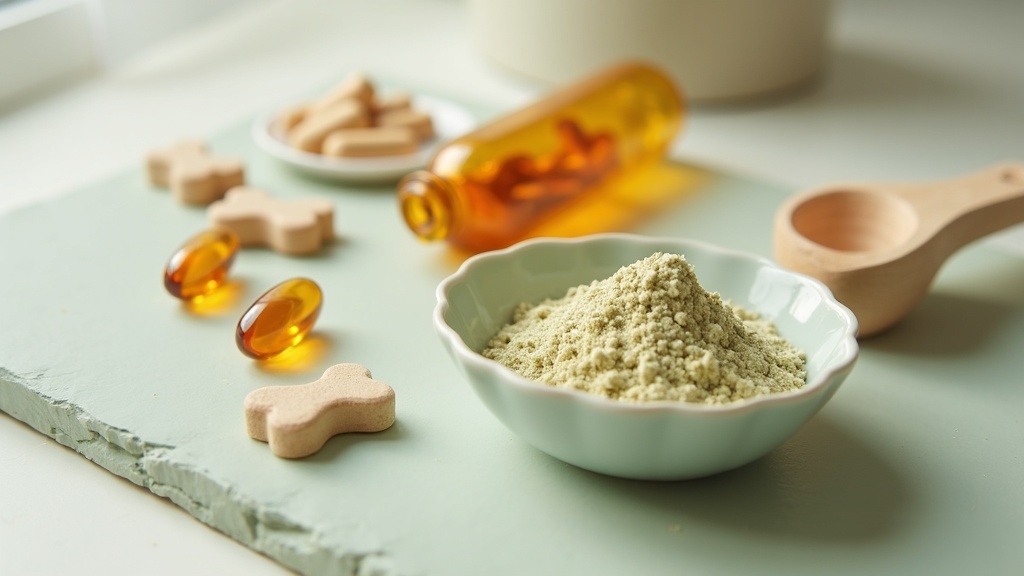
The 2 to 3 we'd start with first:
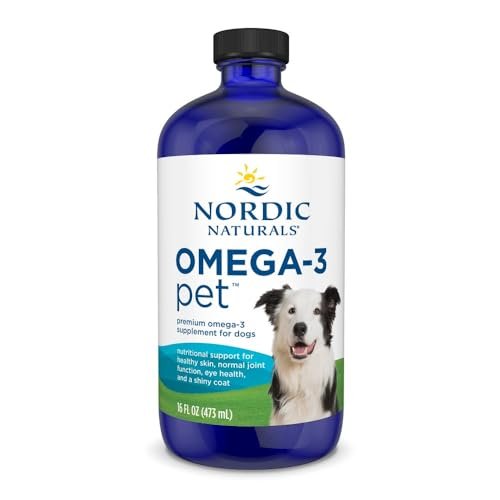
- EPA/DHA fish oil dosed by body weight (target around 100 mg combined EPA + DHA per kg/day): the single best-replicated supplement signal in veterinary OA literature, with multiple RCTs showing reduced lameness scores and lower NSAID requirements.
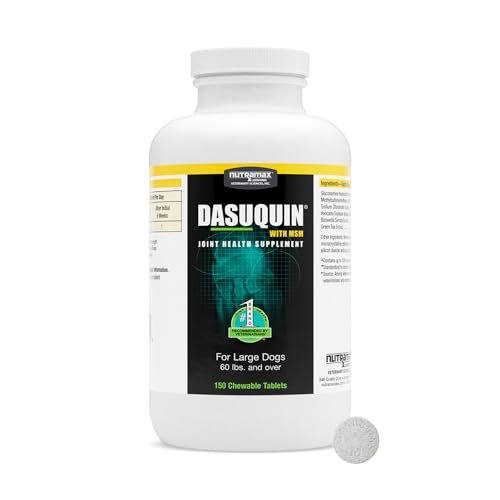
- Glucosamine + chondroitin + ASU combination (a Dasuquin-class formula at label dose): modest but consistent effect for cartilage support, best when started early and continued long-term.
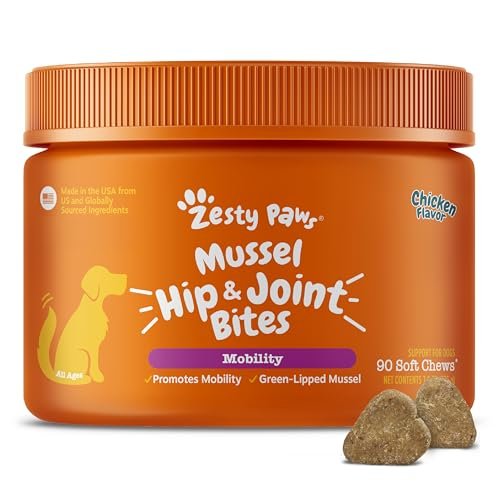
- Green-lipped mussel (Perna canaliculus, 50 to 100 mg/kg/day or per label): a marine source of glycosaminoglycans and omega-3s with a small but positive trial record.
Who should NOT start here:
- Any dog with acute lameness of unknown cause, sudden inability to bear weight, swelling, or fever. That's an exam and imaging conversation, not a supplement aisle.
- Any dog on warfarin, antiplatelet therapy, or a complex pre-surgical workup, until you've cleared each supplement with the prescribing veterinarian.
Do FIRST, before any supplement: book a veterinary exam to confirm osteoarthritis (versus cruciate ligament tear, hip dysplasia, immune-mediated polyarthritis, or neoplasia) and get an honest body-condition score. The AAHA 2022 Pain Management Guidelines for Dogs and Cats place weight management, an NSAID labeled for dogs (carprofen, meloxicam, deracoxib, firocoxib, or grapiprant/Galliprant), and structured physiotherapy as the foundation of canine OA care. Adequan injections and the newer monoclonal antibody Librela (bedinvetmab, FDA-approved May 2023) sit alongside that foundation. Supplements layer on top. They do not replace it. If you're skipping the vet visit because you would rather try a chew first, the supplement conversation is moot.
Critical safety warning before any human-medicine-cabinet thinking
This is the single most important paragraph in the article. Do not give your dog ibuprofen, naproxen, aspirin, or acetaminophen. "Lower dose of a human NSAID" is not safer than a vet NSAID. Human NSAIDs cause dose-dependent GI ulceration, acute kidney injury, and death in dogs at exposures that look small to a human reader. Acetaminophen depletes glutathione and causes fatal methemoglobinemia and hepatic necrosis in dogs; a single recreational dose can kill a small dog. Do not feed your dog any human supplement, chew, or peanut butter without checking the label for xylitol (also marketed as birch sugar). Xylitol triggers rapid insulin release in dogs and causes life-threatening hypoglycemia and acute liver failure. Many human joint-support gummies, peanut butters, and protein powders contain it. Pet poison numbers to save: ASPCA APCC 888-426-4435 and Pet Poison Helpline 855-764-7661. If you suspect ingestion of any of the above, call before doing anything else.
The Drugs.com veterinary toxicity monograph and the FDA's veterinary adverse-event database flag ibuprofen, naproxen, acetaminophen, and xylitol as among the most common preventable causes of canine death from owner-administered products. Anything you give your dog goes through your veterinarian first.
What canine osteoarthritis actually is, briefly

Osteoarthritis (OA) is degenerative joint disease driven by progressive loss of articular cartilage, subchondral bone remodeling, synovitis, and chronic low-grade joint inflammation. In dogs, OA is overwhelmingly common: roughly 1 in 5 adult dogs and the majority of dogs over 8 carry radiographic or clinical OA. It is usually secondary to developmental orthopedic disease (hip or elbow dysplasia, osteochondritis dissecans), cruciate ligament rupture, or chronic load on an obese frame, rather than the primary "wear and tear" pattern more common in humans.
The clinical picture: stiffness on rising, lameness that worsens after rest, decreased willingness to climb stairs or jump into the car, muscle wasting over the affected limb, and behavioral shifts owners often misread as "just getting old." The ACVS animal-health topic on canine OA lists weight gain, age, breed (Labradors, Goldens, Rottweilers, German Shepherds, large mixed breeds), prior orthopedic injury, and intact-vs-neutered status as the main risk factors.
Standard of care per the AAHA guideline is multimodal. Weight control is non-negotiable; every kilogram off an OA dog measurably reduces lameness. A veterinary NSAID at the lowest effective dose is the analgesic foundation. Adequan (polysulfated glycosaminoglycan, injectable) is FDA-approved as a disease-modifying agent. Bedinvetmab (Librela), a monoclonal antibody against nerve growth factor, was FDA-approved in May 2023 for canine OA pain. Physiotherapy, hydrotherapy, joint-targeted veterinary diets (Hill's j/d, Royal Canin Mobility Support, Purina JM), and ramps replacing stairs round out the plan. Supplements are an adjunct to that scaffold, not the scaffold itself.
The supplements with the strongest evidence
High-dose EPA/DHA fish oil
Why it helps. Omega-3 fatty acids competitively displace arachidonic acid in joint cell-membrane phospholipids, shifting prostaglandin and leukotriene production toward the less inflammatory PGE3 and LTB5 series. In a disease whose pain signal is partly driven by intra-articular prostaglandin biology, the mechanism is unusually coherent.
What the trials show. This is the best-evidenced supplement in canine OA. The 2010 Roush et al. multi-site RCT (n=127) and the parallel Fritsch et al. trial showed dogs on a high-omega-3 therapeutic diet had owner-rated and force-plate improvements in lameness and weight-bearing over 90 days. The Fritsch dose-response follow-up demonstrated a reduced carprofen requirement in the higher-EPA arm. Modest but replicated.
Dose used in trials. Roughly 100 mg combined EPA + DHA per kg body weight per day for at least 60 to 90 days before judging effect. For a 30 kg Labrador, that is about 3 grams of EPA + DHA daily, far higher than typical human-supplement dosing and the reason most off-the-shelf "joint chews" with fish-oil specks do not reach a therapeutic dose. Ask your veterinarian to calculate the per-kg dose and phase it in over a week to limit loose stools.
Form to look for. Triglyceride-form fish oil from a brand with third-party oxidation (TOTOX) and heavy-metal testing. Veterinary-formulated liquids dose more cleanly by weight than human softgels. The ConsumerLab pet joint and fish-oil reviews flag which products tested at label claim and which were oxidized.
Skip if. Your dog is on therapeutic-dose anticoagulation, has pancreatitis history, or is scheduled for surgery within 2 weeks. Discuss with your vet first.
Actionable takeaway: if you can add only one supplement, weight-dosed fish oil at the trial level has the strongest evidence and the cleanest safety record.
Glucosamine + chondroitin + ASU (Dasuquin-class formulas)
Why it helps. Glucosamine and chondroitin sulfate are substrates and signaling molecules for cartilage matrix production and supply chondrocytes with the building blocks of proteoglycans. Avocado-soybean unsaponifiables (ASU) blunt IL-1-driven chondrocyte catabolism. In combination, the trio targets cartilage maintenance from three different angles.
What the trials show. The trial picture for glucosamine/chondroitin alone is mixed; the McCarthy et al. 2007 randomized double-blind trial compared glucosamine/chondroitin against carprofen and reported improvement that lagged the NSAID but was real by day 70. The Boileau et al. review of ASU in OA summarizes the structural-disease-modifying signal in canine and human cartilage models. Dasuquin (Nutramax glucosamine/chondroitin/ASU) is one of the few veterinary joint supplements with AAFCO labeling, clinical use data, and consistent ConsumerLab reports of label-claim purity.
Dose used in trials. Label dosing on a Dasuquin-class chew sized for the dog's weight, daily, with the understanding that benefit accrues over 8 to 12 weeks. Ask your veterinarian which specific product and dose to use for your dog; some chews include herbs (turmeric, boswellia) that you may or may not want layered in.
Form to look for. A combination product with glucosamine hydrochloride, low-molecular-weight chondroitin sulfate, and ASU at the label-claim dose, third-party verified. The brand is less important than ConsumerLab-tested purity and the presence of all three actives.
Skip if. Your dog has a documented shellfish-derived ingredient allergy, or your veterinarian has a specific reason to avoid added soy in a soy-sensitive dog.
Green-lipped mussel (Perna canaliculus)
Why it helps. Green-lipped mussel powder supplies marine glycosaminoglycans, chondroitin-like compounds, and a small but meaningful dose of EPA and DHA. The matrix appears to act on both cartilage substrate and inflammatory tone.
What the trials show. The Hielm-Bjorkman et al. 2009 RCT randomized 45 dogs with mild-to-moderate OA to green-lipped mussel powder versus placebo for 8 weeks and reported owner-rated and orthopedic-exam improvements in the mussel arm. Smaller subsequent trials and in-feed studies have replicated the direction of effect.
Dose used in trials. Roughly 50 to 100 mg/kg/day of standardized green-lipped mussel powder, or per the label of a veterinary-marketed product, for at least 8 weeks before judging effect.
Form to look for. Cold-extracted or freeze-dried powder, ideally from a brand that publishes its lipid and GAG profile.
Skip if. Your dog has a shellfish allergy. The protein matrix is shellfish-derived.
Supplements with moderate evidence (consider with caveats)
CBD oil
The Gamble et al. 2018 Cornell pilot RCT randomized 16 dogs with OA to CBD oil at 2 mg/kg twice daily versus placebo for 4 weeks and reported owner-rated pain reduction and improved comfort. The trial was small, follow-ups have been mixed, and the regulatory and product-quality landscape for veterinary CBD remains messy. Discuss with your veterinarian, source only from a brand with a third-party certificate of analysis, and be honest about the modest evidence. Not a replacement for NSAIDs.
Curcumin and boswellia
Curcumin (turmeric extract) and boswellia serrata are anti-inflammatory botanicals with reasonable in vitro and small in vivo signal in canine OA, often used in combination joint chews. Effect sizes in dogs are smaller and less replicated than the omega-3 or Dasuquin literature. Reasonable add-ons in a multimodal plan. Avoid in dogs on therapeutic-dose anticoagulation per the Drugs.com herbal-interaction monographs.
Collagen peptides and MSM
Both have a long use history in canine joint chews and reasonable safety records, but the species-specific RCT evidence is thinner than the omega-3 or glucosamine literature. A reasonable layer in a comprehensive product, not a stand-alone front-line choice.
Popular but evidence-thin
Apple cider vinegar and copper bracelets
These get social-media traction. The veterinary RCT evidence does not exist. Apple cider vinegar in particular can damage tooth enamel and cause GI upset, and does nothing useful for joint pain. Redirect the budget toward a properly dosed fish oil and an extra physiotherapy session.
What to look for when buying
- Form. Triglyceride-form fish oil, glucosamine hydrochloride (not the cheaper sulfate-only form when avoidable), low-molecular-weight chondroitin, freeze-dried green-lipped mussel.
- Third-party testing. ConsumerLab Approved, NASC Quality Seal (the National Animal Supplement Council), or a brand with a published certificate of analysis. The NASC seal is the closest analog to the USP/NSF marks in human supplements.
- Red flags. Proprietary blends with no per-ingredient milligram dose, "miracle cure" language, products that contain xylitol or grape/raisin extract (toxic to dogs), and any chew that has not been weight-dosed by a veterinarian.
- Dosing strategy. Weight-dosed for omega-3, label-dosed for combination joint chews, and split across the day if the GI tolerability is borderline.
When supplements are NOT enough
Stop self-managing and call your veterinarian today if your dog shows any of these:
- Sudden severe lameness, refusal to bear weight, or visible joint swelling.
- Lameness with fever, lethargy, or appetite loss (rule out immune-mediated polyarthritis or septic joint).
- Progressive weight loss alongside the joint pain.
- A young dog (under 18 months) with persistent lameness (developmental orthopedic disease).
- Any suspected ingestion of a human NSAID, acetaminophen, xylitol, grapes, raisins, or marijuana.
Pain that has progressed despite an adequate veterinary plan deserves reassessment, not another supplement. Adequan, Librela, surgical options (TPLO for cruciate disease, total hip replacement), and a pain-clinic-style multimodal regimen all sit upstream of an additional chew.
FAQ
How long until I see a difference from joint supplements in my dog?
Plan for 8 to 12 weeks of consistent dosing before judging effect, especially for glucosamine/chondroitin/ASU and green-lipped mussel. Omega-3 effects can appear earlier (4 to 6 weeks) but still need a full cycle.
Can I just use human fish oil capsules for my dog?
You can, but the dose math gets impractical fast. A 30 kg dog needs roughly 3 grams of EPA + DHA daily; that's 6 to 10 standard human softgels per day. A veterinary-formulated liquid dosed by weight is usually cheaper and cleaner.
Is glucosamine safe long-term for dogs?
Yes, with very few documented adverse events at label dose. The most common issue is GI upset that resolves with food or a dose reduction. Diabetic dogs warrant closer monitoring.
What about Librela, the new injection?
Librela (bedinvetmab) is an FDA-approved monthly anti-NGF monoclonal antibody for canine OA pain, with strong veterinary trial data. It is a prescription, your veterinarian will discuss candidacy, and supplements can layer alongside it.
Conclusion: the bottom line on best supplements for dogs with joint pain
For canine osteoarthritis, the supplement evidence is mostly modest adjunctive signal at the margin of a multimodal veterinary plan that's already doing most of the work. The two supplements with the strongest replicated RCT signal are weight-dosed EPA/DHA fish oil and a glucosamine/chondroitin/ASU combination at label dose, with green-lipped mussel as a reasonable third. CBD oil and curcumin/boswellia layer on with smaller evidence. Apple cider vinegar and copper bracelets do not. Human NSAIDs and any xylitol-containing product can kill your dog and have no place in this conversation.
Next steps:
- Book a veterinary exam, confirm OA versus other lameness causes, and get an honest body-condition score and weight-loss plan if needed.
- Ask your veterinarian to calculate a per-kg EPA + DHA fish-oil dose and to recommend a Dasuquin-class combination chew at label dose. Review our companion roundup, Best Supplements for Arthritis, for the human side of the same biology.
- Confirm authorship and editorial standards by visiting how we review supplements and the Michael Ward author page.
Reviewed by Michael Ward, MD MPH, Preventive Medicine, focused on guideline-based chronic disease management.
This article is for informational purposes and not veterinary medical advice. Supplements can interact with prescription medications and underlying conditions in dogs. Consult a licensed veterinarian before starting any supplement, particularly if your dog is pregnant, lactating, on prescription medications, scheduled for surgery, or managing a chronic condition. Several common household and human-supplement ingredients (ibuprofen, naproxen, acetaminophen, xylitol, grapes, raisins) are toxic to dogs at small doses; if you suspect ingestion, contact your veterinarian or a 24-hour pet poison control line immediately (ASPCA APCC 888-426-4435; Pet Poison Helpline 855-764-7661).
Top picks on Amazon
As an Amazon Associate, I earn from qualifying purchases. Product recommendations are based on real reviews and independent research.
