
Affiliate disclosure: this article contains affiliate links. As an Amazon Associate, UsefulVitamins.com earns from qualifying purchases at no extra cost to you.
Before you buy
Here is the part the marketing on both tubs will not say plainly: creatine monohydrate is creatine monohydrate. It is one of the most-studied sports supplements there is, and the molecule does not change between brands. The question with Thorne versus Momentous is not "which works better." It is "which paperwork and which price do you actually need."
Both products are 5 grams of micronized monohydrate per scoop, 90 servings, unflavored, no fillers. Both carry NSF Certified for Sport, the certification that matters if your urine gets tested. That makes the head-to-head much narrower than the ad spend implies.
So the real decision splits two ways. If you compete in a tested sport, the certification is the whole point and the price gap between these two is what to weigh. If you do not compete, you are paying a premium for a label you will never need, and a $25 tub does the same job.
One honest note up front on the headline. Momentous states plainly that it uses Creapure, the branded German monohydrate. Thorne markets its creatine as micronized monohydrate but does not advertise Creapure by name on its own product page, even though some retailer listings describe it that way. We treat that distinction carefully below rather than pretending both are confirmed identical sourcing.
What is actually inside each tub
Strip the branding and the spec sheets are close to identical.
- Thorne Creatine: 5g micronized creatine monohydrate per scoop, 90 servings per tub, unflavored, NSF Certified for Sport. No sweeteners or additives.
- Momentous Creatine Monohydrate: 5g Creapure micronized creatine monohydrate per scoop, 90 servings per tub, unflavored, NSF Certified for Sport. No fillers.
Both are micronized, which means the powder is milled finer so it suspends in water better and feels less gritty. Neither uses a fancier "form" like creatine HCl or buffered creatine – and that is a good thing, because monohydrate is the form with the research behind it. The NIH Office of Dietary Supplements notes that creatine monohydrate is the form used in the bulk of performance studies, and the alternative forms have not shown they beat it. If you want the longer breakdown, our guide to creatine HCl versus monohydrate lands in the same place: monohydrate wins on evidence and on price.
The Creapure angle is the one genuine ingredient difference worth naming. Creapure is a specific brand of pure creatine monohydrate made in Germany, marketed on tight purity control and traceability. Momentous names Creapure directly. Thorne does not put "Creapure" on its own page. That does not make Thorne's powder worse – its NSF testing covers purity and contaminants regardless of supplier – but if Creapure sourcing is a must-have for you, Momentous is the one that puts it in writing.
The certification – this is the real reason to buy either
If you are not a tested athlete, you can skip this whole section and go buy the cheap tub. The only solid reason to pay Thorne or Momentous prices is third-party sport certification, and here is where they stand.
Both are NSF Certified for Sport. That program tests finished product batches for banned substances on the WADA list and confirms label accuracy. It is the certification most US tested-sport bodies recognize, and Momentous appears in the NSF Certified for Sport database by product name.
Momentous also lists Informed Sport certification on some retail listings, which is the certification more common in European and UK testing pools. A Vitacost listing describes the product as both NSF and Informed Sport certified. If you compete in a federation that specifically wants Informed Sport, that tips the call toward Momentous – confirm the current batch carries it before you rely on it.
So the certification scoreboard is close. Thorne and Momentous both clear the NSF bar. Momentous adds the Informed Sport claim on top, which matters to a narrow group and to nobody else.
Worth saying plainly: a Certified-for-Sport mark is about contamination risk, not effectiveness. Cheap creatine is not weaker creatine. The reason a tested athlete pays up is that an uncertified tub could, in rare cases, carry a banned substance from cross-contamination in a shared facility, and a failed test ends a career. If that is not your situation, the certification buys you nothing you can feel. That single line is the whole reason these two products cost what they do.
Cost per 5g serving – the part that decides it
This is where the comparison stops being a tie. Prices move, so treat these as ballpark and check the current number before you buy.
| Product | Price (90 servings) | Cost per 5g serving | Creatine form | Sport certified |
|---|---|---|---|---|
| Thorne Creatine | Around $44 | ~$0.49 | Micronized monohydrate | NSF Certified for Sport |
| Momentous (one-time) | Around $40 | ~$0.44 | Creapure monohydrate | NSF + Informed Sport |
| Momentous (subscribe) | Around $30 | ~$0.33 | Creapure monohydrate | NSF + Informed Sport |
| Plain micronized monohydrate | Around $15 to $25 | ~$0.21 to $0.27 | Micronized monohydrate | Usually none |
Read that table and the verdict almost writes itself. At full price the two certified tubs land within a nickel of each other per serving. Momentous at the one-time price is a touch cheaper than Thorne, and on subscription it drops to about $0.33 a serving, which makes it the better-value certified option for anyone who will actually keep the subscription.
But look at the bottom row. A plain micronized monohydrate costs roughly half to a third as much per serving for the identical 5 grams. If you are not getting tested, that is the smarter buy, full stop. The certification is the only thing you are paying extra for, and most people do not need it.
Mixing, taste, and daily use
There is almost nothing to separate here, which is itself the point.
Both are unflavored and micronized, so they stir into water or a shake with a quick mix and only mild settling. Neither dissolves perfectly clear – no monohydrate truly does in cold water – but both are fine in juice, a protein shake, or coffee that has cooled a little.
Neither has added sugar, sweetener, or grit-masking flavoring, so if you want something that tastes like a treat, look at flavored creatine or gummies instead. Just know you usually pay more per gram and sometimes get less actual creatine. Our roundup of creatine gummies that actually contain creatine covers why the gummy format trades dose and value for taste.
On dosing, both follow the standard line: 5 grams a day, every day, no loading phase required. A loading phase fills your muscle stores a little faster, but daily 5g gets you to the same place within a few weeks. Take it whenever you will remember it.
One practical tip that applies to either brand: store the tub somewhere dry and use the scoop that comes inside. Creatine is stable at room temperature, so a kitchen cupboard is fine, and the scoop is already sized to 5 grams. There is no benefit to taking more than that, and no real penalty to splitting it across two smaller doses if a full scoop bothers your stomach.
Who should buy which
Here is the clean call by situation.
- Tested athlete on a budget: Thorne. It clears NSF Certified for Sport and runs slightly cheaper than Momentous at full retail.
- Tested athlete who wants Creapure on the label or Informed Sport coverage: Momentous, ideally on subscription to bring the per-serving cost down.
- You compete in a UK or European federation that asks for Informed Sport: Momentous, after you confirm the current batch carries that mark.
- You do not get tested: Neither. Buy a plain micronized monohydrate and pocket the difference.
If you are weighing Thorne against the best-selling default instead, our Thorne versus Optimum Nutrition creatine comparison runs the same math against the cheapest mainstream tub.
The value pick


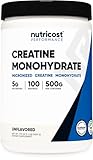
As an Amazon Associate, UsefulVitamins.com earns from qualifying purchases at no extra cost to you.
UsefulVitamins is reader-supported. We may earn a small commission from purchases made through the links below, at no extra cost to you. This never changes our verdict.
For most readers, the honest pick is a plain certified-only-if-you-need-it monohydrate, and between these two specific products, Momentous on subscription is the lowest-cost certified option while Thorne is the lowest-cost certified option at one-time pricing. If you are untested, the cheapest micronized monohydrate you can find does the identical job. Creatine is also one of the few supplements with a low interaction profile, but if you take prescription medication it is still worth a glance at our drug and supplement interactions guide before stacking anything new.
FAQ
Is Thorne or Momentous creatine better? Neither is “better” in the muscle – both are 5g of micronized creatine monohydrate and both are NSF Certified for Sport. Thorne is usually a little cheaper at one-time price; Momentous names Creapure and adds Informed Sport, and is cheapest on subscription.
Do both use Creapure? Momentous states it uses Creapure, the branded German monohydrate. Thorne markets its product as micronized monohydrate and does not advertise Creapure by name on its own page, though some retailer listings describe it that way. Both are NSF tested for purity regardless of supplier.
Are they worth the price over cheap creatine? Only if you are drug-tested. The single thing you pay extra for with either brand is sport certification. A plain micronized monohydrate at about $0.21 to $0.27 a serving does the identical job for untested users.
Do I need to do a loading phase? No. 5 grams a day reaches full muscle saturation within a few weeks. Loading just gets you there a little faster and is optional with either brand.
Is creatine safe to take every day? For healthy adults, daily creatine monohydrate is well studied and considered safe at standard doses, per the NIH Office of Dietary Supplements. If you have kidney issues or take prescription medication, check with your clinician first.
Which dissolves better? Both are micronized and mix similarly – quick to stir, with mild settling. Neither goes perfectly clear in cold water, which is normal for monohydrate.
The verdict
These two tubs hold the same proven molecule at the same dose with the same headline certification, so do not expect one to outperform the other. The deciding factors are price and which certification you actually need. Thorne is the slightly cheaper NSF-certified pick at one-time pricing; Momentous names Creapure, adds Informed Sport, and undercuts Thorne if you subscribe.
The bigger truth is the one neither brand advertises. Unless you are tested, you are paying a premium for paperwork you will never use. Buy a plain micronized monohydrate, take 5 grams a day, and put the savings toward something that actually varies between products.
Next step: if you are tested, pick the certified tub that fits your federation and budget. If you are not, grab the cheapest micronized monohydrate and move on.
This article is for general information and is not medical advice. Supplement needs and interactions vary by person; talk to your doctor or pharmacist before starting creatine, especially if you have kidney conditions or take prescription medication.
Reviewed by the UsefulVitamins Editorial Team.
