
Affiliate disclosure: this article contains affiliate links. As an Amazon Associate, UsefulVitamins.com earns from qualifying purchases at no extra cost to you.
Where the "fat burner" promise comes from
Walk into any supplement shop and you will see the same shelf: black-and-red bottles, flames on the label, words like thermogenic, shred, and metabolism igniter. The pitch is seductive. Take a pill, raise your metabolic rate, and melt fat while you sit there.
That story is built on a kernel of real biology. Some compounds do nudge energy expenditure or blunt appetite for a few hours. The supplement industry took that kernel and inflated it into a product category worth billions.
The gap between "this raises metabolism by a rounding error" and "this burns fat" is where the marketing lives. The big claim is the problem, not the existence of any effect at all. Below is what the human evidence actually supports, graded honestly, plus the few things that genuinely move fat loss.
What fat burners claim to do
Most products lean on three mechanisms, and the labels usually promise all three at once.
- Thermogenesis: raising the calories you burn at rest, supposedly by stoking heat production.
- Appetite suppression: making you eat less without trying.
- “Boosting metabolism”: a vague, untestable phrase that mostly means the first item dressed up.
The common ingredients are a short, repeating list. Caffeine is the workhorse and the reason most of these pills feel like they are doing something. Green tea extract (EGCG) is the second-most-used. After that you get yohimbine, capsaicin (the heat compound in chili), bitter orange / synephrine, L-carnitine, and a long tail of botanicals that sound impressive and do little.
Here is the catch worth holding onto: when a fat burner "works" at all, it is almost always the caffeine and the calorie deficit you were already running. The flames on the bottle are decoration.
What the human evidence actually shows
Let me grade this the way we grade everything. Human randomized trials and systematic reviews carry the most weight. Animal and test-tube data are interesting but do not predict what happens in a person. Influencer before-and-afters carry zero.
A 2021 systematic review and meta-analysis in Nutrition and Health pulled together 21 studies on thermogenic and fat-burner supplements. Its conclusion, in plain language: there is limited benefit, and the supplements were less effective than exercise alone, or diet and exercise without any supplement at all. You can read the Clark and Welch review of fat burners versus diet and exercise for the details. The pattern it describes is the one that repeats everywhere: a small early effect that fades over time.
Green tea extract is the most-studied single ingredient, so it is the fairest test of the whole category. A Cochrane review of green tea for weight loss looked at 14 weight-loss trials. When the reviewers pooled the six trials run outside Japan, the average difference was just -0.04 kg – essentially nothing – and it was not statistically significant (95% CI -0.5 to 0.4; P = 0.88). The eight Japanese trials were too dissimilar to pool, ranging from -0.2 kg to -3.5 kg.
Read that twice. The best ingredient in the best-studied category, judged by the best evidence, produced a result you cannot distinguish from chance.
Bitter orange and its active compound p-synephrine tell a similar story. The NCCIH summary on bitter orange notes that a 2011 review of weight-loss trials found the evidence "contradictory and weak." It also flags that a single 900 mg dose raised heart rate and blood pressure for up to five hours. That is the trade you are being offered: no proven fat loss, measurable cardiovascular load.
| The ingredient | The marketing claim | What the human evidence shows | Evidence grade |
|---|---|---|---|
| Caffeine | Torches fat, fires up metabolism | Small, real, short-lived bump in energy use and appetite; tolerance builds fast | Real but modest (human RCTs) |
| Green tea / EGCG | Powerful fat oxidizer | Pooled effect outside Japan was about -0.04 kg and not significant; Japan trials too varied to pool | Weak (Cochrane, mostly non-significant) |
| Yohimbine | Targets stubborn fat | Thin human weight data; clear anxiety and blood-pressure side effects | Thin and risky (case reports) |
| Bitter orange / synephrine | Ephedra-free metabolism booster | Contradictory, weak weight data; raises heart rate and blood pressure | Weak, safety flagged (NCCIH) |
| Capsaicin / L-carnitine | Burns calories, mobilizes fat | Tiny effects in short studies that shrink over time | Trivial (small trials) |
So the honest summary is not "scam" across the board. A couple of these ingredients do something measurable. The dishonesty is the scale of the promise: a half-kilo edge over three months, mostly from a stimulant, sold as a fat-melting machine.
The two scams hiding in the bottle
Even setting the weak evidence aside, two things make fat burners worse than the studies suggest.
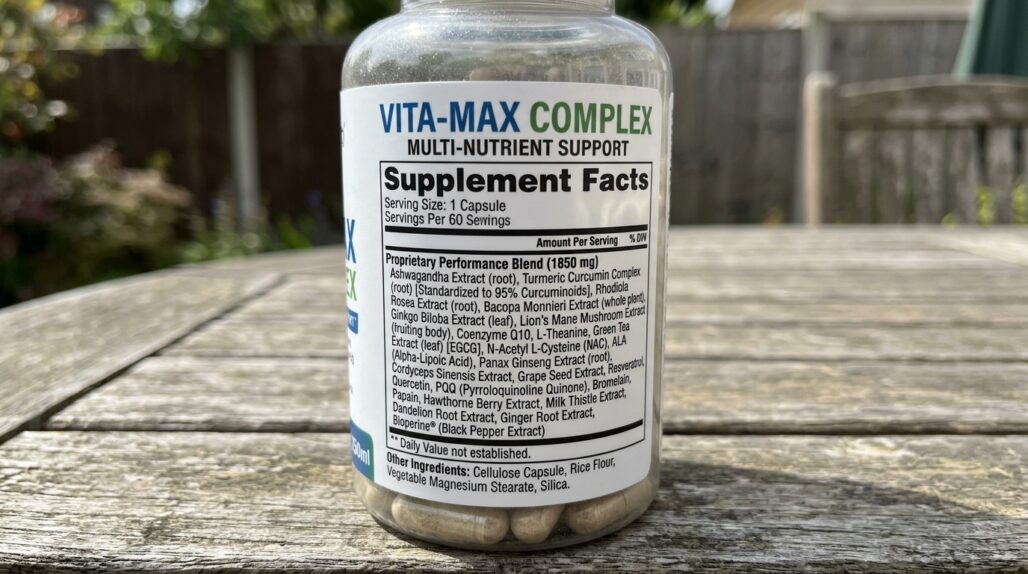
The proprietary blend. Most fat burners hide their doses inside a "proprietary blend" that lists ingredients but not amounts. That lets a brand sprinkle a famous compound at a dose far below what any study used, a trick called fairy-dusting, while charging full price. If the label will not tell you how many milligrams of each thing you are getting, assume it is underdosed.
The labels lie, sometimes dangerously. This is not a conspiracy theory. A study covered by Harvard Health on yohimbe supplements found products containing anywhere from 0% to 368% of their labeled yohimbine, a more than tenfold spread. You genuinely cannot know what dose you are taking.
It gets darker. Some "supplements" are not supplements at all. A JAMA Network Open analysis of FDA-flagged products looked at supplements the agency had warned about and found weight-loss products were the second-largest category. The FDA's own testing of adulterated weight-loss products found the banned drug sibutramine hidden in the large majority of them, an ingredient pulled from the US market for raising heart-attack and stroke risk. So a "natural fat burner" can quietly contain a withdrawn pharmaceutical. That is the literal scam.
The risks people underrate
Because fat burners are stimulant-stacked, the side effects are not trivial.
- Cardiovascular strain: stacked caffeine plus synephrine plus yohimbine can push heart rate and blood pressure up for hours.
- Anxiety and jitters: yohimbine in particular is notorious for triggering anxiety, panic, and a racing heart.
- Liver injury: high-dose green tea extract has documented case reports. A USP review of green tea extract hepatotoxicity linked liver injury to EGCG intakes from roughly 140 mg up to 1000 mg a day, with susceptibility varying a lot between people. Brewed tea is fine; concentrated extract pills are the concern.
- Poison-control reports: yohimbine alone generated hundreds of reported adverse events in one California review period, with many escalating to hospitalization.
If you have a heart condition, high blood pressure, an arrhythmia, an anxiety disorder, or you are pregnant, this category is not a low-stakes experiment. Stimulant-sensitive readers should steer clear, and anyone on prescription medication should talk to a clinician before adding a stimulant stack. This is not advice to start or stop anything you have been prescribed; it is a reason to bring a doctor into the decision.
What actually moves fat loss
Here is the part the flame-covered bottle does not want you to read. The levers that work are unglamorous, and they are well supported in humans.
A calorie deficit you can sustain. Every honest review lands here. No pill bypasses the basic arithmetic of energy in versus energy out. The 2021 fat-burner review made the same point: diet and exercise beat the supplements.
Protein. This is the closest thing to a real appetite tool. A review on protein in weight loss and maintenance describes protein as the most satiating macronutrient, with higher-protein dieting preserving lean mass and resting energy expenditure (on the order of an extra ~140 kcal a day) during a deficit. More fullness, less muscle lost, a slightly higher burn. That is a far better deal than a thermogenic.
Fiber. Viscous fiber slows digestion and increases fullness, which makes a deficit easier to hold without white-knuckling it. If you want a convenient version, a fiber-forward option like a greens powder aimed at reduced appetite at least targets satiety honestly rather than promising to torch fat.
Sleep and a little caffeine. Poor sleep drives appetite and cravings. And plain caffeine, in coffee or a cheap green tea extract, gives you the only honest piece of the fat-burner effect without the proprietary-blend mystery or the price markup.

If you still want a nudge, buy the honest version


As an Amazon Associate, UsefulVitamins.com earns from qualifying purchases at no extra cost to you.
Some links below are affiliate links. If you buy through them we may earn a commission at no extra cost to you. It does not change our verdict or which products we flag as evidence-backed.
The picks above are not fat burners, on purpose. We will not push a flame-covered pill whose evidence we just walked through. Instead these are the things with real human support for the same goal: a protein powder for satiety and lean mass, a fiber for fullness, and a plain green tea extract at a sensible dose if you want the one mild, real effect without a stimulant stack or a mystery blend.
A few rules if you shop this category anyway:
- No proprietary blends. Every ingredient should list its dose in milligrams.
- Third-party tested. Look for NSF, Informed Choice, or USP marks given the adulteration history.
- One stimulant, not five. If the label stacks caffeine, synephrine, and yohimbine, put it down.
For the wider picture, see our roundup of the best supplements for weight loss, which separates the few with evidence from the noise. If part of the fat-burner appeal was "detox" and a fresh start, read our skeptic take on whether detox supplements actually work first. And before you assume any single pill is the missing piece, our look at whether multivitamins are a waste of money is a useful reality check on supplement hype in general.
FAQ
Do fat burners work without diet and exercise? No. The human reviews are clear that no thermogenic replaces a calorie deficit, and the supplements underperform diet and exercise on their own. Any product implying otherwise is selling the dream, not the science.
Is caffeine the only ingredient that does anything? Close to it. Caffeine has a small, real effect on energy use and appetite, though tolerance builds quickly. Most of the “it’s working” feeling from a fat burner is caffeine plus the deficit you were already in.
Are fat burners dangerous? They can be. Stacked stimulants raise heart rate and blood pressure, yohimbine is linked to anxiety and hospital visits, and high-dose green tea extract has liver-injury case reports. People with heart conditions, high blood pressure, or anxiety should avoid them and talk to a clinician.
What about products that say “clinically proven”? Ask which study, at which dose. Many cite research on a single ingredient at a dose far higher than what is actually in the blend, or research that showed a trivial effect. “Clinically studied” is not the same as “clinically meaningful.”
Why are some fat burners recalled? Because the FDA keeps finding hidden, unapproved drugs in weight-loss products, including sibutramine, a stimulant withdrawn for raising heart-attack and stroke risk. The adulteration problem is real and ongoing.
So what should I take instead? Build the deficit you can live with, get enough protein and fiber so you are not starving, sleep, and lean on plain caffeine if you want a mild edge. That stack is cheaper, safer, and actually backed by human evidence.
The bottom line
Fat burner pills are mostly hype. The best ingredient, green tea extract, posts a result that disappears in high-quality studies, the rest is stimulant feel plus marketing, and the category carries real risks from mislabeling, fairy-dusted blends, and outright adulteration. The big "melt fat" claim is unsupported. The honest move is to put the money toward what works: a sustainable deficit, more protein and fiber, decent sleep, and at most a little caffeine. If you still want a nudge, buy the third-party-tested, dose-transparent option above rather than a flame-covered mystery blend.
This article is for general information and is not medical advice. Supplements are not a treatment for any condition, and weight that will not budge can have medical causes. Talk to a doctor or registered dietitian before starting a new supplement, especially if you have a heart condition, high blood pressure, an anxiety disorder, or take prescription medication. Do not start or stop a prescribed medication based on anything you read here.
Reviewed by the UsefulVitamins Editorial Team.
