

Affiliate disclosure: this article contains affiliate links. As an Amazon Associate, UsefulVitamins.com earns from qualifying purchases at no extra cost to you.
Why a tight band of pain wraps around your head
A tension-type headache feels like a dull, pressing band around the whole head, usually on both sides. It is not throbbing, it does not knock you out, and bright light or noise rarely makes it dramatically worse. That last part is the clearest way to tell it apart from a migraine.
What drives it is a mix of tight scalp, neck and shoulder muscles, stress, poor sleep and a nervous system that is a bit too easy to fire up. Hunching over a laptop, clenching your jaw, skipping water and running on too much coffee all feed the same loop.
This matters for what you take. The supplements below work on muscle tone, nerve excitability and stress – the upstream drivers – so they need weeks of steady use to show anything. If you want a clean read on the migraine side instead, see our guide to the best supplements for migraines, because the intent and the evidence are different there.
One honest caveat before the picks. Most of the strong trial data for these ingredients comes from migraine research, not tension-type headache specifically. We will flag exactly where the evidence is solid and where it is borrowed.
The 3 supplements worth trying for tension headaches
Here is how the three picks compare at a glance. Read the grade column closely – it is the part most product pages quietly skip.
| Supplement | Evidence | Typical dose | Best for |
|---|---|---|---|
| Magnesium glycinate | Moderate human RCT data (mostly migraine; deficiency linked to tension-type) | 200-400 mg elemental, evening | Stress, tight muscles, poor sleep, low dietary magnesium |
| Riboflavin (vitamin B2) | Good RCT data for migraine; little direct tension-type evidence | 400 mg once daily | People whose headaches overlap with migraine features |
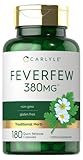
| Feverfew extract | Low-quality, mixed (migraine only); traditional use for tension | 100-300 mg standardized extract daily | Those who have tried magnesium and want one more prevention option |


As an Amazon Associate, UsefulVitamins.com earns from qualifying purchases at no extra cost to you.
We may earn a commission if you buy through links on this page, at no extra cost to you. It does not change our picks or how we grade the evidence.
1. Magnesium glycinate – the pick with the most behind it
Magnesium calms the nervous system and lets tight muscles let go, which is exactly the machinery behind a tension headache. Low magnesium status shows up often in people with frequent headaches, and correcting it is cheap and low-risk.
Evidence grade: moderate (human RCTs, but skewed toward migraine). A 2020 review in Nutrients on magnesium and headache describes randomized, placebo-controlled trials supporting oral magnesium for headache, with several guidelines now recommending it. The strongest trials studied migraine, and the link to tension-type headache rests more on the deficiency pattern than on large dedicated trials. So it is a reasonable, well-tolerated bet, not a guarantee.
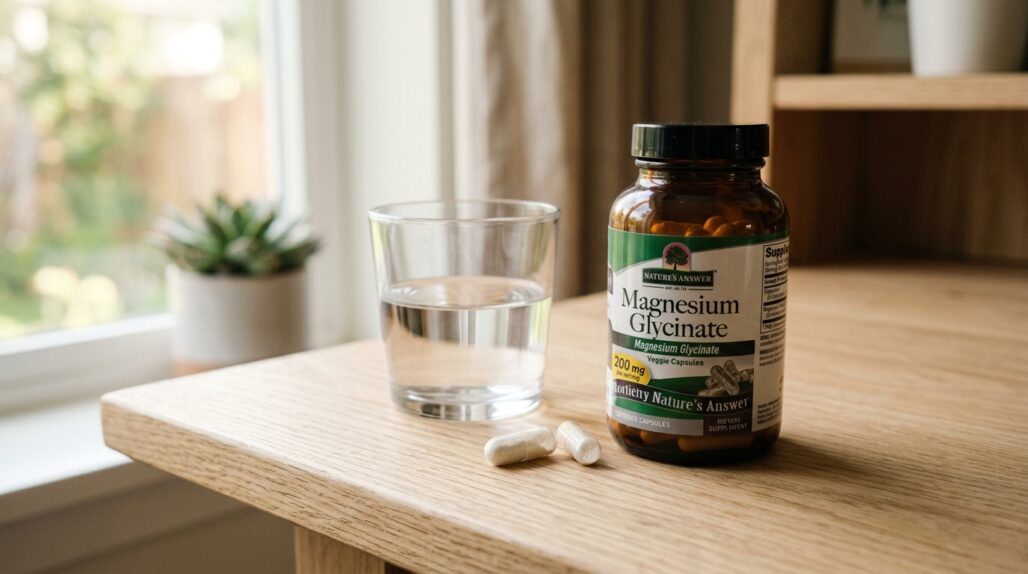
Dose: around 200-400 mg of elemental magnesium in the evening. Glycinate is the form to reach for at night because it is gentle on the gut and does not pull water into the bowel the way citrate or oxide can. The NIH Office of Dietary Supplements sets the upper limit for supplemental magnesium at 350 mg per day, with loose stools as the warning sign you have gone too high, so start low and read the label for elemental content rather than total compound weight. Note this with the magnesium glycinate pick above: many products labeled "400 mg" refer to the glycinate compound and supply only about 60 mg of elemental magnesium per capsule (glycinate is roughly 15% magnesium by weight), so reaching 200-400 mg elemental can take three or more capsules.
Who it suits: anyone whose headaches track with stress, screen time, broken sleep or a thin diet. If you also clench your jaw at night, magnesium does double duty – see our notes on the best supplements for jaw clenching and teeth grinding. To match elemental dose to your weight and other sources, our complete guide to magnesium walks through the forms.
2. Riboflavin (vitamin B2) – strong for migraine, borrowed for tension
Riboflavin feeds the mitochondria, the cell's energy plants. The theory is that low energy reserve in nerve cells lowers the threshold for head pain, so topping up B2 makes the system steadier.
Evidence grade: good for migraine, thin for tension-type. A well-known riboflavin RCT in Neurology found 400 mg daily cut migraine attack frequency, with about 59% of people improving by half or more versus 15% on placebo. That is a genuinely useful result – for migraine. For pure tension-type headache the direct trial evidence is slim, so we are honestly extrapolating. It is most worth a try if your headaches sit on the blurry line between tension and migraine.
Dose: 400 mg once a day, taken with food, given over at least two to three months. It is famously safe; the main "side effect" is bright yellow urine, which is harmless. Our magnesium guide pairs naturally with this, since some people run both as a low-cost prevention stack.
Who it suits: people who want a near-zero-risk daily option and do not mind that the tension-headache evidence is borrowed from migraine work. If your attacks are clearly one-sided and throbbing, the migraine page is the better fit.
3. Feverfew – the weakest pick, and we will say so
Feverfew (Tanacetum parthenium) is a traditional herb used for headaches for centuries. It is thought to calm inflammatory signaling and platelet activity, which is plausible but not the same as proven.
Evidence grade: low (mixed, migraine only). The Cochrane review on feverfew for migraine pooled six trials and found the results mixed and low quality overall; one decent study showed roughly 0.6 fewer migraines per month versus placebo, with no change in severity or duration. There is no good trial evidence for tension-type headache at all. So feverfew earns its spot only as a "you have tried the first two" option, not a front-line choice.
Dose: 100-300 mg of a standardized extract daily, or the parthenolide-standardized product if specified. Do not stop feverfew abruptly after long use, as some people get a rebound of headaches and anxiety. Skip it in pregnancy and breastfeeding, and avoid it if you are on a blood thinner such as warfarin or apixaban, since it may affect platelets – check with a pharmacist first.
Who it suits: a smaller group who want one more lever after magnesium and want to set a low expectation going in.
The free fix that beats every supplement here
If you only do one thing, do this – and it costs nothing. The NHS guidance on tension headaches puts stress, poor sleep and too much caffeine at the top of the trigger list, and those are all things you can adjust today.
- Drink more water. Mild dehydration is a quiet, common trigger. Keep a bottle on your desk and finish it.
- Fix your setup. Raise your screen to eye level, sit back in the chair, and stop craning your neck forward. A forward head all day loads the exact muscles that ache.
- Stretch the neck and shoulders. Two minutes, a few times a day – slow side bends, shoulder rolls, and gently dropping the chin. A warm compress on tight traps helps too.
- Steady your sleep and caffeine. Same bedtime most nights, and do not let coffee creep up over the afternoon. Caffeine withdrawal alone can set off a headache.
- Defuse stress. Walks, slow breathing, and short breaks away from the screen all lower the muscle tension that starts the cycle.
These habits work on the same drivers the supplements target, and they often do more. Treat the pills as backup, not the plan.
What does not work, and the trap to avoid
The biggest mistake is reaching for painkillers most days. Taking paracetamol, aspirin or ibuprofen too often can flip into a self-sustaining cycle. The Migraine Trust on medication-overuse headache notes that regular use of simple painkillers on many days a month, kept up for three months, can cause daily rebound headaches. A safe rule of thumb is to keep over-the-counter painkillers to no more than two days a week.
Skip the megadose thinking, too. More magnesium does not mean fewer headaches; it mostly means looser stools. And do not expect any of these to act as an acute rescue – they are slow prevention.
If your "tension" headache turns out to be one-sided, throbbing and light-sensitive, you are likely dealing with migraine, and the targeted option is magnesium for migraines rather than the general stack here.

When to see a doctor about your headaches
Most tension headaches are harmless and respond to the basics. But some patterns are red flags and need a professional, not a supplement.
See a doctor promptly for a sudden, severe "worst-ever" headache, a headache with fever and a stiff neck, or one that comes with vision changes, slurred speech, confusion or limb weakness. Get checked for any new headache after age 50, headaches that steadily worsen over days or weeks, headaches after a head injury, or pain that wakes you from sleep. Jaw pain while chewing plus scalp tenderness also warrants urgent review.
And if your headaches strike several times a week, do not just keep self-treating – that frequency deserves a proper look and a plan.
FAQ
Can supplements actually stop a tension headache once it has started? No. Magnesium, B2 and feverfew are preventives that work over weeks. For pain you have right now, an occasional over-the-counter painkiller and the lifestyle fixes are the tools, kept to no more than two days a week.
How long until magnesium makes a difference? Give it at least four to eight weeks of daily use. If nothing changes after about two months at a sensible dose, it probably is not your lever.
Is magnesium glycinate really better than citrate for headaches? The magnesium itself is the active part. Glycinate is preferred at night mainly because it is gentle on digestion, while citrate is more likely to loosen your stools at the same dose.
Is feverfew safe to take long term? For many people it is tolerated, but the evidence is weak and you should not stop it suddenly after months of use. Avoid it in pregnancy, while breastfeeding, or if you take a blood thinner, and clear it with a pharmacist first.
Can I take all three together? Magnesium and B2 stack safely and cheaply. Adding feverfew is reasonable only after the first two, and only if you have no blood-thinner or pregnancy concern. Introduce one at a time so you know what helped.
Could my headaches be caused by my jaw or neck? Often, yes. Nighttime clenching and a forward-head desk posture both load the same muscles. Addressing those – including the routine on our jaw-clenching page – frequently helps more than any capsule.

The bottom line
For tension and stress headaches, magnesium glycinate is the pick we would start with – cheap, low-risk, and supported by real human trials, even if much of that data leans migraine. Riboflavin is a safe second, feverfew a distant third with honestly weak evidence. Expect modest help over a few weeks, not a cure, and let the free fixes – water, posture, neck stretches, steadier sleep and less caffeine – do the heavy lifting. If your headaches are sudden and severe, come with fever or neurological changes, are new after 50, or hit several times a week, see a doctor rather than reaching for another bottle.
This article is for general information and is not medical advice. Talk to a doctor or pharmacist before starting a supplement, especially if you are pregnant, take prescription medication, or have an ongoing health condition. Never start or stop a prescribed medicine on your own.
Reviewed by the UsefulVitamins Editorial Team.
