
Affiliate disclosure: this article contains affiliate links. As an Amazon Associate, UsefulVitamins.com earns from qualifying purchases at no extra cost to you.
Why low stomach acid leaves protein sitting and gassing
Stomach acid is not the villain it gets blamed for. When acid runs low, a state called hypochlorhydria, protein you eat does not get properly unwound and broken into peptides. It sits in the stomach longer, ferments, and produces the heavy fullness, the post-protein burping, and the reflux-like discomfort that often gets mistaken for too much acid.
The acid also acts as a gate. According to the StatPearls reference on achlorhydria, a low-acid stomach lets the small intestine drift toward a higher pH and lets bacteria overgrow where they should not. That is part of why low acid and bloating travel together.
Here is the honest framing. Low acid is real, but it is also over-diagnosed online. The most common true causes, per Cleveland Clinic's hypochlorhydria overview, are atrophic gastritis, H. pylori infection, long-term acid-suppressing drugs, and age. Two of those need a doctor, not a supplement. So the goal of this page is to help you support digestion safely while you sort out the cause, not to talk you out of getting tested.
What actually helps, ranked
These three picks go from the most evidence-backed to the gentlest first step. None of them erases the underlying cause, and the data is more limited than most supplement blogs admit.


As an Amazon Associate, UsefulVitamins.com earns from qualifying purchases at no extra cost to you.
Some links below are affiliate links. If you buy through them we may earn a small commission at no extra cost to you. It does not change our ranking or what we recommend.
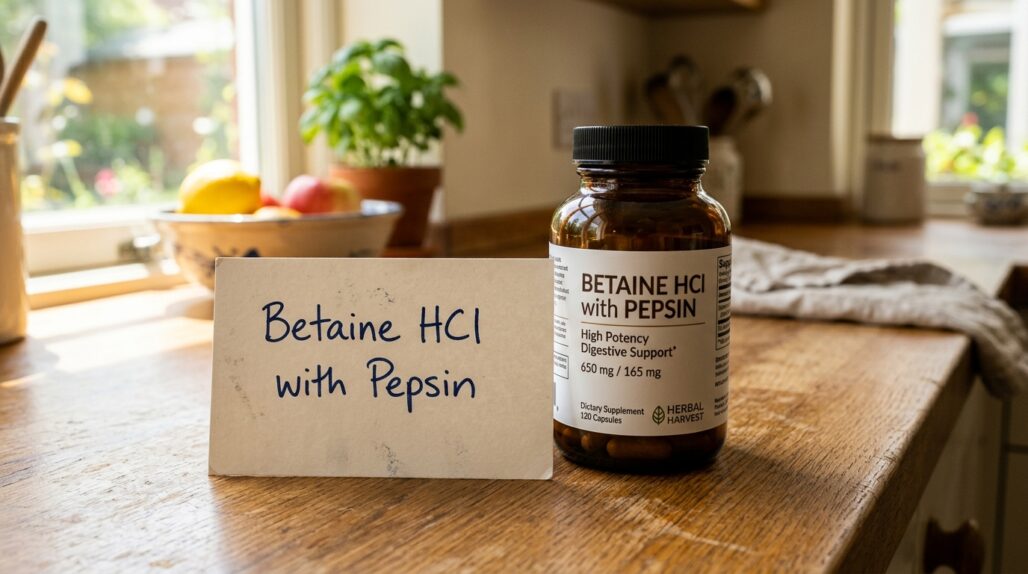
1. Betaine HCl with pepsin (the pick with human data)
Betaine HCl is hydrochloric acid in a swallowable form, usually paired with pepsin, the enzyme that breaks down protein. It is the only pick here that has been measured doing the exact thing you want: re-acidifying a low-acid stomach.
Evidence grade: limited human evidence, drug-induced model only. In the cleanest study we have, a 2013 trial in six healthy volunteers with PPI-induced low acid, a single 1,500mg dose of betaine HCl dropped gastric pH from about 5.2 to 0.6 within roughly six minutes. That is a real, fast acidifying effect. Two caveats keep it from being a slam dunk. The volunteers had drug-induced low acid, not naturally occurring hypochlorhydria, and the effect was temporary, with pH climbing back toward baseline inside about 73 minutes. It also is not recognized by the FDA as a proven treatment.
Typical dose: start at one capsule partway through a protein-containing meal; capsule strengths vary by brand (the product linked above is 790mg, of which 650mg is betaine HCl), so begin with a single capsule whatever the strength and titrate from there. Some people titrate up over several meals, adding a capsule at a time, until they feel a mild warmth in the upper stomach, then drop back by one. That warmth is the personal cutoff, not a target. Do not load up on an empty stomach or with a low-protein meal.
Who it suits: someone with classic post-protein heaviness and burping who has been told by a clinician that they do not have an ulcer or gastritis and are not on acid-reducing drugs. If you do not fit that picture, skip to the gentler options below.
2. Digestive bitters (traditional, mechanism still debated)
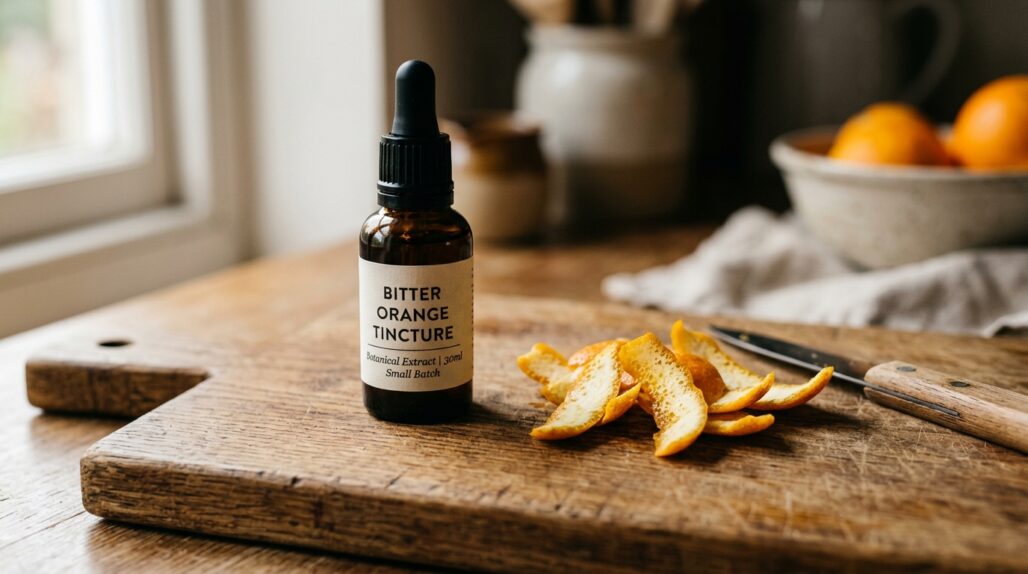
Bitter tinctures, gentian, dandelion, wormwood and similar, are the old-school approach. You take a few drops on the tongue 10-15 minutes before eating, and the bitter taste is meant to prime the stomach and gut for the meal ahead.
Evidence grade: traditional use, weak and contested mechanism. The European Medicines Agency lists gentian as a traditional remedy for sluggish digestion, and the bitter compound amarogentin does activate several bitter taste receptors. But the popular claim that bitters fire up the vagus nerve and pour out stomach acid is shakier than it sounds. A 2015 review of bitters in Evidence-Based Complementary and Alternative Medicine notes the vagal-stimulation theory is widely believed but poorly proven, and that the real effect may be on local gut blood flow rather than a flood of acid. Translation: bitters might help you feel readier to eat, but do not expect them to fix true hypochlorhydria.
Typical dose: follow the bottle, usually 1-2ml or a few dropper squeezes in a little water, taken shortly before meals. They are low-risk for most healthy adults, which is the main reason they earn a spot.
Who it suits: anyone who wants a gentle, low-stakes first step, especially if betaine HCl feels too aggressive or you simply want to try something before committing. Skip bitters in pregnancy and if you have gallstones or active reflux that they seem to worsen.
3. Protease-forward digestive enzymes (best small-trial support for the symptoms)
A broad-spectrum enzyme blend leans on protease (for protein), with amylase and lipase for starch and fat. The idea is to finish the breakdown your stomach is not completing, so food does not sit and ferment.
Evidence grade: small randomized trials, for dyspepsia symptoms rather than low acid specifically. This is the pick with the most controlled human data on symptoms. A 2023 randomized, double-blind, placebo-controlled trial found a multi-enzyme supplement (amylase, protease, lipase) eased upper-GI symptoms and improved sleep in people with functional dyspepsia, with good tolerability. The honest gap: those trials studied dyspepsia, which overlaps with but is not the same as confirmed low stomach acid, so the match to your exact symptom is indirect.
Typical dose: one capsule at the start of each main meal, per the label. Look for a product that names protease activity rather than a vague "blend."
Who it suits: people whose main problem is post-meal fullness and heaviness, who want enzyme support without the acid load of betaine HCl. It pairs well with the chewing habit below.
How the three picks compare
| Supplement | Evidence | Typical dose | Best for |
|---|---|---|---|
| Betaine HCl with pepsin | Limited human data, drug-induced low-acid model; temporary effect | 500-650mg mid protein meal, titrate to warmth cutoff | Post-protein heaviness once ulcer and PPIs are ruled out |
| Digestive bitters tincture | Traditional use; mechanism debated, no strong acid data | 1-2ml in water 10-15 min before meals | A gentle, low-risk first try before stronger options |
| Protease-forward enzyme blend | Small RCTs for functional dyspepsia, good tolerability | One capsule at the start of each main meal | Fullness and slow digestion without an acid load |
The free fix most people skip
Before you spend anything, change how you eat. Several of the symptoms blamed on low acid respond to mechanics alone, and these cost nothing.
- Slow down and chew. Digestion starts in the mouth. Putting the fork down between bites gives the stomach time and cuts the air-swallowing that adds to burping.
- Stop drinking large volumes with meals. A big glass of water during eating dilutes what acid you do have and stretches the stomach. Sip if you need to, save the big drink for later.
- Manage stress at the table. Eating tense and rushed blunts the body's normal "rest and digest" state. A few slow breaths before the first bite is not woo, it is just lowering arousal.
- Try a splash of apple cider vinegar, carefully. A teaspoon or two in water before a meal is a low-cost experiment some people find helps. Be honest about the evidence, though: there is no solid proof ACV raises stomach acid, and for anyone with reflux it can make burning worse. If it stings or backfires, stop.
If the burping smells of rotten eggs specifically, the fermentation angle matters more than the acid one. Our guide to the best supplements for sulfur burps covers that pattern. For general post-meal puffiness, see the best supplements for bloating.
When to see a doctor
This is the part that matters most, because low acid can be a symptom of something that needs diagnosis.
Do not take betaine HCl if you have an ulcer, gastritis, or if you take PPIs or NSAIDs. Adding acid to an irritated or already medicated stomach can do real harm. Get tested first. Low stomach acid can stem from autoimmune gastritis or H. pylori, and research on hypochlorhydric states shows these change the whole gastric environment in ways that supplements will not fix. Because acid and intrinsic factor are also needed to free and absorb vitamin B12, the NIH Office of Dietary Supplements B12 fact sheet notes that atrophic gastritis can leave you short on B12 too.
See a clinician promptly if you have trouble swallowing, vomiting, black or bloody stools, unexplained weight loss, persistent upper-belly pain, or new symptoms after age 60. Never start, stop, or change a prescription, including a PPI, on your own. The safe order is testing first, supplements second.
If you also get reflux-type burning, do not assume it is low acid by default. The supplements-for-GERD guide walks through the opposite scenario, and the picture is easy to misread. A probiotic can also be a reasonable adjunct while you sort out the cause; see the complete guide to probiotics.
FAQ
How do I know if I actually have low stomach acid? You often cannot tell from symptoms alone, because low and high acid can feel similar. Heaviness and burping after protein, plus risk factors like long-term PPI use or older age, raise suspicion, but only a doctor’s testing can confirm it.
Is the betaine HCl “warmth test” reliable? It is a rough personal cue, not a diagnostic. A mild warming in the upper stomach as you increase the dose suggests you have hit your ceiling; back off by one capsule. It does not prove you were low on acid to begin with.
Can I just drink apple cider vinegar instead? You can try a teaspoon in water before meals as a cheap experiment, but the evidence that it raises stomach acid is weak, and it can worsen reflux for some people. Stop if it stings or backfires.
How long before supplements help? Betaine HCl works within minutes per meal but wears off in about an hour. Enzymes and bitters are also meal-by-meal. None build up over time, so judge them by how you feel after eating, not after weeks.
Are these safe in pregnancy? Skip digestive bitters and avoid starting betaine HCl in pregnancy without medical advice. Talk to your clinician before using any of these if you are pregnant, breastfeeding, or on regular medication.
Will supplements fix the cause of my low acid? No. They support digestion at the meal but do not treat atrophic gastritis, H. pylori, or autoimmune causes. Those need a diagnosis and proper care.
The bottom line
If a doctor has ruled out an ulcer and you are not on acid-reducing drugs, betaine HCl with pepsin is the pick with the most direct human data, taken mid-protein-meal and titrated only to your warmth cutoff. Expect modest, meal-by-meal help rather than a cure, and lean on the free habits, slower eating, better chewing, and fewer drinks with meals, which often do more than any capsule. Because low acid can mask gastritis, H. pylori, or autoimmune disease, get tested before you self-treat, and never adjust a prescription on your own.
This article is for general information and is not medical advice. Talk to a qualified clinician before starting any supplement, especially if you are pregnant, take medication, or have a digestive condition.
Reviewed by the UsefulVitamins Editorial Team.
