
Affiliate disclosure: this article contains affiliate links. As an Amazon Associate, UsefulVitamins.com earns from qualifying purchases at no extra cost to you.
Why your burps smell like rotten eggs
That sulfur smell is hydrogen sulfide gas. You make it when certain gut bacteria – the sulfate-reducing kind, such as Desulfovibrio and Bilophila – ferment sulfur-containing compounds from your food. The gas builds up, works its way back up, and you taste old eggs on the burp.
So the chain is short: sulfur-rich food goes in, sulfate-reducing bacteria over-ferment it, hydrogen sulfide comes out. A big plate of eggs, a garlic-heavy meal, a protein shake loaded with whey, or a pile of broccoli can all feed that reaction. Eating fast makes it worse because you swallow extra air, which adds pressure and pushes more gas up as a burp.
This page is about ordinary, food-linked sulfur burps. If your burps started after a GLP-1 medication like Ozempic or Wegovy, that is a different driver (slowed stomach emptying), and we cover it separately in the GLP-1 cluster – the food fixes here still help, but the cause is the drug, not your diet.
Three things can move the needle: bind the gas, rebalance the bacteria, or digest the food faster so it doesn't sit and rot. Below are the picks for each, with an honest read on how strong the evidence actually is.
The 3 supplement picks, ranked
UsefulVitamins may earn a commission from links below, at no cost to you. We pick products on evidence, not payout.


As an Amazon Associate, UsefulVitamins.com earns from qualifying purchases at no extra cost to you.
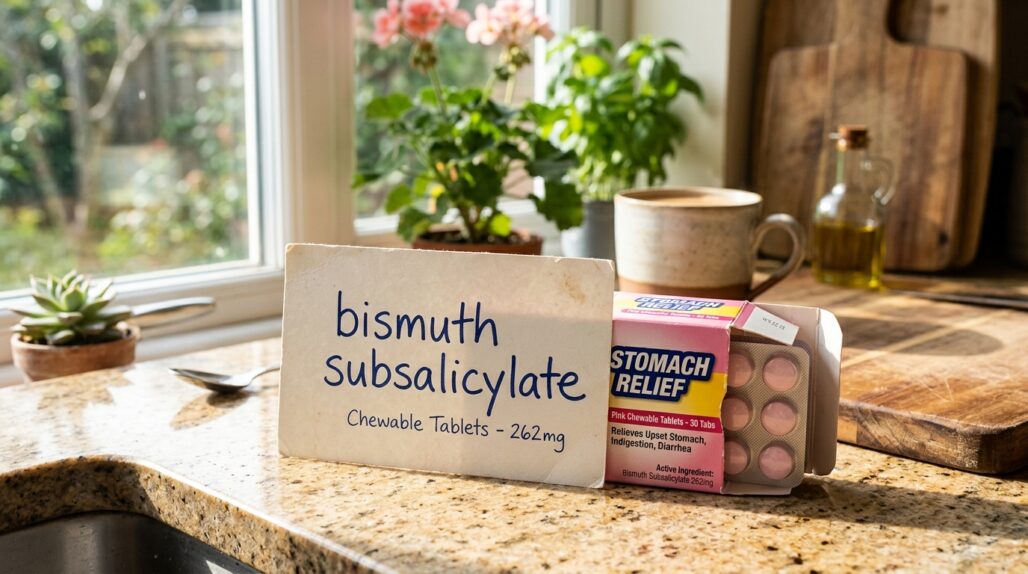
1. Bismuth subsalicylate (the gas-trapping pick)
This is the pink stuff in the Pepto-style bottle, and it is the one pick here with a direct human study behind it for this exact problem. In a 1998 Gastroenterology study by Suarez and colleagues at the Minneapolis VA, healthy volunteers took 524 mg of bismuth subsalicylate four times a day, and their fecal hydrogen sulfide release dropped by more than 95 percent. Bismuth grabs the sulfide and locks it into bismuth sulfide, an insoluble compound that cannot float off as smell.
Evidence grade: moderate, and the most direct of the three. It is a small human study (ten subjects) measuring gas chemistry rather than counting burps, so read it as strong mechanism with modest clinical proof. What it does well is remove the odor. What it does not do is change why you produce the gas in the first place.
Dose: follow the product label – that is usually 262 to 524 mg per dose, repeated as directed, not around the clock for weeks. Use it for a bad day or a known trigger meal, not as a daily habit.
Who it suits: anyone who wants the smell gone now and has a clear food trigger. Two cautions. Bismuth turns your tongue and stool temporarily black, which is harmless but startling. And it contains salicylate, so skip it if you react badly to aspirin, are on blood thinners, or give it to a child or teen recovering from a viral illness (Reye's syndrome risk). Take it a couple of hours apart from other medicines, since it can blunt their absorption. If you are pregnant, ask your clinician before using bismuth at all.
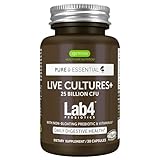
2. Lactobacillus + Bifidobacterium probiotic (the rebalance pick)
The logic is reasonable: if sulfate-reducing bacteria are overrepresented, crowding them out with strains that do not make hydrogen sulfide should lower the gas. Lactobacillus and Bifidobacterium species do not produce hydrogen sulfide themselves.
Evidence grade: weak to moderate, and mostly indirect. The honest picture: a 2024 in vitro fermentation study in Frontiers in Microbiology found a multispecies Lacto/Bifido complex lowered hydrogen sulfide and ammonia in a lab model, and higher levels of those bacteria tracked with less sulfide. That is a test tube, not a person. Human trials show probiotics can reduce general flatulence and bloating, but very little tests sulfur burps specifically. So treat this as a slow, plausible bet rather than a quick fix.
Dose: a multi-strain product with both Lactobacillus and Bifidobacterium, typically in the 10 to 50 billion CFU range, once daily. Give it three to four weeks before you judge it, and pick a product that lists its strains. If you are not sure which strains to look for, our guide to probiotic strains explained walks through the labeling.
Who it suits: people whose burps come with broader gas, bloating, or irregular stools, suggesting an off-balance microbiome rather than a one-off meal. It pairs well with the food changes below, and if you are new to live cultures our complete guide to probiotics covers what to expect in the first weeks. People who are immunocompromised should clear any live-culture product with their doctor first.
3. Broad-spectrum digestive enzyme (the faster-breakdown pick)
If protein and fermentable carbs clear your gut faster, there is less material sitting around for sulfate-reducing bacteria to ferment. A broad-spectrum blend pairs protease (for protein) with carbohydrate enzymes like amylase and lactase to clear a mixed meal faster. Note that most general blends, including the Double Wood pick here, do not include alpha-galactosidase, the enzyme in products like Beano that breaks down the gas-forming sugars in beans and cruciferous veg.
Evidence grade: moderate for gas in general, indirect for the sulfur smell. A classic randomized, placebo-controlled trial of alpha-galactosidase in adults showed it cut breath hydrogen and the severity of flatulence after a high-fiber bean meal. But the picture is not uniform: a 2021 crossover trial in Neurogastroenterology & Motility found the enzyme was no better than placebo in people with IBS. None of these studies measured hydrogen sulfide directly, so the link to the smell is inferred, not proven.
Dose: take a broad-spectrum enzyme with the first bites of a trigger meal, per the label. For bean-and-veg gas specifically, add a dedicated alpha-galactosidase product like Beano, which the broad-spectrum blend above does not include; a wider protease-forward blend like the Double Wood pick may suit protein-heavy meals.
Who it suits: people whose burps reliably follow beans, lentils, cruciferous vegetables, or big protein loads. If you also feel overfull and burpy after protein, low stomach acid can be the hidden driver – our page on supplements for low stomach acid covers betaine HCl and bitters, which work on a different part of the same problem.
Compare the three at a glance
| Supplement | Evidence | Typical dose | Best for |
|---|---|---|---|
| Bismuth subsalicylate | Moderate – direct human study on H2S, small sample | 262-524 mg per dose, per label, short-term | Killing the smell during an active bout |
| Lacto/Bifido probiotic | Weak to moderate – mostly in vitro and general gas data | 10-50 billion CFU daily, 3-4 weeks | Rebalancing flora when burps come with bloating |
| Digestive enzyme blend | Moderate for gas, indirect for sulfur, mixed in IBS | With the first bites of a trigger meal | Bean, veg and protein-heavy meals |
The free fix that usually does the most
Before you spend anything, change how and what you eat. This costs nothing and, for food-linked sulfur burps, it often outperforms the supplements.
Start with the food. Sulfur burps are downstream of sulfur. For a week, pull back the obvious feeders: eggs, garlic and onions, cruciferous vegetables like broccoli, cauliflower and cabbage, and whey-heavy protein shakes. You do not have to quit them forever – reintroduce one at a time and watch which one brings the smell back. A short low-FODMAP trial can help if cruciferous veg and beans are the culprits.
Then slow down. Eating fast packs in swallowed air, which raises the pressure that pushes gas up as a burp. Cleveland Clinic notes that swallowed air is a leading driver of belching, and that simply eating and drinking more slowly cuts it noticeably. Put the fork down between bites, skip carbonated drinks and chewing gum, and do not talk through a mouthful.
Two more cheap moves: drink water through the day so digestion keeps moving, and take a short walk after a heavy meal to help the stomach empty. If after a couple of weeks of this the burps are gone, you may not need a supplement at all. If they are better but not gone, that tells you food was part of it, and a targeted pick from above can finish the job.
For broader, gassier discomfort that goes past burping, our supplements for bloating guide covers the wider toolkit.
What does not work, and common mistakes
Peppermint oil and ginger tea get recommended a lot. They can settle a queasy, gassy stomach, but they do not bind hydrogen sulfide, so they rarely touch the rotten-egg smell itself. Use them for comfort, not as the fix.
Reaching for antacids or a daily acid-reducer is another misfire. Sulfur burps are usually a fermentation-and-food problem, not a too-much-acid problem – and for some people, too little acid is the issue, not too much. Do not start or stop any acid medication for this without your doctor.
The biggest mistake is treating a recurring problem as a one-off. Bismuth masks the smell beautifully, which is exactly why it is easy to lean on it daily and ignore a pattern that deserves a workup.
When to see a doctor
Most sulfur burps are a passing food reaction. Some are not. See a doctor if your sulfur burps are persistent or come with diarrhea, vomiting, or unexplained weight loss – that combination can point to giardia (often from contaminated water), an H. pylori infection, or small intestinal bacterial overgrowth (SIBO) rather than a meal you regret. As clinical overviews of sulfur burps note, those causes are diagnosed with stool tests or a breath test and treated with prescription therapy, not supplements.
Also get checked for severe or worsening abdominal pain, blood in your stool, fever, or symptoms that wake you at night. Do not start or stop a prescription on your own to chase this symptom, and if you are pregnant, on blood thinners, or managing a chronic gut condition, run any new supplement past your clinician first.
FAQ
Do sulfur burps mean something is wrong with me? Usually not. Most are a short reaction to high-sulfur food or eating too fast. They only warrant concern when they persist or arrive with diarrhea, vomiting, or weight loss.
How fast does bismuth subsalicylate work on the smell? Often within a dose or two, because it chemically binds the gas rather than waiting on your microbiome to shift. It masks the odor; it does not change why you make the gas, so it is a short-term tool, not a daily plan.
Will a probiotic stop sulfur burps? Maybe, slowly. The evidence is mostly lab-based and general-gas data rather than burp-specific trials. Give a Lacto/Bifido product three to four weeks and treat it as a background rebalance, not a quick fix.
Are these burps the same as the ones from Ozempic or Wegovy? No. GLP-1 sulfur burps come from slowed stomach emptying caused by the drug, which is a separate issue we cover in the GLP-1 cluster. The food and pacing fixes still help, but the cause is different.
Can I just cut all sulfur foods forever? You do not need to. Pull them back for a week, then reintroduce one at a time to find your specific trigger. Eggs, garlic, cruciferous veg, and whey are the usual suspects, and most people react to only one or two.
Is black tongue from bismuth dangerous? No. Bismuth can temporarily darken the tongue and stool, which is harmless and fades after you stop. It is the salicylate content that needs care if you are aspirin-sensitive or on blood thinners.
The bottom line
For an active bout of rotten-egg burps, bismuth subsalicylate is the best-supported pick, with a human study showing it cuts hydrogen sulfide release by more than 95 percent – but it masks the smell rather than fixing the cause, so keep it short-term. A Lacto/Bifido probiotic and a digestive enzyme address the root fermentation more gently, with weaker and more indirect evidence. The free move that often matters most is eating slower and dialing back the sulfur food that set it off. And if the burps keep returning alongside diarrhea, vomiting, or weight loss, stop self-treating and get tested for giardia, H. pylori, or SIBO.
This article is for general information and is not medical advice. Supplements can interact with medications and conditions; talk to a qualified clinician before starting anything new, especially if you are pregnant, on blood thinners, or managing a gut condition.
Reviewed by the UsefulVitamins Editorial Team.
