
Affiliate disclosure: this article contains affiliate links. As an Amazon Associate, UsefulVitamins.com earns from qualifying purchases at no extra cost to you.
If you are searching for the best shilajit supplements, you have probably read a few testosterone claims, seen the dark resin in a glass jar on social media, and wondered whether any of it survives a careful look at the trial data.
Quick Answer: which shilajit supplements would I actually start with?
For a healthy adult curious about shilajit as an adaptogen, the only versions I would consider are purified, third-party heavy-metal-tested resin or capsules from a brand that publishes a per-batch certificate of analysis (COA), dosed at 250 to 500 mg per day of standardized purified extract. Pürblack and Lotus Blooming Herbs are two of the few brands that publish their heavy-metal assays openly and use authentic Himalayan source material rather than Andean substitutes or lab-made imitations.
- Best for: healthy adults in their 40s and 50s curious about an adaptogen with a single replicated testosterone signal, athletes interested in mitochondrial-bioenergetic mechanisms, people who already eat well and sleep well and want to add a low-dose Ayurvedic traditional preparation.
- Not ideal for: men with diagnosed hypogonadism (this is a clinician-managed problem, not a resin-jar problem), pregnant or breastfeeding women, anyone with iron overload disorders like hemochromatosis, people on blood-thinners or immunosuppressants, or anyone unwilling to pay for a brand with published heavy-metal testing.
- What to do FIRST: if your interest in shilajit is driven by low energy or low libido, get a blood test before assuming a mineral resin will fix it. A morning total testosterone, free testosterone, SHBG, ferritin, TSH, and 25-hydroxyvitamin D panel will name the real bottleneck more often than any supplement guess. Endocrine workup may show another cause.
What shilajit actually is, briefly
Shilajit is a sticky, tar-like exudate that seeps from cracks in rocks at high altitude, classically in the Himalayan, Altai, Caucasus, and Andean ranges. Mechanistically, it is best described as a mineral-organic complex: roughly 60 to 80 percent humic substances (mostly fulvic acid), 20 to 40 percent mineral content (iron, magnesium, zinc, calcium, and many trace elements), plus a smaller fraction of dibenzo-alpha-pyrones (DBPs) which appear to be the most biologically active organic component.
Traditional Ayurveda calls it shilajit (silajatu in Sanskrit) and classifies it as a rasayana, a rejuvenating tonic, used for vitality, urinary disorders, and what would now be called metabolic syndrome. The classical preparation is a long water-extraction process to remove insoluble debris, mineral chips, and contaminants. That purification step matters more than most modern marketing implies. Crude raw shilajit scraped off rocks is not a finished product. It is raw material.
Conventional medicine does not use shilajit for anything. There is no Western standard of care that recommends it, no guideline endorsement, and no FDA-approved indication. That does not mean it is inert. It does mean the framing in this article is "adaptogen with modest, mostly single-study evidence" and not "treatment for any condition."
The evidence with the strongest signal

Testosterone in middle-aged men
The most-cited modern shilajit study is a 2016 RCT by Pandit et al. (PubMed 26395129) in 75 healthy adult males aged 45 to 55, randomized to either a purified shilajit extract at 250 mg twice daily (500 mg total per day) or placebo for 90 days. The active group showed a roughly 20 percent increase in total testosterone and a comparable increase in free testosterone versus placebo, alongside small changes in DHEAS and FSH. The study used a single proprietary purified extract (Primavie, developed by Natreon) which has now appeared in several follow-up trials.
This is associated with increased testosterone in one well-conducted RCT. It is not "shilajit boosts testosterone." The trial population was specifically healthy middle-aged men with normal testosterone at baseline, not men with clinically diagnosed hypogonadism. The intervention was a specific standardized extract at a specific dose for a specific duration. Generic shilajit powder at unknown dose does not inherit that signal. And there is no replication trial at the same size and quality in 2026 that I can point to. One positive RCT is a signal, not a settled question.
- Dose used in the trial: 250 mg twice daily, 500 mg total per day, of purified shilajit (Primavie / PrimaVie standardized to fulvic acid and DBPs), for 90 days.
- Form to look for: a purified shilajit standardized to at least 50 percent fulvic acid with stated DBP content, ideally the Primavie material that matches the trial.
- Skip if: you are a man with diagnosed low testosterone. That is a clinician conversation about underlying cause (pituitary, testicular, medication, metabolic), not a shilajit conversation. Get a blood test before assuming shilajit will fix testosterone. An endocrine workup may show another cause that no supplement will resolve.
Actionable takeaway: if you are a healthy man in your 40s or 50s and the testosterone signal is what brought you here, the Pandit dose (250 mg of a purified, standardized extract twice daily for 90 days) is the version that has actual trial backing. Anything else is extrapolation.
Sperm parameters in oligospermic men
A separate 2010 open-label study by Biswas et al. (PubMed 19828998) followed 60 oligospermic infertile men taking 100 mg of processed shilajit twice daily for 90 days. The investigators reported improvements in sperm count and motility, alongside increases in serum testosterone, FSH, and LH. The signal in this study is consistent with the Pandit testosterone trial, but the design is open-label and the sample is small.
This is associated with improvements in semen parameters in one open-label trial. It is not evidence that shilajit treats male infertility. Couples evaluating male-factor infertility should be working with a reproductive endocrinologist or urologist before adding anything from the supplement aisle. The supplement is one of three or four levers worth pulling, not the primary intervention.
Fatigue and mitochondrial framing
Mechanistically, the most interesting story about shilajit is its proposed role in mitochondrial bioenergetics. Animal work, summarized in narrative reviews like Carrasco-Gallardo et al. 2012 (PubMed 22771318), suggests that DBPs and fulvic acid can shuttle electrons in the electron transport chain in a manner loosely analogous to CoQ10. Small human trials in chronic-fatigue-like populations have reported subjective improvement in energy scores, but the studies are small, often open-label, and use heterogeneous outcomes.
If you frame shilajit as an adaptogen with a plausible mitochondrial mechanism and a modest fatigue signal in small trials, you are reading the evidence honestly. If you read it as "shilajit fixes chronic fatigue," you are reading the marketing.
For a different adaptogen with a much deeper trial base in stress and fatigue, see our complete guide to ashwagandha. For an ecdysteroid-based alternative often marketed in the same male-vitality category, see our review of the best turkesterone supplements, where the evidence picture is structurally similar: small studies, big marketing claims, and the bigger question is what is actually in the bottle.
Moderate to thin: claims the marketing leans on
Cognitive function
Mechanism-only. Fulvic acid has been shown in vitro and in animal models to interact with tau aggregation and inflammatory pathways relevant to Alzheimer's research. There is no adequately powered human RCT showing cognitive benefit from shilajit supplementation in healthy adults or in mild cognitive impairment. If a brand sells shilajit as a memory or focus supplement, they are running ahead of the human evidence by several years.
Iron, anemia, and general "energy"
Shilajit contains iron and a range of trace minerals. Some marketing extrapolates from this to anemia or generalized energy claims. The actual elemental iron content per recommended dose is modest, far below a therapeutic iron-deficiency anemia dose, and the bioavailability is poorly characterized. If you are iron-deficient, you need a ferrous bisglycinate, ferrous sulfate, or iron-infusion conversation with your clinician, not shilajit.
Recovery, longevity, and "anti-aging"
Popular framing. Mechanism in animals is plausible (mitochondrial, anti-inflammatory). Human data at the longevity scale do not exist. Treat as adaptogen with thin direct evidence in this category.
What to look for when buying
This is the section that matters more than the trial section, because the quality-control problem is real and the difference between a clean purified resin and a contaminated raw product is the difference between a low-risk experiment and an actual heavy-metal exposure.
- Purified, not crude. The label should state "purified shilajit," "processed shilajit," or "shilajit extract," not "raw shilajit" or "100 percent natural shilajit." Raw scrapings from rock crevices carry the contamination of whatever was in the rock and the local environment.
- Heavy-metal tested with a published COA. Lead, arsenic, mercury, and cadmium are the four to look for. A reputable brand publishes a per-batch certificate of analysis or makes it available on request. ConsumerLab and several independent investigations have repeatedly flagged heavy-metal contamination in Ayurvedic supplements broadly, and the FDA warning-letter database has multiple entries for lead-contaminated Ayurvedic products. This is non-negotiable. If a brand will not show you the assay, do not buy.
- Standardized to fulvic acid and DBPs. A label that says "shilajit 500 mg" without a fulvic acid percentage is uninformative. The Pandit and Biswas trials used standardized extracts. Look for at least 50 percent fulvic acid, with DBP content stated where possible.
- Authentic source. Genuine Himalayan or Altai shilajit is the most studied. Andean (Peruvian) "shilajit" is a related but distinct mineral-organic exudate sold under the same name with much thinner evidence. Lab-made or synthetic "shilajit" is not the substance the trials used.
- Resin vs capsule vs powder. Resin is the most traditional form and the closest to the trial material when dissolved in warm water or milk. Capsules of purified extract are more convenient and easier to dose precisely. Powders are intermediate. None of the three is inherently better; what matters is the purification and testing behind the form.
Brands that publish heavy-metal COAs and use authentic source material include Pürblack and Lotus Blooming Herbs. A small number of others publish assays as well, but I will not name a brand whose COA I cannot personally verify. If you cannot find a published assay, do not buy. That criterion alone clears most of the shelf.
When shilajit is NOT the answer
If your underlying question is low testosterone severe enough that you are functionally impaired (libido near zero, persistent fatigue, mood changes, loss of morning erections, infertility), the conversation is conventional treatment first, supplement support second. That means a primary care visit, an 8 to 10 AM total testosterone (twice, on separate mornings), LH and FSH, prolactin, SHBG, and a 25-hydroxyvitamin D level. An endocrinologist or urologist is the right next step if the labs are abnormal. Shilajit is not a substitute for that workup, and starting it before the workup will only muddy the data.
If your question is male-factor infertility, the right specialist is a reproductive urologist or reproductive endocrinologist with a full semen analysis and hormonal panel. If the question is post-viral fatigue, persistent fatigue beyond three months, or possible ME/CFS, you need a clinician familiar with those presentations, not a self-directed resin trial.
FAQ
Is shilajit safe?
Purified, third-party heavy-metal-tested shilajit at the trial doses (250 to 500 mg/day) has been used in 90-day RCTs without significant adverse events. Crude, unpurified shilajit is a different question and has been linked to heavy-metal contamination in independent assays. Safety is form-dependent.
How long until I notice anything?
The RCTs ran 90 days. Most subjective effects reported in trials emerge over 4 to 12 weeks of daily use. Anything you feel in the first week is more likely placebo than physiology.
Resin or capsule?
Both work if both are purified and tested. Resin is closer to the traditional preparation and dissolves in warm water or milk. Capsules of a standardized extract are easier to dose accurately. Pick the one you will actually use consistently for three months.
Can I take shilajit with other supplements?
Generally yes with most adaptogens (ashwagandha, rhodiola). Be cautious combining with iron supplements (overlap), with blood thinners (theoretical interaction via the mineral content), or with immunosuppressants. If you are on prescription medication, run the addition by your pharmacist or prescriber.
Is "gold-grade" or "platinum-grade" shilajit a real distinction?
No. There is no standardized industry grading. Those are marketing tiers, not assay categories. Read the COA, not the badge.
Conclusion: the bottom line on best shilajit supplements
The honest read of shilajit in 2026 is this: a purified, standardized extract at 500 mg/day for 90 days produced a modest testosterone signal in healthy middle-aged men in one RCT, an open-label trial suggests improvements in sperm parameters in oligospermic men, and the broader fatigue and cognitive claims are mechanism-rich and human-evidence-thin. The bigger practical issue, and the one that decides whether you should ever swallow this stuff, is heavy-metal contamination. Buy only purified extract with a published per-batch heavy-metal COA from a brand using authentic Himalayan or Altai source material, and treat it as an adaptogen with modest evidence rather than a fix for any specific condition. If your real question is testosterone, energy, or fertility, the blood test comes before the supplement.
Next steps:
- Read our supplement review methodology to see how we weigh trial evidence, quality testing, and brand claims for every roundup.
- If shilajit is part of a broader male-vitality stack you are evaluating, compare it against the evidence picture for the best turkesterone supplements and our complete guide to ashwagandha before stacking two adaptogens at once.
- More on the author's clinical approach is on Jonathan Reynolds, ND's profile.
Reviewed by Jonathan Reynolds, ND, focused on botanical and naturopathic protocols.
This article is for informational purposes and not medical advice. Mineral-organic supplements like shilajit can interact with medications, iron status, and underlying endocrine conditions, and unpurified product can carry heavy metals. Consult a licensed physician before starting any supplement, particularly if you are pregnant, nursing, taking prescription medications, or managing a chronic condition.
Top picks on Amazon
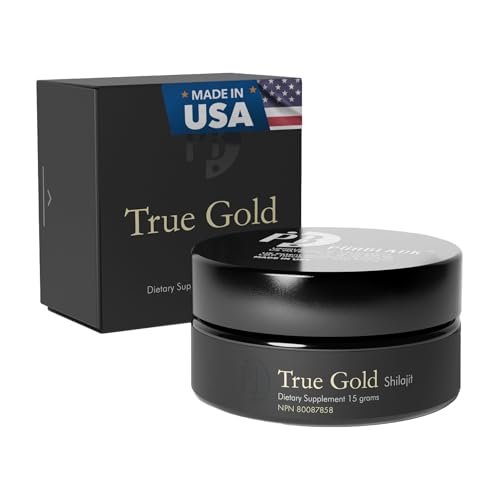
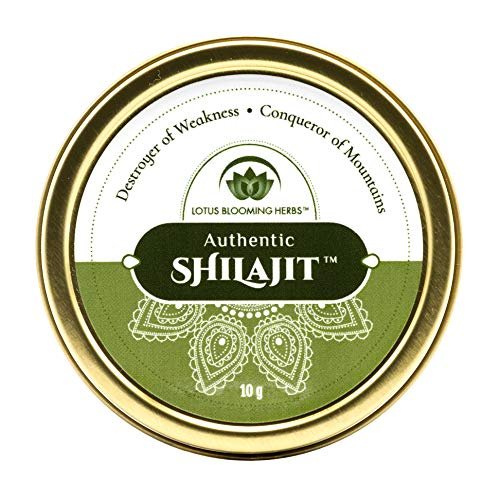
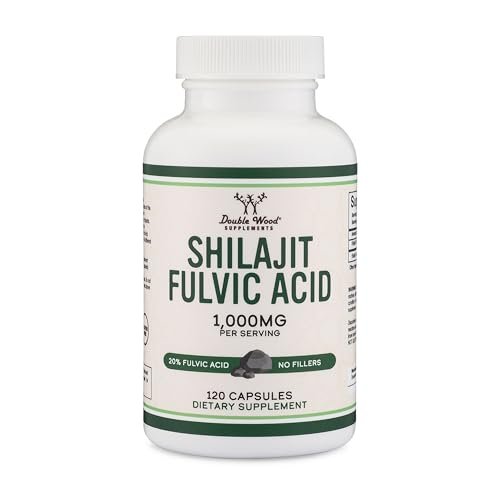
As an Amazon Associate, I earn from qualifying purchases. Product recommendations are based on real reviews and independent research.
