
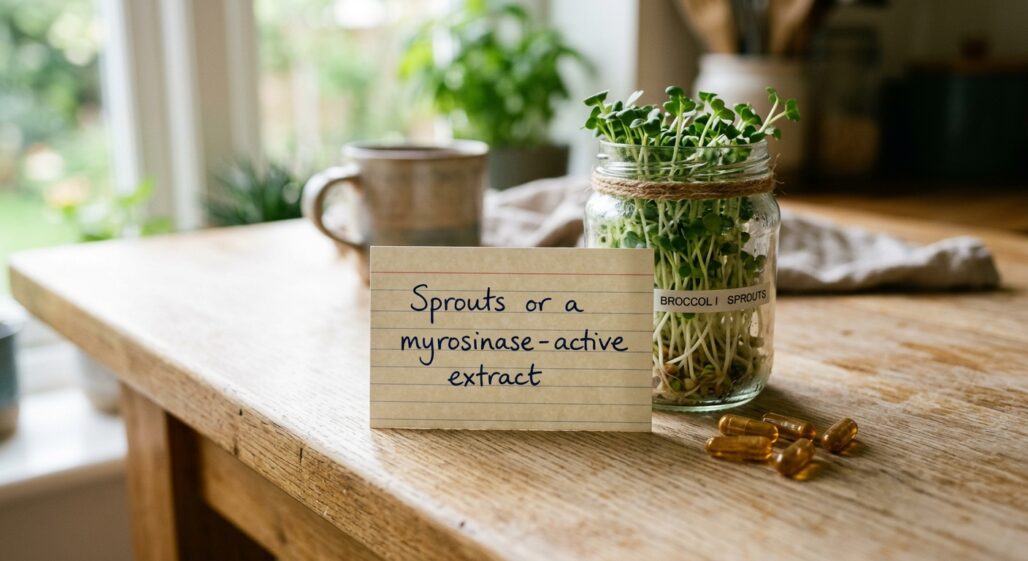
If you are searching for the best sulforaphane supplements, you have probably read the dazzling lab headlines and want to know whether a capsule actually delivers any of it. The honest answer: the mechanism is genuinely interesting, the human evidence is still early, and most pills on the shelf underdeliver because they skip the one ingredient that makes the compound work. This article breaks down how sulforaphane is made in the body, why the myrosinase question decides whether your pill does anything at all, what the small human trials really found, and how sprouts compare to extract. The picks at the end are the ones I would actually keep in my own family's cabinet, chosen on conversion chemistry rather than marketing.
Affiliate disclosure: this article contains affiliate links. As an Amazon Associate, UsefulVitamins.com earns from qualifying purchases at no extra cost to you.
Before you decide
Here is the catch almost no product page mentions. Sulforaphane is not actually in the bottle; what is in the bottle is glucoraphanin, an inert precursor that needs the enzyme myrosinase to convert into the active compound. Heat processing during extraction destroys that enzyme, so a glucoraphanin-only pill leans on your gut bacteria to finish the job, and they are slow and inconsistent.
The human evidence is small and early. We have a handful of randomized trials, most under 100 people, most under 12 weeks, measuring blood markers rather than hard disease outcomes. That is a real signal, not a cure.
No one should read this as a cancer or autism treatment. The trials that touched those areas are preliminary and behavioral, and the effects faded when people stopped taking it.
If you have a thyroid condition, here is the plain-language note: cruciferous compounds can interfere with iodine uptake at very high raw intakes, but for people eating an iodine-sufficient diet the risk from normal sprout or extract doses is minor. Talk to your doctor if your thyroid is already being treated.
What sulforaphane and glucoraphanin actually are
Sulforaphane is an isothiocyanate, a small reactive sulfur compound concentrated in cruciferous vegetables and especially in broccoli sprouts. It does not exist preformed in the plant; it is locked away as glucoraphanin, a stable storage molecule, until an enzyme called myrosinase cleaves it into the active form. In a whole plant, that enzyme sits in a separate compartment and only meets glucoraphanin when you chew or crush the tissue.
The reason researchers care is the pathway it triggers. Sulforaphane modifies cysteine residues on a protein called Keap1, which releases the transcription factor Nrf2 to move into the nucleus. Once Nrf2 is freed, it switches on a battery of more than a hundred cytoprotective genes, including phase II detoxification enzymes like NQO1, glutathione S-transferases, and heme oxygenase-1. A detailed walk-through of this Keap1-Nrf2-ARE signaling appears in a PMC review of sulforaphane and the Nrf2 pathway.
In plain terms, sulforaphane does not act like an antioxidant you swallow. It nudges your own cells to make more of their built-in detox and antioxidant machinery. That indirect mechanism is exactly why it is interesting, and also why translating it into a felt benefit has been hard.
If you are mapping this onto other cellular-defense compounds, our complete guide to longevity supplements covers where Nrf2 activators sit among the broader stack.
The myrosinase problem (the buying decision that matters most)
This is the single most important thing to understand before you spend money. A glucoraphanin pill without active myrosinase is roughly four times weaker than the same dose delivered with the enzyme intact.
The numbers are not subtle. In a careful human study, Johns Hopkins researchers measured conversion across formats and found that glucoraphanin delivered without active myrosinase converted at only about 10 percent of the dose, while preparations with active plant myrosinase reached close to 40 percent. The full data appear in Fahey and colleagues, 2015, in PLoS One, which reported that sulforaphane from sprouts or seeds with live myrosinase was 3 to 4 fold more bioavailable than glucoraphanin given alone.
Think of it like buying flour and water and being told you have bread. The ingredients are real, but without the yeast nothing rises. Myrosinase is the yeast, and most extraction processes kill it with heat.
This is the classic dose-trial-versus-supplement gap, restated as an enzyme gap. The trials that worked used preparations where conversion was high, either fresh sprouts or extracts with myrosinase added back. A bottle listing a big glucoraphanin number but no active myrosinase and no stated sulforaphane yield is selling you the inert precursor and hoping your microbiome does the rest.
Actionable takeaway: before buying, look for one of three things on the label, active myrosinase, a stated sulforaphane yield per dose, or stabilized sulforaphane itself. If none of those appear, assume you are getting the 10 percent version.
What the human evidence actually shows
The mechanism is strong; the human data are thin but real. Here is what holds up, framed honestly.
The cleanest signal is detoxification. In a randomized trial of 291 adults in Qidong, China, a region with heavy air pollution, a broccoli sprout beverage rapidly and durably increased urinary excretion of the breakdown products of airborne benzene by 61 percent and acrolein by 23 percent versus placebo. That trial, Egner and Kensler, 2014, in Cancer Prevention Research, is a surrogate marker, faster pollutant clearance, not a reduction in any disease. It tells us the Nrf2 pathway is doing something measurable in people.
On metabolic health, a 12-week randomized trial of 97 people with type 2 diabetes found that concentrated broccoli sprout extract modestly lowered fasting glucose and HbA1c, with the largest effect in obese, poorly controlled patients. The mechanism work in Axelsson and colleagues, 2017, in Science Translational Medicine tied that to reduced hepatic glucose production through Nrf2. The effect was real but modest, and it is an adjunct, never a replacement for metformin or guideline care.
The most over-hyped result is the autism trial. In Singh and colleagues, 2014, in PNAS, 44 young males with moderate to severe autism showed improved behavior scores on sulforaphane over 18 weeks. The honest footnote: it was tiny, behavioral rather than biological, and the scores drifted back toward baseline once participants stopped taking it. It is a preliminary finding, not evidence of a treatment, and it should never be sold as one.
The candid academic read is captured in the title of Houghton, 2016, in Oxidative Medicine and Cellular Longevity, which asks whether the clinician's expectation can be matched by the reality. The answer so far is a cautious maybe.
Sprouts versus extract: which form to choose
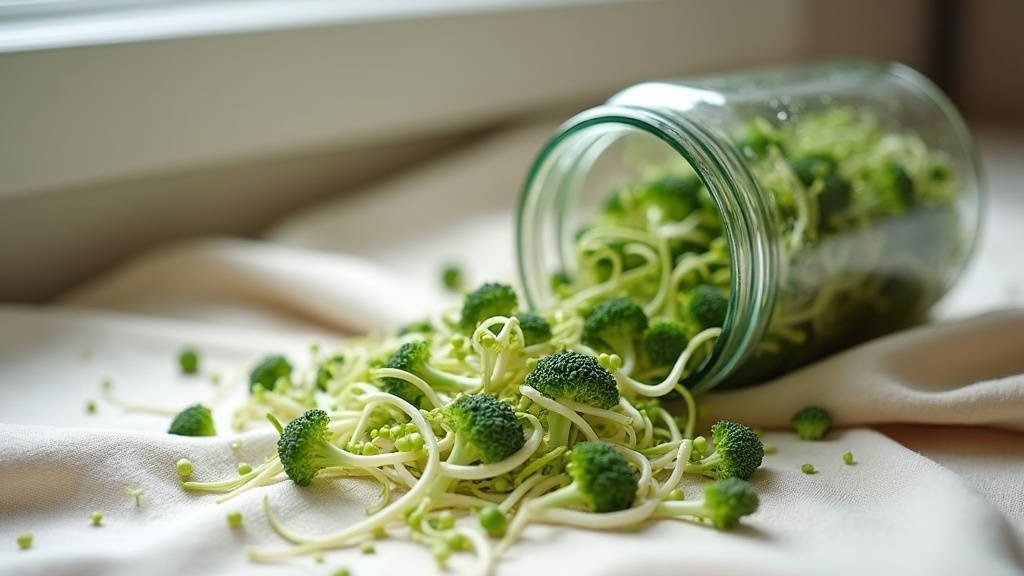
This comes down to the same enzyme question. Fresh or freeze-dried broccoli sprouts carry their own live myrosinase, so conversion is highest and most consistent. They are also the form most of the positive trials actually used.
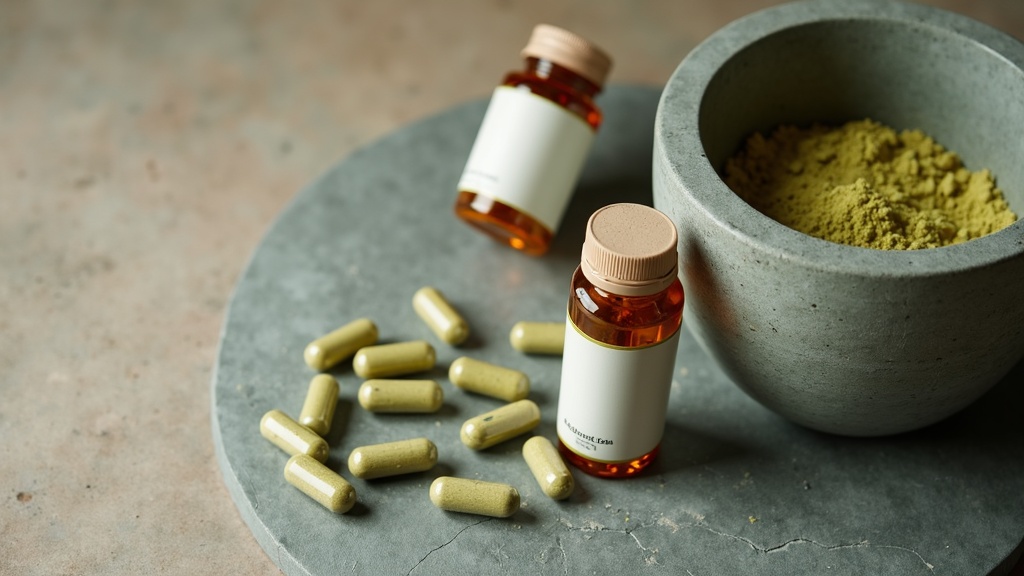
Extracts split into two honest tiers. A broccoli seed and sprout extract that adds back myrosinase, often as a mustard seed source, or that supplies stabilized sulforaphane directly, behaves like the sprouts in the trials. A heat-processed glucoraphanin-only extract is the cheap inert version.
The tradeoff is real. Sprouts win on conversion and cost but require refrigeration, taste sharp, and vary batch to batch. A quality myrosinase-active extract wins on convenience and a standardized dose, but you pay for it and you must read the label closely.
| Form | Conversion to sulforaphane | Convenience | What to verify |
|---|---|---|---|
| Fresh or freeze-dried sprouts | Highest, plant myrosinase intact | Low, needs refrigeration | Freshness, no heat-killing |
| Myrosinase-active seed and sprout extract | High if enzyme added back | High, capsule | Active myrosinase plus stated yield |
| Stabilized sulforaphane | Direct, no conversion needed | High, capsule | Stated mg sulforaphane, third-party assay |
| Glucoraphanin-only extract | Low, about 10 percent | High, capsule | Often the version to skip |
What to look for when buying
A supplement can list an impressive glucoraphanin number and still deliver almost nothing usable. The real question is not how much precursor is in the bottle, it is how much sulforaphane your body will actually make from it.
Prioritize a product that does at least one of these: contains active myrosinase, states a sulforaphane yield per serving, or supplies stabilized sulforaphane directly. Treat a big glucoraphanin figure with no enzyme and no yield as a marketing number.
Look for third-party testing, a USP, NSF, or independent assay verification, and avoid proprietary blends that hide the per-ingredient amounts. Our how we review supplements page explains the verification standards we hold every pick to.


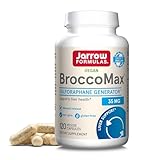
As an Amazon Associate, UsefulVitamins.com earns from qualifying purchases at no extra cost to you. We only recommend products supported by published research or third-party testing.
Who should skip or be cautious
Sulforaphane is well tolerated in trials, but it is not for everyone. If you are pregnant or nursing, skip concentrated extracts, since the trials did not include those populations and safety data are limited.
People with a treated thyroid condition deserve the plain-language caution again. A 2024 systematic review of cruciferous vegetables and thyroid function, summarized in this Int J Mol Sci review on Brassica vegetables and thyroid, found that normal intakes pose minimal risk in iodine-sufficient people, while very high raw intakes can interfere with iodine uptake. If your thyroid is already managed, clear any concentrated extract with your doctor.
Anyone treating a serious condition should keep sulforaphane firmly in the adjunct lane. It is not a substitute for prescribed care, and the metabolic and behavioral trials were small. If you are layering it for general inflammation support, see our companion roundup on the best supplements for inflammation for how it fits alongside better-studied options.
FAQ
Does cooking broccoli destroy sulforaphane?
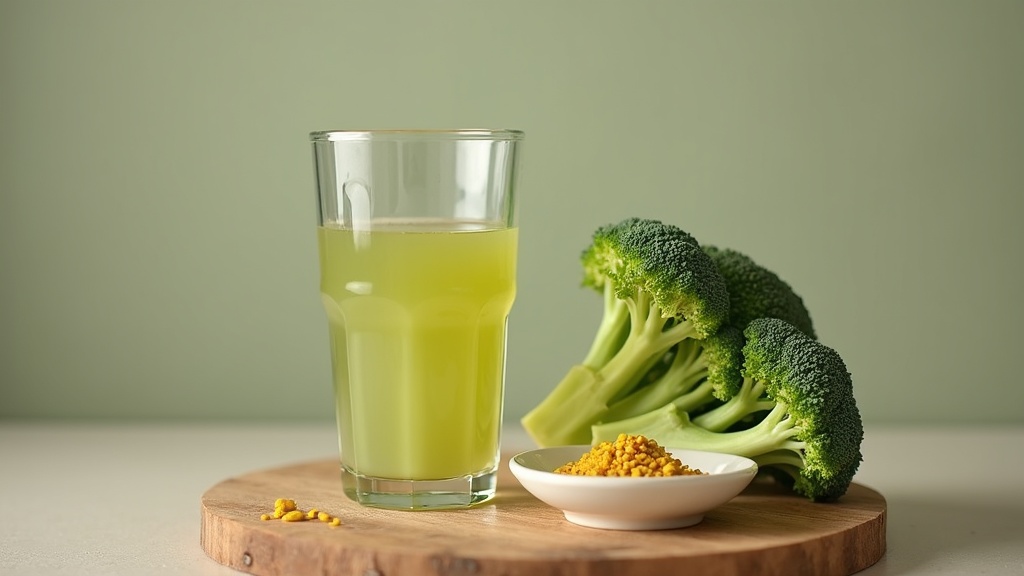
Heat destroys myrosinase, the enzyme that creates sulforaphane, so heavily cooked broccoli yields far less. Lightly steaming or adding a pinch of raw mustard powder, which carries its own myrosinase, helps preserve conversion.
How much sulforaphane is a reasonable daily amount?
The detox trial used a beverage providing roughly 40 micromoles of sulforaphane daily, and the metabolic trial used a concentrated extract. There is no established RDA. Match a product to a stated yield rather than guessing from glucoraphanin alone.
Are broccoli sprout supplements better than eating sprouts?
Not automatically. Fresh sprouts keep their live myrosinase, so they often convert better than a heat-processed pill. A capsule only matches them when it preserves or adds back the enzyme, or supplies sulforaphane directly.
Can sulforaphane help the liver?
The Nrf2 pathway is involved in liver detoxification enzymes, which is why it is studied there, but human liver-outcome data are early. We cover the better-supported options in our guide to the best supplements for liver health.
The bottom line on the best sulforaphane supplements
Sulforaphane is one of the more scientifically interesting compounds in the supplement aisle, and also one of the most commonly sold in a form that does almost nothing. The mechanism is strong, the human evidence is thin but genuine, and the buying decision lives or dies on whether the product can actually convert glucoraphanin into the active compound. The detox and metabolic signals are real surrogate-marker findings; the autism result is preliminary and reversible, not a treatment.
What this article says that the generic top-5 do not: the myrosinase-activation rule is the buying test that decides whether your pill works at all, and the honest verdict is mechanism strong, human data still thin.
Next steps:
- Start with fresh or freeze-dried broccoli sprouts if you can refrigerate them, since conversion is highest there.
- If you want a capsule, buy only one with active myrosinase, a stated sulforaphane yield, or stabilized sulforaphane.
- Read our how we review supplements standards before trusting any label number.
As an Amazon Associate, I earn from qualifying purchases. Product recommendations are based on real reviews and independent research.
Reviewed by Maria Rodriguez, MS Nutrition Science, focused on cognitive and mood biochemistry.
This article is for informational purposes and not medical advice. Concentrated plant extracts can interact with medications and health conditions. Consult a licensed physician before starting any supplement, particularly if you are pregnant, nursing, taking prescription medications, or managing a chronic condition such as thyroid disease or diabetes.
