
Most people underestimate what they spend on vitamins until they add everything up. A supplement cost calculator makes that simple by turning bottles, subscriptions, and “just one more add-on” into a clear monthly and annual total. This article shows you exactly how to calculate your real stack cost, compare products using price-per-unit (not bottle price), and spot quick savings without guessing. If you’ve ever wondered why your cart total keeps creeping up, you’re about to get a clean, repeatable system.
Affiliate disclosure: this article contains affiliate links. As an Amazon Associate, UsefulVitamins.com earns from qualifying purchases at no extra cost to you.
Summary / Quick Answer
A supplement cost calculator helps you track your full supplement stack and compare products fairly so you can lower waste and find better value.
Use this quick method:
- List every supplement you take weekly (multivitamin, fish oil, protein powder, probiotics, etc.).
- For each item, calculate monthly cost:
- Subscription: monthly price
- Bottle/tub: (price ÷ days it lasts) × 30
- Add them up for your stack total, then multiply by 12 for annual cost.
- For “which brand is cheaper,” compare price per unit (per mg, per gram, or per serving), not bottle price.
Typical real-world stacks often land around $50 to $200 per month, especially when multiple products overlap, according to an online supplement stack cost calculator tool.
How to calculate your true monthly supplement spend (without missing anything)
The sneaky part of supplement spending is that it rarely feels expensive in the moment. A $19 bottle here, a $32 subscription there, a protein powder you “need” for workouts. But once you combine them, the total can surprise you.
Many people end up in the $50 to $200 per month range when they finally total their full stack, based on estimates from a supplement stack cost calculator. That range makes sense when you consider how easy it is to stack products that overlap.
Step 1: write down your stack like a “receipt”
Start by listing every product you take at least once per week. Include:
- Vitamins and minerals (D, magnesium, zinc, multivitamin)
- Oils and fats (fish oil, krill oil)
- Powders (protein, greens, collagen, creatine)
- Specialty items (probiotics, adaptogens, nootropics)
- “Occasional but frequent” items (sleep gummies, electrolyte mix)
Actionable takeaway: If you do not write it down, you will forget at least 1-3 products that still cost you money.
Step 2: convert any bottle into a monthly cost
Use one simple formula:
Monthly cost = (Bottle price ÷ days the bottle lasts) × 30
If a bottle costs $24 and lasts 60 days:
- $24 ÷ 60 = $0.40/day
- $0.40 × 30 = $12/month
If you want a plug-and-play approach, start with the framework in our Budget Supplement Stack guide, then build upward only if you can justify each add-on.
Step 3: total it and give it a “job”
Once you have a monthly total, multiply by 12. Annual totals change decision-making fast.
Here’s a simple worksheet-style table you can copy into Notes or Sheets:
| Supplement | Price | Supply length | Monthly cost |
|---|---|---|---|
| Multivitamin | $18 | 30 days | $18.00 |
| Fish oil | $28 | 60 days | $14.00 |
| Magnesium | $16 | 45 days | $10.67 |
| Protein powder | $45 | 30 days | $45.00 |
| Probiotic | $35 | 30 days | $35.00 |
| Total | $122.67/mo |
Actionable takeaway: Put your monthly total next to a goal, like “sleep,” “lipids,” or “training.” If a product does not serve a clear goal, it is a candidate to pause.
Step 4: watch for “double coverage”
Stacks get expensive when multiple products target the same thing. Common overlaps:
- Multivitamin + separate zinc + immune blend (often repeats zinc, C, D)
- Greens powder + multivitamin (overlapping micronutrients)
- Multiple magnesium forms at once (sometimes fine, often redundant)
If you want a faster way to compare similar products, this companion guide on Supplement Price Comparison walks through practical value checks.
Supplement cost calculator math that actually compares products (price per mg, gram, or serving)
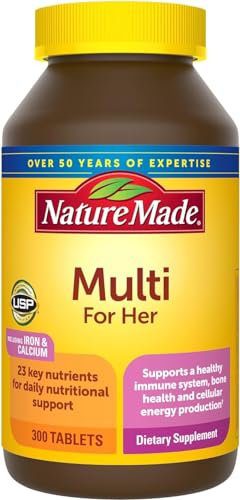
Nature Made Women’s Multivitamin Tablets, 300 Count for Daily Nutritional Support
Nature Made Women’s Multivitamin Tablets, 300 Count provides 23 key nutrients including calcium, folic acid, iron, and vitamin D for daily nutritional support tailored to women. This USP-verified option offers a 300-day supply in tablet form with no artificial colors, flavors, or gluten. It supports bone health, muscle health, immune function, and energy metabolism, though review volume remains low across retailers.
Bottle price is a weak signal. It’s like comparing groceries by “bag price” instead of “price per ounce.” Supplements vary wildly in serving size, number of servings, and how much active ingredient you get.
The consensus approach used by comparison tools is price per unit. A classic calculator example from an exercise science price comparison tool shows how a product’s value changes once you standardize the unit.
The three comparisons that matter most
Pick one of these depending on what you’re buying:
Cost per serving
Best for: probiotics, greens powders, multivitamins
Formula: Price ÷ servingsCost per mg (or mcg)
Best for: vitamin D, magnesium, zinc, vitamin C
Formula: Price ÷ (servings × mg per serving)Cost per gram
Best for: protein powder, creatine, collagen
Formula: Price ÷ (servings × grams per serving)
Actionable takeaway: If you only do one thing, compare cost per serving first. Then refine to cost per mg or gram when the active dose differs.
A practical example: why “cheaper” can cost more
Imagine two magnesium products:
- Product A: $18, 60 capsules, 200 mg per capsule
- Product B: $14, 60 capsules, 100 mg per capsule
If you need 200 mg/day:
- Product A: 1 capsule/day = 60 days
- Product B: 2 capsules/day = 30 days
Even though B is cheaper per bottle, it costs more per month because you need double the capsules.
Use this mini-table to compare quickly:
| Product | Bottle price | Dose per serving | Servings | Cost per 100 mg |
|---|---|---|---|---|
| A | $18 | 200 mg | 60 | $0.15 |
| B | $14 | 100 mg | 60 | $0.23 |
Watch the “servings” trick on powders
Powders can hide cost in scoop size. The ExRx example shows how price-per-unit can be extremely different even when tubs look similar, such as calculating cost per gram of protein or per mg of an ingredient.
If you buy powders often, it helps to keep a one-line rule:
- If the scoop size changes, your real cost changes.
For a deeper look at what drives pricing across categories, see our Vitamin and Supplement Industry Statistics breakdown.

Where your money goes: subscriptions, marketing costs, and why margins can be high
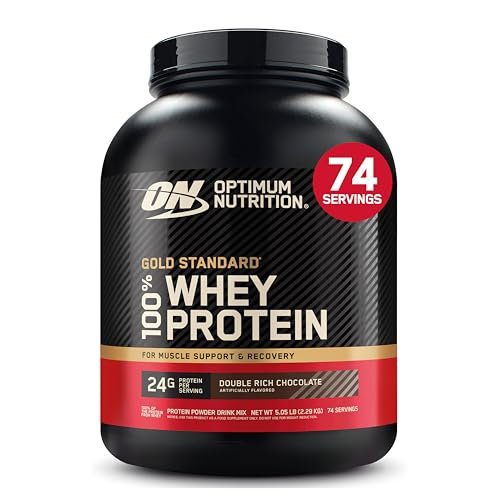
Optimum Nutrition Gold Standard 100% Whey Protein Powder, Double Rich Chocolate, 5 Pound (Packaging May Vary)
Gold Standard 100% Whey delivers 24g of protein per serving with 5.5g of BCAAs, making it a straightforward option for comparing cost-per-serving across protein powders. A 5-pound container provides enough servings to evaluate whether this formula fits your supplement budget.

Garden of Life Once Daily Dr. Formulated Probiotics for Women 50 Billion CFU 16 Probiotic Strains with Organic Prebiotics for Digestive, Vaginal & Immune Health, Dairy Free, Shelf Stable 30 Capsules
Garden of Life Once Daily Dr. Formulated Probiotics for Women delivers 50 billion CFU from 16 strains in a 30-capsule bottle, with organic prebiotics, dairy free and shelf stable. It’s formulated for digestive, vaginal, and immune health using strains like L. reuteri and L. fermentum. A straightforward once-daily option that fits into supplement stacks for cost comparison.
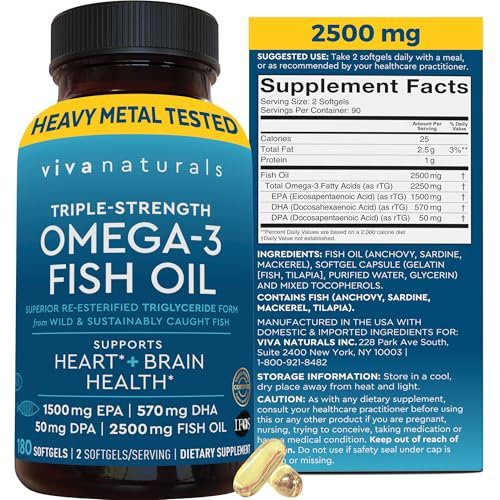
Triple Strength Omega 3 Fish Oil Supplement for Men and Women – 2500 mg High-Potency, Easy-to-Absorb Re-esterified Triglyceride Form, Pescatarian-Friendly DPA EPA DHA Omega 3 Supplement, 180 Softgels
Viva Naturals Triple Strength Omega 3 Fish Oil Supplement delivers 2500 mg high-potency fish oil in re-esterified triglyceride form for better absorption, with 2250 mg total omega-3s including EPA, DHA, and DPA, packed into 180 pescatarian-friendly softgels made with fish gelatin. Reviewers appreciate no fishy aftertaste and third-party testing by IFOS and Labdoor for purity, supporting heart, brain, joint, and eye health, though some note challenges with capsule size. It’s a solid pick for daily omega-3 needs from anchovy, sardine, and mackerel sources.
If you have ever thought, “How can this tiny bottle cost $40?” you’re not imagining things. Retail pricing reflects more than ingredients.
Industry cost modeling for online supplement stores shows sizable baseline operating expenses, including marketing and payroll, before inventory and fulfillment are even counted. One 2026 operating-cost model estimates about $30,000 per month in baseline operating costs, with digital marketing modeled at $12,500 per month and a target $35 customer acquisition cost (CAC), according to a detailed breakdown from Financial Models Lab.
That matters because those costs often get “baked into” the price you pay.
Why some products feel overpriced (even when they are popular)
Some categories can carry very high retail markups. A supplement industry overview notes that certain branded categories may reach 80-95% profit margins for retailers, based on a 2026 niche analysis from NutraSeller.
This does not mean every supplement is a rip-off. It means price is not a reliable indicator of quality.
Actionable takeaway: When a product is heavily branded or influencer-driven, do a price-per-unit check before you assume it’s “premium.”
The subscription trap (and when subscriptions are actually fine)
Subscriptions can be useful for essentials you consistently use, like vitamin D or creatine. But they can also keep “maybe” supplements on autopilot.
Use this quick audit:
| Subscription status | Question to ask | What to do |
|---|---|---|
| Auto-ship monthly | “Am I finishing it before the next box?” | Extend delivery interval |
| Auto-ship quarterly | “Do I notice a difference?” | Pause for 30 days and reassess |
| Multiple brands | “Am I duplicating ingredients?” | Consolidate to one product |
If you use auto-ship, compare options in our guide to Supplement Subscription Services.
A smarter way to shop: pick “anchor supplements”
Anchor supplements are the few that you can justify with your diet, labs, or a clear symptom target. Everything else should earn its place.
Many people do well starting with:
- A value-focused multivitamin (if diet gaps exist)
- Vitamin D (common low intake, especially with limited sun)
- Omega-3s (if fish intake is low)
- Creatine (for strength-focused training, if appropriate)
If you want a curated shortlist, our Best Value Multivitamins guide is designed for price-to-quality tradeoffs.
Special case: budgeting supplements alongside Medicare Part D and rising health costs
For many older adults, supplement spending is not separate from healthcare spending. It competes with prescriptions, premiums, and other out-of-pocket costs. That’s why it helps to treat supplements like a line item in a broader plan.
Medicare Part D cost sharing is changing in ways that affect budgeting. For 2026, one consumer-focused summary reports an average Part D premium of $34.50/month for stand-alone plans and $11.50/month for Medicare Advantage plans with drug coverage, with a deductible cap of $615/year and an out-of-pocket maximum rising to $2,100, according to an overview from the National Council on Aging.
Important: Medicare generally does not cover typical over-the-counter vitamins. So supplements often remain a separate cash expense, even when prescriptions are capped.
A simple “combined budget” view
Try this planning table:
| Category | Monthly estimate | Notes |
|---|---|---|
| Part D premium | $11 to $35 | Varies by plan type |
| Prescriptions (OOP) | Your estimate | Track actual receipts |
| Supplements | Your stack total | From your calculator |
| Total health-related | Combined | Use for budgeting |
If you want to estimate drug out-of-pocket patterns, a consumer tool like the Q1 Medicare Part D out-of-pocket calculator can help you model scenarios.
Actionable takeaway: If prescriptions are your priority expense, keep supplements focused on the few with the clearest personal payoff.
Why “health costs are rising” still matters for supplement planning
Even though supplement prices do not follow Medicare rules, broader healthcare inflation can affect household budgets. CMS actuarial documentation includes trend assumptions that can shape premiums and plan costs over time, as shown in the CMS 2026 AV calculator methodology.
And for retirement planning, tools like the Vanguard healthcare costs in retirement calculator highlight how ongoing health expenses can add up, making it even more important to avoid “set and forget” supplement spending.

Prefer this done automatically? Our companion app, StackMyMed, scans your actual supplements, tracks your real intake, and schedules the best time to take each one.
Conclusion
A supplement budget works best when it’s measurable. A supplement cost calculator gives you that measurement – a clear monthly and annual total, plus a fair way to compare products using price per serving or price per mg/gram.
Next steps:
- Total your stack, then circle anything you cannot explain in one sentence.
- Run price-per-unit comparisons before you reorder.
- If you use auto-ship, audit subscriptions quarterly.
For practical ways to lower your monthly total without dropping the basics, start with Budget Supplement Stack and then refine your picks using Supplement Price Comparison.
As an Amazon Associate, I earn from qualifying purchases. Product recommendations are based on real reviews and independent research.
