
Pregnancy supplements can help cover common nutrient gaps that show up when your body is building a baby, expanding blood volume, and supporting fast fetal growth. The tricky part is that timing matters – neural tube development happens in the first month, while iron needs often climb later as blood volume rises. This article breaks down what most people actually need from prenatal vitamins, which nutrients are commonly missed (like iodine, choline, and DHA), and how to choose safe, well-formulated options without accidentally overdoing it.
Affiliate disclosure: this article contains affiliate links. As an Amazon Associate, UsefulVitamins.com earns from qualifying purchases at no extra cost to you.
Summary / Quick Answer
Most pregnancy supplements should start before conception or as soon as you find out you’re pregnant, with folate (or folic acid), iron, vitamin D, iodine, and DHA as the most common priorities. A prenatal vitamin is the base, then labs and diet help fine-tune the rest.
Here’s a practical, “what to look for” checklist:
- Folate/folic acid: 400-800 mcg daily (start 1-3 months preconception if possible)
- Iron: 27 mg daily in pregnancy (often easier on the stomach in chelated forms)
- Iodine: 220 mcg daily (not included in every prenatal)
- Vitamin D: commonly 600-2,000 IU daily (dose depends on labs and clinician advice)
- DHA: 200-300 mg daily (especially if you rarely eat low-mercury fish)
- Choline: aim around 450 mg daily total (food + supplements; many prenatals underdose)
If you’re also reviewing meds or safety categories, see UsefulVitamins’ guide to pregnancy safe supplements.
Why pregnancy changes your nutrient needs (and why timing matters)
If pregnancy nutrition feels like a moving target, that’s because it is. Your body’s needs shift by trimester, and some developmental milestones happen before you even see a positive test. Neural tube development, for example, occurs very early – often within the first 28 days after conception. That’s why clinicians emphasize folate before pregnancy and in early first trimester.
At the same time, pregnancy increases blood volume dramatically (often cited up to about 50%), which helps explain why iron needs rise. Iron supports red blood cell production, and low iron status is common worldwide during pregnancy. These changes are normal, but they can outpace even a strong diet, especially if nausea limits food variety.
The “timing map” most people don’t get told
Think of supplements like insurance policies that become important at different moments:
- Preconception to early first trimester: folate/folic acid, iodine, vitamin D, DHA
- First trimester (nausea phase): continue prenatal; consider B6 if your clinician recommends it
- Second to third trimester: iron often becomes more important; calcium and choline intake matters more as baby’s growth accelerates
Quick visual: trimester priorities at a glance
| Stage | What’s most time-sensitive | What commonly becomes harder |
|---|---|---|
| Preconception | Folate/folic acid | Building consistent habits |
| 1st trimester | Folate, iodine; DHA | Nausea, food aversions |
| 2nd trimester | Iron, vitamin D | Constipation, reflux |
| 3rd trimester | Iron, calcium, choline | Sleep, appetite swings |
Adding this to a few other supplements? Our companion app, StackMyMed, scans the label, tracks your real daily intake, and schedules the best time to take it around everything else in your routine.
Actionable takeaway
If you’re trying to conceive, don’t wait for the first appointment to start. A basic prenatal vitamin started at least a month ahead is a practical step supported by major clinical guidance, including the Mayo Clinic overview on prenatal vitamins.
Pregnancy supplements: what’s essential vs “nice to have”
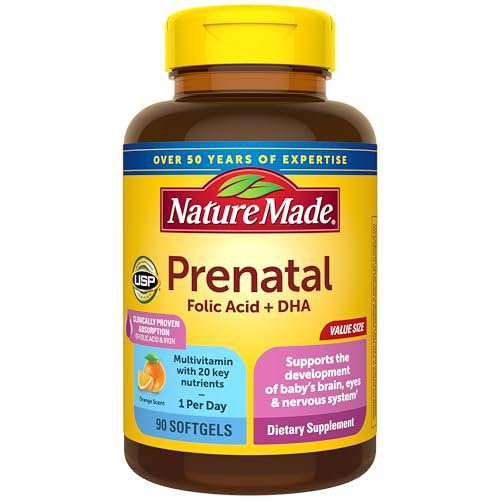
Nature Made Prenatal Vitamins for Women with Folic Acid + DHA, Prenatal Vitamin and Mineral Supplement for Daily Nutritional Support, 90 Softgels, 90 Day Supply
Nature Made Prenatal Vitamins for Women with Folic Acid + DHA come as 90 softgels for a 90-day supply, providing one softgel daily. This prenatal supplement includes folic acid and DHA plus 19 other key nutrients like B vitamins, iron, and magnesium for daily nutritional support during pregnancy. It supports baby’s brain, eye, bone, and nervous system development as well as mom’s health.
Most people search “pregnancy supplements” because they want a simple list. The reality is that needs depend on diet pattern, labs, and symptoms, but there is a solid core that shows up across clinical recommendations.
The essentials most prenatals should cover
A well-designed prenatal vitamin typically includes:
- Folate (folic acid or methylfolate): supports early fetal development
- Iron: supports increased blood volume and helps prevent iron deficiency anemia
- Iodine: supports thyroid function and fetal brain development
- Vitamin D: supports bone and immune function
- Vitamin B12: especially important if you eat little or no animal foods
Many prenatals also include zinc, selenium, and vitamin C. Vitamin C can support iron absorption, but you do not need megadoses.
The commonly overlooked add-ons
Two nutrients are especially easy to miss:
- DHA (an omega-3): supports fetal brain and eye development; many prenatals include little or none
- Choline: important for fetal brain development; many prenatals underdeliver compared with typical targets
For a deeper dive on omega-3 dosing, food sources, and supplement forms, see the UsefulVitamins guide to omega-3 fatty acids.
Visual: “essential vs often-missed” checklist
| Category | Nutrients | Why it matters |
|---|---|---|
| Usually essential | Folate, iron, iodine, vitamin D, B12 | Common gaps and higher needs in pregnancy |
| Often missed | DHA, choline | Many prenatals don’t provide enough |
| Situational | Calcium, magnesium, extra vitamin D, extra iron | Depends on diet, labs, symptoms |
Actionable takeaway
Use your prenatal as the foundation, then add only what’s justified by diet or labs. More pills do not automatically mean better outcomes.
How to choose prenatal vitamins that are safe, absorbable, and tolerable
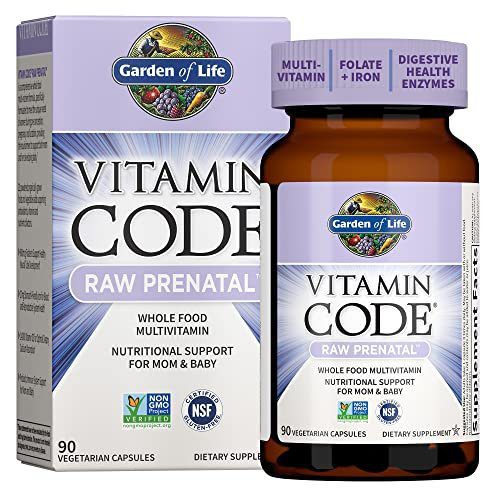
Garden Of Life, Raw Vitamin Code Prenatal 90 Organic, 90 Count
Garden of Life Raw Vitamin Code Prenatal 90 Organic is a whole food multivitamin formulated for preconception, pregnancy, and lactation, using over 20 powdered organically grown fruits and vegetables with no synthetic binders or fillers. It provides 800 mcg folate for neural tube development, 27 mg stomach-friendly iron for blood and reproductive health, and probiotics for digestive support. A clean option for women wanting organic prenatal nutrition in a 90 vegetarian capsule count, though some note label variances in lab tests.
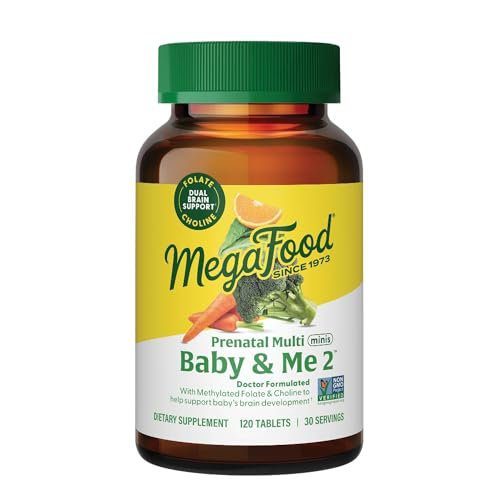
MegaFood Baby & Me 2 Prenatal Multi Minis – Prenatal Vitamins for Women with Choline & Methyl Folate – Gluten-Free, Vegetarian, Pre Natal Multivitamin for Women – 120 Minis Tablets, 30 Servings
MegaFood Baby & Me 2 Prenatal Multi Minis provides 120 mini tablets (4 per serving, 30 servings) with choline, methyl folate, iron, and other nutrients from real food like organic oranges and broccoli. This gluten-free, vegetarian prenatal multivitamin is designed to support nutrition before and during pregnancy. It can be taken anytime, even on an empty stomach.
The best prenatal vitamin is the one you can take consistently and that matches your actual needs. Labels can look similar, but small formulation details affect absorption and side effects.
1) Folate vs folic acid (and when methylfolate makes sense)
Many products use folic acid, the synthetic form that’s well-studied and widely recommended. Some use L-methylfolate (5-MTHF), a “pre-activated” form that may be helpful for people with certain genetic variations affecting folate metabolism (often discussed in the context of MTHFR).
Practical approach:
- If you’ve previously been advised to use methylfolate, it’s reasonable to choose a prenatal that contains 5-MTHF.
- If not, a standard prenatal with folic acid is still a common clinician-recommended option.
If you want a consumer-friendly overview of what to look for in a prenatal, the Mayo Clinic prenatal vitamin guidance is a reliable starting point.
2) Iron form matters (for constipation and nausea)
Iron is one of the main reasons people quit their prenatal. Side effects can include constipation, nausea, and stomach discomfort.
What may help:
- Look for gentler forms such as ferrous bisglycinate (often better tolerated than some traditional forms).
- Take iron with a vitamin C-containing food (like citrus or strawberries).
- Avoid taking iron at the same time as calcium supplements, coffee, or tea, which can reduce absorption.
3) Watch vitamin A form and dose
Vitamin A is essential, but preformed vitamin A (retinol) can be risky in high amounts during pregnancy. Many prenatals use beta-carotene, which the body converts as needed.
Quick check:
- Prefer products that emphasize beta-carotene or keep retinol modest.
- Avoid stacking multiple “beauty” supplements with a prenatal unless your clinician approves.
4) Third-party testing and label quality
Because supplements are not regulated like prescription drugs, quality signals matter.
Look for:
- Third-party testing (USP, NSF, or similar)
- Transparent labeling (exact forms and amounts)
- No megadose “proprietary blends”
Visual: prenatal label “green flags” vs “red flags”
| Green flags | Red flags |
|---|---|
| Third-party tested | Megadoses of fat-soluble vitamins |
| Clear forms listed (5-MTHF, bisglycinate) | Proprietary blends hiding amounts |
| Includes iodine and adequate folate | Missing iodine entirely |
| DHA included or easy to add separately | “One pill does everything” claims |
Actionable takeaway
If your prenatal makes you miserable, switch format before you quit. Gummies can help with nausea, but they often lack iron. Capsules can be better for iron, but you may need to split the dose.
How to take pregnancy supplements to maximize absorption (and minimize side effects)
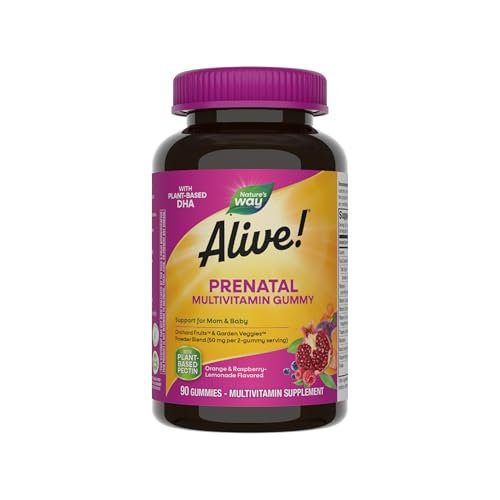
Nature’s Way Alive! Gummy Prenatal Vitamins, Prenatal Multivitamin Supplement with Plant-Based DHA for Brain & Eye Development*, Vegetarian Orange Raspberry Lemonade Flavored, 90 Gummies
Nature’s Way Alive! Gummy Prenatal Vitamins deliver a prenatal multivitamin supplement with plant-based DHA for brain and eye development in 90 vegetarian orange raspberry lemonade flavored gummies. Reviews across iHerb, Walmart, and the manufacturer’s site praise the taste and gummy format as an easy pill alternative, but no Amazon-specific data including ASIN, ratings, reviews, price, or third-party testing was found; cannot recommend for affiliate purposes without verified Amazon product page.
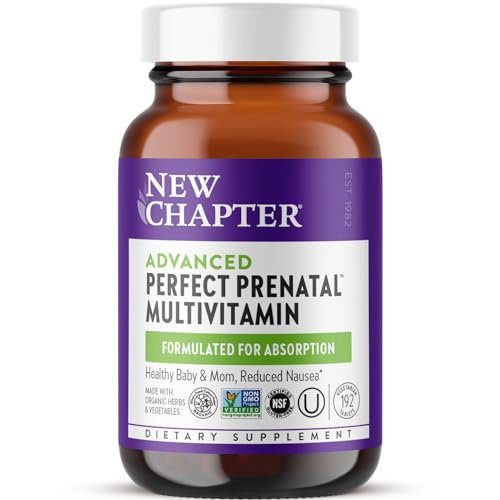
New Chapter Advanced Perfect Prenatal Vitamins, 192ct, Made with Organic, Non-GMO Ingredients for Healthy Baby & Mom – Folate (Methylfolate), Whole-Food Fermented Iron, Vitamin D3 + Ginger
New Chapter Advanced Perfect Prenatal Vitamins deliver fermented, organic, non-GMO nutrients like methylfolate, whole-food fermented iron, vitamin D3, and ginger in a 192-count bottle for healthy baby and mom support. Formulated with probiotics and whole foods for better absorption, it’s gentle on the stomach without added sugar. Requires three tablets daily, suiting those prioritizing nutrient quality over convenience.
Even a high-quality prenatal can underperform if it’s taken in a way that worsens nausea or blocks absorption. Small timing changes can make a big difference.
Iron: the most common “timing” problem
Iron absorption improves when taken away from inhibitors and alongside vitamin C.
A simple routine:
- Take iron-containing prenatals with a snack that includes vitamin C (fruit works well).
- Avoid pairing iron with calcium supplements or high-calcium meals.
- If coffee is non-negotiable, separate it from iron by a couple of hours.
If iron causes constipation:
- Ask your clinician if a different iron form is appropriate.
- Increase fluids and fiber gradually.
- Consider spacing your prenatal away from other constipating triggers (like low fluid intake).
Vitamin D: consistency matters more than perfection
Vitamin D is fat-soluble, so taking it with a meal that contains some fat may help absorption. Many people are low even with sun exposure, depending on geography, season, skin tone, and sunscreen use.
For a deeper explanation of dosing ranges, testing, and what “normal” looks like, see the UsefulVitamins vitamin D comprehensive guide.
DHA: choose the right source for your diet
If you don’t eat fish, consider algae-based DHA. If you do eat fish, focus on low-mercury options and use supplements to fill gaps rather than doubling up unnecessarily.
Nausea strategies that actually help people stay consistent
If mornings are rough, take your prenatal:
- With dinner
- Right before bed
- Split into two smaller doses (if the product allows it)
Some clinicians recommend vitamin B6 for nausea in pregnancy. Always confirm dosing and suitability with your prenatal care provider before adding it.
Visual: “do this, not that” supplement timing
| Goal | Do this | Not that |
|---|---|---|
| Absorb iron better | Pair with vitamin C foods | Take with coffee/tea |
| Reduce nausea | Take at night or with food | Take on an empty stomach |
| Avoid blocked absorption | Separate iron and calcium | Take iron + calcium together |
| Avoid doubling | Add only what’s missing | Stack multiple multivitamins |
Actionable takeaway
If you’re taking multiple pills, write a 2-time-slot plan (morning and evening). Most side effects come from taking everything at once.

Special situations: plant-based diets, labs, and postpartum
The “standard prenatal” assumes an average diet. But pregnancy is not average, and neither are many people’s eating patterns. This is where personalization makes the biggest difference.
If you’re vegetarian or vegan
Plant-based pregnancies can be healthy, but a few nutrients deserve extra attention:
- Vitamin B12: often requires supplementation if you avoid animal products
- Iodine: intake can be low if you don’t use iodized salt or eat dairy/seafood
- DHA: algae-based DHA is a solid option
- Iron: plant iron is less readily absorbed; pairing with vitamin C helps
If you’re unsure whether your prenatal covers these, bring the label to your appointment and ask directly.
If you have (or suspect) deficiencies
Bloodwork can prevent guesswork. Common labs in pregnancy discussions include:
- Ferritin and hemoglobin (iron status)
- 25(OH)D (vitamin D status)
- B12 (especially with plant-based diets or certain GI conditions)
Dosing should be individualized when labs show low levels. “Standard prenatal amounts” are designed for general coverage, not for treating deficiencies.
Postpartum and breastfeeding: don’t stop too early
Many people stop their prenatal right after delivery, but nutrient needs continue during lactation. Continuing a prenatal can help cover ongoing demands, especially for vitamin D, iodine, and DHA.
UsefulVitamins covers this phase in more detail in lactation safe vitamins.
Visual: personalization checklist to bring to your OB or midwife
| Question | Why it matters |
|---|---|
| Does my prenatal include iodine? | Not all formulas do |
| Do I need extra iron based on labs? | Avoid under- or over-supplementing |
| Should I add DHA or choline? | Common gaps in many diets |
| Is my vitamin D level low? | May require tailored dosing |
| Am I stacking anything with vitamin A? | Avoid excessive preformed vitamin A |
Actionable takeaway
A prenatal vitamin is a baseline, not a diagnosis. Use labs and diet history to decide what to add, and avoid “covering all bases” with extra multis.
Conclusion
Pregnancy supplements work best when they’re simple, consistent, and timed to pregnancy’s changing needs. For most people, that means choosing a well-formulated prenatal vitamin, prioritizing folate early, and paying close attention to iron, iodine, vitamin D, DHA, and choline as pregnancy progresses.
If you want to keep reading, start with UsefulVitamins’ guide to pregnancy safe supplements for safety basics, and then review the omega-3 fatty acids guide to make DHA decisions with more confidence.
As an Amazon Associate, I earn from qualifying purchases. Product recommendations are based on real reviews and independent research.
