
When people search for immune system supplements, they usually want one thing: fewer sick days without wasting money on products that overpromise. The reality is simpler and more useful. The best supplements don’t “supercharge” immunity in everyone – they fill common nutrient gaps that make immune defenses work poorly, especially in winter, during stress, or when labs show low levels. This article breaks down which vitamins and minerals have the strongest evidence, what doses are reasonable, and how to choose products that are actually worth taking.
Affiliate disclosure: this article contains affiliate links. As an Amazon Associate, UsefulVitamins.com earns from qualifying purchases at no extra cost to you.
Summary / Quick Answer: What are the best immune system supplements?
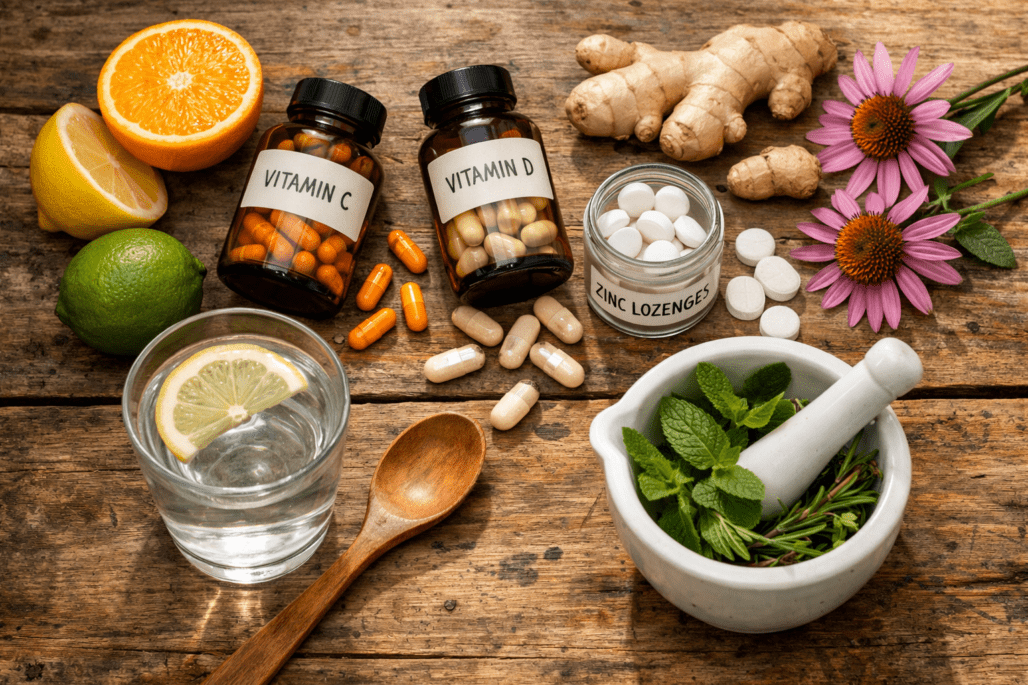
The best immune system supplements are the ones that correct or prevent common deficiencies – especially vitamin D, vitamin C, and zinc. For many people, those three cover the biggest “weak links” in immune function.
Most evidence-supported options (in order of practicality):
- Vitamin D (especially if you get little sun or have low blood levels)
- Vitamin C (helps immune cell function and may shorten cold duration)
- Zinc (supports immune cell development and mucosal barriers)
- Selenium (antioxidant support, often included in multi-mineral blends)
- Probiotics (supportive evidence via the gut-immune connection)
Quick “starter stack” (typical ranges):
- Vitamin D: 1,000-2,000 IU/day (individualize with testing)
- Vitamin C: 250-1,000 mg/day
- Zinc: 15-30 mg/day (avoid long-term high dosing)
If you want deeper guidance, start with Best Vitamin D for Immune Health and Best Zinc Supplements.
Immune system supplements that actually have evidence (and what they do)
If your immune system is a security team, nutrients are the staffing, training, and communication tools. When one key role is understaffed – like low vitamin D or zinc – the whole response can look slower and less organized.
The strongest consensus for supplement support centers on vitamin D, vitamin C, zinc, and selenium. According to the NIH Office of Dietary Supplements overview on immune function, a varied diet can cover many needs, but supplements can help when intake or absorption is low – or when deficiency risk is high.
1) Vitamin D: immune regulation and respiratory defense
Vitamin D acts more like a “manager” than a weapon. It helps regulate inflammatory signaling and supports immune cells’ ability to respond appropriately. Low vitamin D status is consistently associated with more frequent respiratory infections in observational research, and correcting deficiency is a common clinical focus.
Practical takeaway: If you rarely get midday sun, live in a northern climate, have darker skin, or are older, vitamin D is often the first supplement worth checking. For a product and dosing breakdown, see Best Vitamin D for Immune Health.
2) Vitamin C: immune cell function and antioxidant protection
Vitamin C supports several parts of immune defense, including white blood cell function, and it also acts as an antioxidant during infection-related oxidative stress. Evidence suggests vitamin C can reduce cold duration and severity in some contexts, especially when intake is low.
For a science-first breakdown of forms and dosing, read Vitamin C Science, Benefits & Dosage.
3) Zinc: immune cell development and barrier support
Zinc is involved in immune cell development, cell-to-cell signaling, and maintaining physical barriers (like the lining of the nose and throat). Deficiency is known to impair immune function and raise infection risk. Zinc also has a narrow “sweet spot” – too little is a problem, but too much for too long can backfire.
If you’re choosing a zinc product (form, dose, and what to avoid), use Best Zinc Supplements.
4) Selenium: antioxidant defense (helpful, but not a headline act)
Selenium supports antioxidant enzymes that help manage oxidative stress during immune responses. It’s often included in immune blends because it complements vitamin C and zinc, but it’s usually not the first “must take” unless intake is low.
Evidence snapshot (quick visual)
| Supplement | What it supports | Best use case |
|---|---|---|
| Vitamin D | Immune regulation, inflammatory balance | Low sun exposure, low blood levels |
| Vitamin C | Immune cell function, antioxidant defense | Low produce intake, frequent colds |
| Zinc | Immune cell development, mucosal barriers | Limited dietary zinc, higher needs |
| Selenium | Antioxidant enzymes | Low selenium intake, multi support |
| Probiotics | Gut-immune signaling | Digestive issues, antibiotic history |
Bottom line: The most reliable “immune support” strategy is correcting common deficits, not stacking dozens of trendy ingredients.
How to choose the right immune system supplements for your needs (without overdoing it)
Nature Made Vitamin D3 2000 IU, 220 Tablets
Vitamin D is highlighted as a crucial supplement for immune regulation and respiratory defense, making this product highly relevant.
Check Price on Amazon →The confusing part isn’t whether nutrients matter. It’s deciding what you need, at a dose that helps rather than causes side effects. A practical approach is to think in three steps: risk, testing, and safety limits.
Step 1: Identify your most likely gaps
Many people benefit most from supplementing based on lifestyle and diet patterns.
Higher deficiency risk tends to include:
- Low sunlight exposure (vitamin D)
- Low fruit and vegetable intake (vitamin C and other antioxidants)
- Low animal protein or seafood intake (zinc, B12, iron in some cases)
- High stress, poor sleep, frequent travel (more exposure + higher demand)
- Older age (absorption changes, lower intake, higher vulnerability)
A helpful reality check comes from Harvard Health’s perspective on supplements and immunity: supplements may support normal immune function, but they don’t create “super-immunity” in already well-nourished people.
Step 2: Use testing when it changes the decision
Not every supplement needs a lab test, but vitamin D is a standout because dosing depends heavily on baseline status.
Consider asking your clinician about:
- 25(OH)D blood test if you suspect low vitamin D
- Iron studies if fatigue is significant or diet is low in iron (do not self-dose iron casually)
- B12 if you’re vegan, older, or on metformin or acid reducers
Practical takeaway: Testing is most useful when you’re deciding between “small maintenance dose” vs “repletion plan.”
Step 3: Stay inside evidence-based guardrails
More isn’t better with immune supplements. It’s sometimes worse.
Common upper-limit issues to avoid:
- Zinc too high for too long can contribute to copper deficiency and immune imbalance.
- Vitamin C megadoses can cause GI upset and may be unnecessary for most people.
- Vitamin D excessive dosing can lead to high calcium levels in rare cases, especially with very high intakes.
Quick decision guide (visual checklist)
Pick your approach:
- Food-first + targeted supplement (best for most people)
- Simple “3-core” plan (vitamin D + vitamin C + zinc)
- Multi + add-ons only if there’s a clear reason (diet gaps, clinician guidance)
If you’re building a winter plan, Winter Immune Support: Vitamins & Tips to Stay Healthy lays out a seasonal routine that pairs supplements with sleep and nutrition habits.
Dosage, forms, and timing: what to take (and when it matters)
Garden of Life Vitamin C – Organic Whole Food Vitamin C, 60 Chewable Tablets
No exact match found for the Garden of Life Vitamin C Organic Whole Food 60 Chewable Tablets on Amazon.com in the provided search results; a similar Garden of Life Vitamin Code Raw Vitamin C 60 Capsules (ASIN B00280M120) exists but is capsules, not chewables. Cannot recommend without verified product data.
Labels make it look like timing and forms are everything. In practice, consistent intake and correct dosing matter more than fancy delivery systems – with a few exceptions.
Vitamin C dosing and forms
Common daily ranges used for general support are 250-1,000 mg/day, with an adult tolerable upper limit of 2,000 mg/day. Some people prefer buffered or “non-acidic” forms if standard ascorbic acid upsets their stomach.
Actionable tips:
- Split dosing (morning + evening) if GI upset happens.
- Prioritize food sources too – citrus, kiwi, bell peppers, strawberries.
For a deeper look at evidence and forms, see Vitamin C Science, Benefits & Dosage.
Vitamin D dosing and best timing
A common maintenance range is 1,000-2,000 IU/day, but needs vary. Vitamin D is fat-soluble, so taking it with a meal that contains fat can improve absorption.
Actionable tips:
- If your blood level is low, follow a clinician’s repletion plan.
- Consider pairing vitamin D with magnesium and vitamin K only if advised, not by default.
Product selection guidance is covered in Best Vitamin D for Immune Health.
Zinc dosing, forms, and “don’t do this”
Many immune formulas land around 15-30 mg/day. That range can be reasonable short term, especially during seasons when you’re run down. Long-term high-dose zinc is where people get into trouble.
Actionable tips:
- Take zinc with food if it makes you nauseated.
- Avoid stacking multiple products that each contain zinc (multi + lozenge + “immune blend” is a common mistake).
- If you’re taking zinc daily for months, ask about copper balance.
For form comparisons (picolinate vs gluconate vs citrate) and product picks, use Best Zinc Supplements.
Probiotics: supportive evidence, product choice matters
Probiotics don’t “kill viruses,” but they can support the gut-immune relationship. The catch is that effects are strain-specific and dose-dependent, so random picks often disappoint.
Actionable tips:
- Choose products with clear strain labeling (not just “proprietary blend”).
- Give it 4-8 weeks before judging results unless side effects occur.
If you want a side-by-side breakdown, read Best Probiotics Comparison.
Quick dosing table (visual)
| Supplement | Typical daily range | Notes |
|---|---|---|
| Vitamin C | 250-1,000 mg | Split dose if sensitive |
| Vitamin D | 1,000-2,000 IU | Adjust based on testing |
| Zinc | 15-30 mg | Avoid long-term high dosing |
| Selenium | Often 55-100 mcg | Common in multis |
| Probiotics | Varies by strain | Look for labeled strains |
“Best immune boosters” beyond vitamins: what’s promising vs what’s hype
Zinc Picolinate 50mg – 120 Veggie Capsules
Thorne Research Zinc Picolinate 50mg (120 capsules) earns a solid 4.7/5 from over 2,100 Amazon reviews for its high bioavailability and effectiveness in boosting immunity, hormone balance, and skin health. Reddit communities like r/supplements endorse it as a premium choice with clean, tested ingredients via NSF and ConsumerLab, justifying the $24 price for those seeking reliable absorption over cheaper alternatives.
NOW Supplements Selenium 200 mcg, 100 Veg Capsules
NOW Supplements Selenium 200 mcg earns a strong 4.6-star rating from over 12,000 Amazon reviews, with praise for thyroid and immune support at an affordable $12.99 price point; recommend for those needing reliable supplementation, but consult a doctor if in high-selenium areas or on medications, as it’s not third-party tested in available data.
Culturelle Probiotic Digestive Health, 30 Capsules
Insufficient search results to verify the specific Amazon product page or provide real data on ratings, reviews, price, pros, cons, Reddit opinions, or third-party testing; Culturelle is a trusted probiotic brand with clinically studied products, but recommend direct Amazon search for current details before affiliate recommendation.[2]
A lot of “immune booster” marketing leans on herbs and trendy compounds. Some are promising, but the evidence is usually less consistent than for correcting vitamin and mineral deficiencies.
A grounded way to think about add-ons is: do they have a plausible mechanism, human data, and a good safety profile? And are you using them to complement basics like sleep and nutrition, not replace them?
Elderberry and medicinal mushrooms: emerging, not settled
Elderberry is often used for seasonal support, and certain mushroom extracts are studied for immune modulation. The evidence base is still developing, and product quality varies widely.
Actionable tips:
- Use these as short-term add-ons, not year-round “insurance.”
- Avoid products with unclear dosing or lots of added sugar (common in syrups/gummies).
For general context on supplement categories and what’s known, consumer health summaries like Healthline’s evidence-based overview of immune-related supplements can be a useful starting point, though individual study quality varies.
Quercetin, omega-3s, and B vitamins: supportive roles
- Quercetin is studied for antioxidant and inflammation-related pathways, but results depend on dose and context.
- Omega-3s may support immune balance through inflammation signaling, especially if intake is low.
- B6, folate (B9), and B12 support immune cell production and normal inflammatory responses, mainly when deficiency exists.
Actionable tips:
- If your diet is low in fatty fish, omega-3s may be a more meaningful “health foundation” supplement than a trendy immune blend.
- If you’re vegan or older, B12 is often more relevant than most “immune gummies.”
The 3 most common misconceptions (and what to do instead)
Myth 1: Supplements boost immunity like a superpower.
Reality: They mostly support normal function or correct deficits. Build the base first.
Myth 2: If a little helps, more helps more.
Reality: High doses can cause side effects or imbalance (zinc is a classic example).
Myth 3: Herbs alone can replace vitamins and minerals.
Reality: Herbs may help at the margins, but nutrient adequacy is the main lever.
“Worth considering?” scorecard (visual)
| Add-on | Evidence strength | When it’s most reasonable |
|---|---|---|
| Elderberry | Emerging | Short-term seasonal use |
| Medicinal mushrooms | Emerging | If using a standardized extract |
| Quercetin | Supportive | Targeted use, not a staple |
| Omega-3s | Moderate | Low fish intake |
| Probiotics | Supportive | Gut issues, post-antibiotics |

If you are stacking a few supplements for this, StackMyMed (our companion app) tracks what you actually take, schedules the best time for each one, and flags any combinations worth a second look.
Conclusion: a smarter way to use immune system supplements
The most reliable immune system supplements are not the most exotic ones. They’re the basics that correct common gaps: vitamin D, vitamin C, and zinc, with probiotics or selenium as supportive options when they fit your needs.
A practical next step is to choose one strategy and run it consistently for a season. If you suspect low vitamin D, consider testing so your dose matches your status. Then focus on the unglamorous drivers of immune health – sleep, protein intake, fruits and vegetables, and stress management.
For a simple seasonal plan, see Winter Immune Support: Vitamins & Tips to Stay Healthy. If vitamin D is your likely gap, start with Best Vitamin D for Immune Health.
As an Amazon Associate, I earn from qualifying purchases. Product recommendations are based on real reviews and independent research.
