
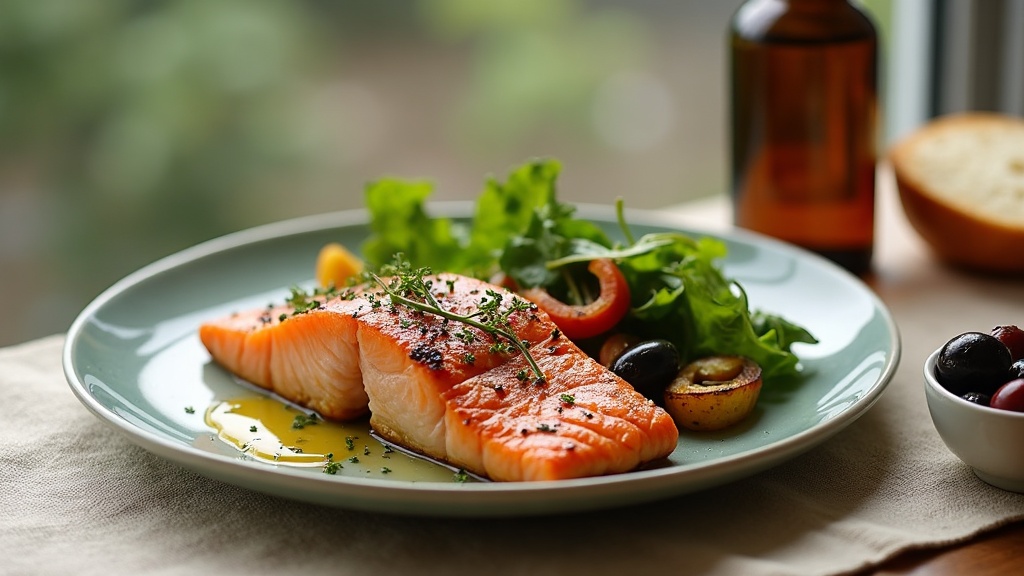
If you have ever rationalized a week of takeout and energy drinks by pointing at your supplement shelf, you have already met the question this article is built to answer. The short version: no, a stack of supplements cannot replace a healthy dietary pattern, but well-chosen supplements can close specific measured gaps that even a careful diet sometimes misses..
Before you decide

No. The strongest randomized evidence for diet-based prevention comes from dietary pattern trials like PREDIMED, which cut major cardiovascular events by roughly 30 percent over five years with a Mediterranean pattern. No supplement stack in the published literature comes close to that effect size on hard outcomes in a generally-fed population. Supplements can fix a documented vitamin D deficiency, replace B12 in a strict vegan, correct iron in a heavy menstruator, and add EPA and DHA when fish intake is low. They do not replicate the fiber, polyphenols, satiety response, and microbiome substrate that whole foods deliver. If you are eating a junk-food pattern and stacking AG1, a multivitamin, omega-3, and vitamin D, you are buying expensive insurance against a fire you are still setting. The hedge: for a narrow set of confirmed deficits, targeted supplements are legitimate, evidence-backed adjuncts to a real dietary pattern.
The Claim
The "supplements as nutritional insurance" claim circulates in three recurring forms across fitness Twitter, biohacker podcasts, and supplement-brand marketing. First: "If I take a complete supplement stack, I can eat whatever I want and stay healthy." Second: "I take AG1 plus a multivitamin plus omega-3 plus vitamin D, so my bases are covered." Third, the smug bench-press version: "My blood work is normal, so my diet is fine."
The framing is appealing because it converts a complicated, daily, social, and sometimes inconvenient behavior (eating well) into a once-a-day pill ritual that fits between cold plunge and inbox triage. It is also wrong in a specific, measurable way. The real question isn't "do my labs look okay this quarter", it's "is the dietary pattern I'm on associated with the outcomes I actually want over the next two decades." A standard serum chemistry panel and CBC will pick up frank vitamin D deficiency or iron-deficiency anemia. They will not detect the fiber gap that is reshaping your microbiome, the polyphenol underexposure that compounds over years, or the ultra-processed-food intake that is doing its work upstream of any lab marker your insurance covers. Blood work changes the question. It does not close it.
A supplement brand can look impressive on a label and still miss the basics. The basics here are dietary pattern, fiber, food-matrix synergy, and meal context. None of those fit in a capsule.
The Evidence
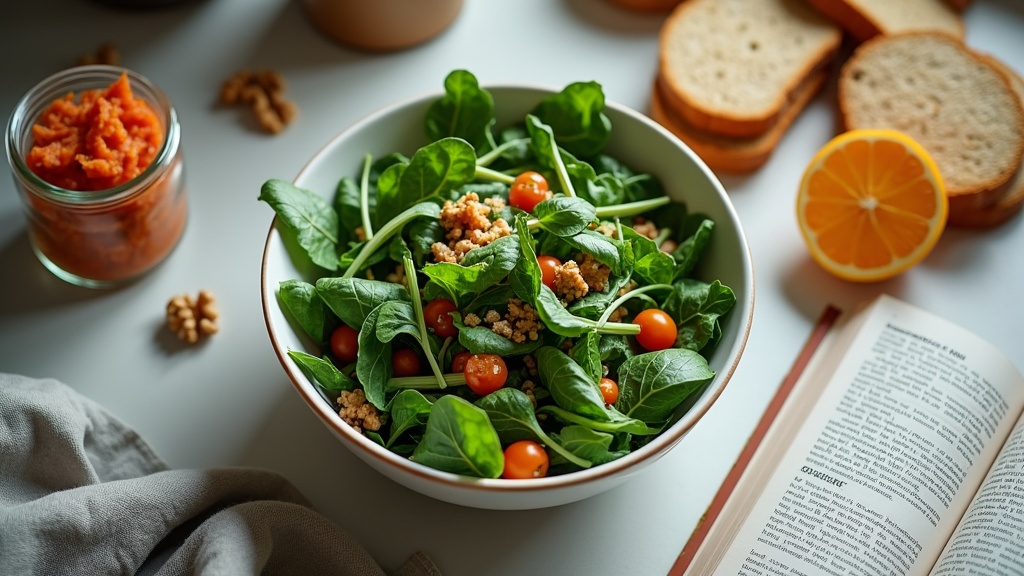
The cleanest place to start is the strongest piece of randomized evidence we have for any nutritional intervention on hard cardiovascular outcomes: PREDIMED. The Estruch et al. 2018 NEJM re-analysis re-published the original PREDIMED data after methodological corrections. Roughly 7,400 high-risk Spanish adults were randomized to one of three arms: a Mediterranean pattern supplemented with extra-virgin olive oil, a Mediterranean pattern supplemented with mixed nuts, or a control low-fat diet. Over a median 4.8 years, the two Mediterranean arms showed roughly a 30 percent relative reduction in major cardiovascular events (composite of myocardial infarction, stroke, and cardiovascular death) versus control. The hazard ratio for the olive-oil arm was 0.69, for the nut arm 0.72. That is a real, randomized, hard-outcome effect of a dietary pattern. No supplement trial in a generally-nourished population has produced anything close to that on a comparable endpoint.
The supplement side of the ledger is much quieter. The VITAL trial (Manson et al. NEJM 2019) randomized 25,871 US adults to vitamin D3 (2,000 IU per day), marine omega-3 (1 g per day), both, or placebo for a median 5.3 years. The primary cardiovascular composite and invasive cancer endpoints were null. A few secondary signals were intriguing, but the headline is null in a generally-fed population. COSMOS (Sesso et al. 2022) tested a daily Centrum Silver multivitamin in 21,442 adults over 60. The pre-specified primary cardiovascular endpoint was null. A secondary all-cause mortality signal of roughly 7 to 8 percent in the older subgroup is the most positive multivitamin result we have, and it still does not approach the PREDIMED effect size on hard outcomes.
The harm side of the ledger matters. The SELECT trial (Lippman et al. JAMA 2009) randomized 35,533 men to selenium, vitamin E, both, or placebo for prostate cancer prevention. The vitamin E arm showed a statistically significant 17 percent increase in prostate cancer (hazard ratio 1.17, 95 percent CI 1.004 to 1.36) over seven years of follow-up. The Cochrane antioxidant supplement review (Bjelakovic et al. 2012) pooled 78 RCTs across 296,707 participants and concluded that beta-carotene, vitamin A, and vitamin E supplementation, when analyzed in low-bias trials, were associated with increased all-cause mortality. Isolated micronutrients at supplemental doses are not the same molecule, in the same context, at the same dose, as the same micronutrient delivered inside a food matrix.
That food-matrix point deserves its own paragraph. A tomato delivers lycopene, but it also delivers lutein, fiber, vitamin C, potassium, beta-carotene, naringenin, chlorogenic acid, water, and dozens of phytochemicals we have not finished characterizing. A lycopene capsule delivers lycopene. The epidemiology consistently associates tomato intake with reduced cardiovascular risk; the isolated-lycopene RCT evidence is far weaker. The Mozaffarian Circulation 2016 framework piece lays out the case in detail: dietary patterns and minimally processed foods carry effects that nutrient-by-nutrient analysis systematically underestimates. Synergy, antagonism, bioavailability modulation by other food components, satiety, insulin response, gastric emptying rate, gut microbial fermentation, all of these happen at the level of a meal and a pattern, not a capsule.
Fiber is the cleanest single example of a supplement gap. The USDA Dietary Guidelines for Americans 2020-2025 recommend 25 to 38 grams per day of fiber from whole foods. The average US adult intake is about 16 grams per day. No multivitamin contains fiber. Psyllium and inulin powders deliver a few grams of mostly one fiber type. Whole foods deliver a mix of soluble, insoluble, viscous, and fermentable fibers that act as substrate for the gut microbiome. The Hadza, the Tsimane, and other populations with traditional diets eat 50 to 100 grams of fiber per day with corresponding microbiome diversity. No capsule replicates this. Microbiome diversity also requires fermented food exposure (yogurt, kefir, sauerkraut, kimchi, miso), which capsules do not deliver.
Satiety and the postprandial insulin response add another layer. An apple, a handful of oats, and a teaspoon of nut butter eaten together produce a slower glucose curve, longer satiety, and a different hormone signal than the sum of their isolated nutrients delivered as powders. Texture, chew time, water content, and meal-level interactions matter. Your pancreas knows the difference between food and a smoothie made of the same calories.
The synthesis a careful clinician arrives at: dietary patterns have RCT-grade evidence for hard outcomes. Isolated supplements have weaker evidence, frequent nulls, occasional harms, and a few well-defined wins in measured-deficit populations. The two are not interchangeable. They are not even the same category of intervention.
The Verdict
Supplements close measured gaps. They do not replicate the benefits of a dietary pattern proven in randomized trials. That is the honest one-line verdict, and it survives every plausible reading of the literature.
Where supplements legitimately earn their place is narrow and specific:
- Vitamin D3 when a serum 25-hydroxyvitamin D level is below the lab's reference range, especially at northern latitudes with minimal sun exposure.
- Vitamin B12 for strict vegans, adults over 50 with reduced gastric acid secretion, and long-term metformin or PPI users (with serum B12 plus methylmalonic acid as the workup).
- Iron for menstruating women with documented low ferritin, post-bariatric patients, and pregnancy (with ferritin and a clinician on the chart).
- EPA and DHA omega-3 at 1 to 2 grams per day for adults who eat fewer than two servings of fatty fish per week.
- Folate for women planning pregnancy or in the first trimester (with the OBGYN handling the dose).
- A prenatal-specific multivitamin during pregnancy as standard of care.
- A standard multivitamin for adults over 65 per the COSMOS signal, treated as modest-evidence consumer choice rather than mandate.
Where supplements do not earn their place: as a substitute for vegetables, fiber, fatty fish, legumes, fermented foods, whole grains, or the meal patterns those foods compose. A "good" supplement stack on top of a fast-food pattern produces measurably worse outcomes than minimal supplementation on a Mediterranean pattern. The ROI on getting the dietary pattern right is much larger than the ROI on optimizing the supplement stack.
There is a difference between the dose that fixes a deficiency and the dose that just stacks up in your kidneys. There is also a difference between a supplement that closes a real measured gap and a supplement bought because the diet underneath it is broken. The first is good medicine. The second is expensive permission to keep eating badly.
Actionable takeaway: treat supplements as adjuncts to a dietary pattern, not as substitutes for one. Ask your doctor about a blood test for vitamin D and B12 before you start guessing which supplement to add.
What Works Instead
The leverage is in the dietary pattern. For most adults under 65 who care about long-term outcomes, this is where the money, the time, and the attention should go first.
First, adopt a dietary pattern with RCT evidence behind it. The Mediterranean pattern (PREDIMED) and the DASH pattern (originally tested for blood pressure, with hard-outcome follow-on data) are the two best-validated. Both emphasize vegetables, fruit, legumes, whole grains, nuts, fish, olive oil, and minimally processed foods, with limited red meat and added sugar. Pick the one you will actually eat for the next decade. Adherence beats theoretical superiority.
Second, hit protein adequacy. Roughly 1.0 to 1.2 grams of protein per kilogram of body weight per day for most adults, higher for older adults at risk of sarcopenia and for resistance trainers. A typical 2,000-kcal Western pattern often delivers protein but skews toward processed meat. Whole-food protein sources (fish, poultry, eggs, legumes, dairy, tofu) carry the rest of the food matrix with them.
Third, eat the rainbow on vegetables and fruit. Different colors signal different phytochemical classes. Leafy greens for folate, magnesium, vitamin K, and nitrates. Cruciferous for sulforaphane and indoles. Red and orange for carotenoids. Blue and purple for anthocyanins. Aiming for five or more different plant species per day correlates with measurable microbiome diversity in observational data.
Fourth, get fiber from whole foods. Target 25 to 38 grams per day per the USDA Dietary Guidelines. Oats, beans, lentils, chia, berries, whole-grain bread, and vegetables build the number without a powder. Soluble fiber feeds short-chain-fatty-acid-producing gut bacteria, which is upstream of metabolic and immune outcomes.
Fifth, include fermented foods regularly. Plain yogurt, kefir, sauerkraut, kimchi, miso, and tempeh expose your microbiome to live cultures and post-fermentation compounds in a way no probiotic capsule has matched in head-to-head data. Multiple servings per week is the target.
Sixth, keep ultra-processed foods modest. This is the single intervention with the most consistent observational signal across the last five years of nutrition epidemiology. Industrially processed foods with engineered hyper-palatability, low fiber, high refined starch, and high added sugar are associated with hard outcomes independent of total calories.
Seventh, mind meal timing and portion. A varied diet eaten at semi-regular times in normal portions outperforms the same calories in chaotic grazing or one nightly binge for most metabolic markers. This is mechanistic plumbing, not magic.
Once those seven are in place, layer targeted single-supplement use on top where a measured gap exists. That is the right order. Supplements are layered onto a pattern that works. They do not substitute for one.
For a curated short list of evidence-backed standalone supplements that close common gaps, see our supplement starter kit on Amazon. For the related question on whether powdered greens can replace actual vegetables, our colleague's piece on whether greens powders replace vegetables is the companion read.
FAQ + Conclusion
Will a multivitamin make up for a bad diet? No. A multivitamin delivers isolated micronutrients at roughly the RDA. It does not deliver fiber, polyphenols, the food matrix, satiety response, or the dietary-pattern effect on hard outcomes. The trial evidence consistently shows diet quality outperforms isolated supplementation for cardiovascular and mortality endpoints.
My blood work is normal, so isn't my diet fine? Standard chemistry and CBC pick up frank deficiency, not pattern quality. Fiber intake, polyphenol exposure, ultra-processed-food intake, and microbiome diversity do not appear on a standard panel. Normal labs are a floor, not a ceiling.
Can a greens powder replace vegetables? No. Greens powders deliver a small concentrated dose of certain micronutrients and polyphenols, often with limited fiber and no whole-food matrix. They can be a small adjunct on a low-vegetable day, not a replacement. The deep-dive is in our do greens powders replace vegetables article.
What about high-dose antioxidants like vitamin E? The Cochrane antioxidant review and the SELECT trial both showed signals of harm, not benefit, at supplemental doses in generally-fed populations. Antioxidants in whole foods are not the same intervention.
If I eat well, do I still need any supplements? Possibly. Vitamin D if your level is low, B12 if you are vegan or over 50, iron if you are menstruating with heavy periods, EPA and DHA if you eat little fish, folate if you might become pregnant. These are gap-fillers identified by diet history and lab work, not blanket recommendations. For more on how we evaluate supplements, see our supplement review methodology.
Conclusion: the bottom line on whether supplements can replace a healthy diet
Can supplements replace a healthy diet? No. The strongest randomized evidence for any nutritional intervention on hard outcomes comes from dietary patterns, not from pills, and the gap is not small. Supplements legitimately close specific measured gaps (vitamin D when low, B12 when absorption is poor or intake is absent, iron when ferritin is low, EPA and DHA when fish intake is light), and a standard multivitamin in adults over 65 has a modest mortality signal worth knowing about. None of that adds up to "the stack replaces the plate." The right order is pattern first, gaps second.
Next steps:
- Pick one dietary pattern (Mediterranean or DASH) and adopt one habit this week (two servings of fatty fish, or 25 grams of fiber, or three plant colors at dinner).
- Ask your clinician for a blood test for vitamin D and B12 before adding any new supplement. Supplement the measured gap rather than guessing broadly.
- For a curated short list of single supplements that close common gaps, see our supplement starter kit on Amazon.
This article is for informational purposes and not medical advice. Vitamin, mineral, and herbal supplements can interact with medications and health conditions. Consult a licensed physician before starting any supplement, particularly if you are pregnant, nursing, taking prescription medications, or managing a chronic condition.
Reviewed by Sarah Thompson, Registered Dietitian, focused on vitamin and mineral nutrition.
