
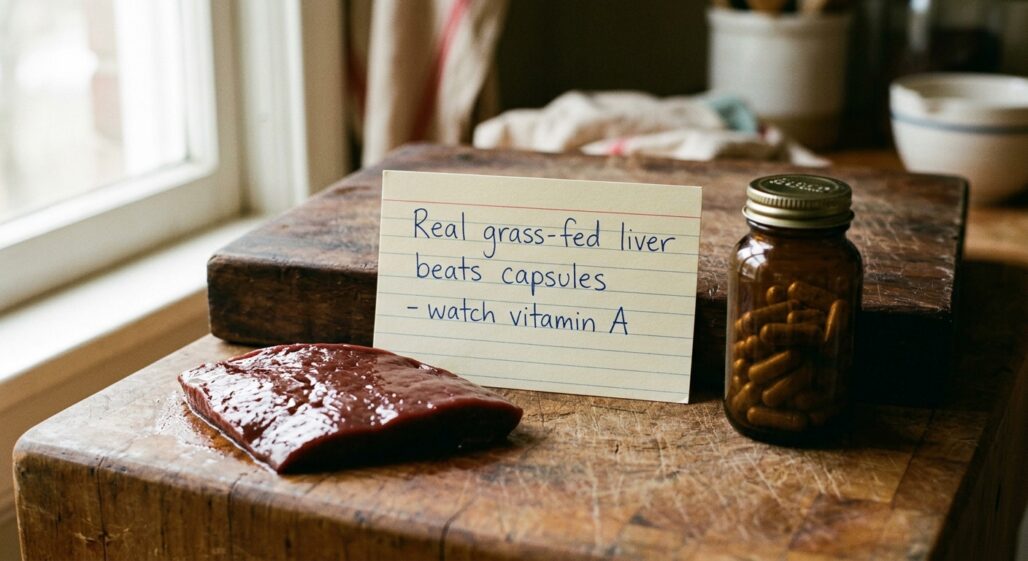
If you are searching for the best beef organ supplements, you have probably watched an ancestral-health influencer hold up a bottle and call it "nature's multivitamin." The honest answer: beef organs really are nutrient-dense, but a handful of capsules delivers a fraction of what a real serving does, and liver is so concentrated in preformed vitamin A that the marketing skips right past a genuine toxicity ceiling. The picks below are the ones I would actually keep in my own family's cabinet, with the honest caveat that an occasional plate of real grass-fed liver usually beats any pill. This article covers the real nutrition, the vitamin A math the influencer roundups omit, and who should not touch these at all.
Affiliate disclosure: this article contains affiliate links. As an Amazon Associate, UsefulVitamins.com earns from qualifying purchases at no extra cost to you.
Before you decide
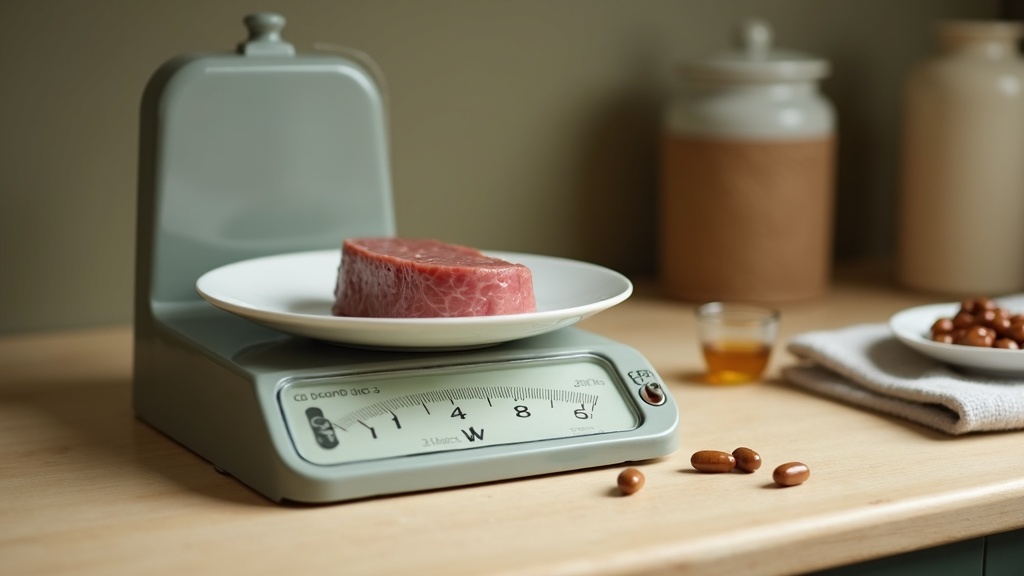
Read this part before you read the picks, because it is the part the ancestral roundups bury. The single biggest issue with beef liver, fresh or dried, is preformed vitamin A. Animal-source vitamin A is retinol and retinyl esters, which your gut absorbs efficiently and your liver stores. Plant-source beta-carotene is regulated by feedback and almost never causes toxicity, but the StatPearls clinical reference on vitamin A toxicity is explicit that preformed retinol from animal foods is the form that accumulates and harms.
The NIH Office of Dietary Supplements sets the adult RDA at roughly 900 mcg RAE for men and 700 for women, with a tolerable upper limit of 3,000 mcg RAE from preformed sources. A single 3-ounce serving of cooked beef liver carries well over 6,000 mcg RAE. One real serving of liver already pushes past the daily upper limit, and dried-liver capsules stack on top of that.
Pregnancy is the hard stop. The classic Rothman 1995 study in the New England Journal of Medicine found a threshold near 10,000 IU per day of supplemental preformed vitamin A, above which the rate of cranial neural crest birth defects rose sharply, on the order of one malformation per 57 exposed infants. If you are pregnant or could become pregnant, do not take beef liver or multi-organ capsules.
Two more cautions before the upside. There are no published randomized trials showing that "ancestral" multi-organ blends do anything a normal diet does not, so any benefit claim is mechanism and tradition, not proven outcome. And liver concentrates copper and heme iron, which is a problem if you have hemochromatosis, Wilson disease, or liver impairment.
What beef organ supplements actually are
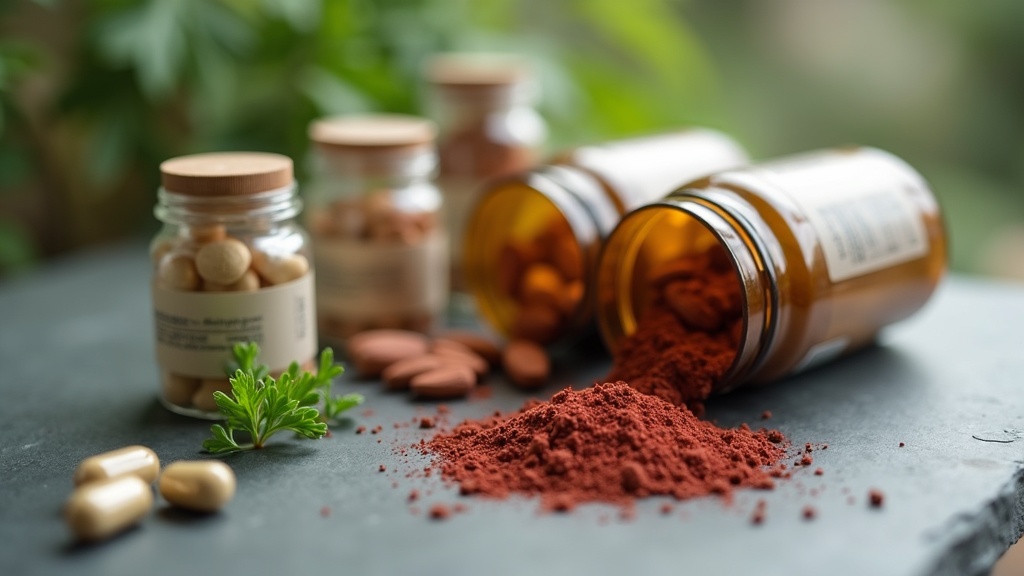
Beef organ supplements are dried, ground, encapsulated animal organs, usually from grass-fed cattle. They come in two main shapes.
Liver-only products are single-organ capsules of freeze-dried or desiccated beef liver. Freeze-drying removes water at low temperature, which preserves heat-sensitive nutrients better than oven-drying, and concentrates the remaining solids into powder. A typical 500 mg capsule is roughly one-sixth of a 3-ounce raw serving, so it takes about six capsules to approximate one small portion of real liver.
Multi-organ blends combine liver with heart, kidney, spleen, and sometimes pancreas or brain. The marketing leans on a "whole-animal, nose-to-tail" story and the older naturopathic idea of glandular therapy.
The "like supports like" claim deserves a flat answer. The notion that eating heart supports your heart, or kidney supports your kidneys, is the core pitch of glandular marketing, and it has no credible modern clinical evidence behind it. A review of glandular therapy history in the journal Integrative Medicine traces the tradition back over a century but documents how little rigorous trial data ever accumulated, and how poorly the active content was ever standardized. Tradition is not a trial.
The real nutrients, honestly
Here is where beef liver earns genuine respect. It is one of the most nutrient-dense foods in the human diet, and that is not marketing.
Per the USDA FoodData Central reference values, cooked beef liver delivers, in a 3-ounce serving, roughly 6,000-plus mcg RAE of vitamin A, around 70 mcg of vitamin B12, about 12 mg of copper, and several milligrams of heme iron, plus folate, riboflavin, and choline. For B12 and copper especially, that is many times an adult day's requirement in a few bites.
Vitamin B12 is the cleanest win. The adult RDA is only 2.4 mcg per the NIH ODS B12 fact sheet, and B12 has no established upper limit because excess is not stored to a toxic degree. Liver is a legitimately excellent B12 source.
Copper is double-edged. The adult RDA is about 900 mcg, but the upper limit is 10 mg per day, with liver damage as the defining adverse effect, per the NIH ODS Copper fact sheet. One serving of liver alone can approach or exceed that copper ceiling, which most ancestral marketing never mentions.
Heme iron from liver is highly absorbable, which helps menstruating women and helps almost nobody who is already iron-replete. Excess heme iron is a real downside for men and postmenopausal women, who rarely need more.
The vitamin A ceiling, in plain numbers
This is the section the influencer roundups leave out, and it is the reason I will not call any of these products a casual daily multivitamin.
Think of vitamin A like topping off a gas tank that does not have an overflow valve. Water-soluble vitamins spill over when you take too much. Preformed vitamin A is fat-soluble and stores in your liver as retinyl esters, so it builds up over weeks and months. StatPearls puts chronic toxicity at sustained intakes above roughly 8,000 mcg RAE per day, with symptoms including dry cracked skin, hair loss, bone and joint pain, fatigue, and an enlarged liver.
Run the math the marketing avoids. One 3-ounce serving of cooked liver is already over the 3,000 mcg RAE upper limit. Six desiccated-liver capsules approximate that serving, so a "two capsules three times a day" label can quietly put you over the ceiling every single day.
The right framing is dose discipline, not daily maximalism. If you want liver in your routine, treat it like an occasional concentrated food, not a vitamin you take every morning.
| Nutrient | A real 3 oz liver serving | Adult upper limit (UL) |
|---|---|---|
| Preformed vitamin A | ~6,000+ mcg RAE | 3,000 mcg RAE |
| Copper | ~12 mg | 10 mg |
| Vitamin B12 | ~70 mcg | none established |
Actionable takeaway: add up the vitamin A on the label, compare it against 3,000 mcg RAE, and account for any liver you eat, any cod liver oil, and any multivitamin that contains retinol, not just beta-carotene.
Dose versus real food
The "nature's multivitamin" line collapses under the dose math. A capsule the size of a grain of rice cannot hold the same nutrition as a fork-sized bite of real liver, and the labels confirm it.
Six 500 mg capsules roughly equal one small serving of liver, which means many people on a modest two-to-four-capsule daily routine are getting a meaningful but partial nutrient dose, not a full organ meal in a pill. That is fine if your goal is a B12 or copper top-up. It is misleading if you believe the capsules replace eating well.
Here is the tradeoff. Real grass-fed liver is cheaper per nutrient, more complete, and easier to dose than capsules, but it tastes like liver and some people simply will not eat it. Capsules solve the taste problem and the convenience problem, and you pay for that with cost-per-nutrient and with the same vitamin A ceiling either way.
If you genuinely cannot stomach liver, capsules are a defensible compromise. If you can, a real serving once or twice a month does more, for less.
Quality: what separates a decent product from a gamble
Sourcing and testing matter more here than the organ list on the front of the bottle.
Look for grass-fed, pasture-raised cattle from a named country of origin, because organs concentrate whatever the animal accumulated, and liver is a filtering organ. Freeze-dried beats heat-dried for nutrient retention, so the label or product page should say freeze-dried, not just "desiccated."
Third-party testing is the real differentiator. The supplement category has no mandatory potency or contaminant verification, so a product with a published certificate of analysis or independent assay for heavy metals is worth more than one with a louder ancestral story. Per-organ milligram amounts on the label, not a hidden proprietary blend, are a minimum bar.
A product can have a gorgeous nose-to-tail narrative and still skip the basics. The real question is not which animals are in the bottle, it is whether the bottle was tested and the dose is honest.
What to look for when buying
A short decision shortcut before you scroll to the picks.
- Single-organ vs blend: liver-only is easier to dose against the vitamin A ceiling; blends are a convenience bet on unproven synergy.
- Sourcing: grass-fed, named origin, freeze-dried.
- Testing: third-party heavy-metal testing or a published certificate of analysis.
- Label honesty: per-organ milligrams, and a clearly stated vitamin A amount in mcg RAE.


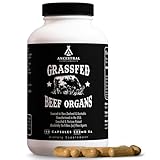
As an Amazon Associate, UsefulVitamins.com earns from qualifying purchases at no extra cost to you. We only recommend products supported by published research or third-party testing.
Who should skip these entirely
This is the refer-out section, and for organ supplements it is unusually firm.
Skip beef organ supplements if you are pregnant or could become pregnant, because of the preformed vitamin A teratogenicity risk documented in the NEJM data above. Talk to your OBGYN before any vitamin A containing supplement in pregnancy.
Skip them if you have liver disease, hemochromatosis, or Wilson disease. Liver concentrates vitamin A, copper, and iron, exactly the substances those conditions cannot clear. Skip or get bloodwork first if you are a man or postmenopausal woman with no diagnosed deficiency, since you rarely need extra iron and the vitamin A load is pure downside.
If you are taking a retinoid medication, on high-dose vitamin A already, or managing a chronic liver or metabolic condition, the conversation is with your clinician first, supplement second. None of this is a substitute for diagnosing and treating an actual deficiency.
FAQ
Are beef liver supplements better than a multivitamin?
Not categorically. They are richer in B12, copper, and preformed vitamin A, and weaker or absent in vitamin D, vitamin C, and several minerals a standard multivitamin covers. They solve a different problem and carry a vitamin A ceiling a multivitamin usually does not.
Is desiccated liver the same as fresh liver?
Nutritionally close if freeze-dried, with most heat-sensitive nutrients preserved, but the dose per capsule is small. Six capsules roughly equal one modest serving of the real thing.
Can I take beef organ supplements every day forever?
Cautiously, and only if you track total preformed vitamin A against the 3,000 mcg RAE limit. Daily high-dose use is where chronic hypervitaminosis A risk lives.
Do multi-organ "ancestral" blends have any clinical evidence?
No published randomized trials show a clinical benefit beyond their nutrient content. The "like supports like" claim is tradition, not trial-tested.
The bottom line on the best beef organ supplements
Beef organs are one of the few supplement categories where the underlying food is genuinely impressive and the marketing still overshoots. The two-to-three products worth your money are a third-party-tested, grass-fed, freeze-dried liver-only capsule for easy dosing, or a tested multi-organ blend if you want convenience and accept thin evidence. The differentiator no influencer roundup gives you is the vitamin A math: one real serving already clears the daily upper limit, so dose discipline matters more than brand. Treat these as a concentrated occasional food, not a daily mega-dose, and real grass-fed liver on your plate usually beats the pill.
Next steps:
- Add up the preformed vitamin A on any label against the 3,000 mcg RAE upper limit before you start.
- If your real goal is liver support, read our take on the best supplements for liver health and the best multivitamin for men rather than defaulting to organ capsules.
- See how we review supplements and more from Jonathan Reynolds, ND.
As an Amazon Associate, I earn from qualifying purchases. Product recommendations are based on real reviews and independent research.
Reviewed by Jonathan Reynolds, ND, focused on botanical and naturopathic protocols.
This article is for informational purposes and not medical advice. Beef organ supplements are concentrated in preformed vitamin A, copper, and iron and can interact with medications and health conditions. Consult a licensed physician before starting any supplement, particularly if you are pregnant, nursing, taking prescription medications, or managing a chronic liver or metabolic condition.
