
Affiliate disclosure: this article contains affiliate links. As an Amazon Associate, UsefulVitamins.com earns from qualifying purchases at no extra cost to you.
Where the methylene blue brain-hack claim came from
Methylene blue is not new. It was first made in 1876 as a textile dye and has been used in medicine for over a century, mostly as an antidote and a surgical stain. So why is it suddenly in your feed as a longevity pill?
The modern wave traces to a handful of biohacker podcasts and influencers who reframed an old drug as a "mitochondrial optimizer." The pitch is tidy: methylene blue can shuttle electrons in the cell's energy chain, so taking a few drops should mean more energy, sharper focus, and slower aging. Bright blue tongue optional.
That mechanism is real on paper. The leap from a lab mechanism to "buy these drops and your mitochondria will thank you" is the hype. A molecule doing something interesting in a test tube is the start of the evidence conversation, not the end of it.
It also helps that the product photographs well. A deep blue liquid in a dropper bottle looks like a secret. That aesthetic has done a lot of the marketing work here.
What methylene blue actually does in medicine
Strip away the wellness framing and you find a legitimate, well-characterized drug.
Its flagship approved use is treating methemoglobinemia, a condition where blood cannot carry oxygen properly. In that setting it works fast and well, given intravenously in a hospital at roughly 1 to 2 mg/kg over five minutes, per clinical references like StatPearls on methylene blue. It is also used as a surgical dye and is being studied in other areas.
Notice three things about that real use.
- It is prescription and clinician-supervised, not a daily wellness habit.
- It is dosed by body weight for a specific medical emergency, not for vague "energy."
- The therapeutic window matters. Above about 5 mg/kg the same drug can start causing the very problem it treats, plus other harm.
So the honest framing is not "is this a scam molecule." It is a genuine drug being sold for a use it was never proven to serve.
The cognitive and energy evidence, graded honestly
Here is where the marketing gets ahead of the science. Let us grade what actually exists for the brain and energy claims.
Human evidence: thin. The most cited study is a small double-blind, placebo-controlled trial of 26 healthy adults. A single low dose was linked to roughly a 7% bump in memory and increased brain activity on imaging tasks. That is a real, peer-reviewed signal, and it is worth respecting.
But read the fine print, as the pharmacologist in this plain-English review of the brain-booster claim does. A follow-up by the same group found altered brain connectivity but no improvement in actual thinking skills. A 2023 review described results across studies as mixed and not conclusive.
Animal and cell evidence: stronger but not transferable. A lot of the excitement comes from rodent and in-vitro work, like the mechanisms laid out in this review of memory-enhancement pathways. Animal data is how you generate a hypothesis. It is not how you confirm a benefit in people.
Anecdote and influencer testimony: not evidence. "I feel sharper" from someone selling drops is the weakest tier, and it is most of what fills the comment sections.
So the grade is: one small single-dose human study, mixed reviews, lots of preclinical promise, and a marketing story that talks like the question is settled. It is not.
| The marketing claim | What the human evidence shows | Evidence grade |
|---|---|---|
| Treats low blood oxygen / methemoglobinemia | Genuinely effective, FDA-approved hospital use, dosed by weight under supervision | Strong (approved drug) |
| Makes you smarter and sharper | One 26-person single-dose study showed a small memory effect; a follow-up showed none; reviews call it mixed | Weak / preliminary |
| Boosts mitochondrial energy day to day | Plausible mechanism, mostly animal and cell data, no solid long-term human energy outcomes | Mechanistic / unproven |
| Anti-aging and longevity | No human longevity trial exists; the claim rests on extrapolation | Unsupported |
The real headline: it is an MAOI
This is the part the dropper-bottle ads tend to bury. Methylene blue is a potent inhibitor of monoamine oxidase A (MAO-A), the same enzyme that prescription MAOI antidepressants block.
That matters because MAO-A clears serotonin. Block it while something else is raising serotonin and you risk serotonin syndrome, which can mean agitation, fever, rapid heart rate, muscle rigidity, seizures, and in severe cases death.
In 2011 the FDA issued a Drug Safety Communication warning that methylene blue plus serotonergic psychiatric drugs can cause serotonin syndrome, and that some reported cases were fatal. The drug classes that raise the alarm:
- SSRIs (sertraline, fluoxetine, escitalopram and others)
- SNRIs (venlafaxine, duloxetine)
- MAOIs and certain other antidepressants
- Triptans for migraine and some other serotonergic agents
One fair, honest caveat. Most of the documented serotonin-syndrome cases involved intravenous methylene blue at relatively high doses during surgery. As the Anesthesia Patient Safety Foundation notes, whether very low oral doses carry the same risk is less clearly established. We will not pretend the data is airtight in both directions.
But that uncertainty cuts toward caution, not away from it. You do not get a controlled IV dose from a dropper bottle, you have no idea how a daily habit stacks, and the downside of getting it wrong is a medical emergency. If you take an antidepressant, the sensible answer is to not combine the two, and to talk to your prescriber before anything else. Never stop a prescribed medication on your own to "make room" for a supplement.
There is a second safety flag. People with G6PD deficiency, an inherited enzyme condition, can have red blood cells break down dangerously when exposed to methylene blue. It is also flagged as unsafe in pregnancy and breastfeeding.
The product problem: dosing and grade
Even setting the drug interaction aside, the consumer products are a mess.
Some bottles sold online are aquarium or industrial grade, intended to treat fish tanks, not humans. These can contain contaminants and were never made to a pharmaceutical purity standard. Putting them on your tongue is not a clever shortcut.
Then there is dosing. There is no established, safe daily nootropic dose because the long-term human studies do not exist. People are titrating drops by eye off a podcast recommendation. The same molecule that helps at a controlled clinical dose can raise blood pressure, stress the heart, or cause its own blood problems at higher intake.
Three quick scam-and-risk filters worth knowing:
- If the label says aquarium, lab, or reagent grade, it is not for you. Pharmaceutical or USP grade is the only version that belongs near a person.
- If the seller promises energy, focus, and anti-aging with no mention of the antidepressant interaction, they are either uninformed or hoping you are.
- If there is no third-party purity testing, you have no idea what is in the bottle.
Who, if anyone, should consider it
Honestly? For the average curious reader, the answer leans toward no.
The people for whom methylene blue makes sense are receiving it from a clinician for a defined medical reason, where the dose, route, and interactions are managed. That is a real and valuable use. It is just not the influencer use.
If you are chasing better energy, focus, or healthy aging, you are far better served by interventions with a deeper human track record and a far gentler safety profile. That is not a cop-out. It is where the evidence actually points.
If you still want to try it, or want what works instead
Let us be straight about the recommendation, because the honest move here is to point you toward better-evidence options, not to talk you into the blue stuff.
For mitochondrial and cognitive support with real human data, two picks stand out:
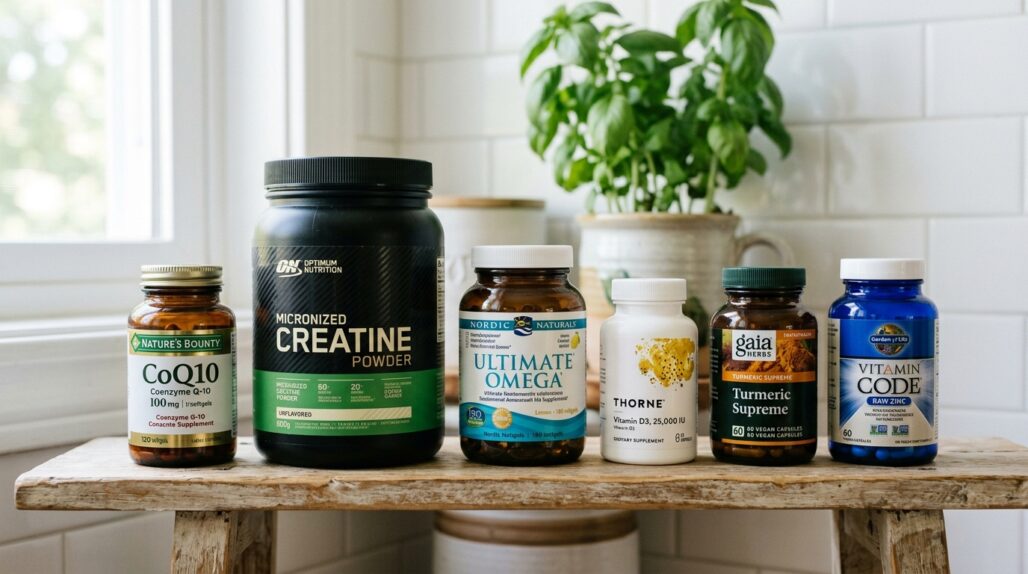
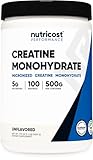
- Creatine monohydrate. A systematic review and meta-analysis of 16 RCTs in 492 people found measurable benefits for memory and attention, with the most consistent effects in older adults and under sleep deprivation. It is cheap, well studied, and one of the safest supplements there is.
- CoQ10 (ubiquinol). A genuine player in the cellular energy chain with a long safety record and far more human research behind its mitochondrial role than methylene blue has for cognition.
If, after all of that, you still want to experiment with methylene blue, the only acceptable version is pharmaceutical or USP grade, used under a doctor's supervision, and never alongside a serotonergic medication. The card below routes to the safer evidence-backed options first, with a tested pharmaceutical-grade product included only for readers who will proceed anyway. Want to check your own meds first? Run them through our drug and supplement interaction checker.


As an Amazon Associate, UsefulVitamins.com earns from qualifying purchases at no extra cost to you.
UsefulVitamins may earn a commission from purchases made through links on this page, at no extra cost to you. It does not change our verdict or which products we list.
For more on separating real signal from wellness theater, our look at whether detox supplements actually do anything covers the same kind of mechanism-versus-marketing gap. If longevity is your real goal, the complete guide to longevity supplements ranks the options by evidence, and if you have already decided to buy, our roundup of the best methylene blue supplements focuses only on pharmaceutical-grade, tested products.
FAQ
Is methylene blue FDA approved? Yes, but only as a prescription drug for specific medical uses such as treating methemoglobinemia. It is not approved or regulated as a dietary supplement for cognitive enhancement, so the dropper bottles you see online are sold outside that approval.
Can I take methylene blue with my antidepressant? This is the one to take seriously. Methylene blue acts as an MAO inhibitor and can trigger serotonin syndrome when combined with SSRIs, SNRIs, MAOIs, and similar drugs, with some reported cases being fatal. Do not combine them, and never stop a prescribed medication on your own. Talk to your prescriber first.
Does methylene blue actually make you smarter? The human evidence is thin. One small placebo-controlled study of 26 people found a roughly 7% memory bump from a single low dose, but a follow-up found no improvement in thinking skills and reviews call the overall picture mixed. It is preliminary, not proven.
What dose is safe to take? There is no established safe daily dose for nootropic use because the long-term human studies do not exist. The clinical doses you read about are weight-based, intravenous, and for medical emergencies, not a model for self-dosing drops at home.
Is aquarium-grade methylene blue okay if it is cheaper? No. Aquarium, lab, and reagent grades are not made to pharmaceutical purity standards and can contain contaminants. Only pharmaceutical or USP grade is intended for human use, and even then only under medical guidance.
What works better and safer for energy and focus? Creatine and CoQ10 both have far more human evidence for cognitive and cellular energy support, and both have clean safety profiles. They are the sensible first stop before anything as risky as methylene blue.
The bottom line
Methylene blue is a real drug, and that is exactly why the casual wellness framing is a problem. For its approved hospital uses it works. For the "drops in your water for sharper mitochondria" pitch, the human evidence is one small study and a lot of extrapolation.
The deciding factor is not the modest brain data, it is the MAOI-driven serotonin-syndrome risk with extremely common medications, plus the G6PD and product-grade hazards. That is enough to make this a safety-first no for most readers.
If you want the upside it is supposedly selling, start with creatine and CoQ10, which have the human research and the safety record to back them. If you are set on methylene blue, get a pharmaceutical-grade product and loop in your doctor first, especially if you take an antidepressant.
This article is for general information and is not medical advice. Supplements and drugs can interact with prescriptions and existing conditions. Talk to a qualified healthcare professional before starting, stopping, or combining anything, and never change a prescribed medication on your own.
Reviewed by the UsefulVitamins Editorial Team.
