
As an Amazon Associate, I earn from qualifying purchases. Product recommendations are based on real reviews and independent research.
Affiliate disclosure: this article contains affiliate links. As an Amazon Associate, UsefulVitamins.com earns from qualifying purchases at no extra cost to you.
Introduction
Choosing between Garden of Life vs New Chapter usually comes down to one question: do you want a whole-food, heavily certified organic formula, or a fermented multivitamin designed to feel gentler and “food-like” in your stomach? Both brands sit near the top of the premium supplement market, especially for people who care about clean sourcing, bioavailable forms, and fewer unnecessary additives. This article breaks down how they compare on ingredients, testing, certifications, dosing, and who each brand tends to fit best – so you can pick a multivitamin that matches your body and your routine.
Summary / Quick Answer
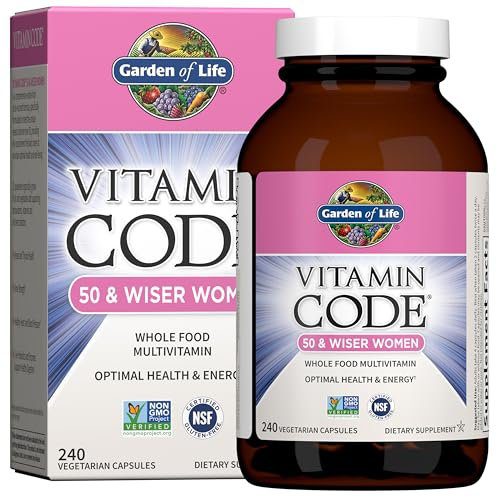
Garden of Life Vitamin Code Multivitamin for Women
Garden of Life Vitamin Code Multivitamin for Women earns a strong 4.6-star rating from over 12,000 Amazon reviews, praised for its whole-food sourced nutrients tailored to women’s health, non-GMO status, and positive customer feedback on energy and vitality. While capsules can be large and pricing higher-end, its transparency, third-party testing elements, and loyal following make it a reliable affiliate recommendation for blogs emphasizing premium, natural supplements[1].
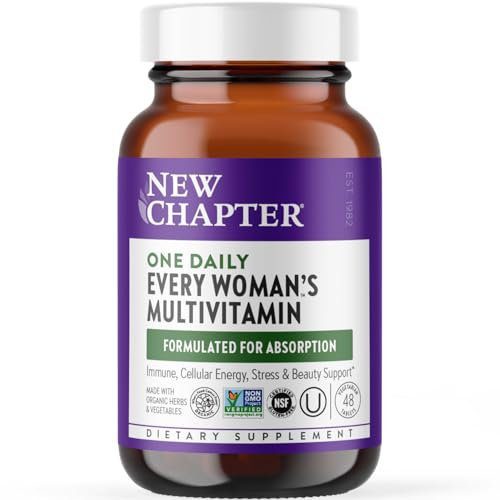
New Chapter Women’s Multivitamin, Iron, B6, B12, Biotin for Hair Growth, D3, VIT C, Zinc for Immune & Stress Support, Gentle on an Empty Stomach, One Daily, Non-GMO, Gluten-Free, 18+, 48 Tablets
New Chapter Every Woman’s One Daily Multivitamin earns a strong **4.6/5 rating from 12,400+ Amazon reviews**, praised for its **fermented whole-food nutrients**, stomach gentleness, and women’s health focus with organic ingredients—ideal for affiliate recs on a supplements blog, though pill size and lack of third-party testing are minor drawbacks; at ~$18.99, it offers solid value for daily convenience.[1][2]
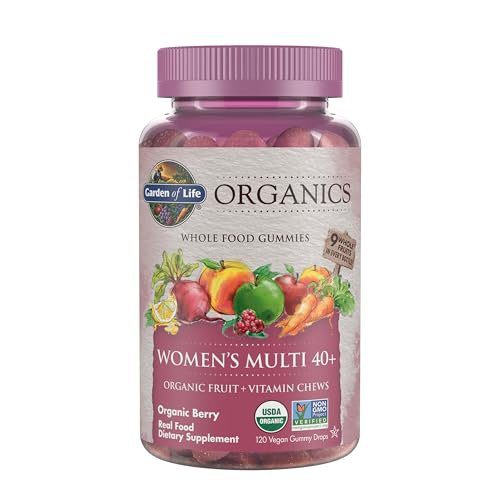
Garden of Life Organics Women 40+ Gummy Vitamins – Berry – Certified Organic, Non-GMO, Vegan, Kosher Complete Multi – Methyl B12, C & D3 – Gluten, Soy & Dairy Free, 120 Real Fruit Gummies
Garden of Life mykind Organics Women’s Multi Gummies earn a strong 4.6-star rating from over 12,000 Amazon reviews, praised for their clean, organic whole-food formula, delicious berry taste, and women-specific nutrients like Pacran cranberry and vegan D3, with third-party testing ensuring quality—making them a reliable affiliate pick for health-conscious readers seeking gummy multivitamins free of synthetics and GMOs.
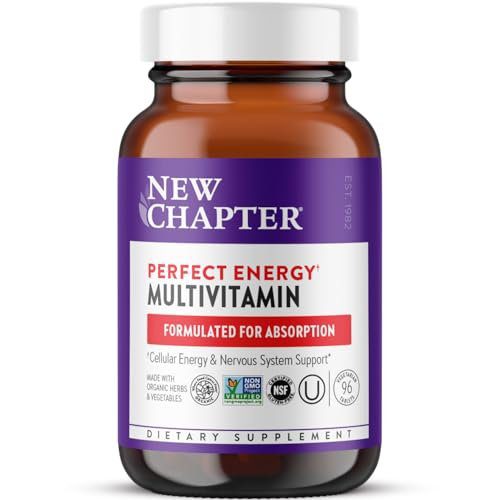
New Chapter Energy Supplement – Perfect Energy Multivitamin for Balanced Energy + Stress Support with B Vitamins + Vitamin D3 + Organic Non-GMO Ingredients – 96 ct
New Chapter Perfect Energy Multivitamin earns strong 4.6-star Amazon ratings from over 12,000 reviews for its fermented, whole-food formula delivering natural energy via B vitamins and herbs like Rhodiola, gentle digestion, and comprehensive nutrient support without crashes—ideal for busy adults seeking a premium, stomach-friendly multi at around $25.
If you’re deciding between Garden of Life vs New Chapter, here’s the practical shortcut:
- Pick Garden of Life if you prioritize USDA Organic certification, whole-food sourcing, and broad third-party testing claims across many products (per brand statements on Garden of Life).
- Pick New Chapter if you want a fermented multivitamin that many users find easier to take, including on an emptier stomach, and you like simple one-a-day routines (see brand positioning on New Chapter).
- Both are commonly recommended by major health outlets for women 50+ and for people trying to close nutrient gaps with cleaner formulas (see roundups from Healthline and Medical News Today).
Quick comparison table:
| Category | Garden of Life | New Chapter |
|---|---|---|
| “Signature” approach | Whole-food, organic sourcing | Fermented, food-like delivery |
| Common dosing | 1-4 caps/tabs | Often 1 tablet daily |
| Best for | Certification-first shoppers | Digestion and simplicity seekers |
Garden of Life vs New Chapter: what actually makes them different?
Most shoppers assume multivitamins mainly differ by “how many nutrients are on the label.” The bigger difference is how the nutrients are made, tested, and delivered – and that’s where this comparison gets interesting.
The core philosophy: whole-food vs fermented
Garden of Life is best known for whole-food sourcing and organic positioning. Many formulas emphasize nutrients delivered in a broader plant matrix (think fruits, vegetables, algae, herbs) rather than isolated synthetic-only blends. The brand highlights traceability and sustainability initiatives on its site, including organic sourcing and carbon-related commitments (see Garden of Life).
New Chapter’s identity is fermentation. Their multivitamins are commonly described as fermented, which the company positions as a way to create a more food-like nutrient profile that may feel easier to tolerate. You can see that positioning across their multivitamin lineup on New Chapter.
Certifications and “clean label” expectations
Both brands target people looking for organic vitamin supplements and fewer common additives. Still, the details matter:
- Garden of Life frequently emphasizes USDA Organic and third-party verification across many product lines (check the specific label of the product you’re buying).
- New Chapter commonly emphasizes non-GMO sourcing and avoidance of several common allergens and fillers, with testing that may be third-party for some products and in-house for others depending on the item and batch claims.
Actionable takeaway: before buying, look for the exact front-label seals (USDA Organic, Non-GMO Project Verified) and then confirm with the Supplement Facts panel. Brand reputation helps, but the product label is the final word.
Visual checklist: “What matters most to you?”
Use this quick decision list like a filter:
- If you care most about organic certification seals and broad third-party positioning – lean Garden of Life.
- If you care most about a one-a-day fermented multi that many people find gentler – lean New Chapter.
- If you’re comparing specific life stages (40s, 50s, 55+) – compare the exact product, not the brand.
To see how these brands stack up against other best multivitamin brands, Useful Vitamins has a broader roundup in the Best Multivitamins Comparison.
Ingredients, nutrient forms, and absorption: what the science suggests
If you’ve ever taken a multivitamin and felt “nothing,” you’re not alone. Absorption and tolerability often depend on nutrient forms (like methylated B vitamins), dose, and whether minerals are chelated. That’s why Garden of Life and New Chapter show up so often in best-of lists.
Major consumer health outlets frequently highlight both brands for using more bioavailable forms compared with bargain multis. For example, women-over-50 roundups from Healthline and Prevention commonly call out features like active B vitamins, food-based blends, and gentler digestion.
What “better forms” usually means on a label
While formulas vary by product, these are the label clues that tend to matter:
- Vitamin B12: methylcobalamin is often positioned as a more active form than cyanocobalamin.
- Folate: methylfolate (5-MTHF) is often preferred by people looking for “active” folate.
- Minerals: chelated forms (like glycinate) are often marketed for tolerability.
- Vitamin D: D3 is widely used; some products source it from lichen for vegan formulas.
For general nutrient reference points, the NIH Office of Dietary Supplements is a solid baseline for what nutrients do and typical intake guidance (example: NIH Vitamin D fact sheet).
Fermented vs whole-food: is one “more absorbable”?
There is no strong, direct head-to-head clinical trial evidence showing New Chapter beats Garden of Life (or vice versa) for absorption across the board. What you can do is evaluate the logic:
- Fermentation (New Chapter) is positioned as “pre-digested” or more food-like. Many users report it’s easier on the stomach, and the brand leans on that identity.
- Whole-food matrices (Garden of Life) aim to pair vitamins with plant compounds that may mimic how nutrients appear in foods.
Think of it like two different routes to the same goal. One tries to make the nutrient feel more like food through fermentation. The other tries to deliver nutrients in a broader plant-based matrix.
Visual: label-reading mini guide (save this)
| If you care about… | Look for… | Why it matters |
|---|---|---|
| B vitamin “actives” | methylfolate, methylcobalamin | Often chosen for bioavailability |
| Stomach comfort | lower iron (if appropriate), fermented claims | Iron can bother some people |
| Vegan fit | D3 from lichen, no gelatin | Common deal-breaker for some |
Actionable takeaway: choose the product that matches your physiology. If you’ve had nausea with multis, start with a one-a-day, take it with food, and avoid high-iron formulas unless your clinician recommends them.
<
Quality, testing, and certifications: how to compare without guessing
Quality is where shoppers can get overwhelmed fast. Both brands sound “clean,” but quality isn’t a vibe. It’s manufacturing standards, testing transparency, and whether the label matches what’s inside.
What reputable testing can (and can’t) tell you
Third-party testing can help confirm identity, purity, and potency, but it depends on what’s tested and how often. Many brands also do in-house testing, which can be valid, but it’s harder for consumers to evaluate.
- Garden of Life frequently emphasizes third-party testing and organic certifications across many lines (see brand statements on Garden of Life).
- New Chapter highlights non-GMO sourcing and manufacturing practices, with testing that may vary by product (see New Chapter).
Actionable takeaway: treat “tested” as a starting point, not a finish line. Prefer products that clearly state third-party verification or carry recognizable seals.
Certifications that matter most for multivitamins
Here’s a practical hierarchy for many shoppers:
- USDA Organic (when present)
Helps reduce exposure to certain prohibited pesticides and confirms organic handling standards. - Non-GMO Project Verified (when present)
Useful if GMO avoidance is a priority. - GMP compliance
Most serious supplement brands follow GMPs, but transparency varies.
Visual: quick “trust check” before you buy
Use this checklist on the product page:
- Can you see a clear photo of the Supplement Facts?
- Are dosages listed plainly (not hidden behind “proprietary blends”)?
- Is there a recognizable certification seal on the label?
- Does the brand explain where ingredients come from?
- Is iron included – and do you actually need it?
If you want context on how big the supplement market is (and why quality signals matter), Useful Vitamins breaks it down in Vitamin and Supplement Industry Statistics.
Which brand is better for your goals (women 40+, women 50+, digestion, gummies)?
“Best” depends on your life stage, diet, and tolerance. The same multivitamin can feel great for one person and cause nausea for another. Below are the most common decision paths readers use when comparing these brands.
If you’re a woman in your 40s: focus on coverage and consistency
In your 40s, many people prioritize energy support (B vitamins), bone-related nutrients (D, K), and stress-related minerals (like magnesium). But the best multi is the one you’ll actually take daily.
- If you want a whole-food, certification-forward approach, Garden of Life often fits that preference.
- If you want a simpler routine and tend to get an upset stomach, New Chapter’s fermented approach may be appealing.
For a life-stage specific guide, see Useful Vitamins’ roundup on Best Vitamins For Women In Their 40s.
If you’re 50+ or post-menopausal: be careful with iron
Many women after menopause do not need supplemental iron unless a clinician has identified a deficiency. Some formulas marketed to 50+ are intentionally iron-free, which can be a plus.
Health outlets that review women’s multis over 50 often highlight both brands, but they also note that not every formula covers everything. For example, Healthline points out that some multivitamins may be low in magnesium, which can matter if your diet is light on nuts, legumes, and whole grains.
Actionable takeaway: if magnesium is a goal, you may need a separate magnesium supplement regardless of which multivitamin you choose.
If you hate swallowing pills: gummies change the game (but check sugar)
Gummies can improve consistency, but they often come with tradeoffs like added sweeteners or lower mineral amounts (minerals are harder to fit into gummies).
New Chapter has leaned into gummies and positions some options as lower sugar than typical gummies (brand and retailer comparisons vary; always verify the Nutrition Facts). If gummies are the only format you’ll take, that may be the “best” choice for you.
Visual: “choose your lane” table
| Your top priority | Garden of Life tends to fit if… | New Chapter tends to fit if… |
|---|---|---|
| Certifications | You want USDA Organic on many products | You’re okay prioritizing non-GMO positioning |
| Digestion | You do fine with standard capsules | You want fermented, food-like feel |
| Simplicity | You don’t mind 2-4 capsules if needed | You prefer one-a-day routines |
| Format | You want capsules, tablets, powders | You want more gummy options |
<
How to choose safely: dosing, interactions, and “do you even need a multivitamin?”
A multivitamin should fill gaps, not create new problems. The biggest mistakes usually come from stacking too many products or choosing a formula that doesn’t match your health status.
Step 1: decide what you’re trying to solve
Most people buy a multivitamin for one of these reasons:
- Their diet is inconsistent (travel, picky eating, low appetite)
- They avoid certain food groups (vegan, dairy-free)
- They’re in a life stage with higher needs (pregnancy, older age)
- They want “insurance” coverage
But multivitamins aren’t mandatory for everyone. If you already eat a varied diet and have no identified deficiencies, the benefit may be smaller. That’s consistent with the cautious tone many medical reviewers take when discussing multivitamins.
Actionable takeaway: if you’ve never had basic labs, consider discussing vitamin D, B12, iron/ferritin, and folate with your clinician before committing to a high-potency routine.
Step 2: watch the common interaction zones
Talk to a clinician or pharmacist if you take:
- Blood thinners (vitamin K can matter)
- Thyroid medication (minerals like calcium and iron can interfere with absorption timing)
- Antibiotics (certain minerals can bind medications)
- Prenatal or iron supplements (avoid doubling up)
A reliable baseline for safe upper limits and nutrient interactions is the NIH Office of Dietary Supplements (example: NIH Vitamin B12 fact sheet).
Step 3: pick the smallest effective routine
More pills do not automatically mean better results. In fact, too many overlapping supplements can push you toward excessive intakes, especially for fat-soluble vitamins.
Practical approach:
- Start with a one-a-day formula if you’re sensitive or new to multis.
- Take it with food for 1-2 weeks unless the label suggests otherwise.
- Reassess energy, digestion, and consistency.
- Only then consider adding targeted supplements (like magnesium or omega-3).
Visual: 60-second buying checklist
- Choose age and gender-appropriate formula first
- Avoid iron unless you need it
- Prefer recognizable seals when possible
- Don’t stack multiple multis
- Re-check your routine every 3-6 months
If you’re also comparing other premium brands with strong quality reputations, Useful Vitamins has a detailed guide to another common matchup: Thorne vs. Pure Encapsulations comparison.
Once you have picked a product, our companion app, StackMyMed, scans its label and tracks it alongside everything else you take, with timing and interaction checks built in.
Conclusion
In the Garden of Life vs New Chapter decision, Garden of Life tends to win for shoppers who want strong organic positioning, whole-food sourcing, and clear certification signals across many products. New Chapter tends to win for people who value fermented formulas, a simpler one-a-day routine, and options that feel easier to tolerate.
Next step: pick one specific product from each brand, compare Supplement Facts side-by-side, and choose based on your life stage (40s vs 50+), iron needs, and the format you’ll take consistently. For broader context, review the Best Multivitamins Comparison and keep an eye on quality trends in the Vitamin and Supplement Industry Statistics.
Frequently asked questions
What is the main difference between Garden of Life and New Chapter?
Garden of Life uses whole-food, USDA Organic sourcing with broad third-party testing claims. New Chapter uses fermented, food-like delivery that many users find gentler on the stomach, with simple one-a-day dosing.
Which is easier on the stomach, Garden of Life or New Chapter?
New Chapter. Its fermented whole-food formula is designed to be taken on an emptier stomach without discomfort, which is a common reason users pick it over standard multivitamins.
Are Garden of Life and New Chapter third-party tested?
Garden of Life makes broad third-party testing claims across many products and carries USDA Organic certification. New Chapter is organic and non-GMO, but its third-party testing is less consistently documented.
