
Affiliate disclosure: this article contains affiliate links. As an Amazon Associate, UsefulVitamins.com earns from qualifying purchases at no extra cost to you.
What a course of antibiotics actually does to your gut (and why no single vitamin fixes it)
People reach for this page looking for the one supplement that antibiotics "deplete." That is the wrong frame. Antibiotics are not like metformin, which lowers vitamin B12 in a clean, measurable way. They work by killing bacteria, and they cannot tell the difference between the bacteria causing your infection and the helpful ones living in your gut.
So the real effect is disruption, not a tidy single-nutrient gap.
That disruption shows up in two documented ways. The first and most common is loose stool or diarrhea. The second, which matters mostly for a small group of patients, is a quiet drop in the vitamin K your gut bacteria make for you. Neither one means you should stop the drug. Both mean you can add a few sensible things and avoid a few risky ones.
This page is education, not a change to your prescription. Nothing here treats your infection, and nothing here is a reason to take less of your antibiotic or quit early.
What antibiotics disrupt, and how strong the evidence is
Antibiotic-associated diarrhea (AAD): well-documented. When the drug clears out part of your normal gut flora, the balance tips and the bowel can run loose. A Cochrane review of probiotics for antibiotic-associated diarrhea in children (CD004827) found diarrhea in about 8 percent of probiotic users versus 19 percent of controls; that pediatric figure is the best-quantified one, and the adult signal points the same direction. A separate Cochrane review on the more serious Clostridioides difficile outcome (CD006095, 2025 update), which pooled 38 trials in more than 13,000 people, found C. difficile diarrhea in about 1.6 percent of probiotic users versus 3.2 percent of controls. Diarrhea also means you lose fluid and electrolytes (sodium, potassium, chloride), which is the second reason hydration matters during a course.
Lower bacterially-made vitamin K2 (menaquinone): well-documented, but narrow. Your gut bacteria synthesize a meaningful share of your vitamin K, somewhere around 10 to 50 percent of daily needs depending on the source. Broad-spectrum antibiotics can knock that production down, and a few older cephalosporins with an N-methylthiotetrazole side chain (such as cefoperazone) directly interfere with how the body recycles vitamin K. The broader link between your gut bacteria, vitamin K, and clotting is laid out in this review of intestinal bacteria, vitamin K, and clotting. Here is the honest part: it becomes clinically important mainly in people who are already vitamin-K-deficient, critically ill, or taking warfarin. For a healthy adult on a short course, it rarely amounts to a problem you would notice. I am flagging it because it changes the advice for one specific group, not because it is a reason for everyone to buy a vitamin K bottle.
What antibiotics do NOT do is cause a broad "vitamin wipeout." Be skeptical of any product sold to "replace everything antibiotics destroy."
The supplements worth adding, and how to take each
The goal here is narrow. You want to steady the gut, cover fluid losses if diarrhea starts, and give recovery a little support. None of these treats the infection.


As an Amazon Associate, UsefulVitamins.com earns from qualifying purchases at no extra cost to you.
UsefulVitamins is reader-supported. If you buy through links on this page we may earn a small commission, at no extra cost to you. We only suggest products we would feel comfortable handing a family member, and prices change, so check the current price before buying.
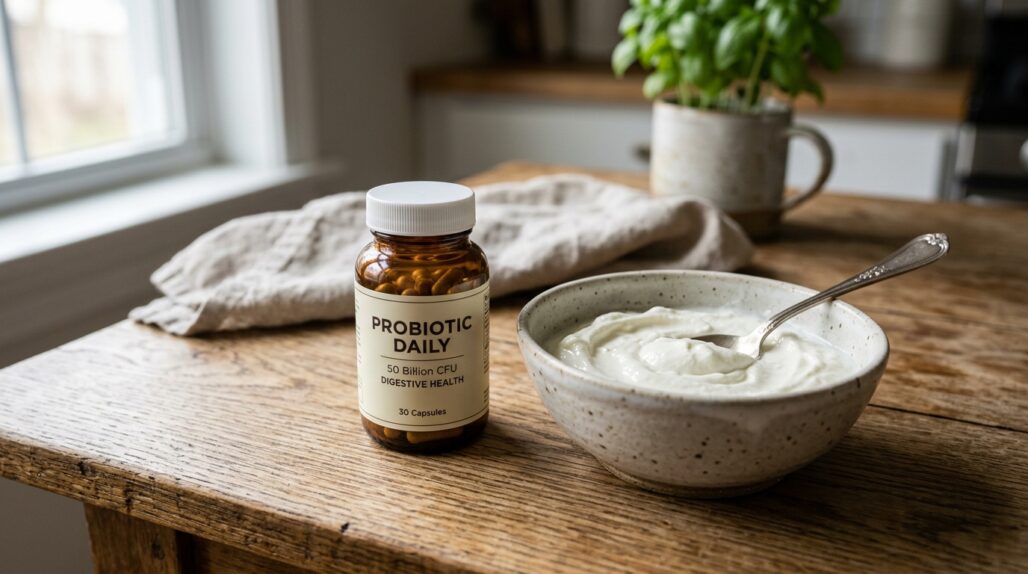
1. A strain-specific probiotic. Strain matters more than brand. The two with the strongest trial record for antibiotic-associated diarrhea are Saccharomyces boulardii CNCM I-745 and Lactobacillus rhamnosus GG. S. boulardii is a yeast, not a bacterium, which is a practical advantage: the antibiotic that kills bacteria does not kill it, so timing is more forgiving. Start it early in the course rather than waiting until you feel unwell, and many people continue it for one to two weeks after the last antibiotic dose while the gut settles. With bacterial probiotics, leave a couple of hours between the antibiotic and the capsule.
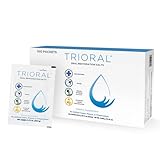
2. Oral rehydration salts, if diarrhea shows up. You do not need these preemptively. But if stools turn loose and frequent, a balanced rehydration mix replaces the sodium, potassium, and fluid you are losing far better than water alone or a sugary sports drink. Sip steadily through the day.
3. Vitamin D3 for general recovery. This is a modest, optional add, not a depletion fix. Many adults run low on vitamin D, and a standard daily dose supports normal immune function while you recover. Take it with a meal, and ideally dose it to a blood test rather than guessing. Keep it at a different meal from your antibiotic if that antibiotic is one of the mineral-sensitive ones, though vitamin D itself does not chelate the drug.
A note on what is missing from this list: zinc. Zinc has a reasonable reputation for gut and immune support, but it is a divalent mineral that binds the same antibiotics calcium and iron do. That binding problem outweighs the benefit during a course, so zinc belongs in the spacing section below, not in the safe-add cards.
How to take them: the plan at a glance
| Supplement | What it helps with | How to take it (timing/spacing from your dose) | Caution |
|---|---|---|---|
| Strain-specific probiotic (S. boulardii CNCM I-745 or L. rhamnosus GG) | Lowers risk of antibiotic-associated diarrhea | Start early in the course; bacterial strains 2 h apart from the antibiotic; continue 1-2 weeks after | Clear it first if you are immunocompromised, critically ill, or have a central line |
| Oral rehydration electrolytes | Replaces fluid and electrolytes lost during diarrhea | Only if diarrhea starts; sip across the day; no spacing needed | Watch added potassium if you have kidney disease or take an ACE inhibitor or ARB |
| Vitamin D3 | General immune and recovery support; corrects a common low level | With a meal; dose to a blood test where possible | Not a depletion fix; do not megadose |
What to avoid or space apart (this is the part that protects your treatment)
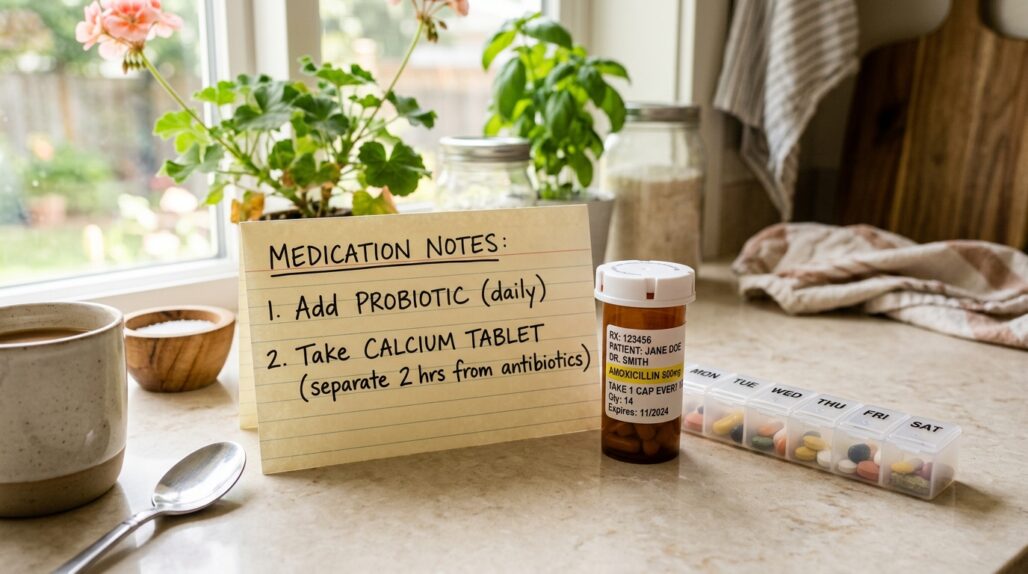
Here is the failure mode that sends people back to the doctor with an infection that did not clear: they swallow their antibiotic with a multivitamin, a calcium chew, or an iron tablet, and the minerals bind the drug in the gut so it never absorbs. The fix is timing, not avoidance, for most of these.
Calcium. Calcium supplements, antacids like Tums, and calcium-fortified juice or dairy form a non-absorbable complex with tetracyclines (doxycycline, minocycline) and fluoroquinolones (ciprofloxacin, levofloxacin). With ciprofloxacin, calcium can cut the amount absorbed by around 40 percent, per the FDA ciprofloxacin prescribing information. The rule for cipro: take the antibiotic 2 hours before or 6 hours after calcium. For doxycycline, keep calcium at least 1 to 2 hours away.
Iron. Iron is the strongest binder of the group. Ciprofloxacin absorption can fall by up to roughly 64 percent when taken with iron, as summarized in this analysis of fluoroquinolone and multivalent cation interactions. Separate doxycycline and iron by at least 3 hours before or 2 hours after; keep iron 2 hours before or 6 hours after a fluoroquinolone.
Zinc. Zinc picolinate, zinc citrate, cold lozenges, and the zinc hidden in most multivitamins all bind quinolone and tetracycline antibiotics. Never co-dose. Keep zinc several hours apart. This is exactly why zinc is not one of the carded picks above.
Magnesium. Magnesium oxide, citrate, glycinate, and magnesium-containing antacids chelate the same two antibiotic classes. Glycinate is gentler on the stomach but it still has to be spaced: take magnesium 2 hours before or 6 hours after the antibiotic.
Multivitamins and greens powders. These are the sneaky ones. A single multivitamin or "greens" scoop can contain calcium, iron, zinc, and magnesium all at once. Treat the whole product as a spaced item. Do not take it with your pill.
Vitamin K if you take warfarin. A short antibiotic course can already nudge your INR up by quieting the gut bacteria that make vitamin K. Do not start, stop, or load up on vitamin K supplements or vitamin-K-rich greens on your own. Tell whoever monitors your INR that you started an antibiotic, because they may want to check it sooner. The NIH Office of Dietary Supplements vitamin K fact sheet is a good plain-language reference here.
Probiotics if you are immunocompromised. The Cochrane evidence for benefit applies to people who are not immunocompromised. Rare bloodstream infections have been reported in people who are critically ill, immunosuppressed, or have a central venous line. If that is you, clear any probiotic with your doctor first.
One safety habit makes all of this easier. You can log both your specific antibiotic and every supplement in one place using StackMyMed (our own free app), which flags overlaps like these so you have something concrete to ask your pharmacist about. It does not give medical advice or diagnose anything; it just surfaces the interaction so a human can rule on it. The low-tech version works just as well: write your full list on paper, including the antibiotic name and dose, and show it to your pharmacist before you add anything.
Can you cover this with food instead?
For a lot of people, yes, mostly. Plain yogurt and kefir with live cultures, plus other fermented foods like sauerkraut or kimchi, give your gut friendly bacteria during the course. They are not as concentrated or as strain-defined as a clinical probiotic, but they are a reasonable foundation and they count.
For fluids, normal drinking plus a balanced diet handles most courses. Save the oral rehydration salts for actual diarrhea.
Eat normally otherwise. There is no special "antibiotic diet," and a balanced plate does more than any capsule. Supplements are an add-on here, not the main fix.
A reminder on the one rule that matters most
Finish the full course exactly as your prescriber wrote it, even after you feel better. No supplement on this page treats your infection, and none is a natural alternative to the antibiotic. Stopping early or skipping doses is how resistant bacteria get a foothold, which is bad for you and for everyone else.
FAQ
Should I take a probiotic at the same time as my antibiotic? If you use Saccharomyces boulardii, a yeast, timing is forgiving because the antibiotic does not kill it. With a bacterial probiotic like Lactobacillus rhamnosus GG, leave roughly two hours between the antibiotic and the capsule so more of it survives.
Can I take my daily multivitamin while on antibiotics? Not at the same time as the pill. Most multivitamins contain calcium, iron, zinc, and magnesium, which bind tetracyclines and fluoroquinolones and reduce how much drug you absorb. Move the multivitamin to a different time, generally 2 hours before or 6 hours after the antibiotic, and confirm with your pharmacist.
Do all antibiotics have these mineral spacing rules? No. The chelation problem is biggest for tetracyclines (doxycycline) and fluoroquinolones (ciprofloxacin, levofloxacin). Penicillins like amoxicillin are far less affected. Because the rules differ by drug, check yours with the pharmacist rather than assuming.
How long should I keep taking the probiotic? A common approach is to start it early in the course and continue for about one to two weeks after the final antibiotic dose, while the gut rebalances. There is no need to take it forever.
I am on warfarin. Does an antibiotic change anything? It can. Antibiotics can raise your INR by reducing the gut bacteria that make vitamin K, and some antibiotics interact with warfarin more directly. Tell your anticoagulation clinic you started an antibiotic, and do not change your vitamin K intake on your own.
My diarrhea is severe or has blood in it. What should I do? Treat that as urgent and call your doctor. Do not reach for a standard anti-diarrheal, because slowing the bowel can make a C. difficile infection worse.
The bottom line
The supplement most worth adding during a course of antibiotics is a strain-specific probiotic (Saccharomyces boulardii CNCM I-745 or Lactobacillus rhamnosus GG) to lower your risk of antibiotic-associated diarrhea, with oral rehydration salts on standby and vitamin D3 as a modest recovery add. The interaction you must respect: keep calcium, iron, zinc, magnesium, and any mineral-loaded multivitamin hours apart from your dose, or the antibiotic may not work. Spacing rules differ by drug, so write your full list and run it past your pharmacist, or log it in an app that flags the overlap, before you add anything.
One red flag deserves its own line. Severe, watery, or bloody diarrhea with fever and abdominal cramping, either during the course or up to a few weeks after it ends, can signal Clostridioides difficile colitis. Do not just take an anti-diarrheal. Call your doctor or pharmacist promptly, as the Cleveland Clinic guidance on C. difficile explains. And finish your full prescription regardless of how the supplement plan goes.
For more on the safe adds, see our roundups of the best probiotics compared by strain and the best electrolyte supplements. To get the spacing right for your exact drug, our probiotic and antibiotic timing calculator walks you through it, and if you are mid-course and unsure what to pause, read what to do with your supplements when you start a new antibiotic.
This article is educational and is not medical advice, a diagnosis, or a prescription change. It does not replace your antibiotic. Talk to your doctor or pharmacist before starting, stopping, or changing any supplement or medication, especially if you are pregnant, have kidney disease, are immunocompromised, or take warfarin.
Reviewed by the UsefulVitamins Editorial Team.
