
Affiliate disclosure: this article contains affiliate links. As an Amazon Associate, UsefulVitamins.com earns from qualifying purchases at no extra cost to you.
Sauna culture has exploded far beyond Finland. Between backyard barrel saunas, gym steam rooms, and the contrast-therapy crowd pairing heat with cold plunges, millions of people now sweat on purpose several times a week, and most of them follow it with nothing but tap water. Whether that is fine or a slow-motion mistake depends almost entirely on how often and how long you sit in the heat. This guide walks through what the sweat research actually shows, when water alone is enough, and which products fit sauna losses rather than marathon losses. The picks below are the ones we would hand to our own family after a Sunday sauna.
Before you decide

Most casual sauna users do not need an electrolyte product at all. If your habit is one 15-20 minute session a week and you eat a normally salted diet, your kidneys and your dinner plate will restore the balance without any help. Buying a supplement for that pattern is spending money on a problem you do not have.
A few groups should be cautious about adding sodium on purpose. If you take blood pressure medication or diuretics, have kidney or heart disease, or have been told to restrict salt, talk to your doctor before using any high-sodium mix, because these products are essentially flavored salt. Pregnant users and anyone with a heat-sensitive condition should clear regular sauna use itself with a clinician first. Nothing here is medical advice; it is label reading and sweat math.
This comparison is for the people the research says actually lose meaningful fluid: daily or near-daily bathers, people doing multi-round sessions of 40 minutes or more, and anyone stacking a sauna on top of a training session. If that is you, our complete guide to electrolytes covers the physiology in depth, and the numbers below cover the products.
What a sauna session actually takes out of you
The sauna sweat literature is more precise than most wellness blogs suggest. A 2014 study of 674 young adults in The Scientific World Journal put participants through two 10-minute rounds in a 90°C dry sauna and weighed them before and after. Men lost an average of 0.50 kg of body mass and women 0.37 kg, with overweight and obese men averaging 0.82 kg (individual losses ran higher). Since a kilogram of acute body-mass loss corresponds to about a liter of fluid, a typical 20-minute session costs roughly half a liter of sweat.
Longer sessions scale the loss. A 2019 trial in BioMed Research International ran overweight young men through four 10-minute rounds at 90-91°C and recorded a mean loss of 0.65 kg across the hour. Sweating in a sauna also ramps up fast, peaking around the 15-minute mark, which is why even short sessions produce a visible puddle; the older Finnish literature, summarized in a classic review in The American Journal of Medicine, puts the average total secretion of a sauna bath at about half a kilogram.
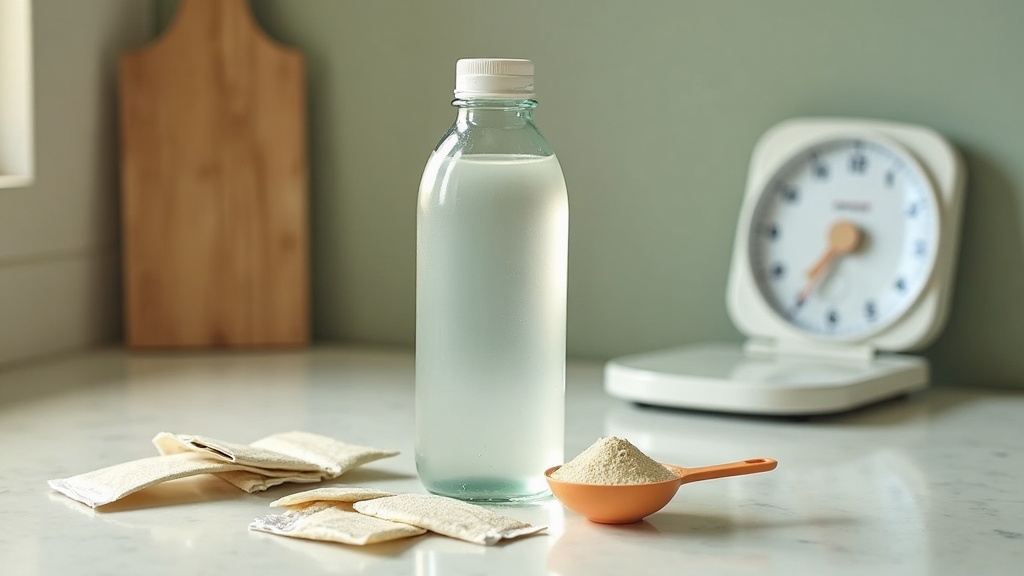
What matters for supplementation is what dissolves in that sweat. A 2017 review of sweat testing in Sports Medicine found whole-body sweat sodium concentrations in exercising athletes typically run about 10-70 mmol/L depending on the person, their heat acclimation, and their diet; sauna-specific sweat composition is far less studied, so exercise sweat is the closest available proxy. Do the arithmetic on half a liter and mid-range concentrations, and one sauna session removes roughly 300-500 mg of sodium, with heavy, salty sweaters losing more and heat-adapted regulars losing less. Potassium and magnesium leave the body in far smaller amounts, which is why sodium is the number that should drive your product choice. If you want your own estimate rather than a population average, our electrolyte replacement calculator converts a before-and-after weigh-in into a personal target.
When water alone is enough
Here is the honest gate that most sauna-adjacent sites skip. One session a week, under 20 minutes, on a normal diet: drink water and move on. A loss of 300-500 mg of sodium is less than what many people eat in a single sandwich, and your next meal replaces it without ceremony.
During the session itself, you also do not need an electrolyte drink. Sessions are short, and sipping plain water between rounds handles comfort and temperature. The window that matters is the hour afterwards, when you are replacing the volume you lost, and that is where sodium earns its place: drinking plain water to replace a half-liter-plus deficit adds fluid without the salt that helps you retain it.
The math changes with frequency and duration. A 20-year Finnish cohort study in JAMA Internal Medicine found the biggest health associations in men using the sauna four to seven times per week; a separate analysis in the same cohort favored sessions longer than 19 minutes, and that combination is exactly the usage pattern the wellness crowd now copies. Sauna most days of the week means losing half a liter or more of sweat daily on top of exercise and normal life, and at that volume, habitually rehydrating with plain water alone leaves the sodium side of the ledger unpaid. Daily bathers, multi-round sweaters, and anyone who trains before the sauna are the people the products in this roundup are actually for. The general health case for the habit itself is solid, as a 2018 review in Mayo Clinic Proceedings lays out, so the goal is to support the habit, not to scare you off it.
How to choose electrolytes for sauna use

Sauna losses are not marathon losses, so the buying criteria shift. Aim for 300-500 mg of sodium per serving for a standard session, which matches the arithmetic above almost exactly. The 1,000 mg mega-dose mixes built for endurance athletes are not dangerous for healthy people, but after a single 20-minute sauna they are simply more than the deficit; they earn their keep on daily multi-round habits or sauna stacked on training.
Skip caffeine entirely. Many sauna users go in the evening for sleep and recovery, and a caffeinated hydration mix defeats the purpose. Sugar is a genuine fork in the road here: glucose speeds sodium and water absorption, which is the logic behind oral rehydration solutions like DripDrop, but a zero-sugar formula fits better if your sauna sits inside a fasting window or right before bed.
Format is mostly about honesty per serving. Tablets are portable but often carry less sodium than powders, a gap we measured in our tablets versus powder underdosing comparison; for sauna-sized losses, a 300 mg tablet is one of the rare cases where the tablet dose is actually the right size. On cost, stick packs charge for convenience and tubs reward commitment, and our stick packs versus tub cost breakdown runs the per-serving math if you are choosing a daily driver.
The numbers side by side
Label numbers below are per serving, taken from each brand's own published information. Prices are standard one-time prices as of August 2026 and shift with subscriptions and sales.
| Product | Sodium | Potassium | Magnesium | Sugar | Price per serving |
|---|---|---|---|---|---|
| DripDrop (stick) | 330 mg | 185 mg | 39 mg | 7 g | about $1.12 (32 sticks, $35.99) |
| Nuun Sport (tablet) | 300 mg | 150 mg | 25 mg | 1 g | about $0.75 (10 tablets, $7.49) |
| LMNT (stick) | 1,000 mg | 200 mg | 60 mg | 0 g | about $1.50 (30 sticks, $45) |
| Liquid I.V. Hydration Multiplier (stick) | 500 mg | 370 mg | not listed | about 11 g | about $1.56 (16 sticks, $24.99) |
| Ultima Replenisher (stickpack) | 55 mg | 250 mg | 100 mg | 0 g | about $1.05 (20 stickpacks, $20.99) |
Top picks for sauna users
DripDrop is our best overall for sauna because its 330 mg of sodium lands almost exactly on what a standard session removes, and its 7 g of glucose follows oral rehydration logic: sugar and salt together move water into the body faster than either alone. It was developed on the ORS model rather than the sports-drink model, which happens to suit post-sauna rehydration well. The sugar is the honest tradeoff for anyone doing evening or fasted sessions.
Nuun Sport is the value pick, and for once the tablet format works in its favor. At 300 mg sodium, 1 g of sugar, and roughly $0.75 per serving, one tablet in a half-liter bottle matches the deficit of a 20-minute session at the lowest cost in this table. A tube also lives happily in a gym bag next to your sauna towel.
LMNT is the pick for the heavy end of the spectrum: daily multi-round bathers and people who sauna right after training. A full stick's 1,000 mg of sodium overshoots a single casual session, but it fits a day that includes an hour of exercise plus 40 minutes of heat, and half a stick in a large bottle is a perfectly good 500 mg serving. We looked at whether the premium price is justified in our LMNT deep dive.
Liquid I.V. sits between them with 500 mg of sodium and 370 mg of potassium per stick, and its glucose-heavy formula (about 11 g of sugar) makes it another fast-absorption option for people who do not mind the sweetness. Ultima Replenisher is the outlier: pleasant flavors and useful potassium and magnesium, but at 55 mg of sodium per serving it does not address the main thing sauna sweat removes, so treat it as a tasty way to drink more water and get your sodium from food.
What to look for when buying
Read the sodium line first and ignore the front of the pack. A product marketed for hydration can contain anywhere from 55 mg to 1,000 mg of sodium per serving, an 18-fold spread inside one product category, and the marketing language does not scale with the number. Match the dose to your session length using the sweat math above.
Check the serving definition while you are there. Some brands quote a stick mixed into 8 oz of water, others into 16 oz, and cost-per-serving comparisons quietly break when serving sizes differ. Prefer brands that publish a full electrolyte panel rather than a proprietary blend, skip anything with added caffeine for evening sessions, and if you want a single product to cover gym days and sauna days alike, our best electrolyte powder roundup and athlete-focused picks cover the higher-dose end of the market.


As an Amazon Associate, UsefulVitamins.com earns from qualifying purchases at no extra cost to you. We only recommend products supported by published research or third-party testing.
Averages only get you so far. Weigh in before and after one session and run your own numbers through our sweat rate calculator.
FAQ
Should I drink electrolytes before or during a sauna session?
Neither is necessary for typical sessions. Go in normally hydrated, sip plain water between rounds if you want it, and put the sodium in the recovery drink afterwards. Pre-loading salt before 20 minutes of heat mostly means you will just excrete it.
How much should I actually drink after a sauna?
Weigh yourself before and after if you want precision: each kilogram lost is about a liter of fluid. Common sports-medicine practice is to drink a bit more than you lost, spread over the following hours, with sodium included so the fluid stays in circulation. One caution: do not chug liters of plain water in a short window, because drinking far beyond your losses without sodium can dilute blood sodium (hyponatremia), the one genuinely dangerous rehydration mistake. Our electrolyte replacement calculator turns your weigh-in into a specific plan.
I take blood pressure medication or a diuretic. Can I use these products?
Ask your prescriber or pharmacist before adding one, and bring the label. High-sodium mixes can work against blood pressure treatment, and diuretics already change how your kidneys handle sodium and potassium, so the safe answer depends on your exact prescription. This is the one question in this article where a professional beats a calculator.
Does an infrared sauna change the math?
Direct comparisons are still thin, and sweat rates in infrared cabins vary with temperature and session length just as they do in traditional saunas. The same logic holds: weigh yourself before and after a typical session once, and size your rehydration to your own measured loss rather than to any blanket infrared claim.
Is daily sauna use even a good idea?
The Finnish cohort data is encouraging: in the JAMA Internal Medicine study, men who bathed four to seven times a week had markedly lower rates of sudden cardiac death over 20 years than once-a-week users. Association is not proof of cause, but the habit looks safe for most healthy adults. The point of this article is simply that daily heat means daily fluid and sodium losses worth replacing on purpose.
The bottom line
A single sauna session is a half-liter problem, and a half-liter problem needs a modest fix: water plus 300-500 mg of sodium in the hour afterwards. Occasional bathers can close that gap with dinner; daily and multi-round bathers are better served by an actual product matched to the loss. DripDrop fits the deficit almost exactly, Nuun Sport does it cheapest, and LMNT covers the heavy sweaters and the sauna-after-training crowd. Whichever you choose, let a scale and a label, not a marketing claim, decide the dose.
