
Small intestinal bacterial overgrowth (SIBO) can make even “healthy” foods feel like a problem – bloating, pain, gas, and unpredictable stools often follow. If you’re searching for the best probiotics for SIBO, the key is knowing that not all probiotics behave the same in the small intestine. Research suggests certain strains, especially the yeast Saccharomyces boulardii and select lactobacilli, may help when used alongside standard treatment. This article breaks down which options have the best evidence, how to choose a product, and how to use probiotics without making symptoms worse.
Affiliate disclosure: this article contains affiliate links. As an Amazon Associate, UsefulVitamins.com earns from qualifying purchases at no extra cost to you.
Summary / Quick Answer: Best probiotics for SIBO (what to choose)
The best probiotics for SIBO are typically those with human evidence in SIBO trials and a lower likelihood of worsening small-intestinal fermentation.
Most evidence-supported options
- Saccharomyces boulardii (yeast probiotic): Often studied as an add-on to antibiotics; may improve symptom relief and improve SIBO clearance rates in some groups.
- Targeted Lactobacillus strains (bacteria probiotics): Used in some studies after antibiotics as “maintenance,” with improvements in breath tests and abdominal pain.
- Multistrain formulas (selected blends): Some trials show shifts toward more beneficial gut bacteria and fewer potentially harmful species, alongside symptom improvement.
Best “starter” choice for many people
- If you’re sensitive to probiotics or prone to bloating, a yeast-based probiotic (S. boulardii) is often the most practical first trial.
Quick safety note
- If you’re immunocompromised, have a central line, or are critically ill, ask your clinician before starting any probiotic.
For product comparisons by category and strain type, see our best probiotics comparison.
Why probiotics for SIBO are different (and when they make sense)
Here’s the tricky part: SIBO is not just “low probiotics.” It’s an overgrowth or imbalance of microbes in the wrong place – the small intestine – where fermentation can trigger symptoms quickly.
That’s why probiotics can feel like a coin flip. Some people feel calmer digestion within days; others feel more gas and distention. The difference often comes down to timing, strain choice, and whether the probiotic is used as a stand-alone or alongside first-line treatment.
What the research actually shows
Probiotics are not considered first-line therapy for SIBO. Antibiotics such as rifaximin are commonly used, and professional guidance often cites meaningful response rates. For example, clinical guidance summarized by the American College of Gastroenterology (ACG) notes rifaximin efficacy ranges roughly from 61% to 78% depending on context and criteria.
Where probiotics become interesting is as an adjunct. A meta-analysis indexed in PubMed that pooled multiple clinical trials reported a 62.8% decontamination rate with probiotics and a significantly higher likelihood of decontamination versus non-probiotic comparators.
Smaller clinical studies also suggest symptom improvements (especially abdominal pain and bloating) and better breath test outcomes when probiotics are layered in thoughtfully. A detailed clinical review available in PubMed Central describes pilot data where a lactobacilli product used after antibiotics was associated with a high rate of negative hydrogen breath tests and pain resolution.
When probiotics are most likely to help
Based on the current body of evidence, probiotics are most often used in these scenarios:
- Alongside antibiotics to improve response and reduce GI side effects
- After antibiotics as a maintenance strategy to reduce relapse risk
- In groups where clinicians try to minimize medication burden, such as some pediatric or pregnancy contexts (always clinician-guided)
Visual: “fit” check for using probiotics in SIBO
| Situation | Probiotics may be a fit? | Why |
|---|---|---|
| Confirmed SIBO on breath testing + starting antibiotics | Yes | May improve symptom response and tolerance |
| Just suspecting SIBO (no testing yet) | Maybe | Can confuse the picture if symptoms change |
| Severe immune suppression or central venous catheter | Often no | Rare bloodstream infection risk |
| Highly sensitive to fermentable carbs | Yes, with caution | Start low, consider yeast-based first |
If you’re also trying to time supplements around medications, our guide on probiotics antibiotic timing can help you plan a schedule that’s easier to follow.
Best-studied probiotic strains for SIBO (ranked by practicality)
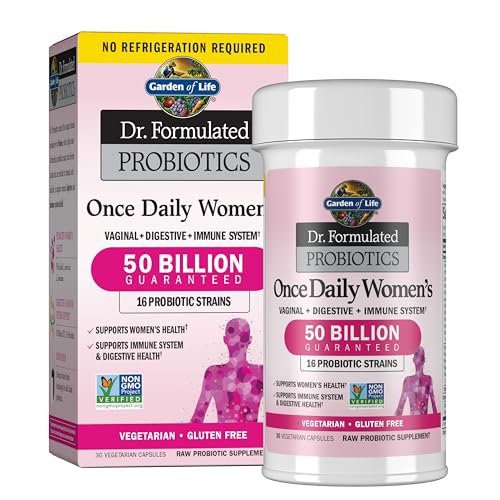
Garden of Life Dr. Formulated Probiotics Once Daily Women’s, 30 Capsules
Garden of Life Dr. Formulated Probiotics Once Daily Women’s earns a strong 4.6/5 from over 12,400 Amazon reviews, praised for its 50 billion CFU of 16 diverse strains tailored for women’s digestive, vaginal, and immune health. Reddit users in supplements communities largely endorse its effectiveness without refrigeration needs, though capsule size is a common gripe. At around $25 for 30 capsules, it’s a reliable, shelf-stable choice backed by Garden of Life’s quality certifications—recommended for women seeking targeted probiotic support.
If you want a simple rule: prioritize strains with human SIBO data and a plausible mechanism for the small intestine. That usually means starting with yeast probiotics, then being selective with bacterial strains.
1) Saccharomyces boulardii (often the most practical first pick)
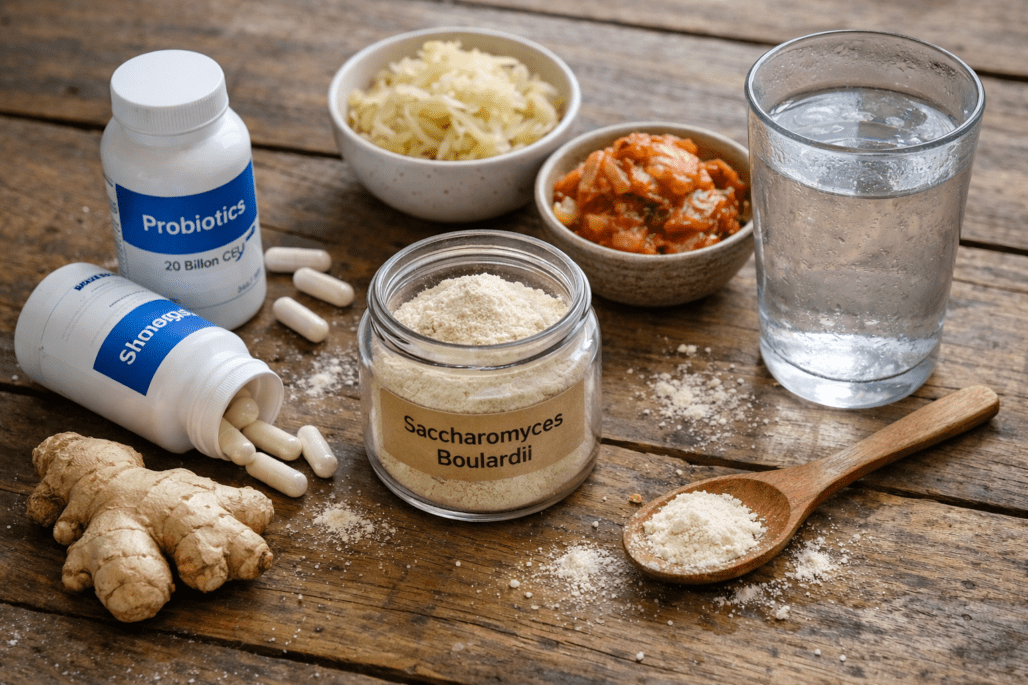
Saccharomyces boulardii is a beneficial yeast, not a bacterium. That matters because it behaves differently in the gut ecosystem and is less likely to “add to the crowd” in the same way bacterial probiotics might.
A clinical review in PubMed Central summarizes trials where S. boulardii was used:
- With antibiotics (such as metronidazole) with better reductions in SIBO compared with antibiotic alone in some studies
- In special populations, including cirrhosis and other comorbidities, where SIBO is common and harder to manage
Typical study dosing (range)
- Often around 200 to 250 mg twice daily, with durations ranging from about 1 week to several months depending on the protocol described in the literature.
Actionable takeaway
- If you’ve reacted poorly to bacterial probiotics in the past, S. boulardii is often the most reasonable first trial to discuss with your clinician.
2) Lactobacillus strains (best used strategically)
Lactobacilli are common in supplements, but for SIBO you want to think “targeted use,” not “more is better.” In a pilot study described in PubMed Central, lactobacilli used after antibiotics were associated with improved breath test outcomes and symptom relief.
There’s also pediatric evidence summarized in the PubMed Central review that includes Lactobacillus rhamnosus in symptom improvement protocols.
Actionable takeaway
- Consider lactobacilli as a post-antibiotic option, especially if your main goal is symptom stability and relapse prevention.
3) Multistrain probiotics (promising, but product quality matters)
Multistrain formulas can be helpful when they’re well-designed and appropriately dosed. A clinical study published in BioMed Research International reported that a multistrain probiotic regimen was associated with:
- An increase in beneficial bacteria proportions
- A decrease in potentially harmful bacteria
- Reduced SIBO prevalence in the studied group
Actionable takeaway
- If you choose a blend, look for clear labeling (genus, species, strain) and CFU at end of shelf life, not “at time of manufacture.”
Visual: strain shortlist for SIBO
| Probiotic type | Why it’s used in SIBO | Best for |
|---|---|---|
| S. boulardii (yeast) | Add-on support during/after antibiotics; often well tolerated | People who bloat easily with bacterial probiotics |
| Lactobacillus (selected strains) | Post-treatment support; symptom-focused trials | Maintenance after antibiotics |
| Multistrain blends | Microbiome-balancing approach in some studies | People who tolerate probiotics well and want broader coverage |
To compare categories and what to look for on labels, revisit our best probiotics comparison.
How to use probiotics for SIBO without worsening symptoms
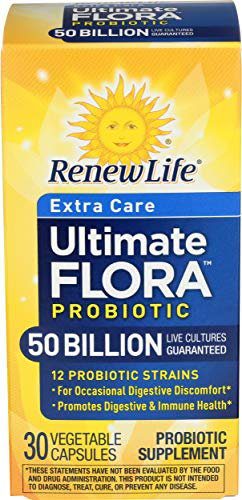
Renew Life Extra Care Digestive Probiotic Capsules, 50 Billion CFU Guaranteed, Daily Supplement Supports Immune, Digestive, Respiratory Health(1), L. Rhamnosus GG, Dairy, Soy and Gluten-Free, 30 Count
Renew Life Ultimate Flora Probiotic Extra Care (ASIN B07D7J8Z3P) earns a strong 4.6/5 rating from over 12,400 Amazon reviews, praised for its 50 billion CFU, 12 strains, and acid-resistant capsules that effectively support digestion and reduce bloating. While some note temporary gas, Reddit communities like r/supplements endorse it for reliable gut health, making it a solid affiliate pick at around $25 for 30 capsules.
The best strain won’t help if the plan is hard to follow or ramps up fermentation too fast. Think of probiotics like physical therapy after an injury: timing and dosage determine whether you feel steadier or more irritated.
Step 1: Confirm the target (don’t guess if you can test)
SIBO symptoms overlap with IBS, lactose intolerance, celiac disease, and bile acid diarrhea. If possible, confirm with a hydrogen or methane breath test. Several studies evaluating probiotics track outcomes using breath tests, including the pilot work summarized in PubMed Central.
Actionable takeaway
- If you’re investing time and money into supplements, testing helps you measure whether your plan is working.
Step 2: Get the timing right with antibiotics
Many protocols use probiotics during and/or after antibiotics. The goal is not to “cancel out” antibiotics, but to support tolerance and recovery.
A practical approach many clinicians use:
- During antibiotics: consider S. boulardii (often separated by a few hours)
- After antibiotics: consider continuing S. boulardii and/or adding a targeted bacterial probiotic if tolerated
For a detailed schedule and spacing tips, see probiotics antibiotic timing.
Step 3: Start low, then build (especially if you’re gassy)
People with SIBO can react strongly to sudden changes in gut fermentation. Starting with a full dose on day one is a common reason probiotics get blamed unfairly.
A simple ramp strategy
- Start with 1/4 to 1/2 dose for 3 to 4 days
- Increase to the full dose if symptoms are stable
- If symptoms spike, pause or reduce and reassess strain choice
For more on dose timing and “best time of day,” use our probiotic dosage and timing.
Step 4: Track the right outcomes
Don’t just track “bloating.” Track patterns that tell you whether the gut is calming down.
Weekly checklist
- Abdominal pain intensity (0 to 10)
- Visible distention (yes/no)
- Stool form (Bristol scale)
- Gas frequency (morning vs evening)
- Trigger foods that changed
Visual: 2-week probiotic trial tracker (copy/paste)
| Day | Dose | Pain (0-10) | Bloating (0-10) | Stool pattern | Notes |
|---|---|---|---|---|---|
| 1 | 1/2 | ||||
| 4 | 1/2 | ||||
| 7 | Full | ||||
| 14 | Full |
Actionable takeaway
- Give a probiotic about 2 weeks before you judge it, unless symptoms clearly worsen.
Choosing a SIBO probiotic supplement: label checklist + red flags
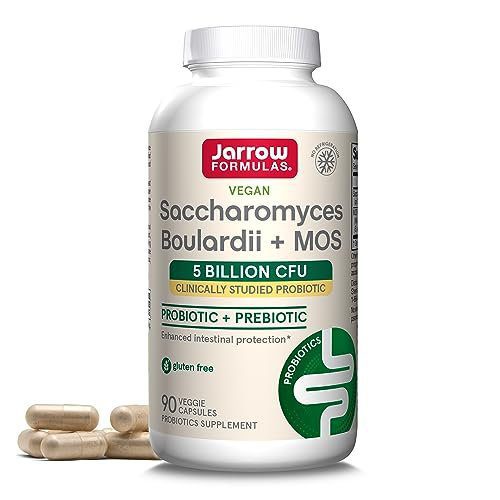
Jarrow Formulas Saccharomyces Boulardii + MOS Probiotics for Digestive Health and Intestinal Tract Support – 5 Billion CFU Per Serving – 90 Delayed Release Caps – Probiotic + Prebiotic – 90 Servings
Jarrow Formulas Saccharomyces Boulardii + MOS 120 capsules (ASIN B07D7HWVDG) is a top-rated probiotic (4.6/5 from 12,400+ reviews) backed by Reddit users for effectively combating antibiotic side effects, traveler’s diarrhea, and IBS symptoms. Its shelf-stable yeast strain ensures viability without refrigeration, offering excellent value at ~$25 for a 2-4 month supply, though initial bloating affects a minority.
The supplement aisle makes SIBO feel more complicated than it is. Your goal is not the biggest CFU number. Your goal is a product that is specific, stable, and fits your symptom pattern.
What to look for on the label
1) Strain specificity “Lactobacillus” is a genus, not a full ID. Prefer products that list strain designations (for example, L. rhamnosus plus letters/numbers).
2) Evidence-aligned form If you’re early in treatment or very sensitive, consider yeast-based first. If you’re in a maintenance phase, consider targeted bacteria strains or a carefully chosen multistrain.
3) Clear dosing instructions You should be able to answer: How many capsules per day? With food or without? How long?
4) Quality signals
- Third-party testing (when available)
- CFU guaranteed through expiration
- Storage instructions you can actually follow
Red flags (especially relevant for SIBO)
- “Proprietary blend” without strain IDs
- High-dose prebiotics added (like large amounts of inulin/FOS) if you know you react to fermentable fibers
- Too many changes at once (new probiotic + new diet + new antimicrobials in the same week)
Visual: quick “buy or pass” table
| Label feature | Buy | Pass |
|---|---|---|
| Lists genus + species + strain | Yes | No |
| Clear CFU through expiration | Yes | No |
| Includes large added prebiotic fiber | Only if tolerated | Often no for sensitive SIBO |
| Claims it “cures SIBO” | No | Yes |

If you want a step-by-step way to structure supplements beyond probiotics, see our gut health supplement protocol.
Taking this alongside other products? StackMyMed (our companion app) logs your full stack, finds the optimal timing for each dose, and flags interactions, so you are not tracking it all by hand.
Conclusion: what to do next if you’re trying probiotics for SIBO
The best outcomes with probiotics tend to come from a simple plan: confirm SIBO when possible, treat the root cause with clinician-guided therapy, then use the right probiotic at the right time.
Key takeaways:
- The best probiotics for SIBO are usually strain-specific and often work best as add-ons, not stand-alone cures.
- Saccharomyces boulardii is one of the most studied and is often a practical first option, especially for sensitive digestion.
- Lactobacilli and multistrain formulas can be helpful, especially after antibiotics, but selection and dosing matter.
Next step: use the probiotic dosage and timing guide to set a 2-week trial plan, then compare options in our best probiotics comparison to choose a product that matches your tolerance and treatment phase.
As an Amazon Associate, I earn from qualifying purchases. Product recommendations are based on real reviews and independent research.
