

Affiliate disclosure: this article contains affiliate links. As an Amazon Associate, UsefulVitamins.com earns from qualifying purchases at no extra cost to you.
What "too much" actually means with magnesium
There are two completely different ceilings here, and people mix them up constantly. The magnesium in spinach, beans, nuts, and whole grains has no upper limit set for healthy people. Your kidneys simply pass the surplus out in urine.
Supplements are a different story. The Institute of Medicine set a Tolerable Upper Intake Level (UL) of 350 mg per day for magnesium from supplements and medications, and that number explicitly excludes food, per the NIH Office of Dietary Supplements.
So "too much magnesium" almost always means too much supplemental magnesium, swallowed in one go. The first thing it does is loosen your stools.
That UL also sits below the recommended daily intake on purpose. The RDA is around 400-420 mg for adult men and 310-320 mg for adult women, but most of that is meant to come from food. The 350 mg cap is only for what you add on top in pill or powder form.
Why the limit is built around diarrhea
Here is the part that surprises people. The 350 mg supplemental cap is not a poison threshold. It is a gut-tolerance threshold.
When the IOM reviewed the evidence, diarrhea was the limiting factor, and they anchored the UL to a lowest-observed-adverse-effect level of about 360 mg/day from non-food sources, as summarized in a 2023 review in Advances in Nutrition. The studies behind it used poorly absorbed salts like magnesium oxide, chloride, and gluconate.
Unabsorbed magnesium pulls water into your intestine. That is the same mechanism behind milk of magnesia and other magnesium laxatives. Take enough at once and you get the laxative effect whether you wanted it or not.
The useful takeaway: loose stools are an early, self-correcting signal. They tell you the dose or the form was too much for your gut before anything serious is in play. Lower the dose, split it across meals, or switch forms, and it usually settles.

The early warning signs from supplements
For a healthy person, going over the supplemental UL produces gut symptoms first, and they fade once you cut back. The NIH consumer fact sheet lists these as the typical signs of too much supplemental magnesium.
- Diarrhea or loose, watery stools – the most common and earliest sign.
- Nausea and a queasy stomach.
- Abdominal cramping or bloating.
None of these means your blood magnesium is dangerously high. In someone with working kidneys, they mean your intestine is voting against that dose. Stop, reduce, or change the form, and they resolve.
If you keep pushing the dose far past the UL, or if your kidneys cannot clear magnesium, the picture changes. That is the scenario worth understanding next.
When high magnesium becomes genuinely dangerous
Truly dangerous magnesium overload has a name: hypermagnesemia. It means the level in your blood, not your gut, is too high. And it is rare in people with normal kidney function.
Normal serum magnesium runs about 1.7 to 2.4 mg/dL. Symptoms appear as that climbs, and the StatPearls clinical reference on hypermagnesemia maps it roughly by severity.
| Serum level | What tends to happen | Who is at risk |
|---|---|---|
| 1.7 to 2.4 mg/dL | Normal range, no symptoms | Healthy adults |
| Under 4 mg/dL | Often none, or mild nausea, weakness, flushing | Usually mild overshoot |
| About 7 to 12 mg/dL | Reduced reflexes, drowsiness, falling blood pressure | Kidney impairment plus a magnesium load |
| Above 12 mg/dL | Muscle paralysis, slowed breathing, heart rhythm changes | Medical emergency, rarely from diet alone |
The single most common cause is acute or chronic kidney disease. Healthy kidneys excrete excess magnesium efficiently, which is why the StatPearls authors note that pushing blood magnesium high through diet alone is practically impossible with normal renal function.
The other classic route is magnesium-containing laxatives and antacids, especially in older adults whose kidneys are already slowing down. Cleveland Clinic flags these products plus kidney impairment as the usual setup behind real cases.
So the dangerous version is not "I took a 400 mg glycinate capsule." It is "my kidneys do not clear magnesium and I kept loading it in." If that is you, this is a doctor conversation, not a label-reading exercise.

The number trap: elemental versus compound weight
This is where careful people accidentally overshoot. A label that says "500 mg magnesium glycinate" is not 500 mg of magnesium. It is 500 mg of the compound, and only a fraction of that is the actual mineral, called elemental magnesium.
The percentage varies a lot by form. Magnesium oxide is roughly 60% elemental magnesium, while chelated and citrate forms carry much less per gram. That means a high-percentage form can deliver a surprisingly large mineral dose in a small pill.
To stay under the 350 mg supplemental UL, count elemental magnesium, not the compound weight on the front of the bottle. The Supplement Facts panel usually lists the elemental amount and the percent Daily Value – read that line, not the headline.
If the math feels fiddly, do not eyeball it. Use our magnesium dose calculator to convert your form and pill size into the elemental number you are actually getting per day. For the bigger picture on targets by goal and age, our magnesium dosage guide lays out what is reasonable before you add anything up.
Which form keeps you under the gut ceiling
The form you pick changes how much magnesium you can take before your gut complains. That is the real lever here, more than the brand.
Magnesium oxide packs the most mineral per pill but absorbs poorly, so a lot stays in the gut and acts as a laxative. Citrate is well absorbed but still has a moderate laxative pull at higher doses. Glycinate is the gentlest of the common options and is the usual pick for people who want a nightly dose without racing to the bathroom.
For the why behind that ranking, our explainer on the magnesium forms that will not cause diarrhea compares them side by side. If you just want a solid default that most people tolerate, our pick for the best magnesium supplement overall leans toward a sensible elemental dose in a gentle form.
A practical setup for staying comfortably under the ceiling:
- Choose a gentle, well-absorbed form like glycinate if your gut is sensitive.
- Keep the elemental dose at or under 350 mg/day from all supplements combined.
- Split it and take it with food rather than one large dose on an empty stomach.
What to actually buy
If you want the safety-conscious choice – a sensible elemental dose in a form your gut tolerates – the options below cover a clean glycinate for daily use, a value glycinate, and a magnesium-citrate powder you can titrate to the lowest dose your gut tolerates – citrate is more laxative than glycinate, so start low.
UsefulVitamins may earn a commission from purchases made through the links below, at no extra cost to you. Prices are accurate as of writing; check the current price.


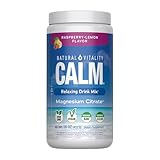
As an Amazon Associate, UsefulVitamins.com earns from qualifying purchases at no extra cost to you.
Whichever you pick, the deciding factor is the elemental amount per serving and how your stomach handles it, not the marketing on the front.

Who needs to be more careful
Most healthy adults can use magnesium supplements sensibly by watching the dose and the form. A few groups should check first.
Kidney disease is the big one. If your kidneys do not clear magnesium well, the normal safety valve is gone, and a dose that is harmless for others can build up. Talk to your doctor before any magnesium supplement.
Certain medications interact with magnesium. Per the NIH Office of Dietary Supplements, magnesium can bind some drugs and blunt their absorption, so spacing matters.
- Oral bisphosphonates (for osteoporosis): separate by at least 2 hours.
- Tetracycline and quinolone antibiotics: take the antibiotic 2 hours before or 4 to 6 hours after magnesium.
- Diuretics and long-term proton pump inhibitors can shift your magnesium status in either direction.
A quick pharmacist check sorts out timing and whether magnesium is a good idea alongside your prescriptions. If you are on a cholesterol drug, we cover whether you can take magnesium with statins in more detail. Do not start, stop, or change any prescribed medication on your own – bring magnesium up at your next visit instead.
FAQ
Is 500 mg of magnesium a day too much? If that 500 mg is elemental magnesium from supplements, it is above the 350 mg supplemental upper limit and more likely to cause loose stools. If part of your total comes from food, the food portion is not capped. Check whether the label number is the compound or the elemental amount, and use the dose calculator to be sure.
What is the first sign I have taken too much magnesium? Loose or watery stools, usually with some nausea or cramping. In a healthy person this is a gut signal, not a sign of dangerous blood levels, and it eases once you lower the dose or switch to a gentler form.
Can magnesium hurt your heart? Very high blood magnesium can affect heart rhythm and breathing, but that level of overload is rare and mostly happens in people with kidney disease or after very large doses. A normal supplement dose in someone with healthy kidneys does not do this.
Does the magnesium in food count toward the 350 mg limit? No. The 350 mg upper limit applies only to magnesium from supplements and medications. Food magnesium is not capped for healthy people because the kidneys remove the excess.
Which magnesium is least likely to cause diarrhea? Magnesium glycinate is generally the gentlest of the common forms, while oxide and high doses of citrate are the most likely to loosen stools. Taking it with food and splitting the dose also helps.
Should I stop magnesium if I get loose stools? You usually just need less, or a gentler form, rather than stopping entirely. If symptoms persist, you have kidney disease, or you feel weak, flushed, or short of breath, check with a doctor or pharmacist.
The bottom line
You can take too much magnesium from supplements, but for healthy people the consequence is loose stools, not a crisis. The 350 mg supplemental upper limit is a comfort ceiling built around diarrhea, and food magnesium does not count toward it.
The two things that keep you safe are simple: count elemental magnesium, not the compound weight, and pick a gentle form so your gut tolerates a useful dose. Run your pills through the magnesium dose calculator if the labels are confusing.
Real danger lives almost entirely with kidney disease, magnesium-based laxatives or antacids, and certain medications – those are the cases that belong with a clinician, not a label.
This article is general education, not medical advice. It is not a substitute for guidance from your own doctor or pharmacist, who know your kidney function, medications, and history. Do not start, stop, or change any supplement or prescription based on what you read here.
Reviewed by the UsefulVitamins Editorial Team.
