Peptides

Peptides for Athletes: WADA Rules, Real Evidence, and Career-Risk Reality

If you are a tested athlete and a teammate told you "BPC-157 is fine, it's not on the list," the honest answer is: it is on the list — listed under S0 (Non-Approved Substances) in the current WADA Prohibited List, and if you test positive the consequences are far worse than any marketing copy will […]

Peptides for Athletes: WADA Rules, Real Evidence, and Career-Risk Reality Read More »

Peptides for Men Over 40: What Helps With Aging, Recovery, and Hormones

If you are a man over 40 and you have spent any time on fitness forums or wellness podcasts, someone has probably told you that peptide therapy will restore your growth hormone levels, fix your recovery, and give you the body composition of your 30-year-old self. Some of that marketing is attached to real biochemistry.

Peptides for Men Over 40: What Helps With Aging, Recovery, and Hormones Read More »

FDA-Approved Peptides: Complete List and What the Approval Actually Means

Scroll peptide content on social media for ten minutes and you will encounter an almost endless catalog of compounds described as "clinically proven" or "used by doctors everywhere." The actual FDA-approved list is far shorter than that scroll suggests. It fits comfortably in a single table. Most of what influencers call peptide therapy sits in

FDA-Approved Peptides: Complete List and What the Approval Actually Means Read More »

Peptide Side Effects: What the Research Documents and Common Reports

Side effects from peptides depend less on "peptides as a category" and more on which peptide, how it's manufactured, and whether you got it through a pharmacist or a TikTok ad. A person injecting FDA-approved semaglutide prescribed by an endocrinologist is operating in a completely different risk universe than someone ordering unlabeled BPC-157 vials from

Peptide Side Effects: What the Research Documents and Common Reports Read More »

Peptides for Women Over 40: What Actually Helps With Aging Skin, Energy, and Hormones

If you're 40-plus and "peptides for women over 40" keeps appearing in your Instagram feed, here is the honest version: one category — oral collagen peptides — has a real randomized controlled trial record in this demographic, with several studies conducted specifically in women aged 40 to 65. Most of the rest of the "peptides

Peptides for Women Over 40: What Actually Helps With Aging Skin, Energy, and Hormones Read More »

Peptides for Women: Evidence, Hormonal Considerations, and What Research Shows

Most peptides marketed "for women" are not women-specific molecules. They are general peptides, often the same compounds prescribed or sold to anyone, repackaged with pastel branding and language about hormonal balance. That packaging move is a marketing decision, not a biochemical one. The honest answer to which peptides have solid clinical evidence specifically in women

Peptides for Women: Evidence, Hormonal Considerations, and What Research Shows Read More »
Peptides for Libido: Honest Look at PT-141 and What the Research Shows

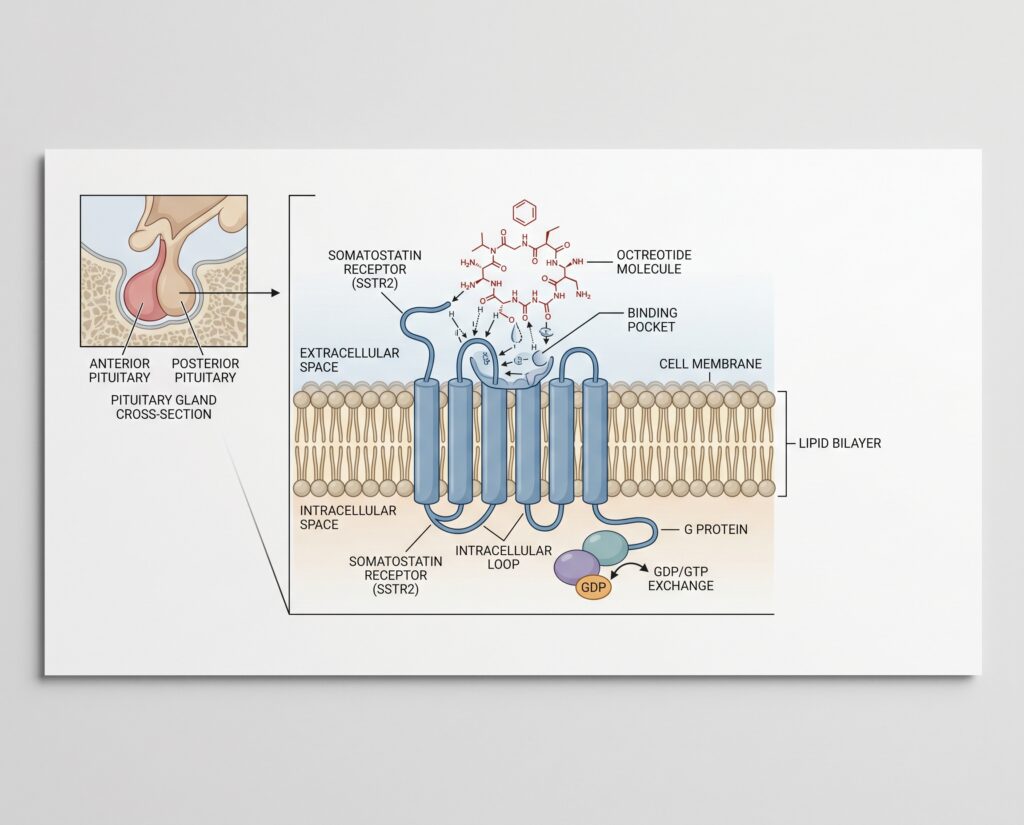
If you are considering a peptide for libido, the honest answer is: there is exactly one FDA-approved peptide for this purpose — Vyleesi (bremelanotide), cleared in 2019 for premenopausal women with a specific diagnosed condition called hypoactive sexual desire disorder (HSDD). It is a prescription-only, self-injected medication that causes nausea in roughly four out of

Peptides for Libido: Honest Look at PT-141 and What the Research Shows Read More »

Are Peptides Safe? The Honest Answer With FDA Status and Real Risks

If you've been told peptides are "safer than steroids" or "completely natural," the honest answer is: it depends entirely on which peptide, who manufactured it, and whether the FDA has ever evaluated it in a human being. That three-part qualifier matters more than almost anything else you'll read in the peptide space. Some peptides have

Are Peptides Safe? The Honest Answer With FDA Status and Real Risks Read More »

Supplements for GLP-1 Muscle Loss: What Research Says About Preserving Lean Mass

If you're losing weight on a GLP-1 and worried about losing muscle along with it, the short answer is: yes, you will lose some, and the only thing that meaningfully changes that is protein and resistance training. Supplements support, they do not replace. That distinction matters because the supplement industry has spotted a growing market

Supplements for GLP-1 Muscle Loss: What Research Says About Preserving Lean Mass Read More »

Peptides for Energy: What’s Studied, What’s Hype, and What Actually Works

If you have landed here searching for "peptides for energy," the most useful thing this article can do is be honest with you upfront: the peptides actually being researched for energy and fatigue — SS-31 (elamipretide) and MOTS-c — are experimental drugs being studied in clinical settings, not supplements you can meaningfully buy. The peptides

Peptides for Energy: What’s Studied, What’s Hype, and What Actually Works Read More »

Scroll to Top