
Why electrolytes slip on a GLP-1
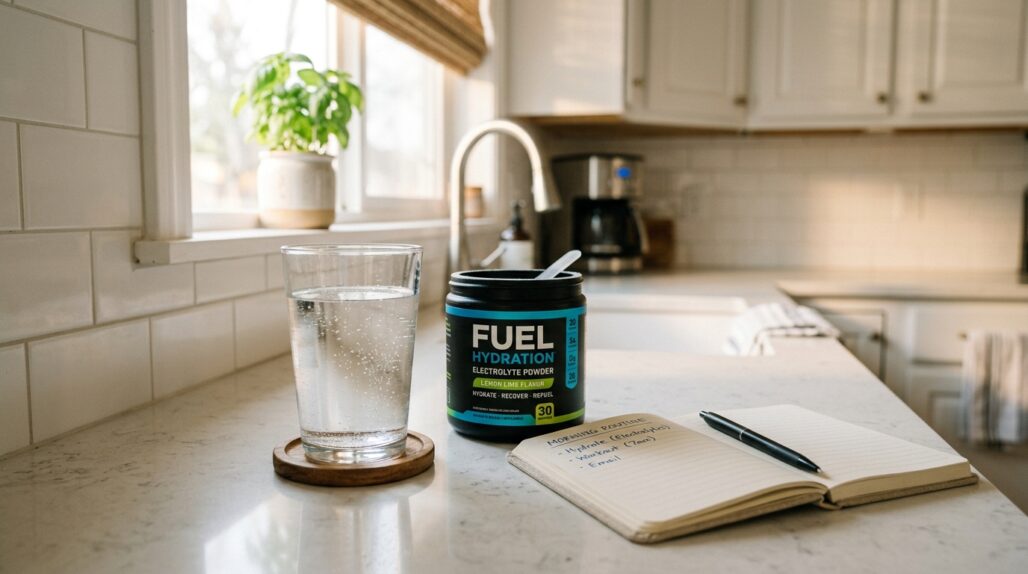
GLP-1 medications work in part by slowing your stomach and quieting your appetite. That is the point. But when you eat and drink noticeably less, you also take in less of the minerals that food and fluids normally deliver: sodium, potassium, and magnesium.
The bigger driver is what happens in your gut. Nausea, vomiting, and diarrhea are common in the first weeks and around dose increases. The FDA's semaglutide prescribing information warns that those gut reactions can cause dehydration, and in rare cases that has led to acute kidney injury. Most of those reports involved people who got dehydrated from vomiting or diarrhea. So this is not a fringe worry; it is on the label.
You do not need to panic or over-correct. For most people the fix is small and steady: a bit more fluid, a bit of salt and magnesium, and food-first potassium. The rest of this page walks through the three minerals, reasonable amounts, and a simple way to fit them into a day when your appetite is low.
The main three, and reasonable amounts
Think of three minerals doing most of the work. None of these are dosing instructions for your situation; they are general reference points to bring to your own pharmacist or doctor.
Sodium is the one people forget. Eating less means less salt, and on a lower-carb or smaller-volume plan you hold onto less water. A pinch of salt in food or a measured electrolyte serving usually covers it. For context, the CDC recommends staying under 2,300 mg of sodium a day for the general population, so this is about not dropping too low, not loading up. If you have high blood pressure, heart failure, or kidney disease, your target may be lower, which is exactly the kind of thing to confirm with your clinician.
Magnesium often runs low when food intake drops, and it is involved in muscle and nerve function, so a shortfall can show up as cramps or twitchy sleep. The NIH Office of Dietary Supplements lists an RDA of about 310 to 420 mg of magnesium a day for adults, counting food and supplements together. The same fact sheet sets a 350 mg upper limit for magnesium from supplements alone, and the limiting factor is diarrhea. On a GLP-1 that already nudges your gut, that matters: too much supplemental magnesium can make loose stools worse. Gentler forms like magnesium glycinate are easier on the stomach than magnesium oxide or citrate for many people; our full magnesium guide breaks down the forms in more detail.
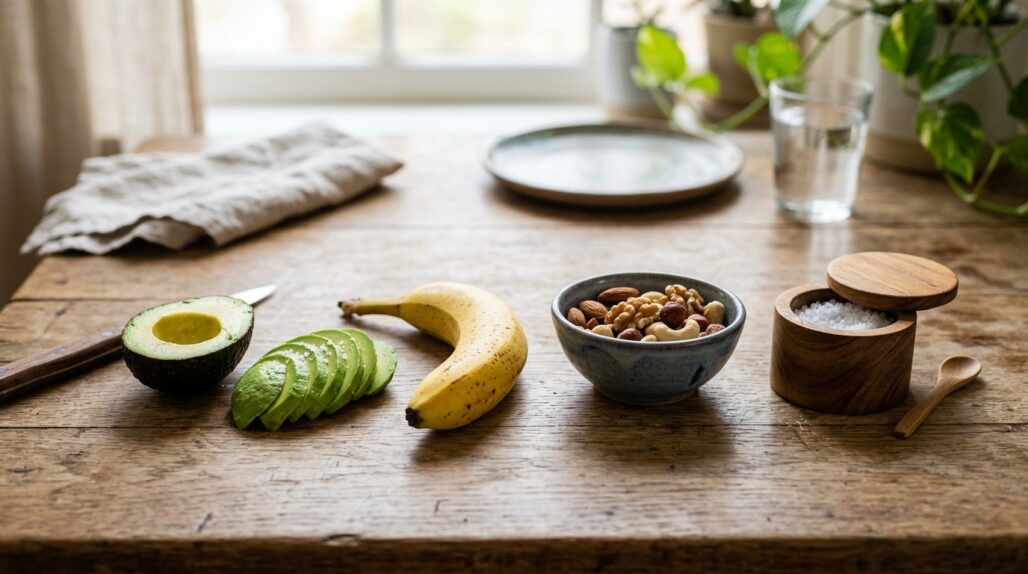
Potassium is the one to handle with care. The NIH ODS gives an Adequate Intake of 2,600 mg for women and 3,400 mg for men per day, and food is the safest way to get there: a banana, an avocado, potatoes, beans, yogurt. Here is the catch that surprises people. Over-the-counter potassium supplements are capped at about 99 mg per serving, far below the daily target, because higher single doses have been linked to small-bowel injury and because too much potassium in the blood can be dangerous. Do not try to close that gap with pills on your own.
| Mineral | Why it slips on a GLP-1 | General reference amount | Best source |
|---|---|---|---|
| Sodium | Less food, less salt, more fluid shifts | Stay under 2,300 mg a day total | Salt in food or a measured electrolyte serving |
| Magnesium | Lower food intake; nerve and muscle role | RDA 310 to 420 mg; 350 mg cap from supplements | Nuts, seeds, leafy greens; a gentle supplement form |
| Potassium | Less food; GI losses from vomiting or diarrhea | AI 2,600 to 3,400 mg; OTC pills capped at 99 mg | Food first – banana, avocado, potato, beans, yogurt |
When to take them across your day
Timing matters less than consistency here, but a few patterns help when your appetite is unpredictable.
- Spread it out. Sip an electrolyte drink across the morning and afternoon rather than downing a strong dose at once. A big cold drink on a queasy stomach can backfire.
- Pair sodium and fluid with your meals. Whatever you do eat, a little salt on it helps you hold the water you drink. This is gentler than a separate salt shot.
- Move magnesium to the evening if it loosens your stomach. Many people tolerate it better at night, and it doubles as a wind-down. If it causes diarrhea, that is a signal to cut back, not push through.
- Keep potassium in food, spread across meals. A banana at breakfast, beans or a potato at dinner. No timing tricks needed.
Shot-day and the day or two after are often the roughest stretch for nausea, so that is when a steady electrolyte habit earns its keep. If you are working out the wider rhythm of meals, supplements, and your injection, our GLP-1 timing schedule around meals and injection maps that out. The goal is to stay a step ahead of dehydration, not to react once you already feel wrung out.
A zero-app way to stay on track
You do not need anything fancy to make this stick. Here is a printable method you can copy onto an index card and tape to the fridge.
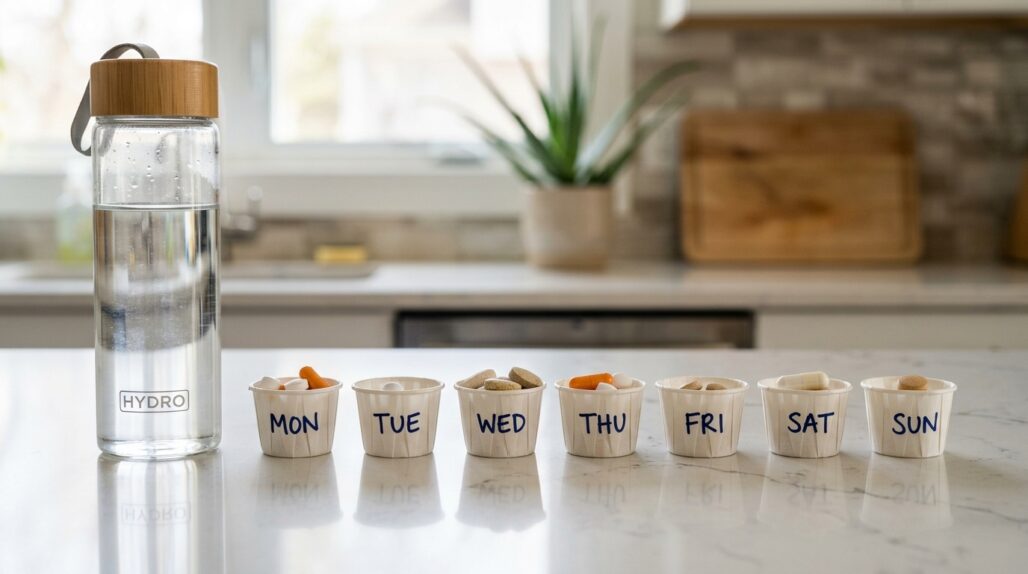
Draw seven columns for the days of the week and three rows: fluids, electrolyte serving, and potassium food. Each time you finish one, put a tick in the box. At a glance you can see whether today's serving already happened or whether you are about to double up. A simple paper grid like this, or the notes app on your phone, does the whole job.
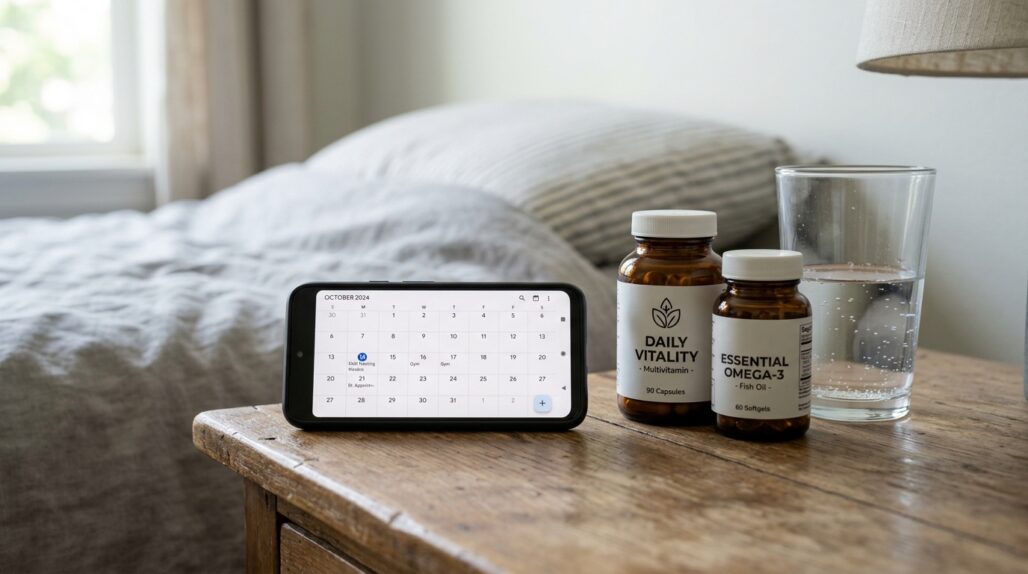
If you would rather not keep paper, this is the point where a quiet digital habit can help. Electrolytes are easy to overdo or forget depending on your shot-day pattern, and a free app we make, StackMyMed (our own free app), lets you log your daily electrolyte serving so you can see what you actually took rather than guessing – the same organizing job the index card does, just in your pocket. Whichever you pick, keep any question about whether an electrolyte product is safe with your specific medications for your pharmacist; a log shows you what you took, it does not clear a combination as safe.
The reason a record helps at all is that GLP-1 days vary. A great-appetite day and a barely-ate day look very different, and without a quick check it is easy to either skip electrolytes for a week or pile on extra "just in case." Neither is the goal.
The safety lines you should not cross
This is the part to read twice. Electrolytes are usually a gentle, helpful add-on, but two situations turn them from helpful into risky.
Do not load up on potassium on your own. If you have chronic kidney disease, or you take an ACE inhibitor, an ARB, or a potassium-sparing diuretic, your body may not clear potassium well, and high blood potassium can affect your heart rhythm. The NIH ODS flags exactly these groups. That 99 mg supplement cap exists for a reason. Any plan to add potassium beyond food belongs with your doctor, who can check a blood level if needed.
Persistent symptoms are a phone call, not a bigger scoop. Ongoing dizziness, muscle cramps that will not settle, a racing or irregular heartbeat, confusion, fainting, or being unable to keep fluids down are signs to contact your clinician or seek urgent care – not reasons to mix a stronger drink. The FDA's semaglutide label ties severe vomiting and diarrhea to dehydration and, rarely, kidney injury, so do not try to out-supplement a gut that has stopped tolerating fluids. If the nausea and constipation are the real problem, our routine for GLP-1 side effects covers more than electrolytes. And never stop, start, or change the dose of your GLP-1 on your own; that decision is your prescriber's.
For the bigger picture of what fits well with these medications, see our overview of supplements people take alongside Ozempic – though the specifics still belong with the pharmacist who knows your full list.
FAQ
Do I really need an electrolyte supplement on a GLP-1? Not always. Many people do fine with food, a little salt, and steady water. Electrolytes help most if you are eating much less than usual, having nausea or diarrhea, or noticing fatigue, headaches, or cramps. If you are unsure, ask your pharmacist what fits your situation.
Are sugar-free electrolyte powders okay since I am trying to lose weight? The sugar content is a minor issue compared with getting the minerals right. Plenty of low- or no-sugar options exist. Check the sodium and potassium amounts on the label, and bring any high-potassium product to your pharmacist if you take blood-pressure or kidney medications.
How much water should I drink? There is no single number, but a useful aim is pale-yellow urine and not feeling thirsty for long stretches. Sip across the day rather than forcing large amounts at once, which can worsen nausea. If you cannot keep fluids down, that is a medical issue, not a hydration tweak.
Can I just eat more salty food instead of a powder? Often, yes. A bit of salt on the food you do eat, plus potassium-rich foods like avocado, beans, and potatoes, covers a lot of ground. Powders are mainly a convenience when your appetite is too low to eat much.
Is magnesium going to make my constipation or diarrhea worse? It can go either way. Some forms loosen stools, which can help GLP-1 constipation but worsen diarrhea. Start low, take it in the evening, and back off if your gut reacts. The supplemental upper limit is 350 mg a day for this reason.
Should I take electrolytes right around my injection? There is no special injection-timing rule for electrolytes. What helps is being steady on the day or two after your shot, when nausea tends to peak. Keep your routine simple and consistent rather than chasing the clock.
The bottom line
On a GLP-1, the most useful move is a small, steady electrolyte habit: sip fluids with a little sodium and magnesium across the day, get your potassium from food, and lean on it a bit more when nausea hits. Track it on an index card or your phone so you can see what you actually took. The one hard line is potassium – do not supplement it on your own, especially with kidney disease or blood-pressure or water pills. And if dizziness, cramps, palpitations, or vomiting persist, that is a call to your doctor or pharmacist, who can tailor all of this to you.
This article is general information, not medical advice. It does not replace guidance from your own pharmacist, doctor, or prescriber, who know your full medication list and health history. Do not start, stop, or change a prescription on your own.
StackMyMed is made by UsefulVitamins. It helps you organize your list and flag things to discuss with a pharmacist or doctor; it is not a diagnosis or treatment tool and does not replace professional medical advice.
Reviewed by the UsefulVitamins Editorial Team.
