
Choosing Garden of Life supplements can be a smart move if you want vitamins and probiotics with strong third-party certifications and a “whole food” ingredient philosophy – but they are not automatically better than well-made synthetic formulas. This article breaks down what Garden of Life actually does well (and where the marketing can get ahead of the evidence), how to read their labels, and which product lines tend to fit different goals like digestion, energy, pregnancy, sport testing, or plant-based diets.
Affiliate disclosure: this article contains affiliate links. As an Amazon Associate, UsefulVitamins.com earns from qualifying purchases at no extra cost to you.
Summary / Quick Answer
Are Garden of Life supplements worth it? Often yes – if you value organic sourcing, clean-label formulas, and added probiotics/enzymes, and you are willing to pay more for those extras.
Quick decision guide (snippet-friendly):
- Best for: people who want whole food-style multis, vegan/organic options, and gut-support add-ons (probiotics, enzymes)
- Look for: USDA Organic, Non-GMO Project Verified, and NSF Certified for Sport on products where it matters
- Potential downsides: higher cost, some blends are “nice to have” not “need to have,” and some multis under-dose minerals like magnesium
- Bottom line: Garden of Life supplements can be high-quality, but the “whole food” concept is not a guarantee of better absorption for every nutrient
| If you want… | A Garden of Life line that often fits | What to double-check on the label |
|---|---|---|
| An organic, vegan multi | mykind Organics | %DV for iron, iodine, magnesium |
| A multi with probiotics + enzymes | Vitamin Code | capsule count and serving size |
| High-potency vitamin D | Raw Vitamin D3 | your total daily IU from all sources |
| Sport-tested options | NSF Certified for Sport items | the NSF mark on that exact product |
What sets Garden of Life apart (and what it doesn’t)
Garden of Life built its reputation on a simple promise: supplements made from real-food sources, with clean certifications and minimal “junk.” That resonates with shoppers who have had bad experiences with harsh additives, stomach upset, or confusing labels.
Still, “whole food” can mean different things in practice. Sometimes it refers to nutrients extracted from foods. Other times it means adding fruit and vegetable powders alongside standard vitamin forms. The difference matters, because it affects expectations around absorption and results.
The brand’s big differentiators
Here’s what typically separates Garden of Life from many mainstream supplement brands:
- Certifications people actually look for: Many items are USDA Organic and Non-GMO Project Verified, and some are NSF Certified for Sport (important if banned-substance testing matters). Healthline’s overview highlights these quality and dietary-friendly features across multiple lines in their independent Garden of Life review.
- Targeted product families: Instead of one “one-a-day” multi, they offer lines for women, men 50+, prenatal needs, kids, and athletes.
- Add-ons inside formulas: It’s common to see probiotics, digestive enzymes, and fruit/vegetable blends included in multis and single nutrients.
What it doesn’t automatically guarantee
The most common assumption is: whole food vitamins = better absorbed. Reality is more cautious.
Absorption depends on the nutrient form, dose, timing (with or without fat), your gut health, and whether you’re deficient. For many nutrients, high-quality synthetic forms can work very well. To sanity-check any label claims, it helps to understand what “quality” looks like in general – not just for one brand. A helpful starting point is Supplement Quality Indicators: How to Choose Safe Products.
Visual checklist: “Whole food” marketing vs practical value
| Label phrase | What it might mean | The practical question to ask |
|---|---|---|
| “Whole food” | nutrients paired with food powders or extracts | Are key nutrients dosed to meaningful %DV? |
| “Raw” | minimal processing claim | Does the product have third-party testing? |
| “Probiotic blend” | added strains and CFUs | Are strains listed and is storage stable? |
| “Enzyme blend” | added digestive enzymes | Do you actually need enzymes, or just a lower dose? |
Actionable takeaway: treat “whole food” as a preference, not proof. Use the label to confirm dose, form, and testing.
Best Garden of Life product lines (and who they’re for)
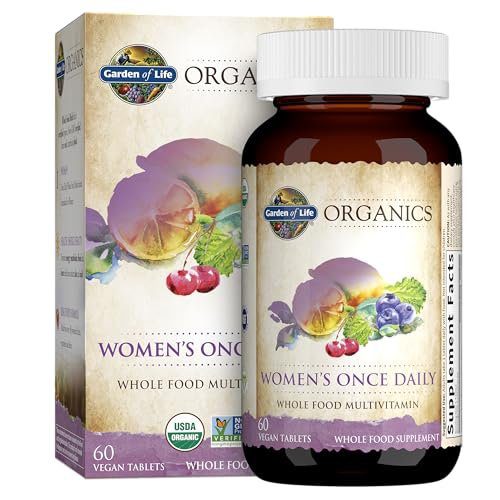
Garden of Life Organics Multivitamin for Women – Women’s Once Daily Multi – Whole Food Multi with Iron, Biotin, Vegan Organic Womens Multivitamin for Health, Energy Hair Skin and Nails, 60 Tablets
This is an organic, vegan once-daily multivitamin for women from Garden of Life, made from whole foods with iron, biotin, and over 30 certified organic fruits, vegetables, and herbs. It comes as 60 tablets, providing key nutrients like B vitamins for energy, skin, and nails in a single tablet. Aligns with recommendations for whole food-style multis that fit clean, plant-based routines.
Most people don’t need “the best supplement brand.” They need the best fit for their goal, diet, and budget. Garden of Life’s catalog can feel crowded, so it helps to start with the main families and what they’re trying to do.
Vitamin Code: multis with probiotics + enzymes
Vitamin Code products often combine vitamins and minerals with:
- probiotic strains (commonly Lactobacillus and Bifidobacterium species)
- digestive enzymes (like lipase and protease)
- fruit and vegetable blends
Many users specifically choose Vitamin Code for digestion support and “gentler” multis. Review patterns on large retailers often mention energy, skin, nails, and bowel regularity – but keep in mind those are experiences, not clinical outcomes. You can see typical consumer feedback patterns in aggregated retailer review pages like Walmart customer reviews for Garden of Life women’s formulas and another Garden of Life women’s multivitamin review listing.
mykind Organics: organic and vegan-friendly
mykind Organics is the line most aligned with strict organic and plant-based preferences. It’s often chosen by people who want:
- USDA Organic sourcing
- vegan formulations
- a “food-derived” positioning for common nutrients
Healthline’s brand overview notes this line as a go-to for people avoiding artificial fillers and aiming for organic certification in their supplement routine via their Garden of Life product roundup.
Raw Vitamin D3: high potency with extra blends
Garden of Life’s Vitamin D products are often higher-dose and include additional blends (fruit/veg powders, probiotics, enzymes). A 2026 evaluation from a sports nutrition review site rated their D formula highly for its add-ons, while noting the price tradeoff in their Garden of Life Vitamin D review.
Important: vitamin D is one nutrient where dose can add up fast if you also take a multivitamin, a calcium-D combo, or a “bone support” product.
Visual: Which line matches which shopper?
| Your priority | Line that usually matches | Best next step |
|---|---|---|
| Organic + vegan | mykind Organics | confirm iron/iodine and serving size |
| Digestion-friendly multi | Vitamin Code | check probiotic details and capsule count |
| High-dose D | Raw Vitamin D3 | confirm total IU/day and test levels if needed |
| Third-party sport testing | NSF Certified for Sport items | verify the NSF mark on the exact SKU |
Actionable takeaway: start with your goal, then pick the line. Don’t pick a line first and hope it solves the goal.
How to judge quality: certifications, sourcing, and label transparency
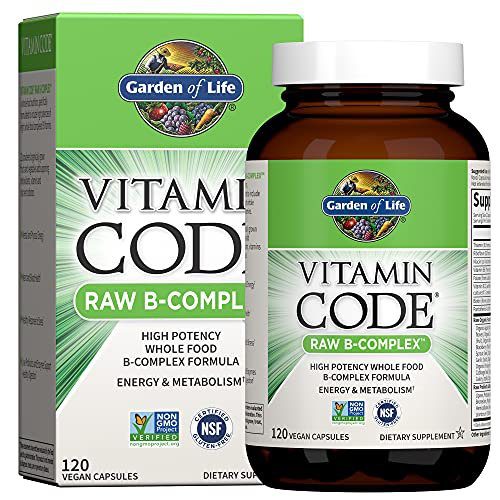
Garden of Life Vitamin Code Raw One for Women, 75 Capsules
Garden of Life Vitamin Code Raw One for Women earns a solid 4.6/5 from over 2,800 Amazon reviews for its raw, whole-food multivitamin formula supporting women’s energy, hormones, and immunity with probiotics and enzymes. Reviewers love the once-daily convenience and clean profile, though some note pill size and mild digestive issues; Reddit echoes quality praise with minor potency critiques. At ~$25 for 75 capsules (~$0.33/day), it’s a strong affiliate pick for natural women’s multis lacking third-party seals but backed by brand testing.
Geology Rocks Shirt Geology Wait I See A Rock Geologist Tee Mens Purple S
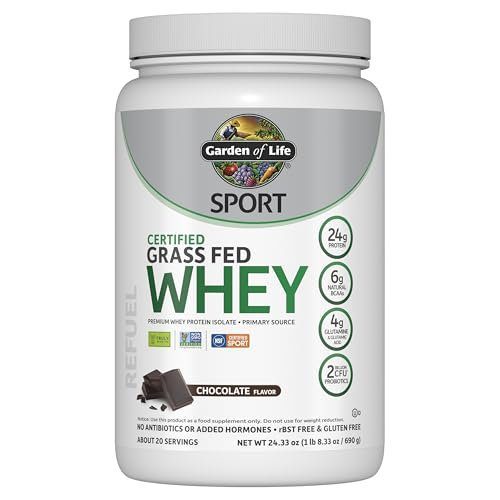
Garden of Life Sport Protein Powder in Chocolate (1.5 lb) earns a solid 4.6-star rating from over 1,200 Amazon reviews, lauded for its organic, plant-based formula delivering 30g protein per serving without artificial additives. NSF Certified for Sport ensures purity, making it ideal for athletes seeking a clean vegan protein. While pricier at ~$30, its taste, mixability, and quality justify the cost for those prioritizing certified, grass-fed pea protein blends.
If you’re comparing brands, the most useful question is not “Is this organic?” It’s “Can I verify what’s in it, and does the dose match my need?” Garden of Life often performs well here, but you still need to read the fine print.
The certifications that matter most
Look for these signals on the actual bottle you’re buying:
- USDA Organic: indicates organic agricultural standards for ingredients that qualify.
- Non-GMO Project Verified: focuses on GMO avoidance and traceability.
- NSF Certified for Sport: especially relevant for athletes who want added confidence around banned substances.
Not every product in a brand’s catalog carries every certification. That’s normal. It just means you should verify product-by-product.
Label transparency: what to check in 60 seconds
A fast label scan can prevent most supplement mistakes:
- Serving size – is it 1 capsule or 4?
- % Daily Value – are key nutrients meaningfully dosed or sprinkled in?
- Forms of nutrients – for example, vitamin D3 vs D2, methylated vs non-methylated B vitamins (if relevant to you).
- Minerals often under-dosed – magnesium is a common one in multivitamins because it takes up a lot of capsule space.
- Proprietary blends – are amounts disclosed, or hidden in a blend total?
If you want a step-by-step walkthrough, keep How to Read Supplement Labels: A Complete Guide open while you shop. It’s one of the easiest ways to avoid buying a “great sounding” formula that’s light on the nutrients you actually need.
Visual: quick label scorecard you can use while shopping
| Category | Green light | Yellow light | Red light |
|---|---|---|---|
| Serving size | 1-2 caps fits routine | 3-4 caps, doable | so many caps you skip doses |
| Doses | most key nutrients near DV | mixed dosing | “pixie dust” doses |
| Testing | NSF/third-party seals | limited info | vague quality claims only |
| Blends | amounts listed | partial transparency | proprietary blend hides everything |
Actionable takeaway: certifications build trust, but label math determines usefulness.
Do whole food vitamins absorb better? What evidence can (and can’t) say
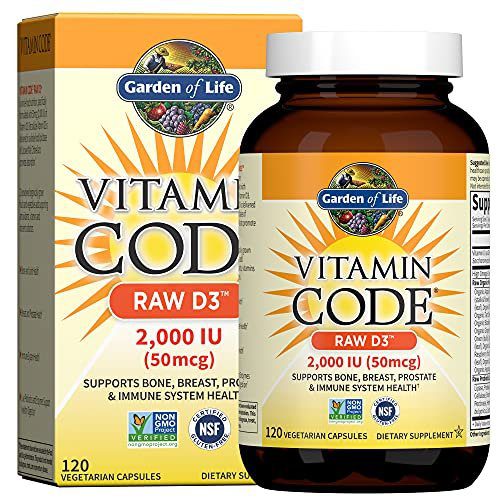
Garden of Life Vitamin D, Vitamin Code Raw D3, Vitamin D 2,000 IU, Raw Whole Food D3 Supplements with Chlorella, Fruit, Veggies & Probiotics for Bone & Immune Health, 120 Vegetarian Capsules
Garden of Life Vitamin Code Raw D3 delivers 2,000 IU of whole food vitamin D3 in 120 vegetarian capsules, with cracked wall chlorella for absorption, 23 organically grown fruits and veggies, and live probiotics plus enzymes. It’s Non-GMO Project Verified and NSF Gluten Free, aimed at bone and immune health. No ratings, reviews, or price data available from search results—check Amazon for current details.
This is where many shoppers want a clear yes or no. The honest answer is: it depends, and the brand-specific evidence is limited.
Garden of Life supplements often combine vitamins with plant powders, enzymes, and probiotics. That could support digestion for some people, and it may provide helpful cofactors. But it doesn’t automatically prove superior absorption compared with a well-formulated “standard” supplement.
What “whole food” may do in practice
Think of whole food-style formulas like a meal plus a multivitamin, compressed into capsules. You may get:
- phytonutrients (from fruit/vegetable blends)
- small amounts of naturally occurring compounds that accompany nutrients in foods
- better tolerance for some users who dislike certain additives
That said, many nutrients in supplements are still isolated compounds, even when paired with food powders. The benefit may be more about clean formulation and tolerance than a measurable absorption advantage.
Where the science is clearer: the nutrient itself
For some nutrients, the broader science is strong regardless of brand.
Vitamin D is a good example. Evidence supports its role in bone health and its importance for people with low levels, limited sun exposure, or higher needs. For consumer-friendly guidance on dosing, safety, and upper limits, the NIH Office of Dietary Supplements vitamin D fact sheet is one of the most reliable references.
So if you choose a Garden of Life D3, you’re mostly choosing:
- a specific dose (sometimes high)
- added blends (probiotics, enzymes, fruit/veg)
- a sourcing and certification style
You’re not choosing a fundamentally different “vitamin D effect.”
Visual: expectation setting for “whole food” formulas
| Claim you might hear | A more accurate expectation |
|---|---|
| “Whole food absorbs better” | may be similar, sometimes better tolerated |
| “Probiotics fix digestion” | may help some people, strain and dose matter |
| “Enzymes prevent bloating” | helpful for some, unnecessary for others |
| “More ingredients = better” | sometimes it’s just more variables |
Actionable takeaway: choose based on your needs (dose, tolerance, testing) rather than assuming whole food automatically wins.
Common mistakes and misconceptions (so you don’t waste money)
Even high-quality supplements can disappoint if expectations are off or the product doesn’t match the problem. Here are the most common issues seen with Garden of Life-style formulas, plus what to do instead.
Misconception 1: “If it’s expensive, it must work better”
Price often reflects:
- organic sourcing and certification costs
- added blends (probiotics, enzymes, superfood powders)
- more complex manufacturing and testing
That can be worthwhile. But it doesn’t guarantee you’ll feel a difference, especially if you weren’t deficient or the dose is not aligned with your needs.
Practical fix: decide what you’re paying for. If you mainly need vitamin D, a simpler formula may be fine. If you value organic and gut-support add-ons, the premium may make sense.
Misconception 2: “Added probiotics and enzymes are a cure-all”
Some people report improvements in regularity, comfort, or “less heaviness” with multis that include probiotics and enzymes. But outcomes vary widely, and many factors affect digestion (fiber intake, hydration, stress, meal timing).
Practical fix: treat probiotics/enzymes as optional tools, not the foundation. If digestion is your main issue, you might do better with a targeted probiotic rather than a multivitamin with a small blend.
Misconception 3: “All Garden of Life products taste neutral”
Capsules are usually easy. Powders are more polarizing. Taste complaints show up more often with greens and proteins than with capsules, based on broad consumer feedback patterns in places like iHerb customer reviews for Vitamin Code Women.
Practical fix: if you’re sensitive to flavor, start with capsules or buy the smallest powder size first.
Misconception 4: “A multivitamin covers everything”
Multis can leave gaps, especially for minerals that require larger doses (magnesium) or for nutrients you personally need more of (iron for some menstruating people, iodine for those avoiding iodized salt, B12 for vegans).
Practical fix: use a multivitamin as a base, then add only what your diet and labs support.
Visual: quick “avoid wasting money” checklist
- If you want energy: check iron, B12, sleep, and calories first
- If you want better skin/hair/nails: look for adequate protein and iron before mega-dosing biotin
- If you want better digestion: assess fiber and hydration before stacking probiotics
- If you want immune support: confirm vitamin D status and adequate zinc intake
Actionable takeaway: match the supplement to the bottleneck. Most “failures” are mismatch, not bad products.
Settled on one? StackMyMed (our companion app) lets you scan the label and log it into your routine, then watches for overlaps and interactions across your whole cabinet.
Conclusion: a practical way to choose the right product
Garden of Life supplements are often a solid choice for people who value organic sourcing, dietary-friendly formulas, and third-party certifications. The main tradeoff is cost, and the main pitfall is assuming “whole food” automatically means better absorption or better results.
A practical next step is to shortlist 2-3 options, then compare serving size, %DV, nutrient forms, and certifications side by side. If you want help benchmarking against other multis, use Best Multivitamins Comparison. And if you’re deciding between brands with similar philosophies, Garden of Life vs. New Chapter: Which Multivitamin Wins? can help clarify the differences.
For broader brand-to-brand context, see Thorne vs. Pure Encapsulations: Which Brand Wins? to understand what “premium” looks like when the focus is less on organic and more on clinical-style formulations.
As an Amazon Associate, I earn from qualifying purchases. Product recommendations are based on real reviews and independent research.
