
If you're wondering whether you can take ashwagandha and rhodiola together, the short answer is: often yes, because they work through different primary mechanisms, but the decision isn't automatic — mechanism category, dose timing, and your current medications all matter. This article breaks down how adaptogens sort into mechanism groups, which combination patterns create real risks versus theoretical ones, and what a drug-interaction screen looks like before you add a second or third herb. You will also get a practical interaction reference table covering the eight most commonly stacked adaptogens, and honest guidance on which combinations have some evidence behind them and which are internet folklore.
Affiliate disclosure: this article contains affiliate links. As an Amazon Associate, UsefulVitamins.com earns from qualifying purchases at no extra cost to you.
Summary: quick answer on stacking adaptogens safely
Combining two adaptogens from different mechanism categories — for example, an HPA modulator with a CNS modulator — is generally lower-risk than stacking two herbs that work on the same pathway. The problem is that most stacking advice online ignores both mechanism overlap and drug interaction profiles.
Best-fit candidates for stacking: Adults with no prescription medications who want to address two distinct physiological targets simultaneously (e.g., chronic cortisol plus cognitive support). Different-mechanism stacks like ashwagandha plus lion's mane have no identified pharmacological conflict.
Not ideal without prescriber screening: Anyone on thyroid medication, antidepressants, anticoagulants, diuretics, statins, or immunosuppressants. Each adaptogen in a stack adds an independent interaction risk that compounds with your medication list.
What to look at before stacking: Your current medication list, your cortisol pattern (morning vs. evening dysregulation), and whether you have confirmed what each product's standardized marker compound actually is. Two "ashwagandha" products at different doses create a confounded picture if one works and the other doesn't.
Decision shortcut: Start one adaptogen at a time, at clinical-trial doses, for at least four weeks before adding a second. That's the only way to attribute benefits or side effects to a specific herb.
What you'll find in this guide
- How adaptogens sort into mechanism categories
- Combination patterns that create real risk
- Combination patterns with reasonable evidence
- Drug interaction reference table
- Who should not stack without prescriber review
- How to stack if you decide to proceed
- Frequently asked questions
How adaptogens sort into mechanism categories {#mechanism-categories}
The single most useful frame for thinking about adaptogen stacking is mechanism category. Adaptogens that work on the same biological pathway can produce additive or antagonistic effects when combined. Adaptogens that work on different pathways are more likely to be complementary.
Three categories cover most of the commonly used herbs:
HPA-axis modulators
The hypothalamic-pituitary-adrenal (HPA) axis governs the cortisol stress response. Adaptogens in this group primarily influence cortisol output, DHEA-S levels, and stress-signaling sensitivity.
Primary members: ashwagandha (Withania somnifera), rhodiola (Rhodiola rosea), holy basil / tulsi (Ocimum sanctum), eleuthero (Eleutherococcus senticosus).
The mechanism evidence for ashwagandha's HPA effects comes primarily from three human RCTs. In a 2012 placebo-controlled RCT (Chandrasekhar et al., n=64), 60 days of KSM-66 ashwagandha (300mg twice daily) reduced serum cortisol by 28% versus placebo and perceived stress by 44%. A 2017 RCT (Choudhary et al., n=60) replicated the anxiety-reduction finding using the same KSM-66 extract. Rhodiola's HPA influence is somewhat different: in a 2009 Phase III RCT (Olsson et al., n=60) using the SHR-5 extract at 576mg/day for 28 days, participants showed statistically significant fatigue reduction, with the proposed mechanism centering on HPA-axis normalization rather than direct cortisol suppression.
Stacking two HPA modulators — say, ashwagandha plus holy basil — runs the risk of additive cortisol suppression. That sounds desirable, but most of the evidence for HPA adaptogens comes from participants with elevated chronic stress. People with already-low cortisol (common in late-stage burnout) who suppress further can experience worsening fatigue and cognitive fog. Mechanism overlap is not always a safety risk, but it is a variable you cannot predict without knowing your baseline cortisol pattern.
Immune modulators
These herbs primarily interact with innate and adaptive immune signaling. Their mechanistic overlap with HPA modulators is indirect (immune and cortisol systems do interact), but their primary pharmacological target is different.
Primary members: astragalus (Astragalus membranaceus), reishi (Ganoderma lucidum), turkey tail (Trametes versicolor), elder (Sambucus spp.).
The evidence quality here is more limited than for HPA modulators. Most human data for astragalus comes from cardiovascular and cancer-supportive contexts rather than standalone adaptogen use. The NCCIH astragalus overview notes that while it has been studied for immune support, human trial data are inconsistent and most trials are methodologically limited.
For anyone on immunosuppressants (tacrolimus, cyclosporine, mycophenolate, biologics like adalimumab), stacking any immune modulator — alone or in combination — is a drug interaction risk. The concern is that immune-stimulating herbs can partially counteract immunosuppressive drugs, which are often prescribed for organ transplant maintenance or autoimmune conditions where a reduced immune response is medically necessary.
CNS modulators
These adaptogens primarily influence neurogenesis, neurotransmitter signaling, or cognitive function rather than HPA-axis cortisol or immune pathways.
Primary members: lion's mane (Hericium erinaceus), bacopa (Bacopa monnieri), gotu kola (Centella asiatica).
Lion's mane is the most studied in this category for human cognitive outcomes. A 2009 RCT (Mori et al., n=30) showed statistically significant improvement on the Hasegawa Dementia Scale in older adults with mild cognitive impairment after 16 weeks of 3g/day dried fruiting body powder versus placebo. The proposed mechanism involves nerve growth factor (NGF) stimulation by hericenones and erinacines. No direct HPA-cortisol effects have been established in human trials.
Actionable takeaway: The most rational stacking approach starts by identifying which mechanism category matches your primary complaint, then asking whether a second herb targets a genuinely distinct pathway. Two HPA modulators for a stress complaint is mechanism redundancy. An HPA modulator plus a CNS modulator for stress-plus-brain-fog is mechanism complementarity.
Combination patterns that create real risk {#risky-combinations}
The internet's enthusiasm for "adaptogen stacks" rarely distinguishes between combination patterns that carry genuine pharmacological risk and those that are merely redundant. These are the combinations worth knowing specifically:
Ashwagandha plus valerian (additive CNS sedation)
Ashwagandha has documented GABA-receptor activity. The Memorial Sloan Kettering integrative herbs database notes that withanolides interact with GABA-A receptor pathways, which partially accounts for ashwagandha's anxiolytic and sleep-promoting effects. Valerian root also operates partly through GABAergic mechanisms. Combining them creates additive sedation that can meaningfully impair alertness and driving ability, particularly at the higher end of the clinically studied dose ranges. The risk intensifies if either herb is combined with benzodiazepines, sleep aids, or alcohol.
Rhodiola plus caffeine or stimulants (overstimulation)
Rhodiola has a well-characterized biphasic dose effect: lower doses tend to produce alerting and fatigue-reducing effects, while higher doses can cause jitteriness and insomnia. This biphasic profile makes rhodiola particularly sensitive to co-stimulation. Per Memorial Sloan Kettering's rhodiola herb entry, combining rhodiola with central nervous system stimulants can produce additive stimulant effects. People who drink significant amounts of coffee or take ADHD medications should start rhodiola at a lower dose and at a distinct time from stimulant intake before attempting any stack.
Licorice root plus diuretics (potassium depletion)
Licorice root contains glycyrrhizin, which has a well-established mineralocorticoid effect — it raises blood pressure and promotes potassium excretion through the same pathway as aldosterone. Combining licorice with thiazide or loop diuretics (common in hypertension management) can produce clinically significant hypokalemia (low potassium). The NCCIH licorice fact sheet specifically flags this interaction. People on any antihypertensive medication should avoid licorice root entirely, not just avoid combining it with diuretics.
Schisandra plus statins (CYP3A4 inhibition)
Schisandra berries contain lignans that inhibit cytochrome P450 3A4 (CYP3A4), the liver enzyme responsible for metabolizing a large proportion of prescription drugs — including statins like atorvastatin and simvastatin. CYP3A4 inhibition slows statin clearance, raising plasma statin levels and increasing the risk of myopathy or, in severe cases, rhabdomyolysis. This is not a theoretical concern: schisandra-drug interactions via CYP3A4 are documented in the pharmacology literature. Per the NCCIH schisandra overview, anyone taking CYP3A4-metabolized medications should avoid schisandra without explicit prescriber clearance.
A simple way to judge your statin risk without a pharmacology PhD: if your statin prescription label says "avoid grapefruit juice," your statin is metabolized by CYP3A4, and schisandra carries the same inhibition risk.
Combination patterns with reasonable evidence {#reasonable-stacks}
Not every adaptogen combination is a risk. Two stacks have a reasonable mechanistic rationale and no identified pharmacological conflict, though the caveat is that neither has been tested as a combination in a dedicated human RCT:
Ashwagandha plus lion's mane
Ashwagandha targets the HPA axis (cortisol and stress signaling). Lion's mane targets NGF synthesis and CNS support. These are distinct primary pathways with no identified inhibitory or additive interaction. The combination makes practical sense for someone experiencing both chronic cortisol dysregulation and cognitive symptoms (brain fog, poor concentration) that they want to address simultaneously.
The evidence for each individually is reasonable for a dietary supplement. Neither has been tested together in an RCT. But traditional use is not the same as RCT evidence, and "no identified conflict" is not equivalent to "studied and found safe in combination." Start one at a time, confirm individual tolerability, then add the second.
Rhodiola in the morning, ashwagandha in the evening
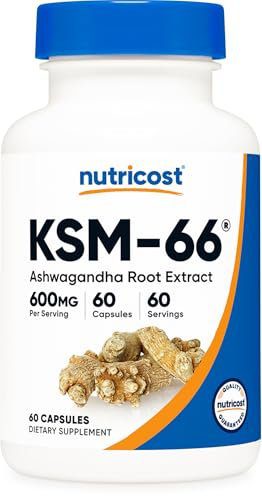
This is a timing-based protocol that exploits the different functional profiles of each adaptogen. Rhodiola's alerting, fatigue-reducing effect is better suited to morning use (in the Olsson 2009 RCT, dosing was in the morning). Ashwagandha's anxiolytic and sleep-supporting effects align with evening dosing — in the Salve 2019 RCT (PMID 32021735), the KSM-66 intervention improved both cortisol and sleep quality, with evening dosing a common clinical practice.
The combined mechanistic load on the HPA axis is a consideration, but morning-rhodiola-plus-evening-ashwagandha represents different points in the cortisol curve rather than simultaneous dual HPA suppression. The practical risk here is less about drug interaction and more about individual HPA sensitivity, which varies considerably.
Actionable takeaway: "Reasonable" means mechanistically distinct pathways with no identified interaction — not "proven safe in combination." No adaptogen stack has been tested as a combination in a dedicated human RCT as of 2026.
Drug interaction reference table {#drug-interaction-table}
This table summarizes the interactions most relevant to the eight most commonly stacked adaptogens. It is a screening tool, not a clinical decision instrument. If your medication appears in the interaction column, that is a prompt to speak with a pharmacist or prescriber before adding the herb, not a guarantee of harm.
| Adaptogen | Mechanism category | Key documented interactions | Risk level | Source |
|---|---|---|---|---|
| Ashwagandha | HPA modulator | Thyroid medication (TSH suppression); immunosuppressants (immune modulation); sedatives/benzodiazepines (additive CNS depression); anticoagulants (theoretical platelet effect) | Moderate-high if on flagged meds | MSK database; NCCIH |
| Rhodiola | HPA modulator | CNS stimulants (additive effect); antidiabetics (blood glucose lowering); MAO inhibitors (theoretical) | Moderate if on stimulants or diabetes meds | MSK database |
| Holy basil | HPA modulator | Thyroid medication (thyroid hormone interference documented in animal models); anticoagulants; diabetes medications | Moderate if on thyroid or diabetes meds | NCCIH holy basil; MSK holy basil |
| Schisandra | Hepatoprotective / HPA support | CYP3A4 substrates (statins, calcium channel blockers, many immunosuppressants, some antidepressants) — inhibition raises plasma drug levels | High if on any CYP3A4-metabolized drug | NCCIH schisandra |
| Licorice root | HPA modulator (cortisol potentiator) | Diuretics (potassium depletion); antihypertensives (blood pressure elevation); corticosteroids (mineralocorticoid potentiation); anticoagulants | High for hypertension and diuretic users | NCCIH licorice |
| Eleuthero | HPA modulator | Anticoagulants (bleeding risk); digoxin (may alter plasma levels — documented case reports); immunosuppressants | Moderate; significant for digoxin users | MSK eleuthero |
| Lion's mane | CNS modulator | Anticoagulants (theoretical platelet effect based on in vitro data); no major interactions documented in human studies | Low in otherwise healthy adults | MSK lion's mane |
| Reishi | Immune modulator | Immunosuppressants (immune stimulation may counteract); anticoagulants (additive bleeding risk in some case reports); antihypertensives | Moderate if on immunosuppressants | MSK reishi |
An adaptogen brand can have impressive marketing and still say nothing about which of these interactions applies to their specific extract and dose. The interaction column above applies to the herb regardless of branding.
Who should not stack without prescriber review {#who-should-not-stack}
Strong fit for prescriber check before stacking:
- Anyone on thyroid medication (levothyroxine, liothyronine, methimazole). Ashwagandha, holy basil, and eleuthero all have documented or suspected thyroid-hormone interactions.
- Anyone on immunosuppressants (organ transplant recipients, people with autoimmune conditions taking biologics or calcineurin inhibitors). Immune-modulating adaptogens carry direct pharmacological conflict.
- Anyone on anticoagulants (warfarin, rivaroxaban, apixaban). Multiple adaptogens have theoretical or documented platelet or coagulation effects.
- Anyone on statins metabolized via CYP3A4. Schisandra specifically; potentially others with CYP enzyme activity.
- Anyone in the first trimester of pregnancy. Most adaptogens lack human gestational safety data. Animal studies for some herbs (holy basil, licorice) raise uterotonic concerns.
- Anyone with an active autoimmune condition, even if not on immunosuppressants. Immune-modulating herbs can flare autoimmune activity.
- Anyone on psychiatric medication (SSRIs, SNRIs, MAOIs, antipsychotics). Interactions are not uniformly documented but serotonin-pathway herbs and CNS-active adaptogens can add unpredictable pharmacodynamic load.
That may be appropriate caution for a single adaptogen, but with a stack, each additional herb compounds the interaction surface. Two low-risk herbs used together can still create a high-risk interaction if both affect the same enzyme system or pathway.
How to stack if you decide to proceed {#how-to-stack}
If you are not on the medications listed above and want to combine two adaptogens, a structured approach reduces the ambiguity:
Step 1: Choose herbs from different mechanism categories. HPA modulator plus CNS modulator is the lowest-conflict combination. Two HPA modulators requires understanding why you need two cortisol-targeting herbs at once.
Step 2: Start one herb alone for four weeks at the clinical-trial dose. Do not add a second herb until you have confirmed tolerability and noted baseline effects. Adding two herbs simultaneously makes attribution impossible.
Step 3: Check whether both products disclose standardized marker compounds. "Ashwagandha root powder 500mg" and "KSM-66 600mg standardized to 5% withanolides" are fundamentally different products. Stacking is meaningless if you don't know what you're actually taking.
Step 4: Apply the decision table before committing.
| Question | Your answer |
|---|---|
| Is your stress chronic (3+ months) or situational? | |
| Are you on any prescription medication? | |
| Have you taken each herb individually and confirmed tolerability? | |
| Do both products list standardized marker compounds with percentages? | |
| Are the two herbs from different mechanism categories? | |
| Have you ruled out the specific drug interactions listed in the table above? |
If any prescription medication appears in your answer to question 2, stop and consult your pharmacist or prescriber with the specific herb names before proceeding.
Actionable takeaway: The two-herb maximum is a practical rule, not a pharmacological threshold. The interaction surface grows with each additional herb, and most stacking protocols with three or more adaptogens have no human evidence base at all.
Conclusion: the bottom line on stacking adaptogens safely
Adaptogens are not interchangeable, and the assumption that more herbs automatically produce better outcomes is not supported by the evidence. The core principle for safe stacking is mechanism category: two herbs targeting the same biological pathway compound risk without necessarily compounding benefit. Two herbs targeting distinct pathways — particularly an HPA modulator and a CNS modulator — have a more defensible mechanistic rationale.
But mechanism is only half the picture. Drug interaction profiles are the other half, and they matter more for stacking than most online guides acknowledge. Each adaptogen in a stack adds an independent interaction surface that multiplies against your medication list.
Next steps:
- For a broader overview of which adaptogens have the strongest evidence base, see Best Adaptogens for Stress: A Practical 2026 Guide
- For a comprehensive reference on adaptogen-drug interactions organized by medication class, see Adaptogens and Medications: The Complete Interaction Reference
- For timing guidance on when to take specific adaptogens during the day, see Morning vs. Evening Adaptogens: Timing Your Stack for Your Cortisol Curve
- If you're using ashwagandha and wondering about long-term cycling, see Should You Cycle Ashwagandha On and Off?
- For the full side-effects reference across multiple adaptogens, see Adaptogen Side Effects: The Master List by Herb
Frequently asked questions {#faq}
Can you take ashwagandha and lion's mane together?
Yes, for most healthy adults without prescription medications. They work through different primary mechanisms — ashwagandha via the HPA axis and cortisol signaling, lion's mane via NGF stimulation in the CNS. No pharmacological conflict has been identified between them in human studies. Start each individually before combining, and use standardized extracts (KSM-66 or Sensoril for ashwagandha; fruiting-body extract standardized to beta-glucan content for lion's mane) so you know what dose you're working with.
Is it safe to take rhodiola and ashwagandha together?
Both are HPA modulators, which means some mechanism overlap exists. The morning-rhodiola-plus-evening-ashwagandha timing protocol is common and mechanistically plausible, since it targets different points in the cortisol curve. But no RCT has tested this combination directly. The risk is low in healthy adults without medications, but it is worth monitoring whether the combination produces fatigue or overstimulation, as individual HPA sensitivity varies.
How many adaptogens can you safely stack?
There is no established maximum from clinical evidence because no multi-adaptogen stacking trial has been conducted in humans. As a practical ceiling, two herbs is the reasonable limit before interaction complexity exceeds your ability to attribute effects or side effects. Three or more adaptogens simultaneously is speculative territory.
Do adaptogens interact with antidepressants?
Some do. Rhodiola has theoretical serotonin pathway activity that may interact with SSRIs or SNRIs, though documented human case reports are limited. Schisandra's CYP3A4 inhibition can raise plasma levels of some antidepressants metabolized by that enzyme. Anyone on antidepressant medication should not add any adaptogen to their regimen without prescriber review.
What does "mechanism overlap" actually mean in practice?
Two adaptogens have mechanism overlap when they both act primarily on the same biological target — for example, two HPA modulators both lowering cortisol. In practice, this could mean additive cortisol suppression (which may cause fatigue or worsen already-low cortisol), interference with each other's receptor binding, or simply redundancy with no additional benefit. It doesn't automatically mean harm, but it does mean you're not getting the diversity of effect you may be expecting from a two-herb stack.
Can I stack adaptogens if I'm pregnant?
Most adaptogens lack adequate human gestational safety data, and several (holy basil, licorice root, ashwagandha) have uterotonic signals in animal studies. Stacking two or more herbs during pregnancy compounds the unknown-risk surface. The conservative position is to avoid all adaptogen stacking during pregnancy and to consult an OB or midwife before using any single adaptogen in the first trimester.
Related reading
- Best Adaptogens for Stress: A Practical 2026 Guide
- Adaptogens and Medications: The Complete Interaction Reference
- Morning vs. Evening Adaptogens: Timing Your Stack for Your Cortisol Curve
- Should You Cycle Ashwagandha On and Off?
- Adaptogen Side Effects: The Master List by Herb
As an Amazon Associate, I earn from qualifying purchases. Product recommendations are based on real reviews and independent research.
This article is for informational purposes and not medical advice. Herbal adaptogens — even traditional ones — can interact with thyroid medication, antidepressants, anticoagulants, immunosuppressants, blood-pressure drugs, and more. Consult a licensed physician before starting any adaptogen stack, particularly if you are pregnant, nursing, taking prescription medications, or managing a chronic condition. The drug interaction table above is a screening reference, not a substitute for pharmacist or prescriber review.
As an Amazon Associate, I earn from qualifying purchases. Product recommendations are based on real reviews and independent research.
This article is for informational purposes and not medical advice. Herbal adaptogens, even traditional ones, can interact with thyroid medication, antidepressants, anticoagulants, immunosuppressants, blood-pressure drugs, and more. Consult a licensed physician before starting any adaptogen, particularly if you are pregnant, nursing, taking prescription medications, or managing a chronic condition.
