
Nootropic supplements are designed to support specific parts of cognition – like focus, memory, and stress resilience – using nutrients, botanicals, and brain-active compounds. The hard part is sorting signal from noise. Some formulas rely on under-dosed “fairy dust” ingredients, while others use clinically studied compounds at meaningful amounts. This guide breaks down what nootropic supplements are, which ingredients have the best human evidence, how long they typically take to work, and how to choose a product you can trust. You’ll also learn practical stacking and safety tips so you can test options without guessing.
Affiliate disclosure: this article contains affiliate links. As an Amazon Associate, UsefulVitamins.com earns from qualifying purchases at no extra cost to you.
Summary / Quick Answer: What are nootropic supplements and which ones are worth considering?
Nootropic supplements are non-prescription products that may support mental performance (focus, memory, processing speed, stress response) through ingredients with human research.
A science-first short list to consider (depending on your goal):
- Calm focus: L-theanine (often paired with caffeine)
- Memory support over weeks: Bacopa monnieri (standardized extract), phosphatidylserine
- Brain energy and attention: Citicoline (CDP-choline, often branded as Cognizin)
- Stress-related mental fatigue: Rhodiola rosea (standardized for rosavins/salidrosides)
- Long-range brain health basics: B-vitamins (especially folate B9 + B12) when intake is low or homocysteine is elevated
Quick buyer checklist
- Uses standardized extracts and transparent dosing
- Has third-party testing (identity, purity, heavy metals)
- Avoids mega-stimulant blends that disrupt sleep
For a deeper look at trends and research snapshots, see our nootropic statistics.
Nootropic supplements, explained: what they are (and what they are not)
If you’re hoping for a “limitless pill,” it helps to reset expectations early. Nootropic supplements are best thought of as tools that may support one or two cognitive domains at a time – not instant genius in a capsule. If you want the blunt, trial-by-trial verdict on which of these ingredients hold up and which fail, start with our deep dive into whether nootropics actually work.
What counts as a nootropic?
Most products marketed as nootropics fall into a few categories:
- Choline donors and phospholipids (citicoline, phosphatidylserine) that support cell membranes and neurotransmitter building blocks
- Amino acids (L-theanine, L-tyrosine) that influence neurotransmitter activity or stress response
- Adaptogenic herbs (rhodiola, ashwagandha) that may reduce stress-related fatigue
- Memory herbs and mushroom ingredients (bacopa, lion’s mane) that typically require consistent use
- Foundational nutrients (B6, folate, B12) that support methylation and homocysteine metabolism
The market is growing quickly, reflecting rising interest in brain health. Industry reporting projects strong growth for brain-health supplements over the coming decade, but growth does not automatically mean better quality. That’s why ingredient selection and dosing matter more than the label claims.
What nootropics can realistically do
Think of cognition like a team sport. Sleep, stress, nutrition, and training set your baseline. Supplements may help “fill in a weak position”:
- Attention and reaction time may improve when stress is lower and stimulation is smoother
- Memory formation may respond to ingredients used daily for several weeks
- Mental fatigue may ease when adaptogens reduce perceived stress load
What nootropics cannot do
A few common mismatches between marketing and reality:
- They won’t compensate for chronic sleep debt or heavy alcohol intake
- They won’t work instantly if the ingredient needs time (common with herbs and mushrooms)
- More ingredients doesn’t mean more results if doses are too small
Visual: Nootropic expectations map
| Goal | What may help | Typical timeline |
|---|---|---|
| Calm focus | L-theanine, caffeine + theanine | 30-90 minutes |
| Stress-related mental fatigue | Rhodiola (standardized) | Days to 2 weeks |
| Memory and learning | Bacopa, phosphatidylserine | 4-12 weeks |
| Brain-energy support | Citicoline | Days to weeks |
| “Brain fog” from lifestyle factors | Sleep, iron/B12 status, hydration + targeted support | Variable |
If you’re specifically dealing with cloudy thinking, start with our guide to supplements for brain fog to rule out common nutrition and lifestyle drivers first.
Evidence-backed ingredients: what research suggests works best (and for whom)
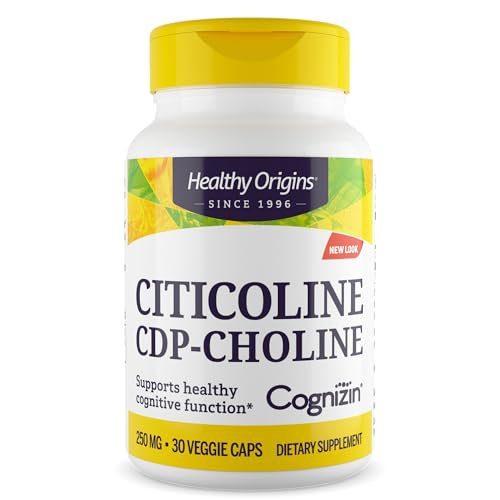
Healthy Origins Cognizin (Citicoline), 250 mg – Brain Supplement for Memory with Citicoline CDP Choline – Non-GMO, Vegan & Gluten-Free Supplement – 30 Veggie Capsules
Healthy Origins Cognizin is a branded form of citicoline (CDP choline) at 250 mg per veggie capsule. This non-GMO, vegan, gluten-free supplement comes in a 30-capsule bottle and is formulated for memory support. It fits as a brain energy ingredient in nootropic guides.
Most people don’t need 25 ingredients. They need the right 2 to 5 ingredients, in doses that resemble what was studied in humans. Below are several of the best-supported categories from a practical, research-focused perspective.
Citicoline (CDP-choline): brain energy and attention support
Citicoline is a choline-containing compound involved in phospholipid synthesis and neurotransmitter support. In human research, it’s commonly discussed for attention, mental energy, and age-related cognitive support.
Some branded forms (like Cognizin) are frequently used in supplements. Reported findings in human studies include improvements in attention and language in groups with cognitive decline, and measures related to brain energy metabolism. For a neutral, research-indexed overview of citicoline and clinical uses, see the PubMed citicoline record.
Practical takeaway: Citicoline is a reasonable “core” ingredient if your main issue is mental stamina or attention rather than sedation.
L-theanine: calm focus, fewer jitters (especially with caffeine)
L-theanine is an amino acid found in tea. It’s popular because it can feel noticeable without being “speedy.” A 2021 human study linked L-theanine with faster reaction time in attention tasks and fewer working-memory errors, suggesting benefits for attention and executive function. For a broader evidence summary, see the Examine.com L-theanine research overview.
Practical takeaway: If caffeine makes you anxious, L-theanine is one of the simplest adjustments to test.
Rhodiola rosea: stress resilience and fatigue
Rhodiola is often used for stress-related fatigue, mood support, and work capacity. Product quality matters because studies typically use standardized extracts (commonly referencing rosavins and salidrosides).
Practical takeaway: Choose a rhodiola product that clearly lists standardization, not just “root powder.”
Phosphatidylserine: memory and age-related support
Phosphatidylserine is a phospholipid found in brain cell membranes. It has a longer history in cognitive aging research than many trendy ingredients.
Practical takeaway: This is usually a “daily for weeks” ingredient, not an acute focus booster.
B-vitamins (B6, folate B9, B12): the homocysteine connection
B-vitamins are not flashy, but they matter. Folate and B12 help regulate homocysteine, and elevated homocysteine is associated with cognitive decline risk. Clinical research and meta-analyses have shown folate supplementation can significantly reduce homocysteine, and adding B12 can further reduce levels in some contexts. For a trustworthy baseline on B12 and folate functions and safety, use the NIH Office of Dietary Supplements vitamin B12 fact sheet and the NIH Office of Dietary Supplements folate fact sheet.
Visual: “Match the ingredient to the job” checklist
- Wired-anxious focus: L-theanine (optionally with low-dose caffeine)
- Stress fatigue: Rhodiola (standardized)
- Memory track: Bacopa or phosphatidylserine (commit 8+ weeks)
- Brain basics: Folate + B12 when intake or labs suggest a gap
How to choose nootropic supplements that are actually high quality
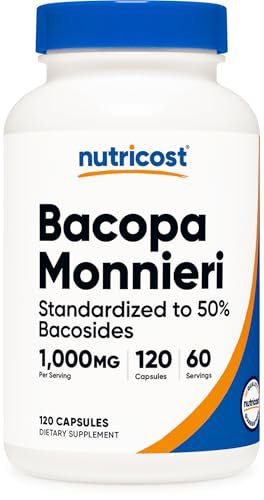
Nutricost Bacopa Monnieri 1,000mg, 120 Capsules (60 Servings) – Non-GMO, Gluten Free, and Vegetarian Friendly
Nutricost’s Bacopa Monnieri delivers 1,000mg per serving standardized to 50% bacosides in a 120-capsule bottle. The formula is straightforward—non-GMO, gluten-free, vegetarian capsules made in a GMP facility—with user reports of improved calm and focus after consistent use.
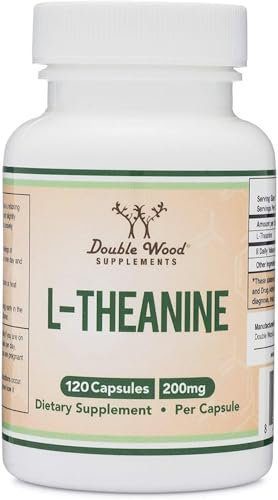
L-Theanine 200mg Double Strength – Supports Health Sleep Response and Relaxation – 120 Capsules (Third Party Tested, Gluten Free) by Double Wood
Double Wood’s L-Theanine 200mg double strength comes as 120 gluten-free capsules, third-party tested, and labeled for healthy sleep response and relaxation. General research on L-theanine suggests potential for relaxation and better sleep in some studies, but results are mixed with one recent trial showing 200mg twice daily cut sleep time by about 30 minutes nightly. Insufficient search results to verify specific Amazon listing, ratings, reviews, or price for this product; cannot recommend for affiliate purposes without confirmed Amazon data.
A label can look scientific and still be low quality. The goal is to reduce two big risks: ineffective dosing and poor manufacturing controls.
1) Look for clinically relevant dosing (not “fairy dust”)
Many blends include 10 to 20 ingredients, but only sprinkle each one. If the label hides amounts inside a “proprietary blend,” you cannot evaluate whether the product matches studied ranges.
What to do instead
- Prefer products that list exact milligrams per ingredient
- Be cautious with “all-in-one” blends that include many premium ingredients at low total capsule weight
- Treat “clinically studied” claims as marketing unless the dose matches what was studied
If you want a structured way to combine ingredients without stacking randomly, use our supplement stacking guide.
2) Demand third-party testing and transparent sourcing
Third-party testing doesn’t guarantee effectiveness, but it does improve trust around identity and purity. This matters for botanicals, where substitution and contamination are real issues.
Quality signals worth paying attention to
- Third-party testing for heavy metals and microbes
- Clear country of manufacture and GMP compliance
- Standardized extracts (examples: rhodiola standardized actives, branded citicoline forms)
- Batch-specific COAs when available
3) Avoid stimulant overload (sleep is the real “nootropic”)
Many people start nootropics because they feel mentally slow. But if sleep quality is poor, heavy stimulant formulas can backfire by worsening sleep and creating a daytime crash.
Visual: Stimulant risk screen
- If you have anxiety, start with non-stimulants (L-theanine, citicoline, bacopa)
- If you use caffeine, keep it earlier in the day
- If a product includes multiple stimulants (caffeine + yohimbine + synephrine), consider skipping it
4) Set the right timeline so you don’t quit too early
Herbs and mushroom-derived ingredients often require consistent use. If you judge them after two days, you’ll miss the effect window.
Simple timeline guide
- Acute (same day): caffeine + L-theanine, sometimes citicoline
- Short-term (1-2 weeks): rhodiola for stress fatigue
- Long-term (4-12 weeks): bacopa, phosphatidylserine, many mushroom protocols
If you’re exploring fungi-based options, start with our overview of nootropic mushrooms and the roundup of best mushroom nootropics.
Safe, practical ways to use nootropics: dosing, stacking, and who should be cautious
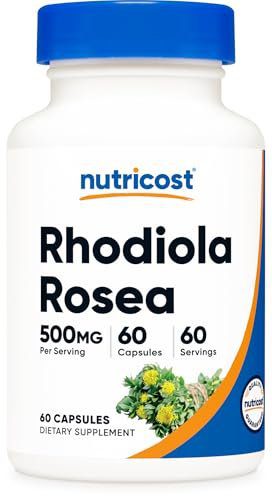
Nutricost Rhodiola Rosea 500mg, 60 Vegetarian Capsules – Gluten Free and Non-GMO Rhodiola Rosea Supplement
Nutricost delivers 500 mg of standardized Rhodiola Rosea extract per capsule, formulated to support stress resilience and mental clarity. The extract is standardized to 3% rosavins and 1% salidrosides—the active compounds shown in research to help with fatigue and focus during high-stress periods.
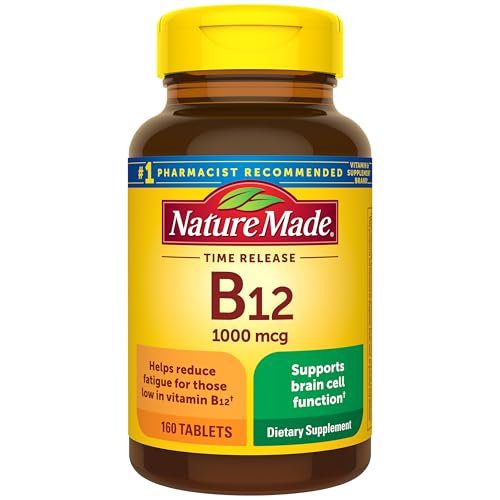
Nature Made Vitamin B12 1000 mcg, B12 Vitamins, Dietary Supplement for Energy Metabolism Support, 160 Time Release Tablets, 160 Day Supply
Vitamin B12 supports brain cell function and energy metabolism, as covered in the nootropic guide for brain health. This Nature Made supplement delivers 1000 mcg per time release tablet, with 160 tablets for a 160-day supply. One tablet daily aids those low in B12 by helping convert food to energy and reducing fatigue.
The safest approach is boring on purpose: change one variable at a time, track outcomes, and stop if sleep or mood worsens. This is especially important because many “nootropic effects” are subjective and easy to misread.
A simple 3-step testing method
- Pick one primary goal (focus, memory, stress fatigue, brain fog)
- Choose 1 to 2 ingredients that match that goal
- Track for 2 to 8 weeks, depending on the ingredient type
What to track (takes 2 minutes/day)
- Sleep duration and quality (1-10)
- Afternoon energy (1-10)
- Focus blocks completed (count)
- Anxiety/irritability (1-10)
Example stacks (minimalist, not maximalist)
These are common combinations people tolerate well, but individual response varies.
Visual: Sample stacks table
| Goal | Stack idea | Notes |
|---|---|---|
| Calm, steady focus | L-theanine + coffee/tea | Consider lowering caffeine first |
| Mentally demanding days | Citicoline + L-theanine | Often feels “cleaner” than extra caffeine |
| Stress fatigue | Rhodiola (AM) | Avoid late dosing if it feels activating |
| Memory support | Bacopa (daily) | Expect weeks, not hours |
Safety notes and interactions to consider
Nootropic supplements are not automatically safe for everyone. Caution matters most when medications or health conditions are involved.
Be extra careful if you:
- Are pregnant or breastfeeding
- Have bipolar disorder or a history of mania (stimulating supplements can be risky)
- Take antidepressants, stimulants, thyroid medication, anticoagulants, or blood pressure meds
- Have sleep disorders or panic disorder
For foundational nutrient safety and upper limits, the NIH fact sheets are a reliable starting point, including the NIH vitamin B12 guidance and NIH folate guidance.
Common misconceptions that lead to disappointment
- “One supplement does everything.” Different ingredients target different systems.
- “If I don’t feel it, it’s not working.” Memory herbs can be subtle and slow.
- “Higher dose is always better.” More can mean side effects, not results.
- “All nootropics cause a crash.” Many non-stimulants do not.

Adding this to a few other supplements? Our companion app, StackMyMed, scans the label, tracks your real daily intake, and schedules the best time to take it around everything else in your routine.
Conclusion: the smartest way to approach nootropic supplements
Nootropic supplements can be worth considering when you match the ingredient to your goal, use a dose that resembles human research, and give it the right timeline. For many people, the biggest wins come from calm focus tools (like L-theanine), stress-fatigue support (like standardized rhodiola), and brain “basics” (like folate and B12 when intake is low or homocysteine is elevated).
A practical next step is to pick one target – focus, memory, or brain fog – and run a simple 2 to 8 week trial with tracking. For more targeted reading, explore our guides to supplements for brain fog and nootropic mushrooms.
As an Amazon Associate, I earn from qualifying purchases. Product recommendations are based on real reviews and independent research.
