
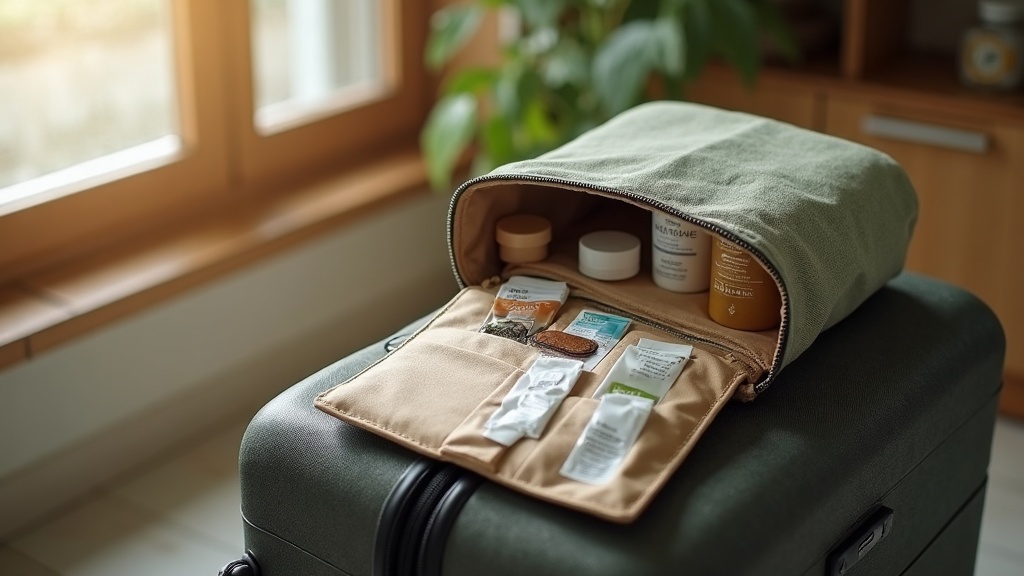
Affiliate disclosure: this article contains affiliate links. As an Amazon Associate, UsefulVitamins.com earns from qualifying purchases at no extra cost to you.
If you're searching for the best travel supplement kit, you're probably about to pack for a long flight or a two-week trip and want to know which six or seven things are worth a slot in your toiletry bag, not which sixty are theoretically useful.
Quick Answer: the six-item kit I'd actually pack
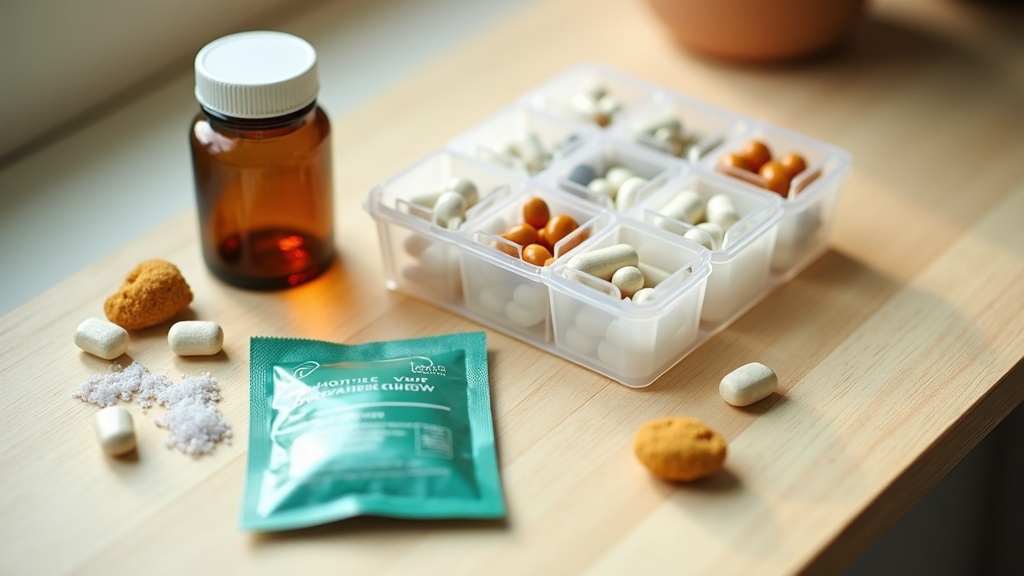
For most adults on a 1 to 3 week trip, the highest-yield kit is a Saccharomyces boulardii probiotic for GI insurance, 0.5 to 1 mg melatonin for time-zone shifts, 200 to 300 mg magnesium glycinate for sleep and constipation, two or three electrolyte sachets, ginger chews for motion and mild nausea, and a small strip of zinc acetate lozenges in case a cold lands mid-trip. The CDC's traveler's health advice on hand hygiene, safe food, and water is upstream of every supplement in your bag.
- Best for: otherwise healthy adults flying east 3+ time zones, parents traveling with school-age kids, anyone with a history of mild traveler's diarrhea or motion sickness, and frequent business travelers who don't sleep well in hotels.
- Not ideal for: pregnant or nursing readers without OBGYN sign-off, anyone on multiple prescription medications, immunocompromised patients, infants and small children (most adult doses do not scale down safely), and travelers using supplements as a reason to skip routine pre-travel vaccinations.
- What to do FIRST: book a pre-travel consult with your clinician or a travel medicine clinic if you're going somewhere with required vaccinations, malaria risk, or known traveler's diarrhea hotspots. Pack the prescription medications you actually need before the supplements you might need.
For the home pharmacy side of immune season, see our companion piece on best supplements for cold and flu season. This article is the on-the-road version, with packing logistics layered in.
What "travel stress" actually does to your body
Travel is not one stress, it's five stacked on a tired person. Circadian disruption, where crossing time zones shifts your internal clock faster than your hypothalamus can recalibrate, produces the classic 3 to 5 day jet lag pattern. GI disturbance, with a 30 to 70% incidence of traveler's diarrhea in higher-risk destinations, comes from unfamiliar bacterial strains, fiber and water changes, and food handling differences, per the CDC Yellow Book traveler's diarrhea chapter. Respiratory exposure on planes and in terminals pairs with cabin humidity that typically sits at 10 to 20%, well below the 30 to 60% your mucous membranes prefer. Add dehydration from coffee, alcohol, and inconvenient bathrooms, and sleep disruption from hotel beds, and the kit starts to make sense.
Conventional first-line responses are not exotic. Hydrate with water and electrolytes. Sleep on the destination clock from day one. Eat cooked food and drink bottled or treated water in higher-risk destinations. Wash your hands. Get any pre-travel vaccinations indicated by the CDC for your itinerary. Supplements layer on top of those, not under them.
From a nutrition standpoint, the average traveler is also eating off their usual pattern. A typical 2000-kcal home diet might cover 60 to 70% of the magnesium RDA and most of the B vitamins, but a week of restaurant meals, snacks, and skipped vegetables can drop both.
The supplements with the strongest travel evidence
Probiotics, specifically Saccharomyces boulardii
A non-pathogenic yeast probiotic, Saccharomyces boulardii, has the most consistent evidence for reducing the risk of traveler's diarrhea. McFarland's 2007 meta-analysis in Travel Medicine and Infectious Disease pooled controlled trials and reported a meaningful reduction in incidence when S. boulardii was started 5 days before travel and continued throughout the trip. Lactobacillus rhamnosus GG has positive but more mixed signal in similar studies. Mechanism is competitive exclusion in the gut plus mild immunomodulation at the mucosal layer.
- Dose used in trials: 250 to 500 mg of S. boulardii once or twice daily, starting 5 days before departure, continuing the entire trip, and stopping 2 to 3 days after return.
- Form to look for: a single-strain S. boulardii capsule or sachet, shelf-stable (most are), with a CFU count printed per dose, ideally USP Verified or with a published third-party assay. Source: NIH ODS probiotics fact sheet.
- Skip if: you are immunocompromised, have a central venous catheter, or are pregnant without OBGYN sign-off. Yeast translocation, while rare, has been reported in those populations.
Actionable takeaway: food sources cover everyday probiotic intake for most people at home, but a packaged S. boulardii capsule is the form with traveler-specific trial data. Yogurt at the destination buffet is not the same intervention.
Melatonin, dosed low, for jet lag
Melatonin has Cochrane-level evidence for reducing jet lag on eastward flights crossing 5 or more time zones. The trial signal is strongest when melatonin is taken close to the local destination bedtime for 3 to 5 nights, not when it's used as a general sleeping pill. The dose used in most positive trials was lower than the gummies on US shelves suggest.
- Dose used in trials: 0.5 to 3 mg taken at local destination bedtime for 2 to 5 nights starting the day of travel. The 0.5 mg dose performs comparably to higher doses in several head-to-head studies and produces fewer next-day grogginess complaints, per the NIH ODS melatonin fact sheet.
- Form to look for: a 0.5 to 1 mg sublingual tablet or a 1 mg capsule. Many over-the-counter products contain 5 or 10 mg, which is 5 to 20 times the dose used in successful trials. More features are not always more useful.
- Skip if: you are on sedating prescription medications, including benzodiazepines or zolpidem, without prescriber sign-off. Per the Drugs.com melatonin interaction checker, combining melatonin with other sedatives can produce additive central nervous system depression. Pregnant or nursing readers should consult their OBGYN before use.
Actionable takeaway: the goal is to nudge your clock, not to knock yourself out. Start at 0.5 mg an hour before destination bedtime and only increase if the lower dose doesn't help.
Magnesium glycinate, for sleep and the GI side
Magnesium does triple duty on the road. It supports sleep onset, helps with the muscle cramping that long flights and dehydration produce, and at higher doses it can ease the constipation that hotel diets reliably create. The NIH ODS magnesium fact sheet lists the adult RDA at 310 to 420 mg depending on age and sex. The average US adult diet covers roughly 60 to 70% of that, so a 200 to 300 mg supplement closes the gap rather than overshooting it.
- Dose used in trials: 200 to 400 mg/day of elemental magnesium for sleep and stress endpoints, per studies like Boyle's 2017 review in Nutrients.
- Form to look for: magnesium glycinate or bisglycinate, which absorb more reliably and produce less GI laxation than magnesium oxide. If you want the gentle laxative effect for travel constipation, magnesium citrate at 300 to 400 mg before bed is the form to reach for.
- Skip if: you have advanced kidney disease, or you take levothyroxine. Separate magnesium from thyroid hormone by 4 hours, per the Drugs.com levothyroxine interaction list. Magnesium can blunt absorption.
Electrolyte sachets, the underrated workhorse
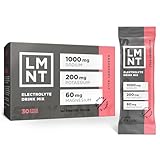
Plain water is not enough when you're sweating in a humid climate, drinking on a flight, or recovering from a bout of traveler's GI. Electrolyte sachets like LMNT, Liquid IV, or a generic equivalent supply sodium, potassium, and a little magnesium in a one-cup pour. The CDC's oral rehydration guidance for traveler's diarrhea is the reference point, and a moderate-sodium sachet approximates it for everyday travel use.
- Dose used in practice: 1 sachet in 16 oz water, 1 to 3 sachets/day depending on heat, activity, and GI losses.
- Form to look for: a sachet with at least 500 mg sodium and 200 mg potassium per serving for hot-climate trips. Lower-sodium versions are fine for daily use.
- Skip if: you're on a sodium-restricted diet for heart failure or hypertension. Talk to your clinician about an appropriate alternative.
Supplements with moderate evidence (worth packing for specific scenarios)
Ginger, for motion sickness and mild nausea
Ginger has reasonable trial evidence for motion sickness and pregnancy-related nausea, with effect sizes that beat placebo but don't match prescription antiemetics. For travel, the practical play is ginger chews, capsules, or candied ginger in a pocket. If you know you get carsick on winding roads or queasy on small boats, this is a low-cost, low-side-effect pack item.
- Dose used in trials: 250 mg of standardized ginger extract every 4 hours as needed, up to 1 g/day, taken before symptom onset where possible.
- Skip if: you take warfarin or other anticoagulants. Ginger has documented antiplatelet activity at higher doses. Per the NIH NCCIH ginger summary, discuss with the clinician managing your anticoagulation before using ginger daily on a trip.
Vitamin C plus zinc lozenges, for an emerging cold
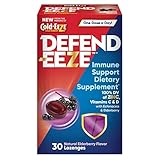
A daily megadose of vitamin C does not prevent colds in the broader population, per Cochrane data. But a strip of zinc acetate or gluconate lozenges started within 24 hours of a cold's first scratch can shorten duration by roughly 33%, per the same evidence we covered in detail in the best supplements for cold and flu season piece. Pack 6 to 8 lozenges, not a bottle of vitamin C.
Fiber (psyllium), for the chronic traveler
If you're someone whose GI motility reliably stops on day 3 of any trip, a small jar of psyllium husk powder or a few sachets can solve the problem more reliably than coffee and walking. 5 to 10 g/day in water, started before constipation sets in, is a normal dose. Separate from other supplements and medications by 1 to 2 hours, because psyllium can blunt their absorption.
Popular but evidence-thin (mostly skip)
Activated charcoal is widely sold for "traveler's tummy" and heartburn. The real question isn't whether it absorbs toxins in a lab beaker, it's whether the human-trial evidence supports routine travel use, and that data is thin. The bigger problem is that activated charcoal is non-selective. It can absorb prescription medications, including oral contraceptives and antibiotics, if taken in the same window. If you want a charcoal capsule for an acute episode, fine, but never take it within 2 hours of any other medication, and check the Drugs.com activated charcoal interaction list first.
A daily multivitamin while traveling rarely earns the slot. The case for it is "food intake is disrupted, fill the gaps." A 1 to 3 week stretch of restaurant food does not produce clinical micronutrient deficiencies in a previously well-fed adult. If you already take a multi at home, take it on the trip. If you don't, this is not the moment to start.
What to look for when buying
A few decision shortcuts.
- Form matters more than dose on supplement labels. Magnesium glycinate over oxide for sleep. Zinc lozenge over capsule for cold onset. A single-strain Saccharomyces boulardii product over a "10-strain blend." Low-dose 0.5 to 1 mg melatonin over a 10 mg gummy.
- Third-party testing. Look for USP Verified, NSF Certified for Sport, or ConsumerLab Approved on the products that will spend two weeks in your bag. Heat, humidity, and time degrade some supplements faster than others. Probiotics and fish oil are the most sensitive.
- Original bottles for international trips. US Customs and most foreign customs prefer to see medications and supplements in original labeled packaging. A 7-day pill organizer is fine for the carry-on you actually use, but pack the original bottle alongside it for anything questionable. The TSA travel guidance allows pills and capsules in carry-on with no quantity limit, and liquids over 3.4 oz must be declared and may be tested.
- Red flags. Proprietary blends with no per-ingredient mg, "boosts immunity" marketing language, and brands not on any third-party testing registry. A supplement brand can look impressive on a label and still miss the basics.
When the kit is not enough
Some signals mean stop self-managing and find local care.
- Fever above 102 °F, blood in stool, or diarrhea lasting more than 72 hours.
- Chest pain, shortness of breath, or one-sided leg swelling, especially after a long flight. Pulmonary embolism is a known post-flight risk.
- Sustained dehydration with confusion, dark or absent urine, or rapid heart rate.
- Severe persistent headache, neck stiffness, or new neurologic symptoms.
- Pregnancy with any of the above.
In most destinations, urgent care or an ED is the right answer. Carry travel insurance details and a written list of your prescription medications in your wallet or phone notes.
FAQ
Can I bring supplements through TSA in my carry-on?
Yes. Per the TSA guidance on medications, pills and capsules have no quantity limit in carry-on. Liquids over 3.4 oz must be declared and screened separately. Pack supplements in carry-on, not checked, in case the bag is delayed.
Do I need supplements in original bottles for international travel?
For most adult supplements on a 1 to 2 week trip, a pill organizer is fine for the days you'll actually use. For longer trips, or anything you'd struggle to identify if customs asks, keep the original labeled bottle. CDC's pre-travel medications guidance covers prescription specifics.
How do I dose melatonin for the destination?
Take 0.5 to 1 mg at local destination bedtime, starting the night of arrival, for 2 to 5 nights. Do not take it on the plane unless you'll land at destination morning. Blood work changes the question only if you're chronically sleep-disordered.
Is it safe to combine these supplements?
Most are fine in combination at these doses. The flags: melatonin plus prescription sedatives, magnesium within 4 hours of levothyroxine, ginger plus warfarin, and activated charcoal within 2 hours of anything else. Ask your doctor about a medication review before a long trip if you take three or more prescription drugs.
Should I pack Imodium (loperamide)?
Loperamide is an OTC anti-diarrheal, not a supplement, but it earns a slot in most travel kits. It works on symptoms, not on the underlying infection, so it's not a substitute for medical attention with fever or bloody diarrhea. Use per package instructions, stop if symptoms worsen.
Conclusion: the bottom line on the best travel supplement kit
For most healthy adults, the best travel supplement kit is small on purpose. A Saccharomyces boulardii probiotic started 5 days before you fly, 0.5 to 1 mg of melatonin at destination bedtime for the first few nights, 200 to 300 mg of magnesium glycinate, two or three electrolyte sachets, a strip of ginger chews, and a few zinc lozenges for an emerging cold. Skip the daily activated charcoal, skip the "boosts immunity" megavitamin, and keep your toiletry bag light. The CDC's hand-washing, food-and-water, and vaccination advice does more for your trip than any pill in your luggage.
Next steps:
- Check the CDC's destination page or book a pre-travel consult if your trip involves required vaccinations or malaria risk.
- Build the six-item kit a week before departure, and start the probiotic on day -5.
- For the at-home immune-season version, see our best supplement starter kit on Amazon walk-through. Editor background on the Sarah Thompson author page and our review methodology in how we review supplements.
Reviewed by Sarah Thompson, Registered Dietitian, focused on vitamin and mineral nutrition.
Recommended Products

As an Amazon Associate, UsefulVitamins.com earns from qualifying purchases at no extra cost to you. We only recommend products supported by published research or third-party testing.
