

Affiliate disclosure: this article contains affiliate links. As an Amazon Associate, UsefulVitamins.com earns from qualifying purchases at no extra cost to you.
If you have typed "best fiber for constipation" into Google, you have probably already eaten more salad, drunk more water, and still feel stuck. The short answer: for most people the winner is soluble, gel-forming psyllium taken with water, not the gritty wheat bran most of us reach for first. This article walks through which fibers actually move the needle in the trials, where magnesium fits, and why "just eat more fiber" can backfire for certain guts. The picks at the bottom are the ones I would keep in my own family's cabinet, because constipation is one of those problems you want fixed before the weekend trip, not during it.
A quick frame before the picks. As a dietitian I think about food first, then the specific supplement that closes a real gap. Most US adults eat only about 15 g of fiber a day against a 25 to 38 g target, so for many people the honest fix is more beans, oats, and fruit. But when you need a reliable, measurable bump, the form and the timing matter more than the total grams on the label.
Before you decide

Constipation that is new, worsening, or comes with red flags is not a supplement problem. See a clinician before reaching for fiber if you notice blood in the stool, unexplained weight loss, iron-deficiency anemia, or a sudden change in bowel habits after age 50. Those can signal something that needs a colonoscopy, not a scoop of husk.
Do one thing first: check your medications. Opioids, iron supplements, some antidepressants, certain blood pressure drugs (verapamil), and anticholinergics are common hidden causes. If constipation started when a new prescription did, the fix is a conversation with your prescriber, not fiber on top. One exception is constipation from GLP-1 drugs like Ozempic or Wegovy, where slowed motility is an expected effect of the medication and gentle soluble fiber is a standard first response; we cover dosing and product choices in our fiber guide for GLP-1 users.
And a hard rule for anyone with possible bowel obstruction, severe swallowing problems, or known strictures: bulk-forming fiber can be dangerous without medical clearance. When in doubt, ask first.
What constipation actually is (and why fiber sometimes fails)
Clinically, chronic constipation usually means fewer than three bowel movements a week, hard or lumpy stools, straining, or a sense of incomplete emptying, lasting months. It is not one disease. Some people have slow-transit guts, others have stools that are simply too dry and hard, and a smaller group have a pelvic-floor coordination problem that no fiber will fix.
That last distinction is why generic fiber advice disappoints so many readers. If your problem is slow transit, piling in coarse insoluble fiber can add bulk to a system that already struggles to push, which is the opposite of help.
The standard of care backs a stepwise approach. The 2023 AGA-ACG clinical practice guideline on chronic idiopathic constipation names increasing fiber as the first-line move after alarm features are ruled out, with osmotic agents layered on if fiber alone is not enough. Notably, it became the first major guideline to endorse magnesium oxide as an evidence-based option.
The strongest pick: psyllium (soluble, gel-forming fiber)
Psyllium husk is the supplement with the best evidence for constipation, and it earns that on physics, not marketing. It is a gel-forming soluble fiber that holds water, resists drying out in the colon, and produces a softer, bulkier, easier-to-pass stool.
The mechanism is well described. A widely cited 2017 review on the physics of functional fibers by McRorie and McKeown explains that psyllium's high water-holding capacity is what creates the laxative effect, and that the same property is exactly what coarse insoluble fibers lack.
The trial data line up. A systematic review of fiber for chronic idiopathic constipation by Suares and Ford found soluble fiber improved global symptoms in 86.5% of users versus 47.4% on placebo, raised weekly stool counts, and reduced straining. In a head-to-head trial, Erdogan and colleagues saw a 75% response rate with psyllium at 5 g twice daily over four weeks.
Dose used in trials: start at about 5 g a day and work up toward 10 g, always with a full glass of water per dose. The single most common reason psyllium "does not work" is taking it with too little fluid, which turns a stool-softening gel into a paste.
Skip or go slow if: you have a swallowing disorder, a history of bowel narrowing, or you take a medication on an empty stomach, since psyllium can blunt absorption if taken at the same time. Separate fiber and pills by about two hours.
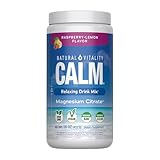
Magnesium citrate or oxide: the gentle osmotic backup
When psyllium alone does not finish the job, magnesium is the next rung. It works as an osmotic agent, pulling water into the bowel to soften stool and prompt movement, which is a different lever than bulk.
The evidence is surprisingly solid for an OTC mineral. A 2019 randomized, double-blind, placebo-controlled trial of magnesium oxide by Mori and colleagues (1.5 g/day) reported a 70.6% improvement rate versus 25% on placebo, with faster colonic transit and better stool form. A 2023 meta-analysis by van der Schoot and colleagues found magnesium oxide the standout among supplements, with a 68% response rate versus 19% control.
On dose and form: magnesium citrate tends to act faster and more gently; magnesium oxide is cheaper per gram but more likely to cause loose stools. The NIH Office of Dietary Supplements sets the supplemental upper limit at 350 mg/day for general use and notes that higher intakes commonly cause diarrhea, which is the exact effect you are borrowing here. Use the smallest dose that produces a soft stool, and do not stack it with other magnesium products.
Skip if: you have reduced kidney function. Impaired kidneys cannot clear excess magnesium, so this is a clear "ask your doctor first" situation. For a deeper look at forms and absorption, see our complete guide to magnesium.
Methylcellulose and the rest of the soluble field
Methylcellulose is a non-fermenting soluble fiber, which means it bulks the stool with very little gas production, making it the pick if psyllium leaves you bloated. The tradeoff is that the constipation-specific trial evidence is thinner than psyllium's, so think of it as a well-tolerated alternative rather than a stronger option.
Calcium polycarbophil sits in the same gentle, low-fermentation category and behaves similarly. Both are reasonable swaps for sensitive guts.
Glucomannan, a viscous soluble fiber from konjac, also holds water and bulks stool. It can help, but it must be taken with ample fluid and has a real choking and obstruction risk if swallowed dry, so it is not my first recommendation for most readers. If you try it, use the powder fully dissolved, never tablets taken with a small sip.
Why wheat bran and "just add roughage" can backfire
Here is the contrarian point most fiber roundups skip. Insoluble fiber like coarse wheat bran does not reliably fix constipation, and for some people it makes things worse. The Suares and Ford review concluded that evidence for any benefit of insoluble fiber was conflicting, while soluble fiber showed consistent gains.
The McRorie physics review goes further, noting that fine insoluble wheat bran particles can actually be constipating rather than laxative. So the cultural advice to "just eat more bran" is, at best, a coin flip for a stuck gut.
That does not make insoluble fiber useless. Mixed soluble and insoluble fiber performed as well as psyllium in the Erdogan trial, and the mixed formula caused less gas. The lesson is not "avoid insoluble fiber," it is "do not lean on coarse insoluble fiber alone and expect it to work."
Prunes and sorbitol: an honest mention
Prunes deserve a fair hearing because they are not just folklore. They combine soluble fiber with sorbitol, a poorly absorbed sugar alcohol that draws water into the bowel, giving a mild double action that some small trials rate on par with psyllium.
The catch is the sorbitol can cause gas and cramping, and the effective amount is fairly large, often around 50 g of prunes (roughly 5 to 6) twice a day. If whole-food first appeals to you, this is a legitimate place to start before any powder.
What to look for when buying
Match the form to your problem, not the marketing. For bulk and softening, choose a single-ingredient psyllium husk; for a gentle osmotic push, choose magnesium citrate or oxide; for a low-gas option, choose methylcellulose. Skip "colon detox" blends and proprietary mixes that hide per-ingredient amounts.
Look for products that disclose grams of fiber or elemental magnesium per serving, and prefer brands with third-party testing such as USP Verified or NSF certification. For the wider category, our roundup of the best fiber supplements compares specific products, and the complete guide to fiber covers daily targets and food sources.
A practical dosing note: split fiber into two smaller doses with meals rather than one large scoop, increase slowly over a week or two, and ramp your water up alongside it.


As an Amazon Associate, UsefulVitamins.com earns from qualifying purchases at no extra cost to you. We only recommend products supported by published research or third-party testing.
When supplements are not enough
Fiber and magnesium are for ordinary, uncomplicated constipation. See a clinician promptly if you have not had a bowel movement in over a week, have severe or worsening abdominal pain, vomiting, or no gas passing, which can signal obstruction.
Book a non-urgent visit if constipation persists despite three to four weeks of correct fiber and fluid, if it alternates with diarrhea, or if you fit any red flag in the "Before you decide" section: rectal bleeding, weight loss, anemia, or new symptoms after 50. Persistent constipation can also reflect thyroid or pelvic-floor issues that no supplement addresses, so blood work and an exam change the plan.
FAQ
Is psyllium or magnesium better for constipation?
Start with psyllium for most people, because it bulks and softens stool with the strongest fiber evidence. Add magnesium citrate or oxide when you need an osmotic nudge or psyllium alone falls short. They work by different mechanisms and can be used together.
Can fiber make constipation worse?
Yes, in two ways. Coarse insoluble fiber alone can stall a slow-transit gut, and any fiber taken with too little water can harden rather than soften stool. The fix is choosing soluble fiber and drinking enough fluid with it.
How long until fiber works for constipation?
Psyllium often helps within one to three days, and magnesium oxide acts within a similar window. The Erdogan and Mori trials measured benefits over four weeks, so give a properly dosed regimen at least a couple of weeks before judging it.
Should I take fiber every day or only when constipated?
Daily, consistent use works better than reactive dosing for fiber, since the benefit comes from steady stool bulk and softening. Magnesium can be used more flexibly, at the lowest dose that keeps stools soft.
The bottom line on the best fiber for constipation
For most adults, the best fiber for constipation is soluble, gel-forming psyllium taken with plenty of water, with magnesium citrate or oxide as the gentle osmotic backup the latest guideline now endorses. The realistic expectation is softer, more frequent stools within days, not an overnight miracle, and the most common reason fiber fails is too little water or the wrong, coarse form.
Next steps:
- Start psyllium at 5 g a day with a full glass of water, then build toward 10 g over a week or two.
- Add magnesium citrate or oxide only if psyllium alone is not enough, using the smallest effective dose.
- If red flags appear or nothing improves in three to four weeks, see a clinician and review your medications; compare specific products in our best fiber supplements roundup.
You can read how we test and vet picks on our how we review supplements page, and more about the author on the Sarah Thompson author profile.
Reviewed by Sarah Thompson, Registered Dietitian, focused on vitamin and mineral nutrition.
This article is for informational purposes and not medical advice. Supplements can interact with medications and health conditions. Consult a licensed physician before starting any supplement, particularly if you are pregnant, nursing, taking prescription medications, have kidney disease, or are managing a chronic condition.
