
Affiliate disclosure: this article contains affiliate links. As an Amazon Associate, UsefulVitamins.com earns from qualifying purchases at no extra cost to you.
Before you buy
The "burpless" label on a fish oil bottle is marketing, not a guarantee. Some of the most-returned products on Amazon carry that word on the front. The real fix is fresher oil and the right delivery, not a sticker.
Here is what actually decides whether you taste fish hours later: how oxidized the oil already is when you buy it, whether it is the triglyceride form your body recognizes, whether the softgel survives your stomach acid, and whether you take it with a meal. Get those right and most people stop noticing the supplement at all.
So this guide is less a beauty contest and more a freshness audit. Two products win for two different reasons – one for people whose burps come from cheap or stale oil, and one for people whose burps are really reflux in disguise.
If you are still deciding between fish oil and a pricier format, our breakdown of the triglyceride, ethyl ester, and krill forms is worth a look before you spend.
Why fish oil makes you burp
Three things cause that fishy repeat, and only one of them is about your digestion.
The first and most common is oxidation, also called rancidity. Omega-3s are fragile fats. Exposed to air, heat, or light, EPA and DHA break down into peroxides and aldehydes – the exact compounds responsible for that "off" fish smell and taste. A 2015 analysis of North American over-the-counter omega-3 supplements found that a meaningful share already exceeded recommended oxidation limits on the shelf. If your oil tastes like low tide, it may have been stale before you opened it.
The second is timing and reflux. Fish oil is a fat, and fat sits in the stomach longer. Take it on an empty stomach or lie down afterward and that oil can creep back up, bringing the smell with it.
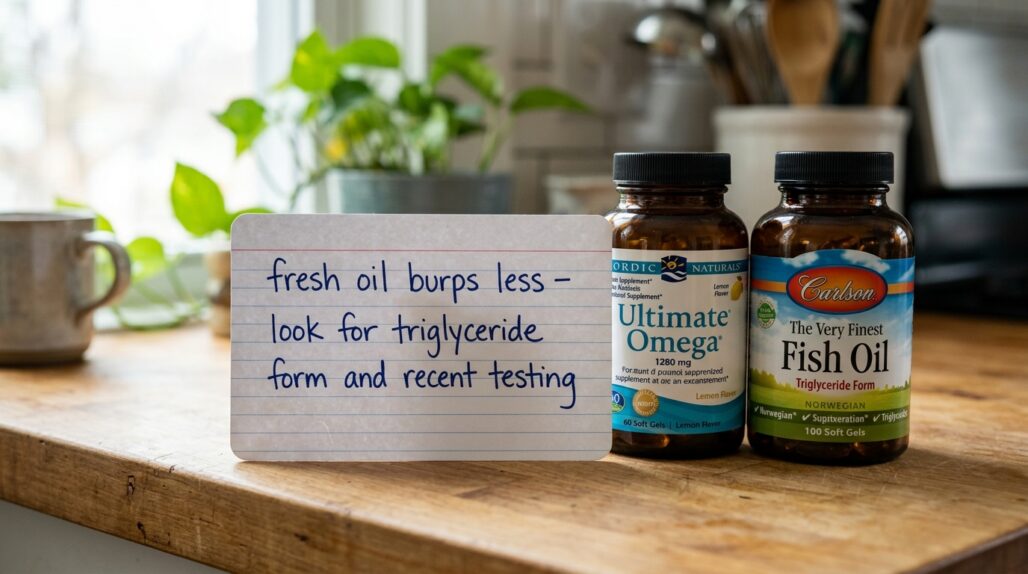
The third is the form. Cheaper concentrates often use the ethyl ester form, which some people digest less smoothly than the natural triglyceride form. A fresh, triglyceride-form oil taken with a fatty meal is the single best burp-prevention move you can make.
What actually reduces burps
Skip the gimmicks. These four levers do the real work, roughly in order of impact:
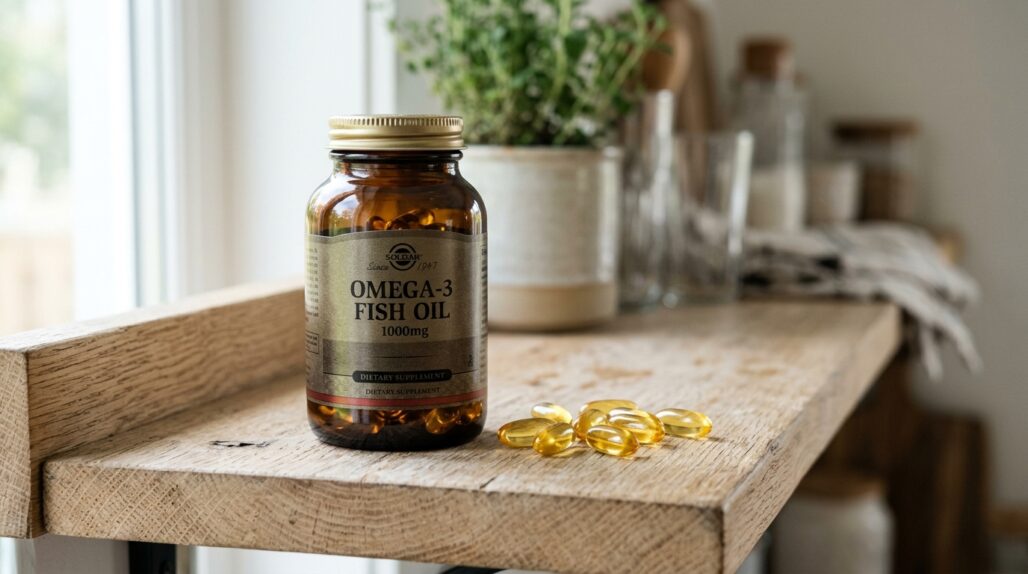
- Freshness. Buy from a brand that publishes oxidation testing. The benchmark is the IFOS 5-star standard, which caps total oxidation, the TOTOX value, at 26 or below, with peroxide value at 5 or under. The freshest oils run far below that.
- Triglyceride (TG or rTG) form. This is the structure found in real fish. It tends to absorb more cleanly and regurgitate less than ethyl ester concentrates.
- Enteric coating. A coated softgel passes through the stomach intact and dissolves in the small intestine, skipping the stage where burps happen. Research on enteric-coated fish oil by Belluzzi and colleagues found the coating reduces fishy eructation by delaying capsule breakdown until the small intestine, so the gas and taste do not travel back up.
- Take it with food and stay upright. A meal with some fat and 20 to 30 minutes vertical handles most of what is left.
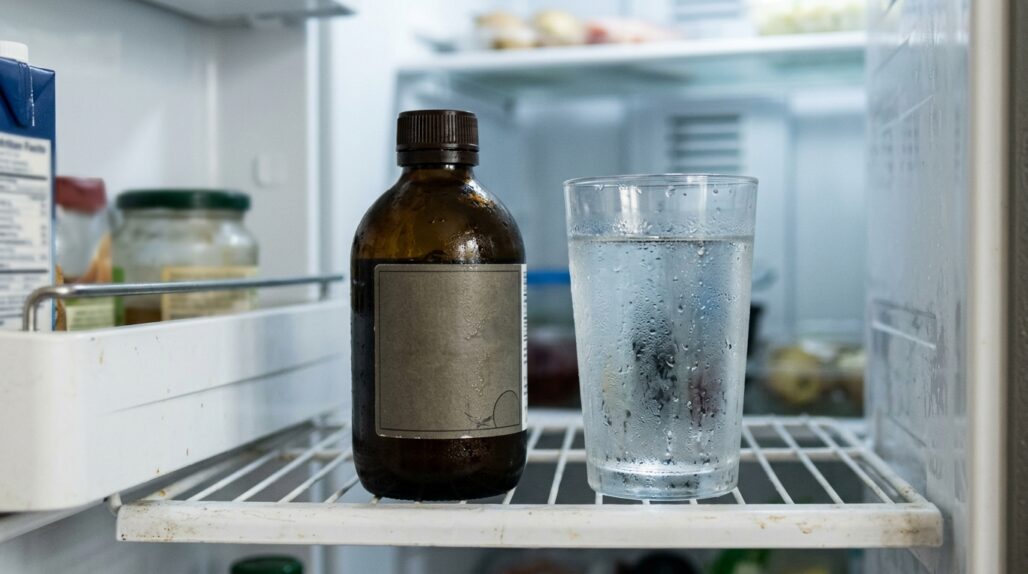
One more habit that pays off: store the bottle in the fridge. Cooler temperatures slow oxidation, and a few people find a half-frozen softgel delays the burp long enough to clear the stomach.
For the dose itself, the NIH Office of Dietary Supplements notes the US has set no formal EPA/DHA requirement, but most general guidance lands around 250 to 500 mg of combined EPA plus DHA per day for healthy adults, with the FDA flagging up to about 2 g per day from supplements as a reasonable ceiling unless a clinician says otherwise.
The top burpless picks compared
Here is how the most-bought "no fishy aftertaste" options stack up on the things that matter. Doses below are taken from each brand's current label and are per the listed serving, not per pill, so read the serving column carefully.
| Product | EPA + DHA per serving | Form | Freshness / testing | Burp strategy | Approx price |
|---|---|---|---|---|---|
| Sports Research Triple Strength | ~690 mg EPA + 260 mg DHA (1 softgel) | Triglyceride | IFOS 5-star, MSC certified | Fresh oil, high dose, fewer gels | ~$30-35 / 90 ct |
| Viva Naturals Triple Strength | ~1500 mg EPA + 570 mg DHA (2 softgels) | Re-esterified triglyceride | IFOS certified, hexane-free | High potency, clean processing | ~$25-35 / 90 ct |
| CardioTabs Enteric-Coated | ~1100 mg total omega-3 (varies by serving) | Triglyceride | Brand-stated purity testing | Enteric coating bypasses the stomach | ~$25-35 / 180 ct |
| Nature Made Burp-Less | ~600 mg EPA + DHA (2 softgels) | Not clearly stated (likely EE) | USP Verified | Light coating to reduce repeat | ~$15-20 / 200 ct |
| Nordic Naturals Ultimate Omega | 650 mg EPA + 450 mg DHA (2 softgels) | Triglyceride | Third-party tested, lemon-flavored | Fresh oil, flavor masking | ~$30-45 / 90 ct |
Prices are approximate as of writing and shift often, especially with Subscribe and Save – check current price before you buy.
Top pick: Sports Research Triple Strength
This is the one we point most people to. A single softgel carries about 690 mg EPA and 260 mg DHA in triglyceride form, so you can hit a solid daily dose with one or two gels instead of swallowing four. Fewer gels means less oil sitting in your stomach, which means fewer chances to burp.
The freshness story is the real selling point. Sports Research carries an IFOS 5-star rating, the independent program that verifies the oil sits well under the oxidation ceiling. You are not taking the brand's word for "fresh" – a third party checked.
It is sold as "burpless," and for most people who take it with a meal, it lives up to that. We cover its dose and value in more depth in our full Sports Research omega-3 review if you want the long version.
When to choose enteric-coated instead
If your problem is reflux rather than rancid oil, a stronger fish oil will not help – it just gives the heartburn more to work with. This is where an enteric-coated softgel like CardioTabs earns its place. The coating holds the gel together until it clears the stomach, which is exactly the mechanism the research on enteric-coated fish oil credits with cutting down fishy burps.
The tradeoff is dose density. Enteric options often pack less EPA and DHA per gel, so you may take more of them. Pick coating over potency only if you know reflux is your trigger.
The honest take on Nature Made and Nordic Naturals
Nature Made Burp-Less is cheap, USP Verified, and easy to find in any pharmacy – genuinely good things. But read the label: at roughly 360 mg of omega-3 per softgel, a lot of that capsule is filler oil, not EPA and DHA. You will swallow several to match one Sports Research gel. Fine as a starter bottle, weak on value per gram.
Nordic Naturals Ultimate Omega is a clean, triglyceride-form oil with a pleasant lemon finish that masks any fishiness well. It is also the priciest mainstream pick here, and it is Friend of the Sea certified and third-party tested rather than IFOS-rated, so the verification is solid but labeled differently. We compare it head to head with Sports Research in our Nordic Naturals versus Sports Research breakdown, and the short version is that you pay a real premium for the flavor and the name.
How to read freshness and store it right
You cannot smell a sealed bottle, so let the testing and your senses do the work.
- Look for published oxidation data. An IFOS 5-star rating, or a brand certificate of analysis listing TOTOX, peroxide, and anisidine values, tells you the oil was fresh when tested. No numbers, more risk.
- Do the snap test at home. Cut or bite one softgel. A clean, mild, slightly oceanic smell is normal. A sharp, sour, paint-like, or strongly fishy odor means it has oxidized – return it.
- Store cool and dark. Keep the bottle out of warm cabinets above the stove and away from windows. The fridge is ideal for liquids and most softgels.
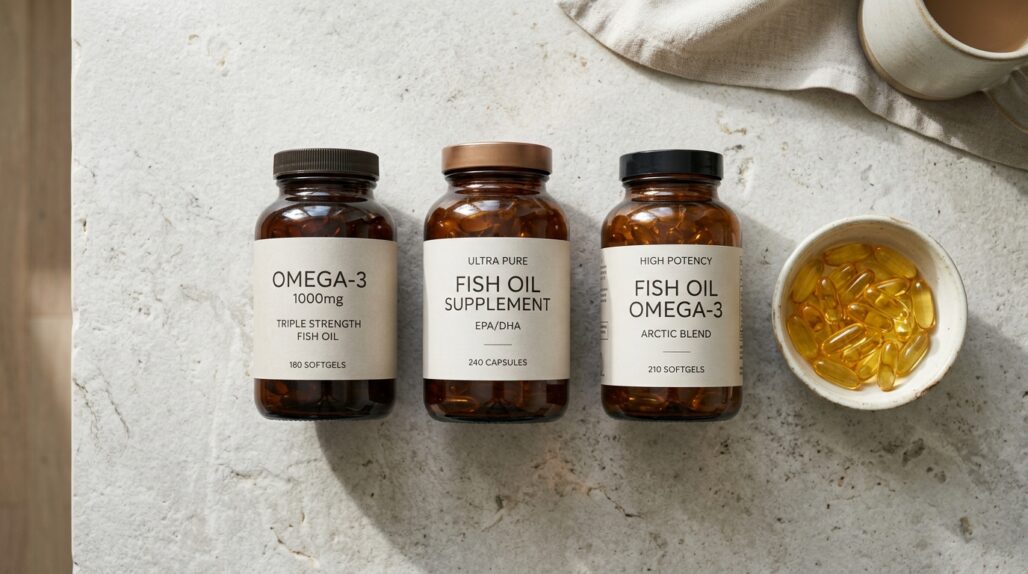
- Mind the date and the pace. Buy a size you will finish in two to three months. A 365-count value tub you take once a day will likely oxidize before you reach the bottom.
A quick word on quantity: bigger is not better here. The huge-count bottles look like a deal until the last third tastes like a dock. Buy fresh, buy what you will use.
Value pick and where to buy
For most readers the smart money is the top pick, but the budget choice is legitimate if cash is tight.


As an Amazon Associate, UsefulVitamins.com earns from qualifying purchases at no extra cost to you.
UsefulVitamins is reader-supported. We may earn a commission from purchases made through the links below, at no extra cost to you. This never changes our picks or our verdicts.
Value pick: Nature Made Burp-Less. It is the cheapest way to start, it is USP Verified, and it is on every pharmacy shelf. Just know you are trading dose density for price, and plan to take two softgels to land a meaningful amount of EPA and DHA.
Top pick: Sports Research Triple Strength. The best mix of fresh, verified, high-dose, and genuinely low-burp for the money. Around $30 to $35 for 90 softgels as of writing – check current price, and the Subscribe and Save rate usually beats the one-time price.
Want a flavored, no-burp option that masks the oil entirely? Nordic Naturals is the obvious upgrade, and our Nordic Naturals Ultimate Omega review walks through whether the premium price earns its keep.
FAQ
Does burpless fish oil actually work, or is it just a label? It works when the “burpless” claim is backed by fresh, triglyceride-form oil or a real enteric coating. The word alone on a cheap, oxidized oil does nothing – check for testing, not just the front of the bottle.
Why do I still burp even with a burpless brand? Usually timing. Taking it on an empty stomach or lying down afterward lets the oil reflux. Take it mid-meal with some fat and stay upright for 20 to 30 minutes, and most burps stop.
Is freezing fish oil safe and does it help? Yes, it is safe. A cold or partly frozen softgel can delay how fast it opens in your stomach, which buys time for it to move along before any repeat. Refrigeration also slows oxidation, which is the bigger long-term benefit.
Does enteric coating reduce the dose I absorb? No, the coating just changes where the gel opens. You still absorb the EPA and DHA – it dissolves in the small intestine instead of the stomach. The main tradeoff is that enteric gels often carry less omega-3 per pill.
How much EPA and DHA should I actually take? Most general guidance lands around 250 to 500 mg of combined EPA plus DHA daily for healthy adults, and the FDA flags up to about 2 g per day from supplements as a reasonable ceiling. Ask your clinician before going higher, especially if you take blood thinners.
Can I take fish oil if I am on medication? Fish oil can thin the blood slightly and may interact with anticoagulants and some other drugs, so check with a pharmacist or doctor first. If you are weighing dose and value alongside that, our Sports Research omega-3 review covers the numbers, but it does not replace personal medical advice.
The verdict
Fishy burps are a quality signal, not a fact of life. Fresh, triglyceride-form oil that has been independently tested for oxidation is what stops the repeat for most people – which is exactly why Sports Research Triple Strength is our top pick. High dose per softgel, IFOS 5-star freshness, and a real "burpless" track record when taken with food.
If your trigger is reflux rather than stale oil, buy a true enteric-coated softgel like CardioTabs instead and ignore the potency race. And if you just want the cheapest honest entry point, Nature Made Burp-Less is fine as long as you accept the lower dose per gel.
Whatever you pick, buy a size you will finish in a couple of months, keep it cold, and take it mid-meal. Do that, and the supplement disappears the way it should.
This article is for general information and is not medical advice. Talk to a qualified healthcare professional before starting any supplement, especially if you are pregnant, nursing, managing a health condition, or taking medication such as blood thinners.
Reviewed by the UsefulVitamins Editorial Team.
