
Testosterone supplements can help if they correct a real gap – like low vitamin D, zinc, or magnesium – but they rarely “skyrocket” levels in otherwise healthy men. That’s the part most labels leave out. This article breaks down which ingredients have the best human evidence, who they’re most likely to help, and how to choose a product that’s worth your time (and safe). You’ll also learn what to test before you buy, what results to realistically expect, and when it’s smarter to talk with a clinician about other options.
Affiliate disclosure: this article contains affiliate links. As an Amazon Associate, UsefulVitamins.com earns from qualifying purchases at no extra cost to you.
Summary / Quick Answer
The best testosterone supplements are usually single ingredients with human clinical data, especially when they address a deficiency or a specific symptom (sleep, stress, low libido).
Here’s the practical shortlist:
- Most evidence (when deficient): vitamin D, zinc
- Good evidence for modest increases: ashwagandha, fenugreek, magnesium
- Emerging evidence: Tongkat Ali (Eurycoma longifolia)
- Often disappointing in healthy men: Tribulus terrestris and many “proprietary blend” formulas
What to expect: for many people, changes are modest (often in the 10-20% range), and some feel better before labs noticeably move.
| Ingredient | Best fit | What studies suggest |
|---|---|---|
| Vitamin D | Low vitamin D, limited sun | May raise testosterone when deficient |
| Zinc | Low zinc intake or deficiency risk | Can improve testosterone in deficiency |
| Ashwagandha | Stress, poor sleep, some fertility issues | Modest testosterone increases in trials |
| Fenugreek | Libido, training support | Improved free/total testosterone in some studies |
| Magnesium | Low intake, active people | May increase free and total testosterone |
| Tongkat Ali | Low mood, stress, libido | Early evidence, product quality varies |
Why testosterone drops (and why supplements often disappoint)
If you’ve noticed lower energy, reduced libido, slower gym progress, or more stubborn body fat, it’s natural to wonder if testosterone is the missing piece. Testosterone does tend to decline with age – commonly cited estimates put the average drop around 1% per year after the mid-30s, though individual trajectories vary with sleep, body composition, medications, and health conditions.
Here’s the catch: many people buy a “booster” expecting a dramatic hormone jump. Most over-the-counter products can’t reliably do that, because they don’t change the underlying drivers of low testosterone.
What actually drives low or borderline-low testosterone?
Think of testosterone like a “budget.” Your body can spend it on recovery, muscle maintenance, mood, and sexual function. But the budget shrinks when these factors pile up:
- Poor sleep (especially short sleep and sleep apnea)
- Higher body fat and insulin resistance
- Chronic stress (higher cortisol can suppress reproductive hormones)
- Low micronutrient status (vitamin D, zinc, magnesium)
- Certain medications and chronic illness
- Low training stimulus or too much endurance work without recovery
Actionable takeaway: If you don’t fix the “budget leaks” (sleep, weight, stress, nutrient gaps), supplements tend to underperform.
A quick reality check on results
Some ingredients show measurable increases in clinical studies – but often in specific groups (deficient, older, stressed, overweight, or subfertile men). Expecting a TRT-like effect from a capsule sets you up for disappointment. The podcast-famous fadogia agrestis is the clearest cautionary tale here – our look at whether fadogia agrestis works found no human trials behind it at all. For a trial-by-trial look at which ingredients hold up and which fall apart, read our answer to do testosterone boosters actually work.
To support training goals alongside hormone health, it also helps to zoom out and review the best supplements to build muscle so your plan isn’t hinging on one hormone.
Visual: supplement expectations vs likely outcomes
- Deficiency correction (vitamin D, zinc): higher chance of meaningful improvement
- Stress/sleep support (ashwagandha): moderate chance of symptom improvement
- Herbal “boosters” in healthy men: mixed, often small lab changes
- Proprietary blends: unpredictable dosing and results
For a science-forward overview of what tends to work (and what doesn’t), this aligns with summaries like the ingredient breakdown in a PubMed-indexed review on testosterone-boosting supplements and clinical guidance discussed in consumer-medical resources such as GoodRx’s review of supplements linked to testosterone.
Testosterone supplements that have the best evidence (and how to use them)
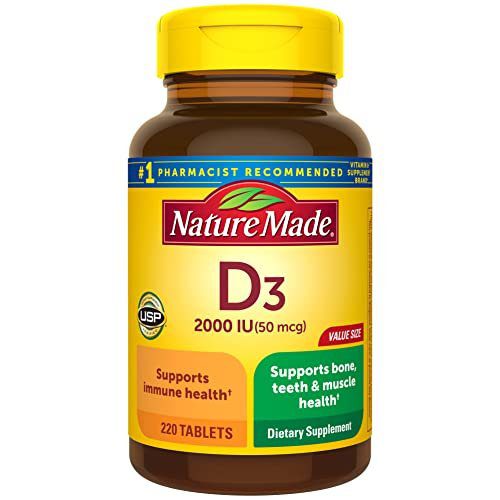
Nature Made Vitamin D3 2000 IU, 220 Tablets
Nature Made Vitamin D3 2000 IU (USP Verified) earns top marks with 4.8 stars from 24K+ reviews for effectively raising vitamin D levels at excellent value ($14.99/220 tablets). ConsumerLab approved with no contaminants detected. Minor complaints about tablet size don’t detract from its proven reliability and status as a gold standard D3 supplement.
If you want the highest odds of benefit, prioritize ingredients that either (1) correct common deficiencies or (2) have randomized controlled trials showing changes in testosterone and symptoms. Below are the standouts, with practical dosing ranges used in studies or common clinical practice.
1) Vitamin D (best when levels are low)
Vitamin D functions more like a hormone than a typical vitamin. Observational research often links low vitamin D with lower testosterone, and supplementation may help when someone is deficient.
How to use it (practical):
- Get a 25(OH)D blood test first if possible.
- If low, supplement and re-check in 8-12 weeks.
For dosage specifics and safety ceilings, use the NIH Office of Dietary Supplements vitamin D fact sheet.
2) Zinc (strongest when intake is inadequate)
Zinc is involved in hormone production and sperm health. In men with low zinc status, improving intake can improve testosterone. In men who already get enough, extra zinc is much less likely to help.
How to use it (practical):
- Consider zinc if your diet is low in seafood, red meat, or fortified foods.
- Typical supplement ranges are often 15-30 mg/day, but long-term high dosing can lower copper.
Safety tip: If you supplement zinc for more than a couple of months, ask a clinician about whether you also need copper monitoring.
3) Magnesium (often overlooked, especially in active people)
Magnesium status is commonly suboptimal, and magnesium plays a role in free testosterone (the biologically active fraction). Some studies suggest magnesium supplementation can increase both free and total testosterone, including in active individuals.
How to use it (practical):
- If your diet is low in nuts, legumes, leafy greens, and whole grains, magnesium is worth considering.
- Many people tolerate magnesium glycinate well.
4) Ashwagandha (best for stress, sleep, and some fertility contexts)
Ashwagandha is one of the more consistent herbal options in human trials. Studies in specific groups have reported testosterone increases around the mid-teens percentage-wise, alongside improvements in stress markers and some performance measures.
Common study dosing:
- Often 300-600 mg/day of a standardized root extract for 8-12 weeks
5) Fenugreek (promising for libido and training support)
Fenugreek has moderate evidence for supporting free and total testosterone and improving symptoms such as low libido in some men. One commonly cited protocol is 600 mg/day for about 12 weeks, with some participants reporting improvements in strength-related outcomes as well.
6) Tongkat Ali (Eurycoma longifolia) (emerging, quality matters)
Tongkat Ali is widely marketed, and evidence is still developing. Some trials suggest potential benefits for stress, mood, and sexual health, with possible testosterone support in certain populations. For a closer look at what those trials actually found and who is most likely to benefit, read our evidence review of whether tongkat ali really works.
If you’re considering it, prioritize quality and dosing transparency. UsefulVitamins has a dedicated guide to help you compare options: best tongkat ali supplements.
Visual: evidence snapshot table
| Supplement | Evidence strength (overall) | Best candidate | Main “watch-outs” |
|---|---|---|---|
| Vitamin D | Strong if deficient | Low 25(OH)D | Over-supplementation risk |
| Zinc | Strong if deficient | Low intake/deficiency | Copper depletion at high doses |
| Magnesium | Moderate | Low intake, active | GI upset at high doses |
| Ashwagandha | Moderate | Stress, sleep issues | Sedation, thyroid meds caution |
| Fenugreek | Moderate | Libido, training | GI effects, odor, med interactions |
| Tongkat Ali | Emerging | Stress/libido focus | Adulteration risk |
If you’re also building a broader routine for energy and training, compare these options alongside other athletic performance supplements so you’re not relying on one category to do everything.
How to choose a product that’s safe, correctly dosed, and worth buying
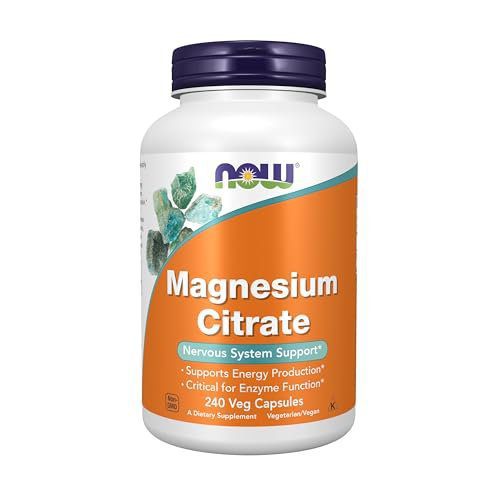
NOW Supplements, L-Tyrosine 500 mg, Supports Mental Alertness*, Neurotransmitter Support*, 120 Capsules
NOW Foods Zinc Picolinate 50mg (120 capsules) is a top-rated choice with 4.6 stars from over 12,400 Amazon reviews, praised for its superior absorption and immune/testosterone benefits. Reddit communities endorse it as a reliable, affordable option from a trusted brand with solid third-party testing, though take with food to avoid stomach issues—excellent affiliate pick at ~$15.
The supplement aisle is crowded for a reason: testosterone support sells. But the gap between marketing and measurable results can be large. Choosing well is less about the “hottest” ingredient and more about dosing, testing, and quality control.
Step 1: Test first (or at least screen intelligently)
Before starting, consider labs that help you understand the “why,” not just the number:
- Total testosterone (morning draw is typical)
- Free testosterone (especially if symptoms don’t match total T)
- SHBG (affects free testosterone availability)
- Vitamin D (25(OH)D), zinc status when appropriate, and sometimes magnesium intake assessment
- If symptoms suggest it: thyroid markers, A1c, lipids
Actionable takeaway: Supplements work best when they’re targeted. “Guessing” often leads to expensive urine.
Step 2: Avoid proprietary blends that hide doses
If a label lists a long blend without exact amounts for each ingredient, you can’t tell whether it matches study dosing. Under-dosing is common.
Prefer products that:
- List exact milligrams per ingredient
- Use standardized extracts when relevant (for herbs)
- Avoid unnecessary stimulants if sleep is already an issue
Step 3: Look for third-party testing
Because quality varies, third-party testing reduces the risk of contamination or label inaccuracies. Look for programs such as NSF or USP where applicable, especially if you compete in sport or want extra assurance.
Step 4: Match the ingredient to the symptom
A common mistake is choosing based on a single promise like “boost T,” rather than the bottleneck.
Use this matching guide:
| Your main issue | What to prioritize first | Supplement candidates (if appropriate) |
|---|---|---|
| Poor sleep, high stress | Sleep schedule, stress habits | Ashwagandha, magnesium |
| Low sun exposure | Check vitamin D | Vitamin D |
| Low libido, low drive | Rule out meds, stress, relationship factors | Fenugreek, Tongkat Ali (quality brand) |
| Training plateau | Program, protein, recovery | Magnesium, ashwagandha, creatine (not a T booster) |
| Low dietary minerals | Food-first mineral intake | Zinc, magnesium (targeted) |
If you want to combine multiple products, do it deliberately. This supplement stacking guide walks through how to layer supplements without doubling up on the same nutrients.
External reality check
Retail collections from major stores can be useful for seeing what’s popular, but they’re not evidence summaries. If you browse, use it as a label-reading exercise, not proof. For example, you can compare common ingredient patterns in a large retailer category like GNC’s testosterone booster section and then verify ingredients against clinical references.
What supplements can’t do (myths, safety, and when to see a clinician)
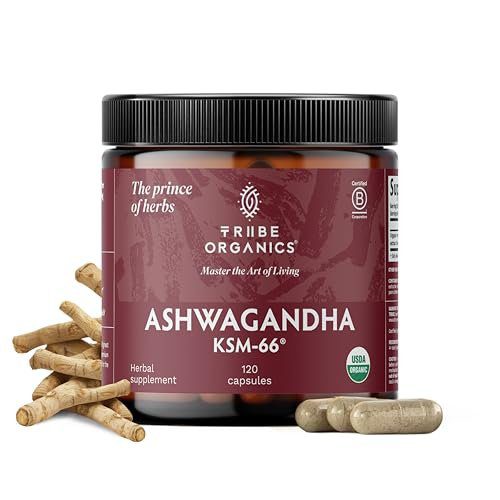
TRIBE ORGANICS KSM-66 Ashwagandha Root Extract Powder Ayurvedic Herb for Mood Support | Increase Energy | Strength – Organic | Natural | Gluten Free | Non GMO | Full-Spectrum – 100g Pouch
TRIBE ORGANICS KSM-66 Ashwagandha Root Extract Powder delivers a full-spectrum organic extract in a 100g pouch, positioned as an Ayurvedic herb for mood support, energy, and strength in the natural testosterone boosters category. The powder form suits custom dosing but shares the earthy taste issues common to ashwagandha roots. User feedback on similar Tribe Organics KSM-66 products notes calming effects and consistent benefits, making it a straightforward pick for those mixing their own supplements.
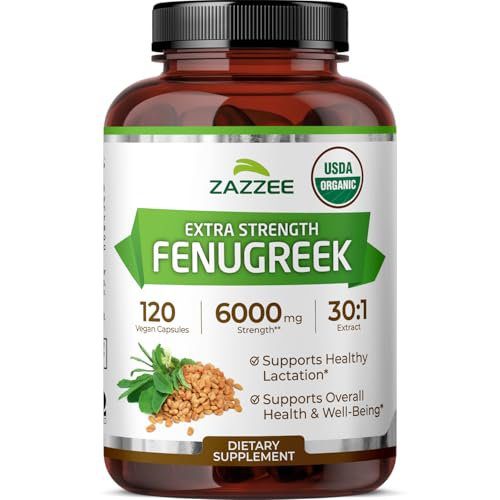
Zazzee USDA Organic Fenugreek 30:1 Extract, 120 Vegan Capsules, 4 Month Supply, Breastfeeding & Lactation Support for Nursing Mothers, Organic Herbal Supplement, All-Natural, Non-GMO, Made in the USA
Zazzee USDA Organic Fenugreek 30:1 Extract comes as 120 vegan capsules, a 4-month supply at one per day, with each delivering 6000 mg strength from concentrated fenugreek seed. It’s positioned for breastfeeding and lactation support in nursing mothers, made in the USA as an all-natural, non-GMO organic herbal supplement. Lacks direct tie to testosterone boosting in a best supplements context.
The most expensive mistake is treating supplements like a substitute for medical evaluation. Low testosterone symptoms overlap with many other issues – depression, thyroid dysfunction, anemia, sleep apnea, medication side effects, and overtraining.
Myth 1: “All boosters dramatically raise testosterone”
Reality: Many people see small changes or none. When increases happen, they’re often modest and population-specific. Even in promising trials, results don’t generalize to every healthy, younger man.
Myth 2: “Supplements can replace TRT”
Reality: Over-the-counter products are not FDA-approved to treat hypogonadism. If someone has clinically low testosterone confirmed on repeat testing, a clinician should discuss underlying causes and appropriate treatment options.
Myth 3: “More is better”
Reality: Higher doses can backfire. Examples:
- Too much zinc can contribute to copper deficiency over time.
- High-dose vitamin D can raise calcium levels and cause harm.
- Multi-ingredient blends can stack overlapping compounds without you realizing it.
For supplement safety basics and upper limits, NIH fact sheets are a reliable starting point, including the NIH Office of Dietary Supplements zinc fact sheet.
Who should be extra cautious
Talk with a clinician before using testosterone supplements if you:
- Have a history of prostate cancer or significant prostate symptoms
- Have sleep apnea (treated or untreated)
- Use medications that affect hormones or blood pressure
- Are trying to conceive and want a targeted plan
- Are managing liver, kidney, or cardiovascular disease
Visual: red flags that deserve medical evaluation
- Very low libido plus erectile dysfunction that’s new or worsening
- Breast tenderness or enlargement
- Infertility concerns
- Severe fatigue with low mood
- Repeated low morning testosterone on labs
What to do instead (or alongside)
If you want a non-supplement plan that often moves the needle:
- Lift weights 2-4x/week (progressive overload)
- Sleep 7-9 hours and screen for sleep apnea if needed
- Reduce waist circumference if overweight (even 5-10% loss can help hormones)
- Eat enough protein, include healthy fats, and cover micronutrients
If hormone regulation is your broader goal (not only testosterone), explore hormonal balance supplements for a more complete framework.
Building a supplement routine for this? Our companion app, StackMyMed, lets you scan each product, track your real daily intake, and get timing reminders plus interaction checks across your whole stack.
Conclusion
Testosterone supplements are most useful when they’re targeted – correcting a deficiency (vitamin D, zinc), supporting recovery and stress (magnesium, ashwagandha), or addressing specific symptoms (fenugreek, possibly Tongkat Ali). For many men, the best outcome is a modest lab change paired with better sleep, training consistency, and improved well-being.
A smart next step is simple: get baseline labs, pick one evidence-based ingredient at an effective dose, and reassess in 8-12 weeks. If you want to align your plan with performance goals, review the best supplements to build muscle and, if combining products, use the supplement stacking guide to keep your routine focused and safe.
As an Amazon Associate, I earn from qualifying purchases. Product recommendations are based on real reviews and independent research.
