
High blood pressure is common, stubborn, and often silent – which is why so many people search for supplements for high blood pressure hoping for a safe, natural edge. The good news: a handful of nutrients and extracts have decent human research behind them, and the typical blood pressure drop (often a few mmHg) can matter at the population level. The not-so-good news: supplements can also interact with medications, and more is not always better. This article breaks down what’s most supported, realistic dosing ranges, and how to use supplements safely alongside lifestyle and prescriptions.
Summary / Quick Answer: What are the best supplements for high blood pressure?
If you’re looking for supplements for high blood pressure, research most consistently supports these options (with modest but meaningful average reductions):
- Magnesium (about 300-600 mg/day): often lowers systolic and diastolic BP slightly, especially in people with hypertension.
- Potassium (prefer food; supplements only with medical guidance): can lower systolic BP by several points, but isn’t safe for everyone.
- Omega-3s (about 2-3 g/day EPA+DHA): small BP reductions plus triglyceride and vascular benefits.
- CoQ10 (about 100-200 mg/day): may reduce systolic BP in people with diagnosed hypertension.
- Aged garlic extract (about 600-1,200 mg/day): modest reductions in some trials.
- Vitamin C (about 500-1,000 mg/day): mixed evidence; may help endothelial function.
- L-arginine (about 4-6 g/day): mild reductions in some groups via nitric oxide.
Best results usually come from pairing supplements with proven habits (less sodium, more activity, weight management) and appropriate medication.
Supplements for High Blood Pressure That Actually Have Human Evidence
It’s tempting to treat supplements like “natural blood pressure meds.” But the research story is more specific: most supplements produce small average reductions (often 2-6 mmHg), and the benefit tends to be larger when baseline blood pressure is higher.
Below is a practical snapshot of supplements with the strongest track record in human studies.
Evidence snapshot (typical ranges used in studies)
| Supplement | Common studied dose | What studies often show | Best fit for |
|---|---|---|---|
| Magnesium (citrate/glycinate often preferred) | 300-600 mg/day elemental | Small reductions in systolic and diastolic BP | People with low intake, hypertension, or metabolic risk |
| Potassium (prefer food) | Aim 3,500-4,700 mg/day total intake | Often lowers systolic BP several mmHg | People eating low-potassium diets (only if safe) |
| Omega-3 (EPA+DHA) | 2-3 g/day | Small BP reductions, better vascular markers | People with high triglycerides or low fish intake |
| CoQ10 | 100-200 mg/day | May lower systolic BP in hypertension | People on statins or with low CoQ10 status |
| Garlic extract (aged) | 600-1,200 mg/day | Modest BP reductions in some trials | People who tolerate garlic well |
| Vitamin C | 500-1,000 mg/day | Mixed; may help endothelial function | People with low fruit/veg intake (as a gap-filler) |
| L-arginine | 4-6 g/day | Mild BP reductions in some groups | Select adults without contraindications |
What’s driving these effects? Often it’s improved blood vessel relaxation (nitric oxide pathways), reduced oxidative stress, or better sodium-potassium balance.
For a deeper look at magnesium specifically, UsefulVitamins also covers best magnesium supplements for heart health and practical safety considerations.
External evidence note: Hypertension is extremely common – roughly half of U.S. adults meet criteria – and lowering blood pressure reduces risk of stroke and heart disease, as summarized by the CDC’s high blood pressure overview.
Magnesium, Potassium, and Omega-3s: The “Foundation” Trio for BP Support
Nature Made Magnesium Citrate 250 mg, 100 Tablets
Nature Made Magnesium Citrate 250 mg earns a strong 4.7-star rating from over 15,000 Amazon reviews, with USP verification ensuring quality and purity. Reviewers love its effectiveness against cramps and for better sleep at a budget-friendly $14.99 price, though sensitive stomachs may experience mild laxative effects—ideal for those needing a reliable, tested citrate form.
If someone wants to start with the highest-upside, most “nutrient-like” options, magnesium, potassium (usually from food), and omega-3s are a sensible trio to evaluate first. They’re not magic, but they map well to common dietary gaps and known physiology.
Magnesium: small numbers, big relevance
Magnesium helps regulate vascular tone – think of it as a mineral that supports the “relax” signal in blood vessel walls. Meta-analyses generally find modest average reductions, often around a couple mmHg, with stronger effects in people who already have hypertension.
How to use it well
- Form matters for tolerance. Magnesium glycinate and citrate are commonly better tolerated than oxide.
- Start low, then adjust. Many people do better starting around 100-200 mg/day and increasing as tolerated.
- Watch medication interactions. If you’re on blood pressure meds, diuretics, or certain antibiotics, timing and dose can matter. See magnesium and blood pressure medication interactions for a practical safety rundown.
Potassium: powerful, but not always safe as a supplement
Potassium often shows one of the larger average systolic BP reductions in nutrition research because it counterbalances sodium and changes how the kidneys handle fluid and electrolytes.
The key catch: potassium supplements are not a DIY option for everyone. If you take ACE inhibitors, ARBs, potassium-sparing diuretics, or have kidney disease, extra potassium can be dangerous.
Safer approach
- Aim to raise potassium primarily through food (beans, lentils, potatoes, yogurt, leafy greens, avocado).
- If you’re considering pills, read potassium supplements and ACE inhibitors first and confirm with your clinician.
Omega-3s: modest BP change, broader cardiovascular upside
Omega-3 fatty acids (EPA and DHA) can slightly lower blood pressure, but many people choose them for the “bundle” of benefits: triglyceride lowering, improved endothelial function, and anti-inflammatory effects.
How to choose
- Look for a label that clearly lists EPA + DHA amounts (not just “fish oil”).
- Consider third-party testing for purity and oxidation.
UsefulVitamins covers selection details in fish oil for heart health.
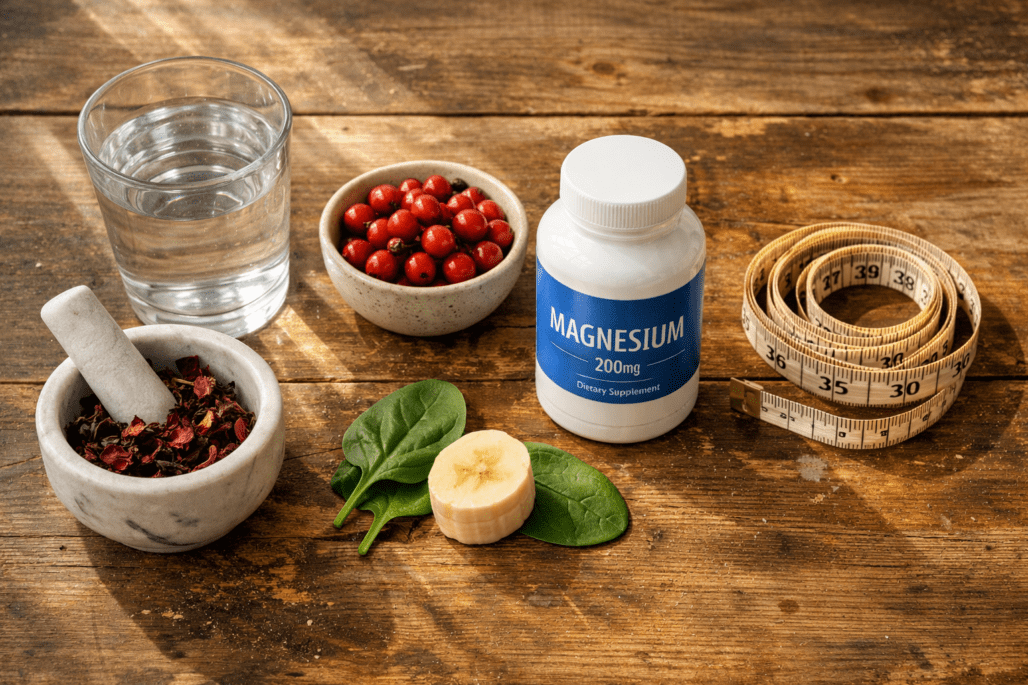
Image alt text: “Table of magnesium, potassium, and omega-3 dosing ranges as supplements for high blood pressure”
CoQ10 and Garlic Extract: When Oxidative Stress and Vascular Function Matter
Kirkland Signature Omega-3 Fish Oil 1000 mg, 400 Softgels
Kirkland Signature Omega-3 Fish Oil 1000 mg (400 softgels) is an excellent affiliate recommendation, offering USP-verified quality, ConsumerLab approval, and a stellar 4.7-star rating from over 24,000 Amazon reviews at just $19.99—delivering strong EPA/DHA doses at a fraction of premium brand prices, with Reddit users consistently endorsing it for value and efficacy despite minor swallowability complaints.
Some supplements show their best results in people who already have diagnosed hypertension, especially when oxidative stress and endothelial dysfunction are part of the picture. CoQ10 and aged garlic extract fit here.
CoQ10: promising for diagnosed hypertension (and common with statins)
CoQ10 is involved in mitochondrial energy production and also functions as an antioxidant. Several clinical trials suggest CoQ10 may reduce systolic blood pressure by a few mmHg in people with hypertension, but it doesn’t appear to do much for people starting with normal readings.
Practical takeaways
- Dose: 100-200 mg/day is commonly studied.
- Timing: benefits may take a few weeks to show.
- Medication safety matters: CoQ10 can interact with certain drugs (including warfarin), and people on multiple BP meds should be cautious. UsefulVitamins breaks down the details in CoQ10 and blood pressure medication safety.
For broader context on hypertension and why small reductions matter, the American Heart Association’s hypertension resources explain the long-term risk reduction tied to better BP control.
Garlic extract: not the same as “just eat more garlic”
Garlic supplements vary widely. Studies that show BP benefits often use aged garlic extract, which standardizes key compounds and tends to be easier on digestion than raw garlic for some people.
How it may work
- Supports nitric oxide signaling and vessel relaxation
- May reduce oxidative stress in the vascular lining
How to use it
- Dose: commonly 600-1,200 mg/day (varies by product standardization)
- Watch for: reflux, odor, and potential bleeding risk at higher intakes, especially if you take antiplatelet or anticoagulant medications
Quick comparison: CoQ10 vs garlic
| If you relate to this… | Consider… | Why |
|---|---|---|
| On statins, low energy, multiple cardiometabolic risks | CoQ10 | Antioxidant and mitochondrial support; studied in hypertension |
| Prefer plant-based options, tolerate garlic well | Aged garlic extract | Consistent trial data for modest BP lowering |
Vitamin C, L-Arginine, Hibiscus, and Fiber: Helpful Add-Ons (With Caveats)
Qunol Ultra CoQ10 100 mg, 120 Softgels
Qunol Ultra CoQ10 100mg 120 softgels stands out with its patented water- and fat-soluble formula for 3x better absorption, earning a solid 4.6 stars from over 12,400 Amazon reviews and USP verification for quality. Reviewers praise its energy-boosting effects and ease of use, making it a top affiliate pick for heart health and statin users despite the slightly higher price.
Garlique Aged Garlic Extract 600 mg, 120 Capsules
Aged garlic extract is mentioned as having modest effects on blood pressure, making this product a good fit.
This is the category that often gets overhyped online. These options can be useful, but they’re more context-dependent. Think of them as “add-ons” after the basics (diet pattern, sodium reduction, activity, sleep, and appropriate medication).
Vitamin C: mixed results, but biologically plausible
Vitamin C supports nitric oxide availability and endothelial function, which is why it’s frequently studied in BP research. Some trials show systolic reductions, others show minimal change.
When it makes sense
- Low fruit and vegetable intake
- Higher oxidative stress lifestyle factors (smoking, poor sleep, high stress)
- You want a short-term trial with clear tracking
Dose used in studies: often 500-1,000 mg/day.
L-Arginine: nitric oxide support, but not for everyone
L-arginine is a precursor to nitric oxide, a key vasodilator. Some studies show mild reductions, especially in mild hypertension, but results vary.
Use with extra caution if you
- Take nitrates or PDE-5 inhibitors
- Have herpes outbreaks (arginine can be a trigger for some)
- Have asthma or significant GI sensitivity (higher doses can cause digestive upset)
Hibiscus: “tea as a tool”
Hibiscus tea contains anthocyanins and other compounds that may support mild diuretic and antioxidant effects. Several randomized trials suggest hibiscus can lower systolic and diastolic BP modestly in some adults, including those with metabolic issues.
Easy, practical use
- 1-2 cups/day of unsweetened hibiscus tea
- Avoid sweetened bottled versions that add sugar
Fiber: underrated for BP (and for overall cardiometabolic health)
Fiber is not a classic “supplement for blood pressure,” but increasing fiber intake is consistently linked with better cardiovascular markers, including blood pressure. Many adults fall short of recommended intakes.
How to apply
- Food-first: beans, oats, berries, chia, flax, vegetables
- Supplement option: psyllium can help if diet changes are hard at first
“Add-on” checklist (simple and actionable)
- If your diet is low in produce: consider vitamin C or hibiscus.
- If your diet is low in legumes and whole grains: prioritize fiber.
- If you’re exploring nitric oxide support: consider L-arginine only with medication review.

Image alt text: “Checklist of add-on supplements and foods for high blood pressure support including hibiscus, fiber, vitamin C, and L-arginine”
Safety First: Interactions, Who Should Avoid Certain Supplements, and Realistic Expectations
The biggest mistake with supplements for blood pressure isn’t choosing the “wrong” one. It’s skipping the safety step, especially if you take prescriptions.
Realistic expectations (what supplements can and can’t do)
Most evidence-based supplements produce modest average reductions, often in the 2-6 mmHg range. That can still matter, but it usually won’t replace medication when hypertension is established.
A better way to think about supplements is like adding small weights to the “better BP” side of the scale:
- DASH-style eating pattern
- Less sodium, more potassium-rich foods (when appropriate)
- Weight loss if needed
- Regular aerobic and resistance exercise
- Better sleep and less alcohol
- Medication when indicated
- Then supplements as supportive tools
For lifestyle fundamentals, the Mayo Clinic’s high blood pressure guide provides a clinician-aligned overview.
Supplements that can backfire
Some products can raise blood pressure or interfere with medications. Cleveland Clinic highlights several common concerns in its overview of supplements and vitamins to avoid with high blood pressure.
Common examples to avoid or discuss with a clinician:
- Licorice root (can raise BP and lower potassium)
- St. John’s wort (drug interactions)
- Bitter orange, guarana, stimulant blends (can raise BP and heart rate)
- High-dose vitamin E (may increase bleeding risk in some people)
Medication interaction red flags (quick screen)
Bring this list to your next appointment or pharmacist consult if you use BP meds:
- ACE inhibitor/ARB + potassium supplement: higher risk of hyperkalemia
(See potassium supplements and ACE inhibitors.) - Multiple BP meds + magnesium: may contribute to lightheadedness in some people, especially if dehydrated
(See magnesium and blood pressure medication interactions.) - Warfarin or bleeding risk + garlic or fish oil: needs individualized guidance
- BP meds + CoQ10: review your regimen and monitor
(See CoQ10 and blood pressure medication safety.)
A simple “start smart” plan
- Confirm your baseline: take home BP readings for 7 days (same time, seated, rested).
- Choose one supplement at a time: avoid stacking so you can tell what helps.
- Use a trial window: 6-8 weeks is reasonable for many options.
- Track side effects: dizziness, swelling, palpitations, GI upset.
- Re-check labs when relevant: potassium and kidney function if potassium intake is rising.
Conclusion: The safest way to use supplements for high blood pressure
The best supplements for high blood pressure are the ones that fit your physiology, your medications, and your diet gaps. Magnesium, potassium (usually from food), omega-3s, CoQ10, and aged garlic extract have the most consistent human evidence for modest BP reductions, while vitamin C, L-arginine, hibiscus, and fiber can be helpful add-ons for the right person.
The next step is simple: pick one evidence-based option, confirm it’s compatible with your medications, and track home readings for a few weeks. For deeper guidance on smart choices and safety, explore best magnesium supplements for heart health and fish oil for heart health.
As an Amazon Associate, I earn from qualifying purchases. Product recommendations are based on real reviews and independent research.
