
Shopping for supplements on a budget can feel like a gamble – especially online, where labels do not always match what’s inside the bottle. NOW Foods supplements are often recommended as an affordable option, but many readers want to know one thing: are they actually good quality? This article breaks down what independent testing has found, where NOW stands out (and where it doesn’t), and how to choose the right products for your goals. You’ll also get practical buying tips to avoid common quality pitfalls and wasted money.
Affiliate disclosure: this article contains affiliate links. As an Amazon Associate, UsefulVitamins.com earns from qualifying purchases at no extra cost to you.
Summary / Quick Answer
Yes – NOW Foods supplements are generally a solid pick for quality and value, especially for budget-conscious shoppers, but it’s smart to choose products and retailers carefully.
Here’s the quick decision guide:
- Quality track record: Independent testing from ConsumerLab’s NOW Foods brand review shows most tested products met quality standards (with many “Top Picks” for value).
- Best fit for: People who want affordable vitamins and a wide selection without paying premium-brand prices.
- Main tradeoff: Much of the brand’s testing is in-house, so shoppers who only buy USP or NSF-certified products may prefer other brands.
- Buying tip: Purchase from NOW directly or well-known authorized retailers when possible, and use label-reading basics (dose, form, excipients, serving size).
- If you’re highly sensitive to gluten: Be cautious, because broad gluten-free certification is not consistent across supplements.
What NOW Foods gets right (and what shoppers should know)
If you’ve ever looked at a supplement aisle and wondered why one vitamin D costs $6 and another costs $26, you’re not alone. Price differences often come down to branding, testing programs, forms of nutrients, and supply chain controls – not just “better ingredients.”
NOW Foods has been around since 1968 and remains family-owned, with a catalog of hundreds of products across vitamins, minerals, probiotics, amino acids, herbs, and sports nutrition. That scale matters because larger manufacturers can sometimes keep prices down while still running robust quality checks.
A key reason NOW is frequently discussed in a “budget but reputable” category is that independent testing has validated many of its products. In ConsumerLab’s NOW Foods brand testing summary, the majority of tested items met quality standards, and multiple products earned “Top Picks” based on potency, purity, and value.
That said, shoppers should keep two realities in mind:
Most supplement quality testing in the U.S. is voluntary. The FDA does not pre-approve supplements for effectiveness before they hit shelves. The agency explains this regulatory structure in its dietary supplement oversight information.
“Reputable” doesn’t mean “perfect for every person.” If you need strict third-party certification for sport (banned substances) or medical reasons (allergen control), you’ll want to be more selective within the brand.
A quick “pros vs. watch-outs” snapshot
| Category | What tends to be strong | What to watch |
|---|---|---|
| Value | Competitive pricing across many categories | Some specialty formulas still cost more |
| Selection | Very wide product range | Easy to overbuy or stack duplicates |
| Quality | Many products independently pass testing | Not every item has third-party seals |
| Transparency | Labels are usually detailed and consistent | Allergen statements vary by product |
Actionable takeaway: Treat NOW like a large, generally reliable “toolbox.” Pick the right tool for your goal, then verify dose, form, and retailer.
For a broader framework on what “quality” means across brands, see Supplement Quality Indicators: How to Choose Safe Products.
NOW Foods supplements review: quality testing, third-party checks, and what it means for you
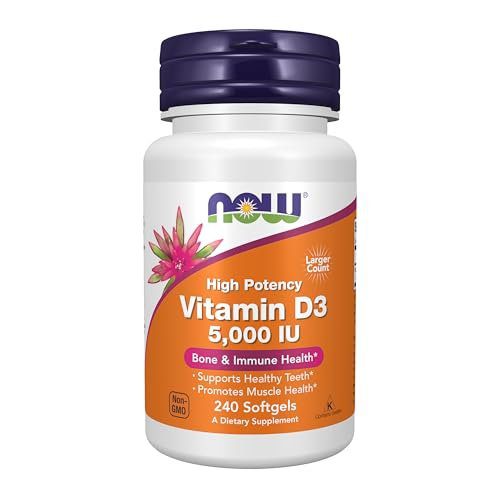
NOW Foods Vitamin D-3 5000 IU, 240 Softgels
NOW Foods Vitamin D-3 5000 IU 240 Softgels is a top-rated, budget-friendly choice with 4.7 stars from over 24,000 Amazon reviews, praised for its high potency and value. Reddit communities endorse it for effective deficiency correction, backed by ConsumerLab testing confirming label accuracy and purity, making it ideal for those needing strong supplementation—just monitor blood levels with this potent dose.
Most people don’t want a lecture on manufacturing – they want to know whether a brand’s products are likely to contain what the label says, at the labeled dose, without avoidable contamination.
Here’s the clearest way to think about quality:
- In-house testing can be rigorous, but you’re relying on the company’s system.
- Third-party testing adds an independent checkpoint, which matters to many shoppers.
Dietitian-reviewed coverage from Healthline’s NOW vitamins overview describes NOW as reputable, citing internal standards and testing, while also noting the limitation that many checks are not fully independent. That’s a fair summary of the tradeoff.
Where this becomes more than theory is in independent lab results. In ConsumerLab’s independent NOW Foods testing, most products tested met requirements for identity and potency. That’s the kind of evidence that helps separate “cheap” from “good value.”
Why the Amazon quality controversy matters (even if you don’t buy on Amazon)
In 2021, NOW published its own investigation into competitor supplements being sold on Amazon, reporting widespread issues with potency and labeling accuracy. The story drew attention across the industry and contributed to stricter marketplace requirements. You can read NOW’s summary in its article on quality issues found in supplements sold on Amazon.
Even with improvements since then, the bigger lesson is this:
- Retail channel affects risk. Counterfeits, improper storage, and third-party sellers can all change what arrives at your door.
A practical “quality checklist” you can use in 60 seconds
Use this quick scan before you buy any supplement – NOW or otherwise:
- Check the form and dose (example: vitamin D3 vs D2, magnesium glycinate vs oxide).
- Look for testing cues (GMP statements, sport certifications, or independent verification).
- Confirm the seller (brand site, authorized retailer, or reputable pharmacy chain).
- Avoid mega-stacks unless you’ve checked for overlap (like vitamin A, zinc, iron).
- Match dose to your need (bloodwork and clinician guidance beat guesswork).
Actionable takeaway: A good brand can still be a bad purchase if the dose is wrong or the seller is unreliable. For help with the label side, bookmark How to Read Supplement Labels: A Complete Guide.
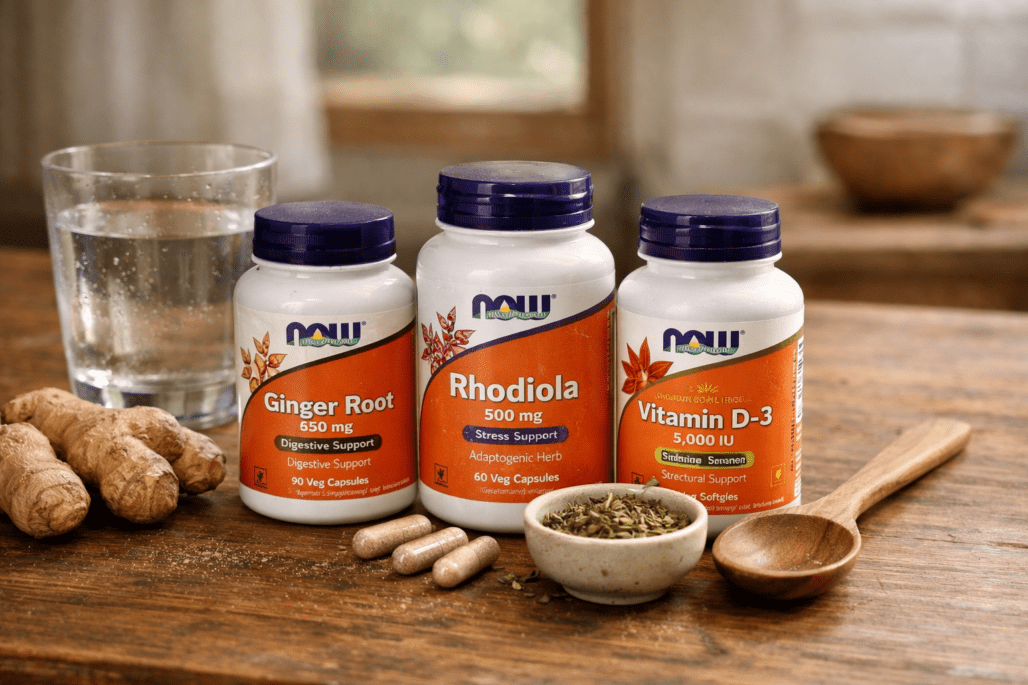
Image alt text: NOW Foods supplement bottles with label checklist for potency, serving size, and third-party testing.
Best NOW picks for common goals (vitamin D, probiotics, multivitamins)
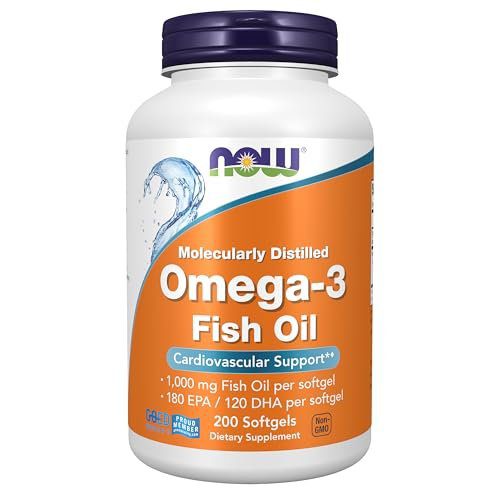
NOW Foods Supplements, Omega-3 180 EPA / 120 DHA, Molecularly Distilled, Cardiovascular Support*, 200 Softgels
NOW Foods’ Omega-3 with 180 mg EPA and 120 mg DHA per softgel is a straightforward fish oil supplement in a 200-softgel bottle, molecularly distilled and positioned for cardiovascular support. It scores as a solid middle-ground option—acceptable formula and no red flags, though not exceptional on every measure.
The hardest part of buying supplements is not choosing a brand. It’s choosing the right product within the brand for your goal, diet, and tolerance.
Below are a few NOW products that often come up in real-world routines, plus what to consider before adding them.
Quick product guide (who they fit best)
| Product type | What it’s typically used for | What to check before buying |
|---|---|---|
| Vitamin D-3 (high potency) | Low vitamin D status, limited sun exposure | Your lab values, total IU from all sources |
| Multi (daily baseline) | Filling common micronutrient gaps | Iron content, methylated vs standard B vitamins |
| Probiotic blends | Digestive comfort, travel support, regularity | Strain list, CFUs at expiration, storage needs |
Vitamin D-3: high potency can be helpful – or unnecessary
NOW’s vitamin D softgels are popular because they’re simple and cost-effective. Many shoppers choose higher-potency options like 5,000 IU for convenience, but higher dose does not automatically mean “better.”
Vitamin D status is individual. It depends on sun exposure, skin pigmentation, body weight, diet, and existing blood levels. The NIH Office of Dietary Supplements vitamin D fact sheet outlines recommended intakes, upper limits, and risk considerations.
Practical guidance:
- If you’re using 5,000 IU daily, consider confirming need with a 25(OH)D blood test and clinician input.
- If you already take a multivitamin plus D, add up totals to avoid accidental over-supplementation.
Probiotics: strains matter more than marketing
NOW’s Probiotic-10 line is often discussed because it includes multiple strains and high CFU counts. The more important question is whether the strains are relevant to your goal.
For example, Lactobacillus acidophilus has been studied in certain diarrhea contexts, and Bifidobacterium species are commonly researched for gut barrier and immune signaling. Healthline’s dietitian-reviewed overview of NOW probiotics discusses these strain-based considerations in its NOW vitamins and supplements review.
Practical guidance:
- Choose probiotics based on symptom goal (travel, antibiotic-associated issues, IBS-type discomfort), not just CFU size.
- Store as directed. Heat and humidity can reduce viability over time.
Multivitamins: “budget-friendly” can still be well-designed
If your main goal is a daily baseline, a well-formulated multi is often the simplest entry point. NOW’s “Daily Vits” is a common pick for people who want a no-frills capsule multi. Product details are widely available through major retailers like iHerb’s listing for NOW Daily Vits.
Practical guidance:
- If you eat little or no animal foods, check B12 form and dose.
- If you have heavy periods, pregnancy planning, or anemia history, iron needs are different – don’t guess.
Actionable takeaway: Start with one goal and one product. If you’re building a simple routine, use Best Budget Supplement Stack: Quality Vitamins on a Budget to avoid duplicates and unnecessary add-ons.
Buying NOW safely: where to shop, how to avoid low-quality listings, and storage tips
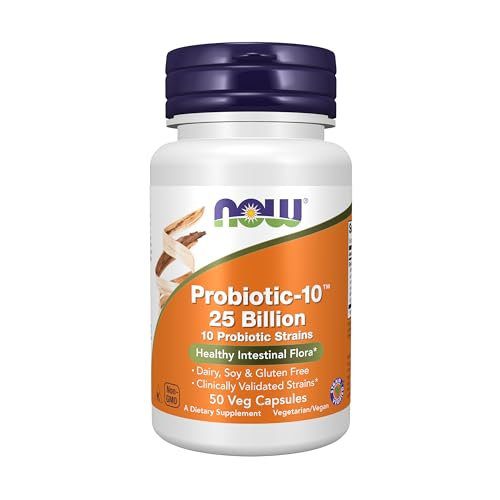
NOW Foods Probiotic-10 25 Billion, 50 Veg Capsules
NOW Foods Probiotic-10 25 Billion earns a strong 4.6/5 from over 12,400 Amazon reviews, with users frequently praising its effectiveness for digestion, high 25 billion CFU potency across 10 strains, and affordability at around $18 for 50 capsules. Reddit communities like r/supplements echo this, noting reliable gut support without refrigeration needs. Minor complaints about capsule size exist, but overall data supports it as a solid, budget-friendly probiotic recommendation from a reputable brand.
Many supplement disappointments come down to where the product was purchased and how it was handled after shipping. Heat exposure in transit, long storage in a warehouse, and third-party marketplace sellers can all turn a “good brand” into a questionable bottle.
Where to buy (lowest risk first)
A simple hierarchy helps:
- Brand-direct (NOW’s own site)
- Established authorized retailers (major supplement shops, large pharmacy chains)
- Large marketplaces – only when the seller is clearly verified and returnable
- Unknown third-party sellers (highest risk)
NOW’s public discussion of marketplace issues is worth reading, not because it proves NOW is perfect, but because it highlights a real industry problem. See NOW’s write-up on quality issues in supplements sold on Amazon.
A “safe purchase” checklist you can screenshot
- Confirm the listing shows lot number/expiration or ships fresh inventory.
- Avoid listings with weird label photos or inconsistent branding.
- Prefer products with tamper-evident seals and intact packaging.
- Choose formulas that match your needs – not influencer stacks.
Storage and shelf-life basics (small habits, real payoff)
Most supplements do best in a cool, dry place. Bathrooms and cars are common problem spots because humidity and heat fluctuate.
Use these rules:
- Keep lids tightly closed.
- Store away from direct sunlight.
- Do not “decant” into pill organizers for weeks at a time if the product is moisture-sensitive.
- Respect expiration dates – potency can decline over time.
Athletes: look for sport-specific certification
If you compete in tested sports, contamination risk is a different conversation. Some NOW products carry Informed Sport certification (varies by item), which tests for banned substances.
Actionable takeaway: If you want a general framework for comparing store brands and name brands, see Generic vs. Brand Name Supplements: Which Is Better?. The “best choice” often depends on your risk tolerance and the exact product category.

Image alt text: Checklist for buying supplements safely: authorized seller, seal intact, expiration date, and proper storage.
Common misconceptions about NOW and “budget” supplement brands
People tend to swing between two extremes: “cheap supplements are always junk” and “all supplements are basically the same.” Neither is accurate.
Let’s clear up the most common misconceptions that come up in a NOW Foods review.
Misconception 1: Budget supplements can’t be high quality
Independent testing suggests otherwise. ConsumerLab’s brand testing has found many NOW products meet label claims and quality standards, with several highlighted for value in its NOW Foods brand report.
What to do instead: Use price as a prompt to verify quality signals – not as a verdict.
Misconception 2: In-house testing automatically means you can’t trust the product
In-house testing is not meaningless. Many reputable manufacturers run extensive internal checks. The limitation is that consumers cannot always see the full data, and it’s not independent by default.
What to do instead: Look for a combination of:
- transparent labeling
- consistent manufacturing standards (GMP)
- independent verification where available
- a track record in third-party reports
For a deeper explanation of what actually predicts safety and label accuracy, use Supplement Quality Indicators: How to Choose Safe Products.
Misconception 3: “Gluten-free” is guaranteed across the whole brand
Some NOW food products may carry gluten-free labeling, but supplement lines can vary, and cross-contamination risk is hard to rule out without clear certification and allergen controls. Healthline notes this limitation in its dietitian-reviewed NOW vitamins article.
What to do instead: If you have celiac disease or high sensitivity, only buy products that clearly state gluten-free practices you trust – and consider contacting the manufacturer for clarification.
Misconception 4: If you feel better, the supplement must be working
Placebo effects, normal symptom fluctuation, and lifestyle changes often happen at the same time as supplementation.
What to do instead: Track one change at a time for 2-4 weeks, and use objective markers when possible (labs, symptom logs, sleep tracking).
Quick “myth vs reality” table
| Myth | Reality | Better approach |
|---|---|---|
| Cheap = low quality | Price and quality don’t perfectly correlate | Verify testing and seller |
| More pills = better | Overlap can cause excess intake | Keep stacks simple |
| Everyone needs high-dose D | Needs vary by labs and lifestyle | Test, then dose |
| Probiotics are interchangeable | Strains and storage matter | Choose by goal and handling |
Actionable takeaway: The best supplement is the one that fits your specific gap, at the right dose, from a reliable source. If you’re starting with a multi, see Best Value Multivitamins: Quality Nutrition on a Budget for a comparison-based approach.
Once you have picked a product, our companion app, StackMyMed, scans its label and tracks it alongside everything else you take, with timing and interaction checks built in.
Conclusion
NOW Foods supplements are generally a reliable, budget-friendly option, with a strong track record in independent testing for many products and a wide selection that makes it easy to build a simple routine. The main caution is not to assume every product has the same level of third-party verification, and not to ignore retailer quality – where you buy matters.
Next step: pick one goal (like vitamin D status, a basic multivitamin, or digestive support), confirm the dose you actually need, and use a seller you trust. For building a streamlined routine, revisit Best Budget Supplement Stack: Quality Vitamins on a Budget and keep How to Read Supplement Labels: A Complete Guide handy so you can spot red flags fast.
As an Amazon Associate, I earn from qualifying purchases. Product recommendations are based on real reviews and independent research.
