

Affiliate disclosure: this article contains affiliate links. As an Amazon Associate, UsefulVitamins.com earns from qualifying purchases at no extra cost to you.
If you are searching for the best supplements for intermittent fasting, you have probably already settled on a window (16:8, 18:6, OMAD) and want to know which supplements you can take during the fasting hours without erasing the metabolic point of the protocol.
Quick Answer: which fasting supplements are safe and which break the fast?

The 2 to 3 we would actually start with:
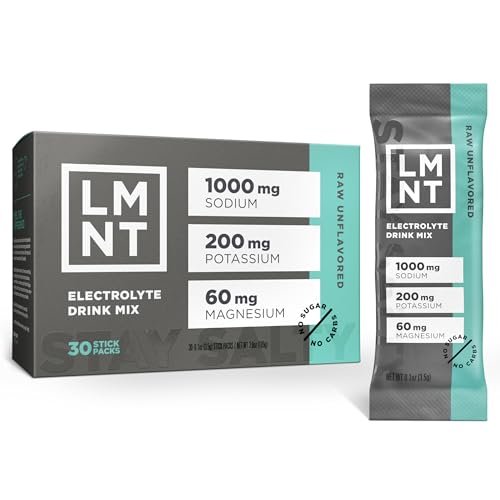
- An unflavored electrolyte mix with roughly 1,000 mg sodium, 200 to 400 mg potassium, and 100 to 200 mg magnesium per serving, zero calories, zero sweeteners that taste sweet. This is the only group of supplements that is fast-safe by every definition (strict autophagy, insulin, caloric) and prevents the headache-cramp-fog cluster that wrecks longer fasts.
- Plain black coffee or green tea, no milk, no sweetener. Calorie load is around 2 to 5 kcal per cup, insulin response is minimal in fasted humans, and caffeine independently raises lipolysis and ketone availability during the fast.
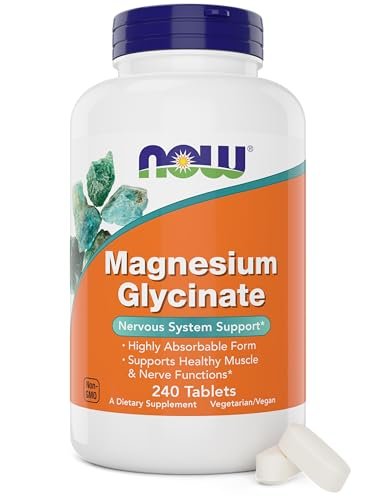
- A single magnesium glycinate or citrate capsule at the start of the fasting window, 200 to 400 mg elemental magnesium. Magnesium deficiency is endemic per the NIH ODS magnesium fact sheet, and the capsule shell carries trivial calories.
Who should not start with these: type 1 diabetics, type 2 diabetics on insulin or a sulfonylurea, anyone with a personal or family history of anorexia or bulimia, pregnant or breastfeeding women, anyone with a history of refeeding-relevant hospitalization, and anyone on prescription glucose-lowering drugs. Prolonged fasting in these populations risks hypoglycemia, eating-disorder relapse, or fetal nutrient compromise. Consult your prescriber, your OBGYN, or an eating-disorder-trained clinician before fasting.
What to do FIRST: decide what kind of "fast" you actually care about, because the supplement decision tree branches there. If you are doing IF for blood-sugar control or weight, you only need to protect insulin and roughly stay under about 50 kcal in the fasting window. If you are doing IF for autophagy in the strict sense, you cannot consume calories at all, and most of the "fast-friendly" supplements on Amazon disqualify themselves.
What intermittent fasting actually is, biochemically
Intermittent fasting is a family of time-restricted or alternate-day eating patterns, not a diet composition. The common protocols are 16:8, 18:6, the 20:4 "warrior" window, OMAD (one meal a day), 5:2 (two non-consecutive days at 500 to 800 kcal), and alternate-day fasting. The NEJM review by de Cabo and Mattson is the most cited summary of mechanism: somewhere around hours 12 to 36 of a fast, hepatic glycogen depletes, insulin falls, glucagon rises, fatty acid oxidation accelerates, and the liver shifts to ketone bodies (acetoacetate, beta-hydroxybutyrate). This is the "metabolic switch."
Three pathways do most of the work people care about. Insulin signaling drops, which relieves chronic mTOR activation. AMPK rises with low cellular energy charge and turns on catabolic programs. Macroautophagy, reviewed by Mizushima, is upregulated when nutrient sensors detect fasting. The autophagy story is the one that pulls a lot of fasters in, and it is also where the evidence is most overstated. Most autophagy data come from rodents at fasts of 24 to 48 hours. In humans the time course is less clear and the magnitude smaller. Conventional first-line care for the conditions IF is marketed against (weight gain, prediabetes, insulin resistance) is still a structured hypocaloric diet, resistance training, and where appropriate metformin or GLP-1 agonists under prescriber care.
What "breaks a fast" actually means

The phrase "breaks the fast" is used three different ways and the supplement decision depends on which one you mean.
Strict autophagy definition. Anything with measurable calories or detectable amino acid load disrupts the nutrient-sensing inputs (mTOR, GCN2) that gate autophagy. BCAAs, protein powder, MCT oil, milk in coffee, sweet-tasting sweeteners, and gummy vitamins all break the fast.
Metabolic-fast definition (insulin response). What matters is whether the supplement provokes an insulin response that interrupts the metabolic switch. Sweeteners with no measurable insulin response are debated, MCT oil produces a small but nonzero insulin response, electrolytes do not, and black coffee does not in fasted adults at typical doses.
Caloric-fast definition. Anything under roughly 50 kcal is treated as tolerated. This is the version most popular fasting authors use because it is the only one where MCT oil and bone broth and "fat fasts" survive.
The honest framing for the rest of this article: I will tell you, per supplement, which definition it survives and which it violates. That is more useful than a yes/no list.
Strongest evidence: the supplements that are genuinely fast-safe
Sodium, potassium, magnesium electrolytes
Why it helps. Insulin holds sodium in the kidney. When insulin falls during a fast, sodium excretion rises, urine output rises, and people lose 2 to 5 lb of water plus electrolytes in the first 48 hours. The result is the headache, light-headedness, calf cramps, and "brain fog" cluster. Magnesium and potassium are also lost; the NIH ODS magnesium fact sheet reports that roughly half of US adults are below the EAR for magnesium at baseline. Mechanistically, electrolytes do not engage mTOR, AMPK, or insulin signaling.
What the trials show. There is no large RCT specifically testing electrolyte powders for fasting outcomes, because the question is more physiological than clinical. The standard-of-care reference is the NIH ODS potassium fact sheet plus the ConsumerLab electrolyte review, which has flagged products with sodium far below labeled amount and products carrying enough sugar to disqualify them as fasting aids.
Dose used in practice. Roughly 1,000 to 2,000 mg sodium, 200 to 400 mg potassium, and 100 to 200 mg magnesium per day across the fasting window, split into two servings.
Form to look for. Unflavored or naturally flavored powders with no sucrose, dextrose, or maltodextrin. Sucralose and stevia are calorically negligible but a small subset of fasters report a sweet-taste insulin bump, so the conservative choice is unflavored.
Skip if you have heart failure on a sodium-restricted regimen, stage 3 or worse chronic kidney disease (potassium and magnesium loading can be dangerous), or are on potassium-sparing diuretics or ACE inhibitors without prescriber check.
Actionable takeaway: electrolytes are the one category that survives every definition of "fast-safe," and they fix more than half of the complaints people blame on fasting itself.
Plain black coffee and unsweetened tea
Why it helps. Caffeine raises lipolysis through adenosine receptor antagonism and modestly enhances fat oxidation and ketone availability during the fast. Coffee carries about 2 to 5 kcal per 8 oz cup, almost all from trace amino acids and lipids that do not register as a meal.
What the trials show. Crossover studies in fasted adults show no meaningful insulin excursion from black coffee or plain tea at typical doses. The Patikorn et al. systematic review of fasting and metabolic health repeatedly includes black coffee in the fasting window without categorizing it as fast-breaking. Some smaller crossovers suggest that habitual coffee at very high doses can blunt insulin sensitivity acutely.
Dose used in practice. Up to about 400 mg caffeine per day total, split. For most adults that is two to three cups of brewed coffee.
Form to look for. Plain black coffee or unsweetened tea. No milk, oat milk, MCT oil, cream, sugar, or honey. "Bulletproof coffee" is a caloric breakfast in a mug and does not survive the metabolic-fast definition.
Skip if you have GERD that is provoked by coffee, an arrhythmia exacerbated by caffeine, or pregnancy where caffeine is capped at about 200 mg/day per OB guidance.
Actionable takeaway: if you cannot fast without coffee, you do not have to give up the coffee. You have to give up the stuff people put in it.
Magnesium glycinate or citrate (single supplement)
Why it helps. As noted above, magnesium deficiency is endemic, and fasting accelerates magnesium loss through diuresis. A 200 to 400 mg dose taken in a small glycinate or citrate capsule contributes trivial calories from the capsule shell. Magnesium directly supports ATP production, smooth muscle relaxation (the cramp problem), and sleep architecture.
What the trials show. Magnesium supplementation trials are summarized on the NIH ODS magnesium fact sheet, with consistent signal on muscle cramps, sleep quality, and blood-pressure modulation at the 300 mg/day range. Fasting-specific trials are sparse.
Form to look for. Magnesium glycinate or citrate for absorption and tolerability. Avoid magnesium oxide, which has poor bioavailability.
Skip if you have stage 3 or worse chronic kidney disease without nephrology clearance.
Actionable takeaway: one capsule at the start of the fasting window covers a lot of ground without violating any reasonable fast definition.
Moderate evidence: fast-tolerated by some definitions, not all
Apple cider vinegar
Worth considering if you are mostly interested in postprandial glucose smoothing rather than fasting per se. The mechanism is modest acetic-acid inhibition of disaccharidases and a small slowing of gastric emptying. Trials have run small and short. One to two teaspoons in water carries about 3 kcal, which survives the caloric-fast definition. For autophagy, it does not survive. Skip if you have a history of low potassium, esophageal reflux, or gastroparesis. Take diluted and rinse the mouth to protect enamel.
L-carnitine
L-carnitine shuttles long-chain fatty acids into the mitochondrial matrix for beta-oxidation. Mechanistically this hits exactly the pathway IF is supposed to upregulate. Human trials at 1 to 2 g/day show modest effects on fatty acid oxidation and exercise recovery, but most positive trials are in carnitine-deficient subgroups (vegans, hemodialysis patients). For non-deficient adults the effect size is small. A capsule carries trivial calories; the carnitine itself is an amino acid derivative that may produce a small insulin response. Survives the caloric-fast definition, debated under the metabolic definition, fails the strict autophagy definition. Take in the feeding window if you are an autophagy purist.
Berberine
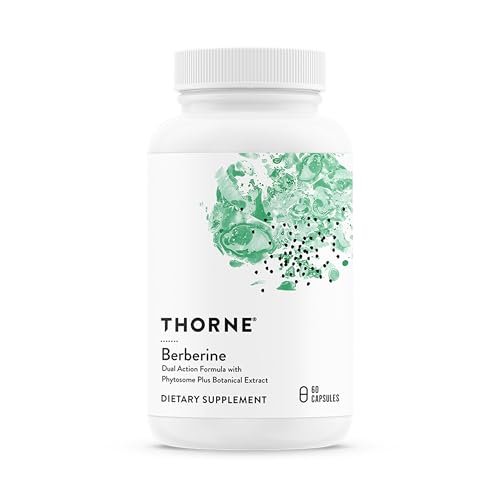
Berberine is included here because it has the cleanest non-prescription glucose-lowering signal in the supplement aisle. The Yin et al. 2008 meta-analysis showed effect size on HbA1c and fasting glucose in type 2 diabetics comparable to metformin in early head-to-head studies at 500 mg three times daily. For IF, the rational use is glucose stabilization during the fasting window, but here is the prescription-style caveat: berberine acts on AMPK and gut microbiota the same way metformin does, and combining berberine with insulin or a sulfonylurea in a diabetic on a long fast can produce hypoglycemia. Do not combine berberine with prescription glucose-lowering drugs without your prescriber's input. The ADA Standards of Medical Care frame this clearly.
Popular but fast-breaking: read this before you reorder
BCAAs and EAAs
Branched-chain and essential amino acid powders are heavily marketed as "fasting-safe muscle preservation," and they are not. The Wolfe 2017 review is explicit: leucine is the most potent dietary insulin secretagogue per gram, and a 10 to 15 g BCAA scoop produces a clear insulin response in fasted adults. BCAAs fail the autophagy definition, fail the metabolic-fast definition, and carry 40 to 60 kcal per scoop so they fail the caloric definition too. If muscle preservation during fasting matters to you, the answer is resistance training and protein in the feeding window, not BCAAs in the fasting window.
MCT oil and "fat fasts"
A tablespoon of MCT oil is roughly 100 to 120 kcal and produces a measurable ketone rise plus a small insulin response. Survives the caloric-fast definition only if you stay under about half a tablespoon, fails the metabolic-fast definition for some users, and fails the strict autophagy definition definitively. The marketing line that MCT oil "extends the fast" is selectively true for people on a ketogenic protocol who do not care about autophagy. For most readers it is a calorie source.
What to look for when buying
For electrolyte powders, check actual sodium and potassium per serving (not "electrolytes" as a vague total), avoid sugar and maltodextrin, and prefer unflavored if you are a strict-definition faster. ConsumerLab and NSF Certified for Sport are the cleanest third-party signals; the ConsumerLab electrolyte review flags label-accuracy failures every cycle. For magnesium, prefer glycinate or citrate, skip oxide. For berberine, prefer products that disclose berberine HCl per capsule with a recent COA. Avoid "fasting accelerator" stacks that bury BCAAs or sweetened ingredients in a proprietary blend.
When supplements are not enough, and when fasting itself is the problem
Stop self-experimenting and see a clinician if any of the following apply.
- You have type 1 diabetes, type 2 diabetes on insulin or a sulfonylurea, or you experience symptomatic hypoglycemia (sweating, tremor, confusion) during fasts. The ADA Standards of Medical Care specifically caution on prolonged fasting in these populations.
- You are pregnant or breastfeeding. Prolonged IF in pregnancy is contraindicated in obstetric guidance; ask your OBGYN before any fasting protocol.
- You have any personal or family history of anorexia nervosa, bulimia nervosa, or binge eating disorder. The Academy for Eating Disorders position is that structured fasting can trigger relapse, and the framing of "winning" at a longer fast is itself an eating-disorder red flag. If a clinician trained in eating disorders is available, that is the first call, not a supplement order.
- You feel dizzy enough to be unsafe driving, your resting heart rate climbs more than 15 bpm above baseline during fasts, or your menstrual cycle becomes irregular after starting IF. Stop the protocol and check in with a clinician.
The supplement aisle cannot fix any of these, and pushing through them is how fasting becomes harmful.
FAQ
Does a tablespoon of MCT oil break my fast? It depends which definition you use. It fails the strict autophagy definition (about 110 kcal of medium-chain triglycerides registers as a meal), it usually fails the metabolic-fast definition (small insulin response, plus the calorie load itself), and it survives only the loose caloric-fast definition if you stay under about half a tablespoon.
Are stevia or sucralose okay in coffee during the fast? They carry no calories, but a subset of fasters and a couple of small crossover trials report a small cephalic-phase insulin response to sweet taste. For most people the effect is trivial. For the strictest readers, skip both.
Does collagen powder break the fast? Yes on autophagy and yes on the metabolic definition. Collagen peptides carry amino acids that engage mTOR and produce an insulin response. Move collagen to the feeding window.
Can I take my multivitamin during fasting hours? Most multivitamins are calorie-trivial, but gummies carry 5 to 15 kcal each plus sugar. Capsule multivitamins are fine for caloric-fasters; the more conservative move is the feeding window, especially because fat-soluble vitamins (A, D, E, K) are absorbed better with a fat-containing meal.
Will electrolytes really fix the "keto flu" feeling when I start IF? In most cases, yes. Most "I feel terrible on IF" experiences are sodium and water shifts in the first 48 to 72 hours. Adding 1,000 to 2,000 mg sodium plus 200 to 400 mg potassium and 200 mg magnesium across the fasting window resolves most complaints.
Conclusion: the bottom line on best supplements for intermittent fasting
The shortest honest summary: electrolytes plus black coffee plus a single magnesium capsule survive every reasonable definition of a fast and prevent the headache-cramp-fog cluster that drives most failed protocols. Apple cider vinegar, L-carnitine, and berberine sit in a moderate tier where the right answer depends on which definition of "fasting" you care about and whether you are on glucose-lowering drugs. BCAAs and MCT oil are marketed as fasting aids and they are not, on any definition you would actually defend. And IF itself is not for everyone: diabetics on insulin, anyone with an eating-disorder history, and pregnant or breastfeeding women should not be prolonging fasts based on supplement marketing.
Next steps:
- Read how we review supplements for the methodology behind the rankings in this guide.
- See the broader hierarchy of evidence-anchored compounds in best supplements for longevity 2026 and where IF fits.
- If electrolytes are the only fasting supplement you take, choose well by reading best electrolyte supplements.
This article is for informational purposes and not medical advice. Intermittent fasting can interact with medications and health conditions, and prolonged fasting is contraindicated in pregnancy, breastfeeding, insulin-treated diabetes, and a history of eating disorders. Consult a licensed physician before starting any supplement or fasting protocol, particularly if you are pregnant, nursing, taking prescription medications, or managing a chronic condition.
Reviewed by Maria Rodriguez, MS Nutrition Science, focused on cognitive and mood biochemistry.
Top picks on Amazon
As an Amazon Associate, I earn from qualifying purchases. Product recommendations are based on real reviews and independent research.
