
Affiliate disclosure: this article contains affiliate links. As an Amazon Associate, UsefulVitamins.com earns from qualifying purchases at no extra cost to you.
If you're searching for the best supplements for nail health, you've probably already been through a bottle of biotin gummies, watched your nails keep peeling, and started wondering whether keratin actually grows from a pill.
Quick Answer: which nail supplements are worth trying first
Start with iron if your ferritin is low, add collagen peptides if you want a structural nudge with a real (if modest) trial behind it, and use biotin only if a clinician has documented a deficiency. Throwing a generic "hair, skin, and nails" gummy at undiagnosed brittleness is how most people spend $200 a year and still snap a thumbnail in a pocket zipper.
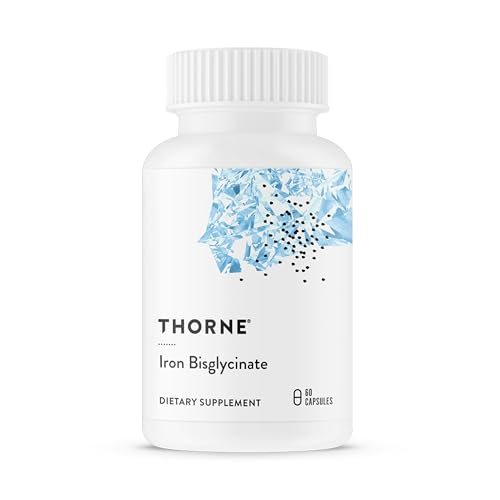
- Iron (ferrous bisglycinate, 25 to 65 mg elemental iron per day) only if ferritin is under 30 ng/mL. Low iron shortens skin-appendage growth and shows up as koilonychia (spoon-shaped nails) in advanced cases.
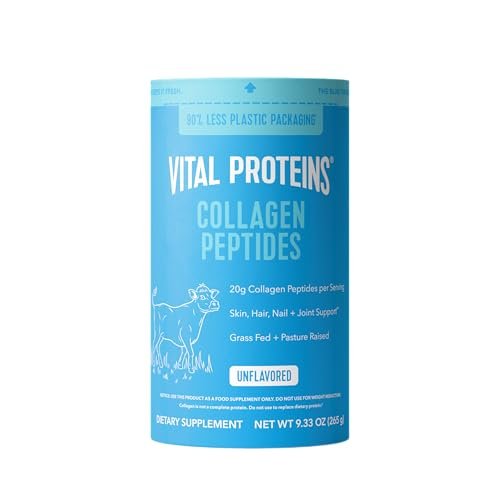
- Collagen peptides (2.5 g/day of hydrolyzed bovine collagen for at least 24 weeks). One published trial in brittle nails reported faster growth and reduced breakage. Modest and slow.
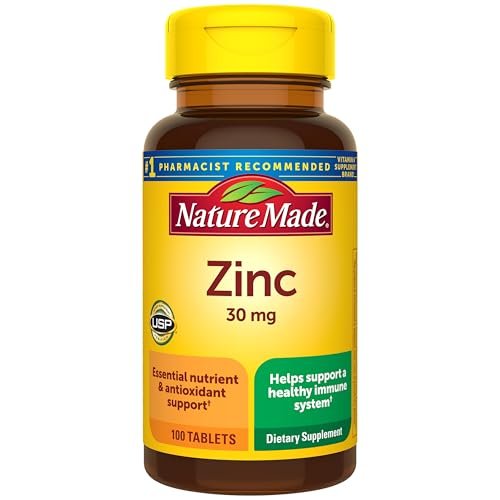
- Zinc (15 to 25 mg/day) only if dietary intake is genuinely low.
Who should NOT start here: anyone with sudden nail color change, painless clubbing, transverse Beau's lines across multiple nails, pitting consistent with psoriasis, persistent fungal-looking discoloration, or any single nail acting weird in isolation. Those are dermatology problems first, supplement problems never.
Before any of this: a CBC, ferritin, TSH, and basic metabolic panel will catch most of the dietary and endocrine drivers of brittle, peeling, or slow-growing nails. Supplements layer on top of a workup. They are not the workup.
What "unhealthy nails" actually is, briefly
"Bad nails" is a category, not a diagnosis, and the pattern points toward the mechanism. The fingernail plate is a layered sheet of dead keratinocytes produced by the nail matrix, and it grows about 3 mm per month. A full thumbnail takes roughly 6 months to replace. That timeline matters: any nutrient intervention takes months to show up at the visible nail edge, not weeks.
Brittle nails that split, peel into thin layers (onychoschizia), or crack at the free edge. Drivers are usually mechanical (water-detergent cycling, acetone, frequent gel manicures), low ambient humidity, and sometimes a nutrient gap (iron, occasionally biotin in actual deficiency, sometimes thyroid dysfunction). Slow-growing nails (well below 2 mm a month) usually signal hypothyroidism, low ferritin, chronic illness, or protein-energy undernutrition. A normal CBC with a ferritin of 12 ng/mL in a woman with slow, peeling nails is not normal.
Medical signs that need a clinician, not a supplement. Spoon-shaped nails (koilonychia) are a classic sign of iron deficiency anemia. Painless clubbing of the fingertips can signal pulmonary, cardiac, or hepatic disease. Beau's lines (deep transverse grooves across multiple nails) follow a systemic insult: high fever, chemotherapy, severe illness, malnutrition. Yellow-green discoloration suggests pseudomonas or fungal infection. Pitting and oil spots suggest nail psoriasis. None of these is a supplement problem.
The standard of care per the American Academy of Dermatology guidance on nail signs is a clinical exam, with labs where systemic disease is suspected. Brittle nails without other findings are managed with hand hygiene changes, occlusive moisturizers, and the small handful of supplements with actual trial support.
The supplements with the strongest evidence

Iron (only if ferritin is under 30 ng/mL)
Why it helps. Iron is a cofactor for the matrix-cell proliferation that produces new nail plate. Koilonychia (spoon nails) is a textbook exam finding in iron deficiency anemia, and lower-grade iron deficiency without anemia is linked to brittle, thin, slow-growing nails. The threshold most dermatologists use for skin appendages is a ferritin of 30 ng/mL, with 70 the level above which complaints become uncommon.
What the trials show. The strongest synthesis comes from the Almohanna et al. 2018 review of nutrient deficiencies in hair and nail disorders and the Trost et al. 2006 review of iron and skin appendages. Low ferritin correlates with brittle and slow-growing nails, and repletion correlates with measurable improvement over 6 to 12 months in the deficient population. Supplementing iron at a ferritin of 90 does nothing useful and risks constipation.
Dose. 25 to 65 mg elemental iron per day, on alternating days with a vitamin C source. Alternate-day dosing has better total uptake than daily dosing because hepcidin downregulation blocks the next day's absorption window.
Form. Ferrous bisglycinate (gentle on the gut) or iron polysaccharide complex. Per the NIH ODS iron fact sheet and Drugs.com, do not take iron within 4 hours of levothyroxine or calcium, and at least 2 hours from coffee, tea, or a PPI. Recheck ferritin at 3 months.
Skip if. Your ferritin is above 70 ng/mL, or you have hemochromatosis or unexplained elevated transferrin saturation.
Collagen peptides (small but real signal in brittle nails)
Why it helps. Hydrolyzed collagen peptides supply glycine-, proline-, and hydroxyproline-rich amino acids the body uses for connective tissue and, by extension, for the matrix supporting the nail plate. The mechanism is substrate-based. The specific amino-acid profile is harder to get from a typical mixed diet in meaningful quantity.
What the trials show. The most-cited trial is the Hexsel et al. 2017 open-label study of 2.5 g/day oral hydrolyzed collagen peptides in 25 adults with brittle nails. After 24 weeks, nail growth rate increased about 12 percent and frequency of broken nails decreased by 42 percent. Small, single-arm without placebo, and manufacturer-supported: the signal is real, effect size modest, replication limited. It earns space because it is one of the few human trials with a nail-specific endpoint.
Dose. 2.5 g/day of hydrolyzed bovine collagen peptides, daily, for at least 24 weeks. Higher than 5 g has not been shown to add benefit here.
Form. Hydrolyzed bovine collagen peptides (Type I dominant) from a brand with third-party verification (USP Verified, NSF Certified for Sport, or ConsumerLab Approved). Marine collagen is reasonable if you avoid bovine. Avoid generic "collagen complex" gummies that bury actual collagen at 0.5 g per serving.
Skip if. You have a beef or fish allergy matching the source, or you are unwilling to commit 6 months.
Vitamin D (correct deficiency, do not stack on a normal level)
Why it helps. Vitamin D receptors are expressed throughout skin appendages, and frank deficiency is correlationally linked to nail and hair complaints. The mechanism is permissive: D appears to support normal matrix-cell function rather than act as a nail-growth signal.
What the trials show. The Cashman 2018 review of vitamin D status and skin appendages and the Almohanna review note an association between low 25(OH)D and nail and hair complaints. Interventional RCTs in nails alone are essentially absent, so frame this as "deficiency correction with reasonable likelihood of benefit," not "evidence-based nail growth nutrient." If your 25(OH)D is 45, more does not help.
Dose. 1,000 to 4,000 IU/day cholecalciferol (D3) depending on baseline, retest at 3 months, target 40 to 60 ng/mL. Take with a fat-containing meal. Skip if your baseline 25(OH)D is above 50 ng/mL.
Supplements with moderate evidence (consider with caveats)
Zinc (only if dietary intake is genuinely low)
Mixed evidence, real mechanism. Zinc is a cofactor for matrix-protein synthesis and the enzymes that build out the nail plate, and frank deficiency causes white spots (leukonychia), brittleness, and impaired wound healing. The Scheinfeld 2014 review of vitamins and minerals for hair and nails places zinc as relevant in the deficient population. The RDA is 8 mg/day for women and 11 mg/day for men, and adults who eat broadly (oysters, beef, pumpkin seeds, lentils, dairy) usually cover it. Vegetarians and people on low-FODMAP or restricted diets are the more plausible candidates for a real gap.
Dose: 15 to 25 mg/day of zinc picolinate or bisglycinate, with food, for 8 to 12 weeks then reassess. Skip if your zinc is in range. Long-term supplementation above 40 mg/day induces copper deficiency over months.
B-complex (background nutrition, not a hero)
Worth considering if your diet history shows obvious gaps (calorically restricted, frequently skipped meals, plant-based without B12 supplementation, post-bariatric, on metformin long-term). Frame it as a background fix, not a nail intervention. A standard B-complex with RDA-level B vitamins and methylcobalamin B12 is a fine baseline if a real gap exists. Going further is unnecessary stacking.
Popular but evidence-thin (treat as low-priority)
Biotin (only for the rare clinical deficiency, and it interferes with lab tests)
Biotin is marketed harder for nails than any other ingredient in the aisle and has the weakest case for general use. The relevant primary trial is the Hochman et al. 1993 brittle nail study of oral biotin 2.5 mg/day, which reported thicker nail plates at 5 to 7 months in two-thirds of subjects. The trial is decades old, uncontrolled, and small. The careful Patel et al. 2017 dermatology review concluded the modern evidence base does not support biotin for hair or nail growth outside documented biotin deficiency syndrome, which is rare in adults who eat anything resembling a normal diet. The NIH adequate intake is 30 mcg/day. Most "hair, skin, and nails" gummies deliver 5,000 to 10,000 mcg, 150 to 300 times the AI.
What biotin does do, reliably, is interfere with laboratory immunoassays. Per the FDA Safety Communication on biotin interference with lab testing, high-dose biotin can produce falsely low TSH, falsely elevated free T4, falsely low or elevated troponin, and incorrect parathyroid, vitamin D, and reproductive hormone panel results. This matters two ways for nails. First, thyroid disease is a common driver of brittle, slow-growing nails, and a falsely normal TSH from biotin interference is a real way to miss it. Second, a falsely low troponin in the setting of chest pain is dangerous. If you are on biotin at any dose above the 30 mcg adequate intake, stop it 3 to 7 days before any blood draw involving thyroid, cardiac, hormone, or vitamin D panels. This rule is non-negotiable.
Silica, horsetail, and hydrolyzed keratin (popular, evidence is thin)
Silica and horsetail (Equisetum arvense) are widely marketed for nail strength on the premise that silicon is structural in connective tissue. Nail-specific trial evidence is sparse. The Floersheim 1989 trial on silicon and gelatin in brittle nails is one of the few human studies. Try it for 4 to 6 months and expect a modest signal at best. Skip horsetail if you take thiamine-sensitive medications (horsetail contains thiaminase) or are pregnant. Hydrolyzed keratin sounds like a direct substrate, but oral keratin gets broken down to amino acids the same as any dietary protein, so the case for keratin-as-keratin is weak compared to general protein adequacy and collagen peptides specifically.
What to look for when buying
- Form matters. Ferrous bisglycinate or iron polysaccharide complex for iron, hydrolyzed bovine collagen peptides at 2.5 to 5 g/day, cholecalciferol (D3) for vitamin D, zinc picolinate or bisglycinate, methylated B12 in any B-complex.
- Third-party verification. USP Verified, NSF Certified for Sport, or ConsumerLab Approved on the bottle. Iron and zinc both carry mislabeling risk.
- Red flags. Proprietary blends without per-ingredient milligrams, "biotin 10,000 mcg" front-and-center marketing, nail gummies that bury collagen at 0.5 g per serving.
- Dosing strategy. Iron on alternate days with vitamin C, separated 4 hours from levothyroxine, calcium, and PPIs. Vitamin D with a fat-containing meal. Collagen peptides daily, no timing trick. Biotin: stop 3 to 7 days before any blood draw involving thyroid, cardiac, or hormone panels.
When supplements are NOT enough
Stop the nail-supplement experiment and get a clinician if any of the following are true. Spoon-shaped nails, painless fingertip clubbing, transverse Beau's lines across multiple nails, pitting and oil spots suggesting psoriasis, yellow-green discoloration, a longitudinal dark band on one nail (consider melanoma of the nail bed), or a sudden change in nail texture coinciding with fatigue, cold intolerance, weight change, or hair loss (rule out thyroid disease).
The standard workup is a clinical exam, plus CBC, ferritin, TSH and free T4, comprehensive metabolic panel, and 25(OH)D where indicated. Nail abnormalities can be the first visible sign of systemic disease. The right move is dermatology or primary care first, supplements second.
FAQ
Will biotin gummies fix my brittle nails? Probably not, unless you have documented clinical biotin deficiency (rare). The Patel 2017 dermatology review found no benefit outside of deficiency. Worse, high-dose biotin reliably interferes with TSH, troponin, and hormone immunoassays, so it can mask the thyroid problem that may actually be causing the brittleness. Stop biotin 3 to 7 days before bloodwork.
How long until I see results from iron or collagen? Nails grow about 3 mm per month, and a full thumbnail replaces in 6 months. Realistic timelines: 3 months to notice reduced breakage at the free edge, 6 months to see new growth from the matrix that grew under the new ferritin or new collagen intake. Anyone promising a 4-week transformation is selling something else.
Are "hair, skin, and nails" gummies worth it? Usually no. Most are loaded with biotin (which carries the lab-interference problem) and token amounts of collagen well below the trial dose. If you must choose one bottle, pick targeted: iron if deficient, collagen peptides at 2.5 g/day, treated as separate decisions.
Can I supplement iron if my CBC is normal? Only if your ferritin is also under 30 ng/mL with active nail or hair complaints. A normal hemoglobin with a ferritin of 12 is not normal in the context of brittle nails, and that pattern is where iron repletion earns its keep.
Conclusion: the bottom line on best supplements for nail health
The supplements that actually move the needle for brittle, slow-growing, or thin nails are the ones that correct a documented gap, primarily iron when ferritin is low and vitamin D when 25(OH)D is below 30, with a modest additional signal from collagen peptides at 2.5 g/day over at least 24 weeks. Biotin, despite being marketed harder than anything else in the aisle, helps only in the rare clinical deficiency and actively interferes with the lab tests that would diagnose the underlying problem. Nail signs like koilonychia, clubbing, Beau's lines, or pitting are systemic signals and belong with a clinician. Supplements layer on top of a workup and hand hygiene. They are not the workup, and they are not a replacement.
Next steps:
- Before buying another nail supplement, ask your clinician for a CBC, ferritin, TSH, and 25(OH)D, and stop any current biotin supplement 3 to 7 days before the draw.
- For the broader picture of how UV evaluates this category, read how we review supplements, and for related skin-appendage topics see best supplements for thinning hair in women or best supplements for beard growth.
- For the full author archive on RDA-grounded supplementation, see Sarah Thompson's author page.
This article is for informational purposes and not medical advice. Supplements, including iron, high-dose biotin, and zinc, can interact with medications and laboratory tests and may be contraindicated in pregnancy or chronic disease. Consult a licensed physician before starting any supplement, particularly if you are pregnant, nursing, taking prescription medications, or managing a chronic condition.
Reviewed by Sarah Thompson, Registered Dietitian, focused on vitamin and mineral nutrition.
Top picks on Amazon
As an Amazon Associate, I earn from qualifying purchases. Product recommendations are based on real reviews and independent research.
