
Affiliate disclosure: this article contains affiliate links. As an Amazon Associate, UsefulVitamins.com earns from qualifying purchases at no extra cost to you.
If you're searching for the best supplements for beard growth, you've probably already tried a biotin gummy, a "beard growth vitamin" stack, and maybe a bottle of pills with a bearded mountain man on the label, and your patchy cheeks look exactly the same.
Quick Answer: which supplements are worth trying first
Cover any actual deficiencies on a blood draw, give it 4 to 6 months, and accept that the ceiling is set by your androgen receptor density and your genetics, not by what's in the pill bottle. Most "beard growth supplements" are biotin plus a multivitamin plus marketing.
- Zinc (15 to 25 mg/day, picolinate or bisglycinate) only if your zinc is low or borderline. Cofactor for 5-alpha-reductase and androgen-receptor function, and frank deficiency causes diffuse hair loss including facial.
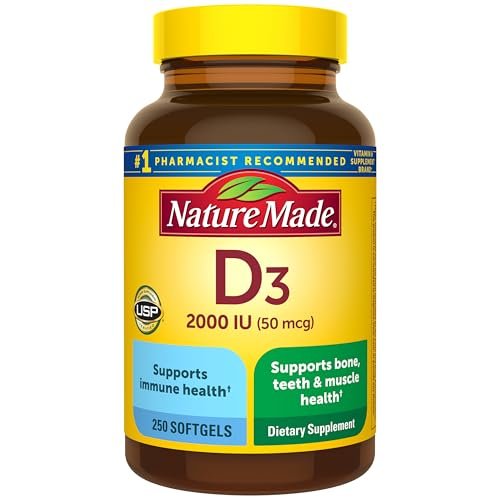
- Vitamin D3 (1,000 to 4,000 IU/day, titrated to a 25(OH)D of 40 to 60 ng/mL) only if you're deficient. Vitamin D receptors are expressed throughout the hair follicle and matter for anagen re-initiation.
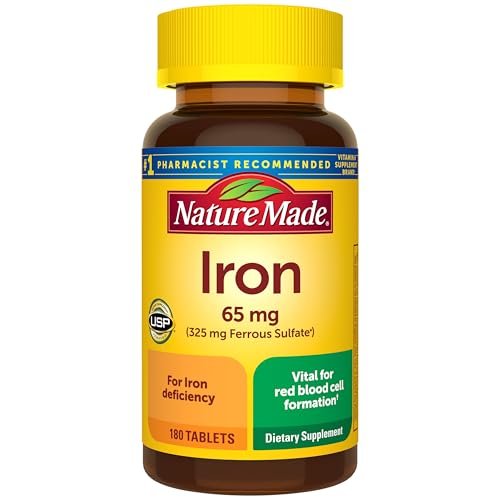
- Iron (25 to 65 mg elemental on alternate days) only if ferritin is under 30 ng/mL. Limits follicle proliferation across the scalp and face when low.
Who should NOT start here: anyone whose facial hair has always been minimal across the cheeks since their late twenties (that's genetics, not deficiency), anyone with sudden patchy round bald spots in the beard area (that's alopecia areata barbae, an autoimmune pattern that needs dermatology), anyone with very low overall body and facial hair plus low libido and fatigue (rule out hypogonadism with a morning total testosterone before supplementing your way around an endocrine problem), and anyone considering "anti-DHT" supplements like saw palmetto for beard growth (it actively suppresses the pathway you need).
Before any of this, the honest framing per the dermatology and androgen biology literature is that facial hair density is determined primarily by androgen receptor density and follicle DHT response in the skin of the cheeks and jaw, both of which are inherited. The only FDA-approved hair-density drug, topical minoxidil 5%, has small RCT evidence for off-label beard use. Supplements are a floor-raiser. They are not a ceiling-raiser.
What beard growth actually depends on, briefly
Facial hair is a textbook example of an androgen-dependent secondary sexual trait. The follicle biology, summarized in the Randall 2008 review of androgens and human hair growth, is the same as scalp androgenetic alopecia in reverse: testosterone is converted to dihydrotestosterone (DHT) by 5-alpha-reductase at the follicle, and DHT then binds androgen receptors inside the follicle. On the scalp crown of a genetically susceptible man, this miniaturizes the follicle and causes hair loss. On the face of a genetically capable man, the same hormone signal does the opposite: it promotes terminal-hair development, thicker shafts, and denser coverage on the cheeks, chin, and jaw.
The implication is the part the beard supplement industry will not put on its labels. If your facial follicles have low androgen receptor density (an inherited trait), no amount of zinc, biotin, collagen, or "beard vitamin" makes them respond to your normal testosterone. Your total testosterone can be 700 ng/dL and your beard can still be patchy, because the limiting factor is at the follicle, not the serum. This is also why brothers, fathers, and sons tend to mirror each other's beard pattern: same receptor genetics.
There are still levers worth pulling. Frank deficiencies in zinc, vitamin D, iron, or protein can drag the whole hair system below its genetic ceiling, and correcting those returns you to baseline. Topical minoxidil acts independently of androgen signaling by widening the dermal-papilla niche and pushing follicles toward anagen, and it has small but real RCT evidence in young men with thin beards. Microneedling, possibly with topical minoxidil, has an emerging signal in scalp androgenetic alopecia per the Dhurat 2018 review of microneedling in AGA, and a few off-label small reports in beard. Everything else in the beard aisle is, in clinical practice, placebo plus biotin.
I see this in clinical practice with men who come in convinced they have a "biotin deficiency". The supplement isn't the whole answer. It's one of three or four levers worth pulling, and for beard specifically, the lever that moves the needle most is the one labeled "your father".
The supplements with the strongest evidence
Zinc (only if deficient or borderline)
Why it helps. Zinc is a cofactor for 5-alpha-reductase (the enzyme converting testosterone to the DHT that drives terminal hair growth on the face), a cofactor for androgen-receptor function, and a structural component of follicle matrix protein synthesis. Frank zinc deficiency produces diffuse alopecia, brittle nails, dermatitis, and impaired wound healing. Borderline zinc is much more common than full deficiency and shows up in the testing literature as a smaller but real signal in hair-loss populations.
What the trials show. The Karashima et al. 2012 paper on zinc status in alopecia areata and telogen effluvium documented lower serum zinc in adults with active hair loss versus controls. The broader Almohanna et al. 2018 nutrient deficiency and hair loss review reached the same conclusion. The hair-loss literature is scalp-dominant, and beard-specific RCTs do not exist, but the follicle biology is the same and the same deficiency correction applies.
Dose used in trials. 15 to 25 mg/day of zinc picolinate or zinc bisglycinate, taken with food, for 8 to 12 weeks then reassess on a serum zinc.
Form to look for. Picolinate or bisglycinate over oxide, which is poorly absorbed. Pair long-term with 1 to 2 mg/day of copper to prevent the slow copper depletion that chronic zinc supplementation can cause.
Skip if. Your zinc is in range. Excess zinc induces copper deficiency over months, which produces a different anemia and a different set of problems. This is not a stack-it-anyway nutrient.
Vitamin D3 (only if deficient)
Why it helps. Vitamin D receptors are expressed throughout the hair follicle, with particularly heavy expression during anagen re-initiation. Frank vitamin D deficiency is associated with both telogen effluvium and alopecia areata in observational data, and lower 25(OH)D is consistently seen in active hair-loss cohorts.
What the trials show. The Gerkowicz et al. 2017 review of vitamin D and hair loss found that adults with active hair loss tend to have lower 25(OH)D than controls across multiple studies, and repletion to roughly 40 to 60 ng/mL is associated with reduced shedding in case series and small uncontrolled trials. Beard-specific intervention data does not exist. Frame this as deficiency correction with reasonable likelihood of benefit, not "evidence-based beard nutrient." If your 25(OH)D is already 45, supplementing more does nothing for your face.
Dose used in trials. 1,000 IU/day in mild insufficiency up to 4,000 IU/day in frank deficiency. Some clinicians use 50,000 IU weekly for 8 to 12 weeks as a loading protocol and then drop to a maintenance dose. Retest at 3 months.
Form to look for. Cholecalciferol (D3) rather than ergocalciferol (D2), taken with a fat-containing meal.
Skip if. Your baseline 25(OH)D is already above 50 ng/mL. There is no benefit to pushing higher than the repletion target.
Iron (only if ferritin is low)
Why it helps. Iron is a cofactor for ribonucleotide reductase, the rate-limiting enzyme for DNA synthesis in rapidly dividing cells, and hair-follicle matrix cells are among the most proliferative tissues in the body. Low ferritin shortens the anagen growth phase across the scalp and face. The threshold most dermatologists use is a ferritin of 30 ng/mL.
What the trials show. The Trost et al. 2006 review of iron deficiency and hair loss and the Almohanna et al. 2018 review both link low ferritin to active shedding and a positive response to repletion. Men are usually iron-replete unless they are vegetarian, have GI blood loss, or are heavily endurance-trained. Beard-specific RCT evidence does not exist.
Dose used in trials. 25 to 65 mg of elemental iron on alternate days with vitamin C. Alternate-day dosing is better absorbed than daily because of hepcidin downregulation.
Form to look for. Ferrous bisglycinate or iron polysaccharide complex if you tolerate iron poorly, otherwise ferrous sulfate. Recheck ferritin at 3 months.
Skip if. Your ferritin is already above 70 ng/mL. Iron overload is real, especially in men with hemochromatosis gene variants, and routine iron supplementation in replete men is a bad idea.
Supplements with moderate evidence (consider with caveats)
Marine protein and collagen peptide complexes
Worth considering if you've corrected the basics and want substrate plus a small adjunctive nudge. Marine protein complexes provide a pool of amino acids and mucopolysaccharides aimed at the hair shaft, and the Ablon 2012 RCT of marine protein complex in adults with thinning hair reported a small but statistically significant improvement in hair count and self-assessed thickness over 6 months. The literature is scalp-dominant and manufacturer-funded, with self-assessed and image-graded endpoints. Effect size is modest. Beard-specific data does not exist.
Hydrolyzed collagen peptides are framed similarly: a glycine-proline-rich amino acid pool the body can route into connective tissue and hair-shaft protein synthesis. The skin and nail literature for collagen is more interesting than the hair literature. For the full breakdown of how collagen actually performs in nail and connective tissue trials, see the best supplements for nail health roundup. Worth trying if you also want skin or joint benefit and you've covered the basics.
Dose: marine protein complex per the manufacturer's label, hydrolyzed collagen at 5 to 15 g/day, for at least 6 months. Skip if you have a shellfish allergy (marine complex) or you've already addressed iron, zinc, and vitamin D and have seen no change in 6 months. The ceiling here is your genetics.
B-complex (only if you eat poorly or supplement biotin and want a more honest stack)
A balanced B-complex provides riboflavin, niacin, B6, folate, and B12, all of which are involved in cell proliferation and red-cell function. The case for a generic B-complex in a man eating a normal omnivorous diet is weak. The case in a vegan or vegetarian who is not supplementing B12 separately is stronger. Use a methylated B-complex (methylfolate, methylcobalamin) if you have known MTHFR variants. The beard-specific signal is essentially zero, but you do not want to be the man who fixed everything except a frank B12 deficiency.
Popular but evidence-thin (skip or treat as low-priority)
Biotin (mostly noise, and a real lab-interference problem)
Biotin is the load-bearing ingredient in nearly every beard-growth pill on the market, and it has the weakest case of any nutrient in this article. The Patel et al. 2017 review of biotin for hair and nails, a careful dermatology-literature appraisal, concluded that biotin only helps in documented clinical biotin deficiency syndrome (rare, and usually accompanied by neurologic and dermatitis findings, not isolated patchy beard). The NIH ODS biotin fact sheet reaches the same conclusion.
What biotin does do, reliably, is interfere with laboratory immunoassays. Per the FDA Safety Communication on biotin interference with lab testing, high-dose biotin (5,000 to 10,000 mcg, the typical dose in hair and beard supplements) can produce falsely low TSH, falsely elevated free T4, falsely low or elevated troponin, and incorrect testosterone and other hormone panel results. This matters because thyroid disease and hypogonadism are both legitimate drivers of poor facial-hair development, and a falsely normal TSH or testosterone from biotin interference is a real way to miss the endocrine problem you came in to rule out. If you are on a biotin supplement, stop it 3 to 7 days before any blood draw involving thyroid, cardiac, or hormone panels. Non-negotiable.
Saw palmetto (anti-recommendation for beard growth)
Saw palmetto is widely sold in "natural" beard supplements, which is a category mistake. Mechanistically, saw palmetto is a mild inhibitor of 5-alpha-reductase, the enzyme converting testosterone to DHT. That is the pathway you are trying to amplify, not block. The Rossi et al. 2012 RCT of saw palmetto versus finasteride for androgenetic alopecia confirmed it works as a mild anti-androgen at the follicle, which is why it is used for scalp hair preservation in androgenetic alopecia and for benign prostatic hyperplasia.
For beard growth, this is the opposite of what you want. Suppressing 5-alpha-reductase suppresses the DHT signal that drives terminal facial-hair growth. The fact that saw palmetto shows up in beard pill formulations is a marketing decision, not a biology decision. Skip it for this indication, and per the Drugs.com saw palmetto interaction monograph be especially cautious about combining it with warfarin or antiplatelet agents.
The intervention with actual RCT evidence (not a supplement)
The honest place to put the strongest evidence in this article: topical minoxidil. The Ingprasert et al. 2016 RCT of 3% minoxidil lotion versus placebo for beard enhancement found that minoxidil produced a measurable improvement in beard hair count and density over 16 weeks compared with placebo, in a small sample of healthy young men. The mechanism (anagen prolongation and follicle widening via potassium-channel opening) is independent of androgen status, which is why it can move the needle even when the receptor density is the limiting factor.
This is off-label use; minoxidil's FDA label is for androgenetic alopecia of the scalp. Topical finasteride is a prescription option that is increasingly used in dermatology for scalp AGA and, in the appropriate population, off-label for beard density. Both belong in a conversation with a dermatologist, not in a supplement stack.
What to look for when buying
- Form matters. Zinc picolinate or bisglycinate (not oxide). Cholecalciferol D3 (not D2). Ferrous bisglycinate or iron polysaccharide complex for sensitive guts.
- Third-party verification. USP Verified, NSF Certified for Sport, or ConsumerLab Approved on the bottle. Multi-ingredient "beard formulas" are a particularly mislabel-prone category. Verification matters.
- Red flags. Proprietary blends without per-ingredient milligrams, "biotin 10,000 mcg" as the headline, saw palmetto in a beard-growth product (mechanism mismatch), brands with FDA warning letters or testimonials about "doubling your beard in 30 days".
- Dosing strategy. Iron on alternate days with vitamin C, separated 4 hours from coffee, calcium, and any thyroid medication. Vitamin D with a fat-containing meal. Zinc with food. Biotin: stop 3 to 7 days before any blood work involving thyroid, cardiac, or hormone panels.
When supplements are NOT enough
Stop the supplement experiment and see a clinician if any of the following are true. Sudden patchy round bald spots in the beard (alopecia areata barbae, an autoimmune pattern). Beard loss with scaling, redness, or scarring (rule out fungal, bacterial, or scarring alopecia). Very thin overall body and facial hair plus low libido, fatigue, mood changes, or erectile dysfunction (get a morning total testosterone and LH; this is an endocrine workup, not a supplement question). New onset hair changes with weight change, cold intolerance, or palpitations (rule out thyroid). Persistent dissatisfaction with beard density despite a normal endocrine and dermatology workup (talk about off-label topical minoxidil with a dermatologist).
If your facial hair has been consistent and limited since your mid-twenties and your labs are normal, the honest read is genetics. No supplement will change that, and you are not deficient. You're just you.
FAQ
Will beard growth pills actually grow a beard? No, not in the way the marketing implies. If you have a real deficiency in zinc, vitamin D, or iron, correcting it returns you to your genetic baseline. If your labs are normal, the supplement will not raise your ceiling. Topical minoxidil has small RCT evidence for off-label beard use; supplements do not.
How long until I see results from zinc or vitamin D? Hair grows about half an inch per month. If you were deficient and you correct it, expect 3 to 6 months for measurable change. Anyone telling you 2 weeks is selling something.
Is saw palmetto good for beard growth? No. Saw palmetto is mildly anti-androgenic. It inhibits 5-alpha-reductase, which is the enzyme that creates the DHT signal driving terminal beard hair. Skip saw palmetto for this indication.
Can low testosterone explain a patchy beard? Sometimes, but usually not. Patchy beards with normal total testosterone are common and are explained by low follicle androgen receptor density. Patchy beards with low testosterone, low libido, fatigue, and mood symptoms are an endocrine workup, not a supplement question. Get a morning total testosterone and LH before guessing.
Is biotin safe with my blood work? Only if you stop it 3 to 7 days before the draw. High-dose biotin interferes with TSH, troponin, and hormone immunoassays, which means a normal-looking lab could be hiding a thyroid or testosterone problem you came in to find.
Conclusion: the bottom line on best supplements for beard growth
The honest synthesis: facial hair is an androgen-and-genetics story, and the supplements that move the needle are the ones that correct a documented nutrient deficiency on a blood draw, primarily zinc, vitamin D, and iron when they are actually low. Marine protein and collagen complexes provide a small adjunctive signal in the scalp literature and may marginally help substrate, but the ceiling is set by your follicle androgen receptor density, not by the pill bottle. Biotin is mostly marketing and is an active liability around any blood work for thyroid or testosterone. Saw palmetto is the wrong direction for this indication entirely. The only intervention with RCT evidence for beard density is off-label topical minoxidil, which is a dermatology conversation, not a supplement.
Next steps:
- Get baseline labs (zinc, ferritin, 25(OH)D, morning total testosterone, TSH) before buying another bottle, and stop any biotin 3 to 7 days beforehand.
- If your labs come back normal and density still bothers you, talk to a dermatologist about off-label topical minoxidil, and for a parallel framing of how density questions get worked up in women see the best supplements for thinning hair in women.
- For the broader picture of how UV evaluates this category, read how we review supplements, and for related connective-tissue and structural protein topics see the best supplements for nail health or Jonathan Reynolds' full author archive.
This article is for informational purposes and not medical advice. Supplements, including zinc, iron, and high-dose biotin, can interact with medications and laboratory tests. Consult a licensed physician before starting any supplement, particularly if you are managing a chronic condition or are on prescription medications.
Reviewed by Jonathan Reynolds, ND, focused on botanical and naturopathic protocols.
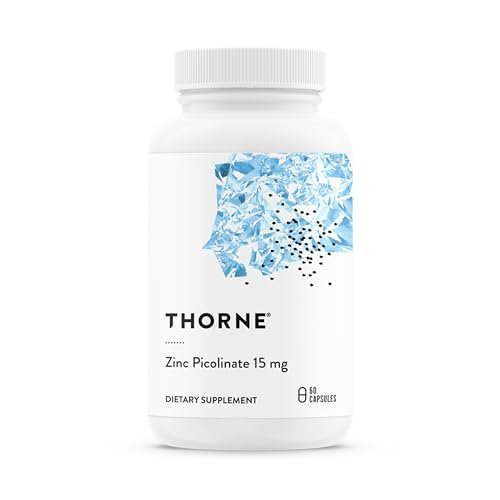
Top picks on Amazon
As an Amazon Associate, I earn from qualifying purchases. Product recommendations are based on real reviews and independent research.
