

Affiliate disclosure: this article contains affiliate links. As an Amazon Associate, UsefulVitamins.com earns from qualifying purchases at no extra cost to you.
If you're searching for the best supplements for cold and flu season, you're probably already feeling the first scratch at the back of your throat and want to know what's worth taking in the next twelve hours.
Quick Answer: what to actually reach for at the first scratch
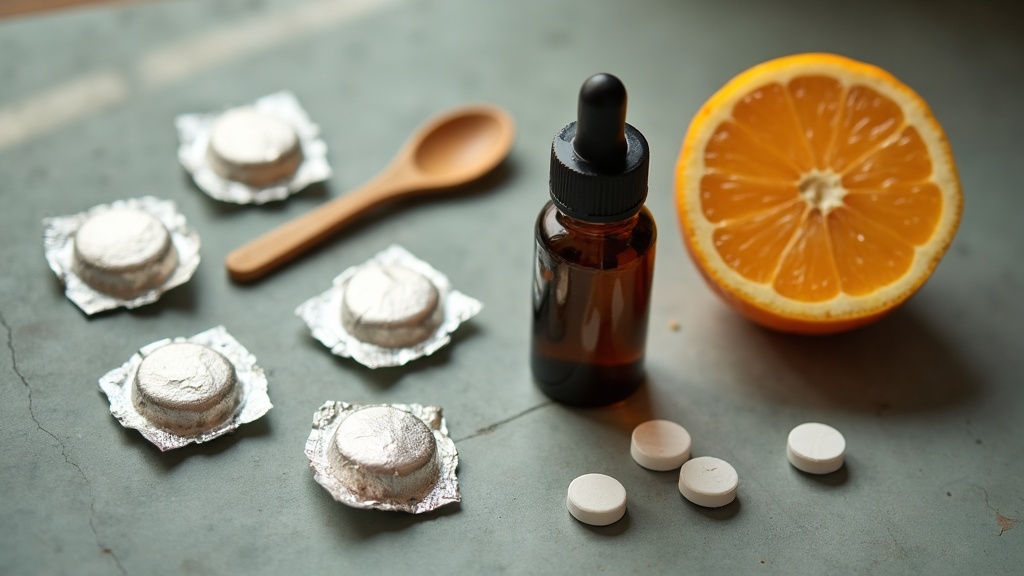
For most adults, the highest-yield acute moves are zinc acetate or gluconate lozenges started within 24 hours of symptom onset, a standardized elderberry extract for the first 48 to 72 hours, and the boring fundamentals of fluids, sleep, and a humidified room. Vitamin C started after symptoms appear has not consistently shortened colds in trials.
- Best for: otherwise healthy adults at the first scratch of a sore throat, parents of school-age kids who feel a cold coming, frequent travelers in a packed week.
- Not ideal for: anyone using supplements as a reason to skip a flu shot or antiviral, immunocompromised patients, pregnant or nursing readers without OBGYN sign-off, infants under 1 (no honey, ever), or anyone with shortness of breath, chest pain, or fever above 102 °F.
- What to do FIRST: call your clinician if you're in an antiviral window for flu or COVID and you qualify (Tamiflu within 48 hours of flu onset, Paxlovid for eligible COVID patients), hydrate, sleep, and check your vaccine status for next year.
For the daily-preventive side of winter, see our companion piece on best supplements for winter immune support. This article is about what to do once you're already getting sick.
What "cold and flu season" actually means
A "cold" and "the flu" are different illnesses with overlapping symptoms. The common cold is a cluster of upper respiratory infections caused mainly by rhinoviruses, with coronaviruses, RSV, and adenoviruses on the list. Symptoms come on gradually: scratchy throat, runny nose, sneezing, sometimes mild fever. Influenza is caused by influenza A or B, hits faster and harder, and is more likely to produce fever above 101 °F, body aches, a deep dry cough, and several days of feeling flattened.
Severity ranges from a few days off your A-game to hospitalization, especially in older adults, infants, pregnant patients, and people with chronic lung, heart, kidney, or immune disease. Standard of care is set by the CDC respiratory virus guidance. For prevention, that means annual influenza vaccination for everyone 6 months and older, updated COVID-19 vaccination, and RSV vaccination for adults 60+ and qualifying pregnant patients. For treatment, prescription antivirals matter: oseltamivir (Tamiflu) within 48 hours of influenza onset, and nirmatrelvir-ritonavir (Paxlovid) for eligible COVID patients within 5 days. Vaccination is the single strongest move you can make against flu severity. Supplements are an adjunct that may modestly shorten the cold once it starts.
From a nutrition standpoint, three things change the acute question. First, how fast you get oral zinc onto the nasopharyngeal mucosa once symptoms begin. Second, polyphenol load from elderberry. Third, baseline vitamin D status, which the literature ties to your odds of catching one of these, not to how fast you recover once you have one.
The supplements with the strongest acute evidence

Zinc lozenges (acetate or gluconate)
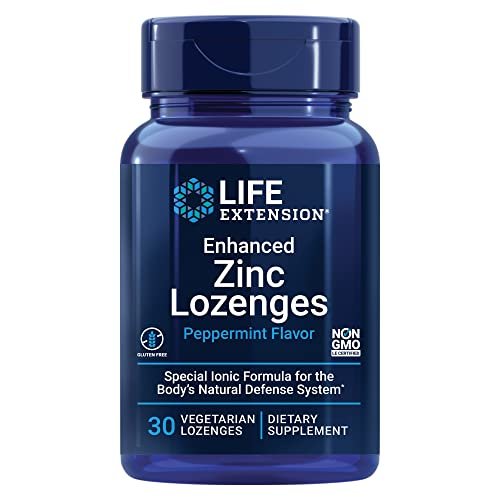
Zinc lozenges are the single best-evidenced acute supplement for the common cold. Hemilä's 2017 meta-analysis in JRSM Open pooled seven placebo-controlled trials of zinc acetate or zinc gluconate lozenges and reported the average cold duration shortened by roughly 33% when lozenges were started within 24 hours of symptom onset and dissolved in the mouth every 2 to 3 waking hours for the first few days. The mechanism is local contact between zinc ions and rhinovirus on the oropharyngeal mucosa.
Two strict constraints. First, only the lozenge form works in the trials. Capsules and tablets that bypass mouth contact do not show the same effect. Second, intranasal zinc gels and swabs have been linked to permanent loss of smell. The FDA issued a public health advisory on intranasal zinc products in 2009. Do not use them.
- Dose used in trials: 75 to 90 mg/day elemental zinc, divided across 6 to 8 lozenges, dissolved slowly, for no more than 5 to 7 days during an acute cold.
- Form to look for: zinc acetate or zinc gluconate lozenge, ideally without citric acid co-formulation which may neutralize the active zinc ion. Source: NIH ODS zinc fact sheet.
- Skip if: pregnant or nursing without OBGYN sign-off, on penicillamine or certain antibiotics (Drugs.com flags interactions with quinolones and tetracyclines), or you've been taking high-dose zinc chronically (copper depletion risk).
Actionable takeaway: keep a sealed roll of zinc acetate or gluconate lozenges in the medicine cabinet so the 24-hour window doesn't pass while you're shopping. Beyond about 48 hours from the first symptom, the duration benefit fades.
Elderberry (Sambucus nigra)
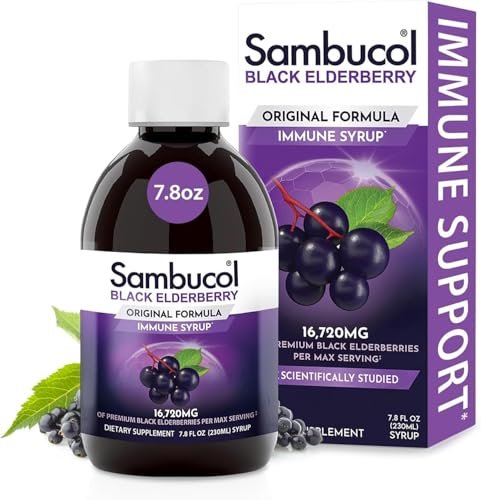
Elderberry has the cleanest acute signal among herbal options. Hawkins et al. 2019 meta-analyzed four small randomized trials (combined n=180) of standardized elderberry extract and reported a roughly 2-day reduction in upper respiratory symptom duration. Two of the included trials focused on influenza-like illness. The evidence base is promising but limited in size, with wide confidence intervals.
- Dose used in trials: 300 to 600 mg/day of standardized elderberry extract, or about 15 mL of a standardized syrup twice daily, during the first 48 to 72 hours of symptoms.
- Form to look for: standardized extracts with stated polyphenol or anthocyanin content; cooked or commercially prepared syrups only. Raw uncooked elderberry contains cyanogenic compounds and is not safe.
- Skip if: on immunosuppressants (theoretical concern about autoimmune flare, though not well-documented), pregnant or nursing without OBGYN sign-off, or already in an antiviral treatment window where Tamiflu or Paxlovid is indicated.
Elderberry is a reasonable acute adjunct. It is not a substitute for oseltamivir for high-risk patients within the 48-hour treatment window.
Pelargonium sidoides (EPs 7630, Umckaloabo)
Less famous in the US, well established in German pharmacy practice. EPs 7630 is a standardized extract of South African geranium with multiple randomized trials in acute bronchitis and the common cold. A 2013 meta-analysis by Matthys and Funk of EPs 7630 reported faster symptom resolution versus placebo across roughly 10 trials, with a particularly clean signal in acute bronchitis. The product is regulated as a herbal medicine in Germany and sold in the US as Umckaloabo.
- Dose used in trials: 30 drops of EPs 7630 three times daily, or the equivalent in tablet form, for about 7 days during acute symptoms.
- Form to look for: the specific EPs 7630 extract, which is the form used in the trials, not a generic Pelargonium tincture.
- Skip if: liver disease (rare hepatotoxicity signal in case reports), pregnant or nursing without OBGYN sign-off, on warfarin or other anticoagulants.
This is the moderate-tier herbal pick most US readers haven't heard of. The trials are largely manufacturer-funded but methodologically reasonable.
Supplements with moderate evidence
Vitamin C
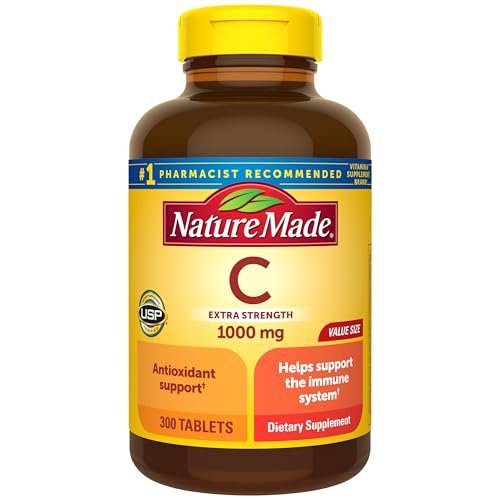
Vitamin C has the most famous cold reputation and the most modest actual acute signal. Hemilä and Chalker's 2013 Cochrane review pooled 29 trials with over 11,000 participants. Daily prophylactic vitamin C at 200 mg or more did not reduce how often people got colds, but it did shorten cold duration modestly: about 8% in adults and 14% in children. Critically, the review found no consistent benefit when vitamin C was started after symptoms appeared. That distinction gets routinely lost in marketing.
- Dose used in trials: 200 to 1,000 mg/day as a daily preventive; symptom-onset dosing has not shown a reliable benefit.
- Form to look for: plain ascorbic acid is fine. A navel orange has ~70 mg, a red bell pepper has ~150 mg. The RDA is 75 mg/day for women and 90 mg/day for men, so the average diet already covers it for most produce-eaters.
- Skip if: history of oxalate kidney stones (chronic high-dose ascorbic acid raises urinary oxalate), hemochromatosis (vitamin C increases iron absorption).
Actionable takeaway: if you're not already a daily vitamin C user, starting it the day you feel sick has not shown a duration benefit. Eat a whole orange and a bell pepper, and put the chewable 1,000 mg tablet down.
Andrographis paniculata
A bitter herb used in Ayurvedic and traditional Chinese practice. A 1999 trial by Caceres et al. and follow-up RCTs of standardized Andrographis (often combined with eleuthero as Kan Jang) found modest but consistent reductions in cold symptom severity. The acute signal is generally stronger than echinacea's.
- Dose used in trials: 200 mg/day standardized to 4 to 5% andrographolides, or the equivalent Kan Jang dose for 4 to 7 days during acute symptoms.
- Form to look for: standardized extract with stated andrographolide percentage.
- Skip if: pregnant or nursing (one of the firmer "do not use in pregnancy" plants), on immunosuppressants, or with autoimmune disease.
Vitamin D3 (for prevention, not rescue)
Worth a brief mention because it gets confused. The Martineau et al. 2017 BMJ meta-analysis found that daily or weekly vitamin D3 supplementation reduced the risk of at least one acute respiratory tract infection by about 12%, with much larger effects in deficient patients. This is a preventive effect. Starting a megadose of D3 the day you feel a cold coming on has not shown acute benefit. Ask your doctor about a 25-hydroxyvitamin D test before assuming you're low.
N-acetylcysteine (for thick mucus, especially in chronic bronchitis)
NAC is a mucolytic and a glutathione precursor. A Cochrane review by Stey et al. found oral NAC reduced exacerbations and shortened symptom days in chronic bronchitis. In acute self-limited colds the evidence is thinner, but for productive cough with thick mucus, NAC at 600 to 1,200 mg/day is a reasonable adjunct.
Popular but evidence-thin
Echinacea
Echinacea dominates winter shelf space and underperforms in trials. The Karsch-Volk 2014 Cochrane review of 24 trials concluded that echinacea preparations do not show a reliable benefit over placebo for treating an established cold. A small preventive signal exists for specific Echinacea purpurea pressed-juice extracts, but heterogeneity across products and plant parts makes consistent acute recommendations hard. Andrographis has the cleaner acute evidence.
Garlic (allicin)
Small trials of allicin-standardized garlic extract for cold prevention have reported reduced incidence, but the acute treatment evidence is thin. As an acute "I feel a cold coming" pill, the data don't support it.
Honey (a special case for pediatric cough only)
A 2018 Cochrane review by Oduwole et al. found honey modestly reduced cough symptoms in children with acute upper respiratory infection, comparable to or slightly better than dextromethorphan. Important safety caveat: honey is contraindicated in infants under 1 year due to the risk of infant botulism. For children over 1 year, half to one teaspoon at bedtime is a reasonable adjunct for nighttime cough. For adults, honey in tea is soothing but unlikely to change duration meaningfully.
What to look for when buying
- Form first. Zinc acetate or gluconate lozenges (not capsules). Standardized elderberry extract with stated polyphenol or anthocyanin content. EPs 7630 specifically for Pelargonium, not a generic tincture. Standardized Andrographis with stated andrographolide percentage.
- Dose matches the trial range. 75 to 90 mg/day elemental zinc as lozenges for no more than 5 to 7 days. 300 to 600 mg/day elderberry extract. 200 mg/day Andrographis at 4 to 5% andrographolides.
- Third-party verified. USP Verified, NSF Certified, or ConsumerLab Approved marks on the label.
- No "immune blends" with hidden doses. If a "wellness shot" lists 12 ingredients without per-ingredient milligrams, the formulator is selling vibes. The real question isn't which immune blend is trendiest, it's whether the dose on the label matches the dose in the trial.
A supplement brand can look impressive on the front of the bottle and still miss the basics.
When supplements are not enough
Supplements may shorten a cold modestly. They do not treat influenza or COVID, and they do not replace antivirals when antivirals are indicated. Contact a clinician promptly if:
- You're in an antiviral treatment window for flu (within 48 hours of onset) or COVID (within 5 days), especially if you're 65+, pregnant, immunocompromised, or have chronic lung, heart, kidney, or liver disease, or diabetes.
- A "cold" comes with fever above 102 °F (39 °C) that doesn't break in 3 days, especially with cough and shortness of breath.
- Shortness of breath at rest, chest pain, confusion, dehydration, or symptoms that improve and then sharply worsen (the "double-dip" pattern can signal bacterial complication).
- An infant under 3 months has any fever, or any child has labored breathing, persistent vomiting, or signs of dehydration.
- Symptoms persist past 10 days or worsen after initial improvement.
These are signals for evaluation, not for another bottle.
FAQ
What should I take at the very first tickle of a sore throat?
Zinc acetate or gluconate lozenges within 24 hours of the first symptom, dissolved slowly in the mouth every 2 to 3 waking hours, plus a standardized elderberry extract for the first 48 to 72 hours. Add rest, fluids, and a humidified room. Call your clinician if you might qualify for Tamiflu or Paxlovid.
Does vitamin C shorten a cold if I start it the day I feel sick?
The Cochrane review found no reliable benefit when vitamin C is started after symptoms appear. Daily users may see modestly shorter colds, but starting it acutely has not shown a duration effect.
Can elderberry replace Tamiflu for the flu?
No. Elderberry has small-trial signal for shortening flu-like illness by about 2 days. Oseltamivir is the antiviral. If you're high-risk and within the 48-hour window, the conversation is with your clinician about a prescription, not with the supplement aisle.
Is it safe to give my baby honey for cough?
Not under 1 year of age, ever. Honey carries a real risk of infant botulism in infants. For children over 1 year, half to one teaspoon at bedtime can ease nighttime cough, per the Cochrane pediatric review.
Should I take supplements alongside Paxlovid or Tamiflu?
Ask your prescriber. Some herbal products including Andrographis and St. John's Wort can interact with ritonavir-boosted antivirals. The pharmacist who fills the prescription is the right person to clear concurrent supplements.
Conclusion: the bottom line on best supplements for cold and flu season
For most adults at the first scratch of a sore throat, the highest-value acute moves are unglamorous and consistent: start zinc acetate or gluconate lozenges within 24 hours, add a standardized elderberry extract for the first 48 to 72 hours, drink fluids, sleep, and humidify your room. Pelargonium (EPs 7630) and Andrographis are reasonable acute adjuncts. Vitamin C is a regular-user benefit, not an acute rescue. Vitamin D lives in the daily winter routine, not the symptom-day bottle. Echinacea and immune-blend shots can be skipped. None of this replaces a flu shot, an antiviral when indicated, or a clinical visit for severe symptoms.
Next steps:
- Stock zinc acetate lozenges and a standardized elderberry syrup before you need them, so the 24-hour window doesn't pass while you're shopping.
- If you might qualify for Tamiflu or Paxlovid based on flu or COVID risk factors, call your clinician within the antiviral window before reaching for supplements.
- Read how we review supplements for the framework behind these picks, see our companion piece on best supplements for winter immune support for the daily-preventive side, and visit Sarah Thompson's author page for related nutrition coverage. For a deeper read on the daily-D foundation, see our best vitamin D supplements breakdown.
Reviewed by Sarah Thompson, Registered Dietitian, focused on vitamin and mineral nutrition.
This article is for informational purposes and not medical advice. Supplements can interact with medications and health conditions. Consult a licensed physician before starting any supplement, particularly if you are pregnant, nursing, immunocompromised, taking prescription medications, or managing a chronic condition. Honey is not safe for infants under 1 year of age due to the risk of infant botulism.
Top picks on Amazon
As an Amazon Associate, I earn from qualifying purchases. Product recommendations are based on real reviews and independent research.
