

If you searched magnesium vs melatonin for sleep, you have probably already tried one (or both) and want to know which is actually doing something, whether the other would help more, and whether stacking them is reasonable. The honest answer: these two supplements solve different sleep problems, so the better question is not which is stronger but which one matches the reason you are not sleeping. This article breaks down what each does mechanistically, which sleep complaint each one fits, the doses the trials actually used, when to combine them, and when neither is the right move. You will also get a one-page decision tree at the end.
Quick Answer: which one for which sleep problem
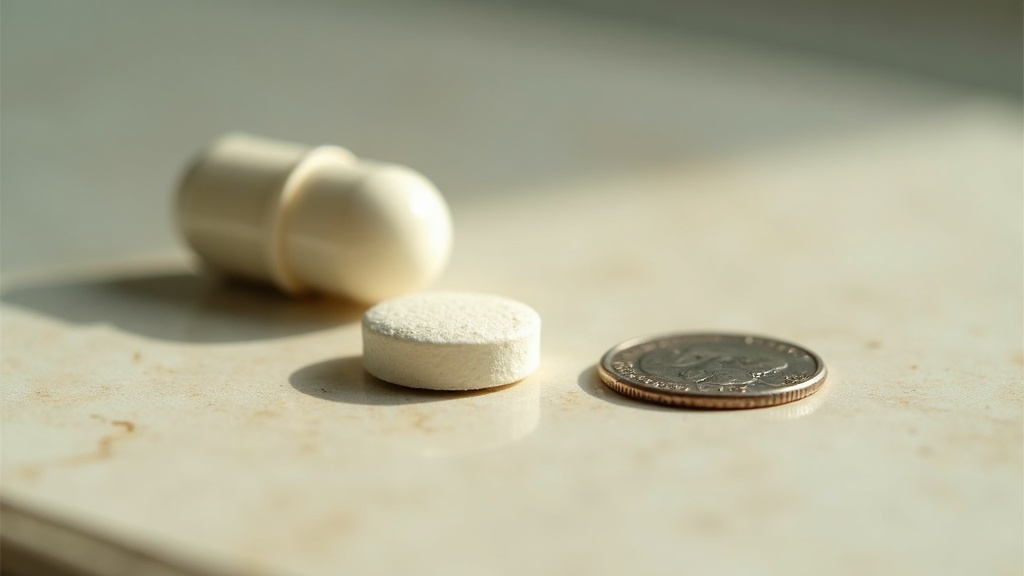
Magnesium is a calming nutritional adequacy tool. Melatonin is a circadian timing signal. They are not interchangeable, and most people pick the wrong one for their actual complaint.
- Reach for magnesium first if: your mind is racing or your body feels tense at lights-out, you wake in the middle of the night, your diet is low in nuts, seeds and leafy greens, or you have restless legs or muscle cramps disrupting sleep.
- Reach for melatonin first if: the problem is timing, not arousal. Jet lag, shift work transitions, delayed sleep-wake phase disorder where you cannot fall asleep until 2 or 3 AM, or age-related melatonin decline in adults over 55.
- Reasonable to stack: magnesium glycinate 200 to 400 mg at dinner plus low-dose melatonin 0.3 to 1 mg pre-bed hits two different mechanisms. It is not necessary for everyone.
- Do FIRST, before either: fix obvious sleep hygiene (consistent bedtime, no late caffeine, dim light, cool bedroom). Chronic insomnia (3+ nights a week for 3+ months) calls for cognitive behavioral therapy for insomnia (CBT-I), not supplements, as first-line per the American Academy of Sleep Medicine.
What each one actually does in your brain
Most of the confusion comes from collapsing both into the category "sleep aids." They are not in the same category. They act on different receptors and produce different felt effects.
Magnesium: NMDA, GABA, and the calming end of the seesaw
Magnesium ions sit inside the NMDA glutamate receptor channel as a voltage-dependent gatekeeper. When magnesium is adequate, NMDA-mediated excitation is dampened; when depleted, that gatekeeper is missing and excitatory signaling runs hotter. A practitioner review by Schwalfenberg and Genuis (2017) catalogues this role across more than 600 enzyme systems.
Magnesium also enhances GABA-A receptor activity (at a different allosteric site than benzodiazepines) and helps regulate HPA axis cortisol output. The result is slightly lower arousal: easier to put the day down, less muscular tension, less middle-of-night cortisol surge in people whose magnesium status was suboptimal. Magnesium is not a sedative; it closes a nutritional gap that, when left open, keeps the nervous system tilted toward "on."
Melatonin: MT1 and MT2 receptors as a timing signal
Melatonin is a hormone secreted by the pineal gland in response to darkness. It is not a sedative either. It is a zeitgeber, German for "time-giver," and it tells the suprachiasmatic nucleus (the master clock) that it is biological night.
It binds two G-protein-coupled receptors called MT1 and MT2. MT1 activation lowers neuronal firing rate in the SCN, nudging the body toward sleep. MT2 activation shifts the circadian phase, which is the mechanism that actually changes when your body wants to sleep, not just how fast you doze off tonight.
A 5 mg or 10 mg dose produces blood levels 10 to 50 times higher than the natural overnight peak. Those supraphysiologic doses can still produce some sedation, but they do not produce a better circadian signal. The dose that produced circadian phase advance in the foundational trials was 0.3 to 0.5 mg, not the 5 or 10 mg people buy on Amazon. The trial-vs-supplement-dose gap on melatonin is one of the widest in the supplement aisle.
A simple way to picture it: magnesium turns the volume of arousal down a notch; melatonin tells the clock what time it is.
When magnesium is the better tool

Magnesium earns the first try when the sleep complaint has an arousal signature rather than a timing one:
- Mind racing, body tense at lights-out. Anxious cognition plus muscular tension is the classic magnesium-deficit-amplified pattern. A systematic review by Boyle, Lawton and Dye (2017) found subjective improvements in anxiety with magnesium in mildly anxious adults, with the usual caveats about small trials and self-reported outcomes.
- Middle-of-the-night waking around 3 AM. Magnesium's HPA axis role can blunt the cortisol surge that wakes some people early-morning. Trial evidence is thin but the mechanism is consistent.
- Restless legs, calf cramps, or bedtime muscle twitches. The cleanest indication.
- Diet low in magnesium-rich foods. NHANES data show roughly 60 to 70% of US adults consume less than the RDA. If your diet skips nuts, seeds, legumes, and dark leafy greens, you are in the gap-closure population.
- Older adults with insomnia. A 2012 RCT by Abbasi and colleagues found 500 mg/day of magnesium oxide over eight weeks improved sleep efficiency, sleep time, sleep onset latency, and serum cortisol. A 2021 meta-analysis by Mah and Pitre confirmed a modest benefit while flagging the small number of trials and poor form choices (oxide absorbs at ~4%; glycinate is far better tolerated and absorbed).
Trial-vs-supplement dose: the elderly insomnia trial used 500 mg of oxide. In practice, 200 to 400 mg of magnesium glycinate at dinner is the working dose most clinicians start with. Glycinate doubles as a small dose of glycine, which has its own sleep evidence at higher doses.
Actionable takeaway: if your problem is "wired and tired" or "I wake at 3 AM," start with magnesium glycinate 200 to 400 mg in the evening and give it 2 to 4 weeks.
When melatonin is the better tool
Melatonin earns the first try when the problem is circadian misalignment, not arousal:
- Jet lag, especially eastbound. Flying east shortens your day and requires a phase advance, which is what melatonin is best at producing. Standard protocol: 0.5 to 3 mg at the destination's target bedtime for 3 to 5 nights, paired with morning bright-light exposure.
- Delayed sleep-wake phase disorder (DSWPD). The genuinely circadian condition where you cannot fall asleep until 2 to 4 AM. The AASM 2017 guideline by Auger and colleagues recommends low-dose melatonin (0.3 to 1 mg) taken 4 to 6 hours before the desired bedtime, not 30 minutes before. Timing matters more than dose.
- Shift work transitions. Use melatonin at the new bedtime to anchor the clock. No supplement replaces strategic light exposure.
- Adults over 55 with reduced endogenous melatonin. A dose-response study by Zhdanova and colleagues (2001) found physiological doses (0.3 mg) improved sleep efficiency in older adults, with no benefit from higher doses.
- Sleep-onset insomnia. A 2020 meta-analysis by Low and colleagues found melatonin reduced sleep onset latency by roughly 7 minutes on average. An earlier meta-analysis by Ferracioli-Oda and colleagues (2013) found similar small effects across primary sleep disorders.
Trial-vs-supplement dose: the Zhdanova work used 0.3 mg. Most Amazon gummies are 3, 5, or 10 mg, 10 to 33 times the dose that produced clean circadian signal. More melatonin is not a stronger signal; it is a noisier one. Start at 0.3 to 1 mg.
When both make sense (and when neither does)
Magnesium and melatonin combine cleanly because they act on different systems. Taking magnesium glycinate 200 to 400 mg at dinner plus low-dose melatonin 0.3 to 1 mg 30 to 60 minutes before bed addresses both the arousal lever and the timing lever. There is no known pharmacokinetic interaction between the two.
Stacking is not automatically better. A combined approach makes sense if both signatures are present: a wired bedtime and a clear circadian element (late chronotype, shift work, recent travel). Melatonin in the wrong context (wrong time, or at a 5 mg dose) can desynchronize the clock rather than tune it.
Neither is the right move when:
- Chronic primary insomnia (difficulty initiating or maintaining sleep ≥3 nights a week for ≥3 months, with daytime impairment). The AASM 2021 clinical practice guideline by Edinger and colleagues names cognitive behavioral therapy for insomnia (CBT-I) as first-line, with stronger and more durable effects than any pharmacologic option.
- Untreated sleep apnea. Snoring, witnessed apneas, morning headaches, and unrefreshing sleep call for a sleep study.
- Active major depression, bipolar disorder, or PTSD with sleep disruption. Treat the underlying condition.
- Severe restless legs syndrome. RLS that does not respond to iron repletion and magnesium needs a neurology workup, including a ferritin check (target above 75 ng/mL).
How to actually buy each one
For magnesium, the form and dose matter more than the brand:
- Magnesium glycinate (sometimes labeled bisglycinate). Best tolerated, gentle on GI, and the form most anxiety and sleep trials have moved toward. Dose: 200 to 400 mg elemental magnesium in the evening.
- Third-party testing. USP Verified, NSF, or ConsumerLab Approved are the cleanest signals.
- Avoid: "magnesium complex" proprietary blends without per-ingredient mg, and magnesium oxide if you have a sensitive gut (it pulls water into the intestine and absorbs at around 4%).
For melatonin, the dose is the lever almost no one gets right:
- 0.3, 0.5, or 1 mg tablets, not gummies. The supplement industry has standardized on 3 to 10 mg doses that are 10 to 33 times the physiological dose. You may need to cut a 3 mg tablet in halves or quarters to get to a starting dose with cleaner signal.
- USP Verified if available. Independent work by Erland and Saxena (2017) found that label dose accuracy in melatonin products varies wildly, with some containing 80% less and others 478% more than labeled.
- Avoid: combination "sleep formula" gummies that stack 5 mg melatonin with valerian, L-theanine, and ashwagandha. You cannot titrate any single ingredient when they are pre-mixed.
For deeper product picks, see the best magnesium for sleep and the best melatonin supplement.
Safety, interactions, and side effects
Magnesium interactions:
- Reduces absorption of levothyroxine, fluoroquinolones (ciprofloxacin, levofloxacin), tetracyclines, and bisphosphonates. Separate doses by at least 4 hours.
- People with stage 3 or higher chronic kidney disease should not supplement magnesium without clinician oversight.
- High doses (especially oxide or citrate) cause loose stools. Glycinate avoids this in most users.
Melatonin interactions:
- Fluvoxamine (SSRI) raises melatonin blood levels dramatically through CYP1A2 inhibition. Avoid combining without psychiatric guidance.
- Sedating medications (benzodiazepines, Z-drugs, sedating antihistamines, some antipsychotics) can have additive sedation effects, especially at supraphysiologic melatonin doses.
- Anticoagulants and antiplatelet drugs have a theoretical interaction with melatonin worth flagging to a prescriber.
- Pregnancy and breastfeeding: melatonin safety data are limited; conventional guidance is to avoid unless prescribed by an OB.
Both supplements are over-the-counter. That does not make them risk-free; it makes them under-discussed in primary care visits. The NIH Office of Dietary Supplements maintains fact sheets on both worth a single read.
Decision tree: which one for your specific situation
| Your situation | Try first | Starting dose |
|---|---|---|
| Mind racing, can't fall asleep | Magnesium glycinate | 200 to 400 mg at dinner |
| Wake at 3 AM, can't get back to sleep | Magnesium glycinate | 200 to 400 mg at dinner |
| Restless legs or muscle cramps | Magnesium glycinate | 200 to 400 mg at dinner |
| Jet lag eastbound | Melatonin | 0.5 to 3 mg at destination bedtime, 3 to 5 nights |
| Can't fall asleep until 2 to 4 AM (DSWPD) | Melatonin | 0.3 to 1 mg, 4 to 6 hours before target bedtime |
| Rotating shift work | Melatonin | 0.5 to 3 mg at new bedtime |
| Over 55, sleep efficiency declining | Melatonin | 0.3 to 0.5 mg, 30 to 60 minutes before bed |
| Both arousal and timing issues | Both | Mag 200 to 400 mg at dinner + melatonin 0.3 to 1 mg pre-bed |
| Chronic insomnia (3+ nights/week, 3+ months) | CBT-I first | See AASM guideline; supplements adjunctive |
| Snoring, witnessed apneas | Sleep study | Neither supplement is the answer |
This is the one-page version most people need. The longer reasoning is in the sections above.
FAQ
Is it safe to take magnesium and melatonin together every night?
For most healthy adults, yes. They act on different receptors with no known pharmacokinetic interaction. The bigger questions are whether you need both (most people do not) and whether nightly long-term melatonin is the right move (low-dose, occasional use is better-supported than chronic high-dose).
Will magnesium make me drowsy like melatonin can?
No. Magnesium lowers arousal at the receptor level and can feel mildly calming, but it does not produce a sedation-like signal.
Why do most melatonin bottles sell 5 or 10 mg if the trials used 0.3 mg?
The supplement industry is not dose-restricted by the FDA the way drug labeling is, and consumers associate "more mg" with "stronger product." The trial-vs-shelf-dose gap on melatonin is one of the widest in the supplement aisle.
Does magnesium help with the same things as melatonin if I take enough?
No. Magnesium does not produce a circadian phase shift no matter how much you take, and high oral doses just cause diarrhea before they cause any new sleep effect.
What if neither one works after 4 weeks?
The next move is not a different supplement. It is to (1) evaluate whether the sleep complaint fits the chronic insomnia criteria and pursue CBT-I per the AASM guideline, (2) rule out sleep apnea with a sleep study if you have the risk factors, and (3) talk to a clinician about underlying anxiety, mood, or medication contributors.
Conclusion: the bottom line on magnesium vs melatonin for sleep
Magnesium and melatonin are not in the same category of sleep tool. Magnesium closes a nutritional and neurotransmitter-modulation gap that lowers arousal; melatonin sends a circadian timing signal the body's master clock reads as "biological night." If your problem has an arousal signature (racing mind, body tension, 3 AM waking), start with magnesium glycinate at 200 to 400 mg. If your problem has a timing signature (jet lag, late chronotype, shift work, age-related decline), start with low-dose melatonin at 0.3 to 1 mg at the timing your scenario calls for. Stacking at low doses is reasonable if both signatures are present. If neither helps after a fair trial, the next step is not a third supplement; it is CBT-I, a sleep study, or a clinician conversation.
Next steps:
- Identify your sleep complaint signature (arousal vs timing) using the decision-tree table above.
- If magnesium fits, see the best magnesium for sleep for form, dose, and product-card picks at the trial-relevant dose.
- If chronic insomnia symptoms apply (3+ nights a week for 3+ months), pursue CBT-I per the AASM guideline before scaling supplement experiments.
For how UV evaluates supplement evidence, see how we review supplements. More cognitive and sleep-biochemistry coverage is on the Maria Rodriguez author page.
As an Amazon Associate, I earn from qualifying purchases. Product recommendations are based on real reviews and independent research.
This article is for informational purposes and not medical advice. Sleep supplements can interact with medications and underlying conditions. Consult a licensed clinician before starting any new supplement, particularly if you are pregnant, nursing, taking prescription medications (including SSRIs, anticoagulants, levothyroxine, or sedating medications), or managing a chronic condition such as chronic kidney disease or a primary sleep disorder.
Reviewed by Maria Rodriguez, MS Nutrition Science, focused on cognitive and mood biochemistry.
