

Affiliate disclosure: this article contains affiliate links. As an Amazon Associate, UsefulVitamins.com earns from qualifying purchases at no extra cost to you.
If you are searching for the best supplements for shift workers, you have probably already tried a 5 mg melatonin tablet from the gas station, found it left you groggy at 4 PM, and want to know what circadian biology says about pulling night shifts without wrecking your sleep, mood, and metabolic health.
Quick Answer: which supplements actually help shift workers
The 2 to 3 we'd start with first:
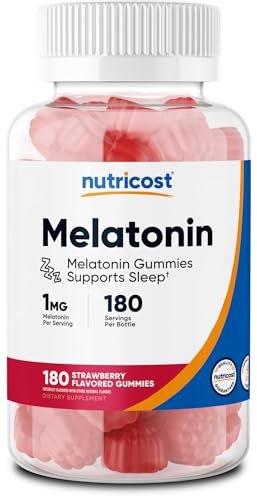
- Melatonin 0.3 to 0.5 mg, taken 30 minutes before your intended daytime sleep: the low dose is the trial-tested dose, and higher doses (3 to 10 mg) do not work better and can blunt your own pineal output.
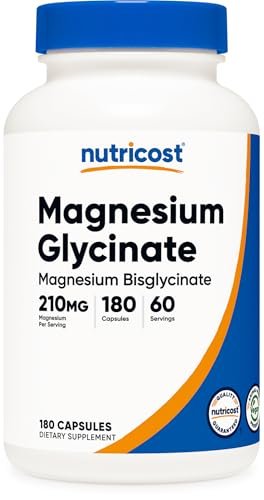
- Magnesium glycinate 200 to 400 mg, taken at the start of your sleep window: for GABAergic support and the leg restlessness that shows up after a 12-hour shift on hard floors.
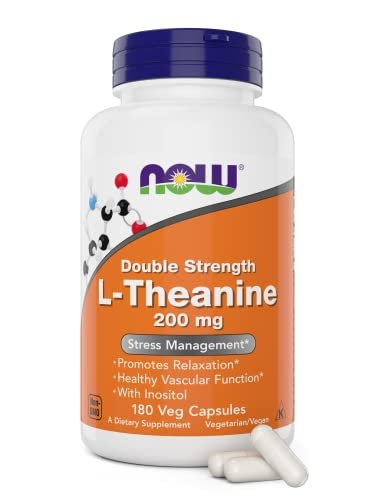
- L-theanine 200 mg, with caffeine pre-shift or alone at sleep onset: smooths the alpha-wave alertness curve and reduces sleep-onset latency in stressed adults.
Who should NOT start with these:
- Anyone using supplements as a reason to skip the behavioral fundamentals (blackout curtains, consistent sleep window, light therapy at shift start, no alcohol as a sleep aid). The supplements are a small layer on top, not the foundation.
- Anyone on an SSRI, MAOI, fluvoxamine, or sedating sleep prescription without first running the additions past their prescriber.
Do FIRST, before any supplement: lock in a fixed daytime sleep window with full blackout, a written caffeine cutoff at least 6 hours before that window, and bright light exposure at the start of your shift. The AASM 2020 clinical practice guideline for intrinsic circadian rhythm sleep-wake disorders places behavioral measures and timed light first, with melatonin as a graded adjunct. A capsule cannot fix a 2 PM beer or a bedroom that lets in afternoon sun.
What shift work sleep disorder actually is
Shift work sleep disorder (SWSD) is the formal diagnosis when a non-traditional schedule (night shifts, early-morning starts, rotating rosters) produces insomnia during the intended sleep window and excessive sleepiness during the intended wake window for at least three months. Roughly 20% of the US workforce holds a non-standard schedule. Healthcare workers, first responders, manufacturing, logistics, aviation, and on-call IT carry most of the load.
The underlying biology is a misalignment between two clocks. The suprachiasmatic nucleus (SCN) in the hypothalamus runs an endogenous rhythm of roughly 24.2 hours, entrained by retinal light hitting melanopsin-containing ganglion cells. The SCN drives a cortisol rise in the early morning and melatonin release from the pineal gland starting about two hours before habitual sleep. Night shift work asks the worker to be alert when cortisol should be at its nadir and to sleep when melatonin is being suppressed by daylight. The mismatch is not a willpower problem. It is a misaligned signaling network that shows up as fragmented sleep, daytime cognitive lapses, blunted glucose tolerance, and mood dysregulation.
The longer-term physiology is harsher. The International Agency for Research on Cancer classifies night shift work as a Group 2A probable human carcinogen, with the strongest signal in breast cancer. Supplements do not fix that risk. Sleep, behavior, light therapy, and where possible an employer-level rotation that limits cumulative night exposure are the actual interventions.
Standard of care, per the AASM, is layered. Behavioral measures first: fixed sleep window, blackout, planned naps. Timed bright light at shift start and light avoidance at shift end. Prescription wakefulness-promoting agents (modafinil and armodafinil) for documented residual sleepiness, under clinician oversight. Low-dose melatonin for sleep onset timed to the intended daytime sleep. Rotation type matters: forward-rotating rosters (day to evening to night) are easier on circadian phase than backward-rotating ones.
The supplements with the strongest evidence

Low-dose melatonin for daytime sleep onset and circadian re-entrainment
Why it helps: melatonin is the endogenous output of the pineal gland that signals biological night. Exogenous melatonin taken at the start of your intended sleep window mimics that signal and at low microgram doses can phase-shift the circadian clock. It binds MT1 and MT2 receptors on the SCN and contributes to entrainment, not sedation. The sedating feel some people get from a 5 mg tablet is a pharmacological side effect of supraphysiological levels, not the entrainment signal you actually want.
What the trials show: a 2018 systematic review and meta-analysis by Sletten and colleagues of melatonin for shift work sleep disorder found a consistent reduction in sleep-onset latency of roughly 6 to 8 minutes and a small reliable increase in total daytime sleep time of about 20 to 25 minutes. Effect sizes were modest. The cleanest results used low doses (0.3 to 3 mg). A separate body of work from Burgess and colleagues showed that 0.3 to 0.5 mg produces measurable phase advances of dim-light melatonin onset, while doses above 3 mg do not advance phase more and remain in circulation long enough to cause grogginess on the next wake cycle.
Dose used in trials: 0.3 to 3 mg, taken 30 to 60 minutes before the intended sleep window. For phase shifting and reduced grogginess, 0.3 to 0.5 mg is the trial-supported sweet spot. The 5 to 10 mg tablets that dominate US retail are pharmacologically poor matches for the physiology.
Form to look for: immediate-release low-dose tablet or sublingual. Skip "extended-release" for SWSD; it keeps melatonin elevated into your shift. Independent assays have repeatedly found melatonin tablets mislabeled by wide margins, so USP Verified or NSF Certified matters here.
Skip if: you are on warfarin, fluvoxamine (which inhibits melatonin metabolism), or an MAOI without prescriber review. Pregnant and nursing workers should defer until cleared by an OBGYN.
Magnesium glycinate for sleep architecture and parasympathetic recovery
Why it helps: magnesium is a cofactor for NMDA receptor modulation and GABA-A allosteric activity, both of which gate sleep depth and arousal threshold. Shift workers are at high risk of subclinical magnesium deficit because diet quality drops on rotating schedules and stress-driven urinary excretion rises. The supplement supports GABAergic tone and reduces sympathetic overactivation during the sleep window, which is the part of the cycle that gets disrupted in SWSD.
What the trials show: a 2017 double-blind RCT in older adults with insomnia found that 500 mg/day of magnesium oxide for 8 weeks reduced sleep-onset latency by roughly 17 minutes and improved subjective sleep quality compared with placebo. There are no SWSD-specific magnesium RCTs powered for sleep architecture endpoints.
Dose used in trials: 200 to 500 mg of elemental magnesium taken 30 to 60 minutes before the sleep window. The dose-trial gap matters: many sleep stacks list "magnesium 500 mg" on the front, then deliver 50 to 100 mg of elemental magnesium from an oxide blend. Check the elemental milligrams on the supplement facts panel, not the front of the bottle.
Form to look for: magnesium glycinate or bisglycinate. Glycine itself has independent sleep-promoting effects through NMDA receptor co-agonism. Skip magnesium oxide for daily sleep use. For deeper background on forms, see our best magnesium for sleep guide.
Skip if: your eGFR is below 30, or you are on a sedating sleep prescription without clinician review.
L-theanine for alpha-wave alertness and sleep-onset latency
Why it helps: L-theanine is a non-protein amino acid abundant in tea leaves. Mechanistically it crosses the blood-brain barrier, modulates glutamate uptake, and reliably increases alpha-wave EEG activity, the signature of relaxed alertness. For shift workers it has a dual role: paired with pre-shift caffeine to smooth the jittery edge, or alone at sleep onset to reduce time-to-sleep without sedation.
What the trials show: a 2019 double-blind RCT of 200 mg/day L-theanine in stressed adults found significant improvements in sleep-onset latency, sleep efficiency, and self-reported stress over 4 weeks compared with placebo. Effect sizes were small to moderate, and the trial population was not specifically shift workers, but the mechanism translates to the high-stress autonomic profile of a paramedic or ICU nurse coming off a 12-hour night.
Dose used in trials: 200 mg, with caffeine pre-shift (the classic 1:1 to 2:1 theanine:caffeine ratio) or alone 30 to 60 minutes before sleep.
Form to look for: Suntheanine (patented L-isomer with the cleanest trial data) or any standardized L-theanine, not D,L-theanine. Skip "nighttime tea blend" capsules that bury 30 mg in a proprietary blend.
Skip if: you are on antihypertensives without prescriber review.
Actionable takeaway: if you can only afford one supplement on this list and you already have decent blackout curtains, magnesium glycinate before your sleep window gives the most predictable improvement in sleep depth. Melatonin adds the phase-shift signal on top.
Supplements with moderate evidence (consider with caveats)
Vitamin D3 for the chronic deficiency profile of night workers
Cross-sectional data from a 2017 analysis of shift workers showed significantly lower 25(OH)D levels than day-shift controls, driven by reduced daylight exposure. The clinical relevance is felt fatigue, mood, and immune function, not direct sleep architecture. Most shift workers benefit from 2,000 to 4,000 IU/day of D3, titrated to a serum 25(OH)D target of 30 to 50 ng/mL. Skip without prescriber review if you have hypercalcemia or sarcoidosis. For workers whose dominant complaint is exhaustion rather than insomnia, our best supplements for chronic fatigue guide covers the overlap.
Omega-3 (EPA+DHA) for mood and cognitive resilience
Shift workers carry elevated cardiovascular and depressive symptom risk over years. Omega-3 fatty acids modestly reduce triglycerides, lower CRP, and have small reliable signals for depressive symptom severity in meta-analyses. There are no SWSD-specific omega-3 RCTs. Aim for 1 to 2 g/day combined EPA+DHA from a triglyceride-form, third-party-tested fish oil. Skip if you are on therapeutic-dose warfarin without monitoring.
Methylated B-complex for the energy and homocysteine layer
Disrupted eating windows on rotating shifts produce real micronutrient gaps. A standard B-complex with methylfolate (rather than folic acid) and methylcobalamin (rather than cyanocobalamin) covers the methylation cofactors that drive serotonin, dopamine, and norepinephrine synthesis. Trial evidence for B-complex in shift workers specifically is thin, but the cost is low. Skip mega-dose B6 (above 100 mg/day) for extended periods; chronic high-dose B6 causes peripheral neuropathy.
Ashwagandha for HPA axis dysregulation
Ashwagandha (Withania somnifera) has a small but consistent RCT signal for cortisol reduction in chronically stressed adults. A 2019 RCT by Lopresti and colleagues of 240 mg/day standardized extract over 60 days showed modest reductions in morning cortisol and self-reported stress scores. Worth considering if your dominant complaint is "wired and tired" rather than sleep onset. Skip if you have hyperthyroidism or are on immunosuppressants.
Popular but evidence-thin (skip, or treat as low-priority)
High-dose melatonin (3 to 10 mg) and "PM" combination products
The default melatonin dose at most US retailers is 3, 5, or 10 mg, often combined with an antihistamine in "PM" blends. This is the single largest dose-trial-supplement gap in the category. The trials that produced phase-shift and sleep-onset signal used 0.3 to 3 mg; higher doses do not produce more benefit. They do produce next-window grogginess and a higher rate of vivid dreams and headaches. Combination "sleep" products with diphenhydramine or doxylamine deliver next-day cognitive impairment that matters for any worker driving home from shift.
Alcohol as a sleep aid
Not a supplement in the literal sense, but the most common self-prescribed "sleep aid" among shift workers and worth naming. Alcohol reliably shortens sleep-onset latency at the cost of suppressed REM sleep, rebound arousal in the second half of the night, and a measurable next-shift cognitive decrement. It is the most predictable way to make SWSD worse while feeling like you are treating it.
What to look for when buying
For SWSD-related supplements, the buying criteria are tight:
- Form: immediate-release low-dose melatonin (0.3 to 1 mg) not extended-release; magnesium glycinate or bisglycinate; Suntheanine or standardized L-theanine; D3 (cholecalciferol) not D2; methylated B-complex with methylfolate and methylcobalamin.
- Third-party testing: USP Verified, NSF Certified, ConsumerLab Approved. Melatonin is the worst-labeled category in the supplement aisle, and verification matters more here than almost anywhere else. For UV's full evaluation framework, see how we review supplements.
- Red flags: "PM" blends with antihistamines, melatonin at 5 to 10 mg as the lowest available dose, proprietary blends without per-ingredient milligrams, and any product implying a capsule "fixes" night shift health.
- Dosing strategy: take melatonin and L-theanine 30 to 60 minutes before sleep window. Magnesium glycinate at the start of the sleep window. Vitamin D and omega-3 with a meal containing fat at any point in your wake window.
When supplements are not enough
Stop self-managing and contact your clinician (or a sleep specialist) if any of the following apply:
- Excessive daytime sleepiness severe enough to cause near-misses driving home from shift. This is an urgent safety issue. Prescription wakefulness-promoting agents exist for documented residual SWSD sleepiness under clinician oversight.
- Persistent low mood, hopelessness, or thoughts of self-harm. Contact the 988 Suicide and Crisis Lifeline (US), your local crisis line, or a clinician promptly. Chronic shift work meaningfully elevates depressive symptom risk.
- Witnessed apneas, loud snoring with daytime fatigue, or unexplained morning headaches. Untreated obstructive sleep apnea masquerading as SWSD is common.
- Symptoms persisting beyond three months on a stable schedule despite good behavioral structure.
FAQ
How much melatonin should a shift worker actually take?
0.3 to 0.5 mg taken 30 to 60 minutes before your intended daytime sleep window is the trial-supported dose for both sleep onset and circadian phase shifting. Higher doses are not more effective and often produce grogginess into the next shift.
Is it safe to take melatonin every shift, long term?
Short-term safety is well established. Long-term daily use over years has limited RCT data, but the chronic-use safety signal looks reasonable at low doses. Daily high-dose use may suppress endogenous pineal output, which is one more reason to keep the dose low.
Can I just use coffee to get through night shifts?
You can, but timing matters more than dose. Caffeine has a 5 to 6 hour half-life, so a cup at 4 AM during a 7 PM to 7 AM shift is still pharmacologically active when you are trying to sleep at 8 AM. Front-load caffeine to the first half of your shift and stop at least 6 hours before your sleep window.
What about modafinil for shift work sleepiness?
Modafinil and armodafinil are prescription wakefulness-promoting agents approved by the FDA for documented SWSD with residual daytime sleepiness despite good sleep hygiene. They are not supplements and require a clinician evaluation that rules out untreated sleep apnea first.
Will magnesium help me sleep during the day?
Modestly, yes. Magnesium glycinate supports GABAergic tone and reduces sleep-onset latency in adults with subclinical deficiency, common in shift workers. It will not overcome poor blackout or a 2 PM coffee, but on top of those it adds a small reliable improvement in sleep depth.
Conclusion: the bottom line on best supplements for shift workers
For shift work sleep disorder, the standard of care is behavioral first: fixed daytime sleep window, full blackout, consistent caffeine cutoff, timed light at shift start, and where possible a schedule that limits cumulative night exposure. Supplements sit on top of that structure, not instead of it. Low-dose melatonin (0.3 to 0.5 mg) timed to the intended sleep window, magnesium glycinate at sleep onset, and L-theanine pre-shift or pre-sleep are the three highest-signal interventions. Vitamin D corrected to lab, omega-3, methylated B-complex, and ashwagandha are reasonable second-tier adds. The IARC classification of night shift work as a probable carcinogen is the honest backdrop: no capsule reverses that risk. Sleep, light, schedule, and behavior do most of the work.
Next steps:
- Lock in a fixed daytime sleep window with full blackout, a caffeine cutoff at least 6 hours before, and bright light at shift start, before adding any supplement.
- Buy melatonin at 0.3 to 1 mg, not 5 to 10 mg, and skip "PM" combination products with antihistamines.
- For sleep-specific mineral forms and brand evaluation, read our best magnesium for sleep guide, and for editorial methodology see Maria Rodriguez's author page.
Reviewed by Maria Rodriguez, MS Nutrition Science, focused on cognitive and mood biochemistry.
Top picks on Amazon
As an Amazon Associate, I earn from qualifying purchases. Product recommendations are based on real reviews and independent research.
