

If you are standing in the supplement aisle wondering whether you need a vitamin A pill, the honest answer is: almost certainly not, and the bigger pill could hurt you. Vitamin A is one of the few nutrients where the real story is not deficiency but the ceiling. This guide walks through the two forms (retinol and beta-carotene), what vitamin A actually does, how much you need in RAE, where the toxicity line sits, and the two large smoker trials that most guides bury near the bottom.
Here is the framing that sets this guide apart: for the average person who eats broadly, vitamin A is a ceiling nutrient, not a floor nutrient. The interesting question is not "how do I get more," it is "how do I avoid getting too much," because the downside, liver injury, bone effects, and birth defects, is real and well documented.
Before you decide
Three safety points come first, because they change who should even consider a supplement.
High-dose preformed vitamin A in pregnancy is teratogenic. In a 1995 New England Journal of Medicine cohort by Rothman and colleagues, women taking more than 10,000 IU/day of preformed vitamin A from supplements had a markedly higher rate of cranial-neural-crest birth defects, roughly 1 affected infant in 57 attributable to the supplement. If you are pregnant or could become pregnant, do not take high-dose retinol, and ask your OBGYN before adding any vitamin A product.
Smokers should not take high-dose beta-carotene pills. Two large randomized trials, which we cover in detail below, found that beta-carotene supplements raised lung cancer rates in smokers rather than lowering them. This is the signal most articles mention in passing, if at all.
Genuine deficiency is uncommon in well-fed countries. Per the NIH Office of Dietary Supplements, the groups actually at risk are premature infants, people with fat-malabsorption conditions such as cystic fibrosis or cholestatic liver disease, and populations in low-income regions where dietary vitamin A is scarce. If you are not in one of those groups, you are very likely already covered.
Actionable takeaway: if you eat eggs, dairy, or orange and green vegetables a few times a week, your default should be no vitamin A supplement at all.
Retinol versus provitamin-A carotenoids

Vitamin A is not a single molecule. It comes in two dietary forms that your body handles very differently.
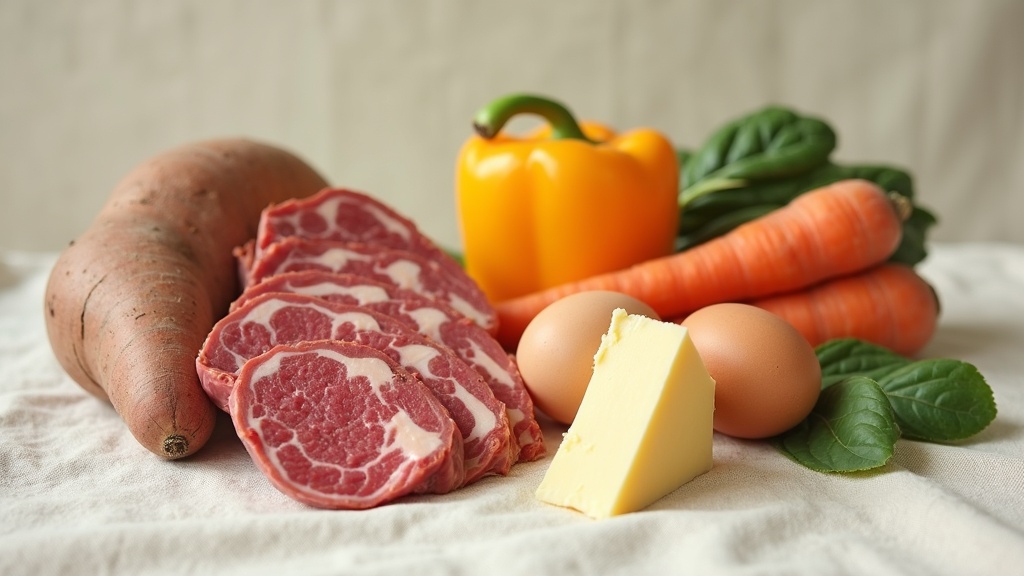
Preformed vitamin A (retinol and retinyl esters) is the active form, and it is the one that accumulates. It comes from animal foods: liver, fish, eggs, butter, cheese, and from supplements and fortified foods. Your body absorbs it efficiently and stores the excess in the liver, which is exactly why it can build up to toxic levels.
Provitamin-A carotenoids, mainly beta-carotene, are the plant precursors. They come from carrots, sweet potato, pumpkin, spinach, kale, and red peppers. Your body converts them to retinol only as needed, and that conversion is tightly regulated. Eat a kilo of carrots and your skin may turn faintly orange (harmless carotenemia), but you will not poison your liver, because the conversion throttles down.
That regulation is the whole reason the two forms sit on opposite sides of the safety line. Food carotenoids are self-limiting; preformed retinol is not.
The conversion difference also shows up in the math. The NIH ODS expresses everything in retinol activity equivalents (RAE) precisely because the forms are not equal: 1 mcg RAE equals 1 mcg retinol, 2 mcg of supplemental beta-carotene, or 12 mcg of dietary beta-carotene. So the beta-carotene in your salad delivers far less retinol per microgram than a retinol capsule does. We unpack this trade-off in more depth in our companion piece on retinol versus beta-carotene.
What vitamin A actually does
Vitamin A earns its reputation honestly. It supports several systems that are hard to replace.
Vision is the classic role. Retinal, a form of vitamin A, is part of rhodopsin, the pigment in your retina that lets you see in dim light. Early deficiency shows up as night blindness, and severe, prolonged deficiency is a leading cause of preventable childhood blindness worldwide.
Immune function and epithelial integrity depend on it too. Vitamin A helps maintain the linings of the respiratory, gut, and urinary tracts and supports the differentiation of immune cells. The NIH ODS describes its role in normal immune defense, though that is a long way from "boosts immunity," a phrase the evidence does not support for already-replete adults.
It also drives cell growth, differentiation, and reproduction. Retinoic acid acts almost like a hormone, switching genes on and off during development. That power is precisely why too much during pregnancy is dangerous: the same signaling that builds an embryo correctly can misfire when retinol floods the system.
Think of vitamin A like the salt in a recipe. The right amount is essential and the dish fails without it, but doubling it does not make the dish twice as good, it ruins it.
RDA in RAE and food sources
For most healthy adults the target is modest and easy to hit. The NIH ODS sets the RDA at 900 mcg RAE/day for adult men and 700 mcg RAE/day for adult women, rising to 770 mcg in pregnancy and 1,300 mcg during lactation.
A typical 2,000-kcal Western pattern clears this without trying. Here is roughly what common foods deliver:
| Food (typical serving) | Form | Vitamin A (mcg RAE) |
|---|---|---|
| Beef liver, 3 oz cooked | Preformed retinol | ~6,600 (well above a full day) |
| Sweet potato, 1 baked | Beta-carotene | ~1,400 |
| Spinach, 1/2 cup boiled | Beta-carotene | ~570 |
| Carrots, 1/2 cup raw | Beta-carotene | ~460 |
| Egg, 1 large | Preformed retinol | ~75 |
One sweet potato or a single serving of liver covers a full day, often several days over. If your diet includes orange and green vegetables, eggs, and dairy on a regular basis, you are not running a vitamin A deficit. A note on liver, though: it is so concentrated that the standard advice in pregnancy is to limit it, precisely because the preformed retinol stacks up fast.
The toxicity line: acute, chronic, and pregnancy
This is the part that justifies the "ceiling, not floor" framing. The danger comes almost entirely from preformed retinol, not from carotenoids.
The Tolerable Upper Intake Level for preformed vitamin A in adults is 3,000 mcg/day (about 10,000 IU), per the NIH ODS, and that limit applies to retinol from supplements and animal foods, not to beta-carotene from plants.
Acute toxicity comes from a single very large dose. Per StatPearls on vitamin A toxicity, it produces severe headache, nausea, vertigo, blurred vision, and later skin peeling and hair loss within days.
Chronic toxicity is the more realistic risk for supplement users. Taking roughly ten times the RDA for months can cause dry skin, cracked lips, joint and bone pain, fatigue, hair loss, and liver damage. The LiverTox monograph documents that sustained intakes above about 40,000 IU/day can injure the liver, sometimes seriously.
Pregnancy is the highest-stakes scenario. As noted above, the Rothman cohort tied supplemental preformed vitamin A over 10,000 IU/day to birth defects. The signal was specific to retinol, not beta-carotene. If you are pregnant, your prenatal vitamin should keep preformed vitamin A well under the upper limit, and you should never add a standalone high-dose retinol product without your OBGYN's sign-off.
Actionable takeaway: check the supplement facts panel of anything you take. If it lists vitamin A as retinol or retinyl palmitate at thousands of IU, that is a product to question, not a bonus.
The beta-carotene smoker trials
Here is the evidence that flips the common assumption that "antioxidant" automatically means "protective." Two large, well-run randomized trials tested beta-carotene supplements in people at high risk for lung cancer, expecting benefit. Both found harm.
The ATBC trial (NEJM, 1994) randomized 29,133 male smokers to beta-carotene 20 mg/day, vitamin E, both, or placebo. The men taking beta-carotene had about an 18% higher incidence of lung cancer, the opposite of the hoped-for result.
The CARET trial (NEJM, 1996) tested a stronger combination, beta-carotene 30 mg plus retinyl palmitate 25,000 IU daily, in 18,314 smokers, former smokers, and asbestos-exposed workers. The active group had a 28% higher lung cancer incidence and a 17% higher all-cause death rate. The safety board stopped the trial 21 months early because the harm was clear.
Two important caveats. First, these effects were seen with high-dose isolated supplements in high-risk smokers, not with beta-carotene from food, which remains safe and is associated with the opposite pattern in observational data. Second, the takeaway is narrow and practical: if you smoke or recently quit, high-dose beta-carotene pills are a documented risk, not a hedge. This is the inversion most vitamin A guides leave out.
Who actually benefits from a supplement
Strip away the marketing and the list of people who genuinely need supplemental vitamin A is short.
Fat-malabsorption conditions. People with cystic fibrosis, cholestatic liver disease, short-bowel syndrome, or who have had certain bariatric surgeries may not absorb fat-soluble vitamins well and can become deficient. These cases need a clinician and, usually, blood-level monitoring, not a guess from the supplement aisle.
Premature infants and some young children in clinical care, under medical supervision.
Documented deficiency confirmed by a clinician. If you have night blindness, very dry eyes, or frequent infections plus a restrictive diet, ask your doctor about a serum retinol test before assuming you are low. Blood work changes the question; without it you are guessing which supplement to add.
For nearly everyone else, the supplement that helps is the one that closes a real gap, and there usually is no gap. If you do want one, a multivitamin delivering vitamin A largely as beta-carotene, within the RDA, is far safer than a standalone retinol megadose. For broader supplement-vetting logic, see how we review supplements, and if your real goal is your complexion rather than nutrition, our roundup of supplements for skin health is a better starting point than a high-dose retinol pill.
Frequently asked questions
Is beta-carotene safer than retinol? From food, yes, clearly. Your body converts plant beta-carotene to retinol only as needed, so it does not accumulate to toxic levels. The exception is high-dose beta-carotene supplements in smokers, which the trials above link to harm.
Can I get too much vitamin A from carrots or sweet potato? No. Excess beta-carotene from vegetables can tint your skin orange, which is harmless and reversible. It does not cause the liver, bone, or pregnancy risks that preformed retinol does.
Does vitamin A help my skin or acne? Prescription retinoids (which are vitamin A derivatives) treat acne under a doctor's care, but those are regulated drugs with strict pregnancy warnings, not the same as an over-the-counter vitamin A capsule. Oral vitamin A megadosing for skin is not a safe DIY plan.
Is the vitamin A in my multivitamin a problem? Usually not, if it is within the RDA and especially if it is supplied as beta-carotene. Check the label, and watch the total if you also eat liver often or take a separate product.
Should I take vitamin A while pregnant? Only the amount in a prenatal your OBGYN approves, kept well under the 3,000 mcg upper limit, and never a high-dose standalone retinol product.
The bottom line on vitamin A
Vitamin A is essential, but for most people in well-fed countries it is a ceiling nutrient, not a floor one. The evidence that gets buried, the pregnancy teratogenicity data and the smoker beta-carotene trials, is the part that should actually drive your decision. Food covers the requirement, and the supplement aisle mostly offers a way to overshoot it.
Next steps:
- Cover your needs from food: a sweet potato, some greens, eggs and dairy hit the 700 to 900 mcg RAE target easily.
- If you smoke, are pregnant, or could become pregnant, avoid high-dose retinol and beta-carotene pills entirely and talk to your clinician.
- If you suspect malabsorption or deficiency, ask for a serum retinol test before supplementing, and if you still want a product, compare options the same way we do in our overview of vitamin A supplements and our related complete guide to vitamin E.
Reviewed by Sarah Thompson, Registered Dietitian, focused on vitamin and mineral nutrition.
This article is for informational purposes and not medical advice. Fat-soluble vitamins such as vitamin A can accumulate, interact with medications, and harm a developing pregnancy at high doses. Consult a licensed physician or registered dietitian before starting any supplement, particularly if you are pregnant, nursing, taking prescription medications, or managing a chronic condition.
